
Antique Farmhouse Table Desk
An antique farmhouse table desk brings enduring utility and sturdy wooden character into daily workspace routines.
Antique Farmhouse Table Desk
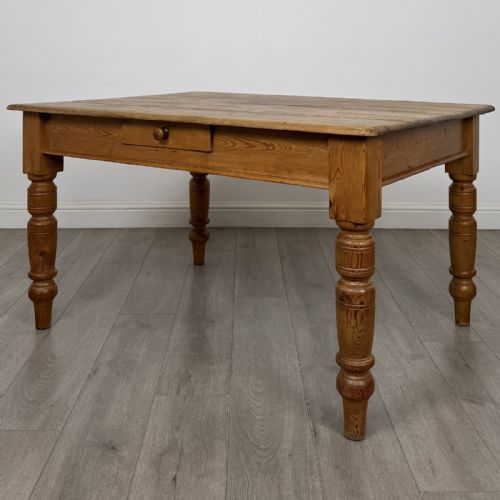
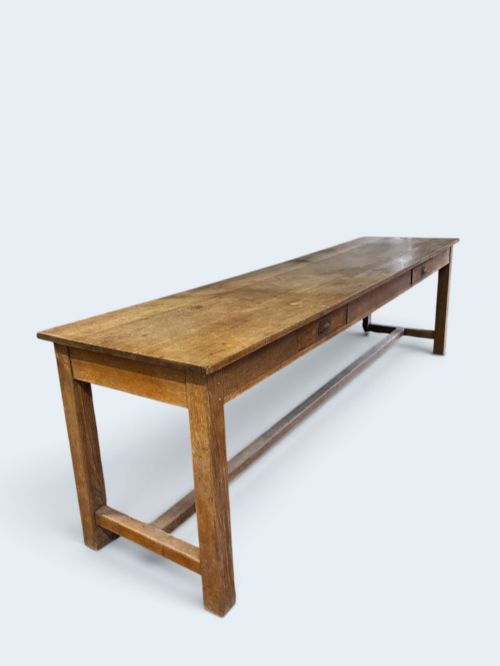
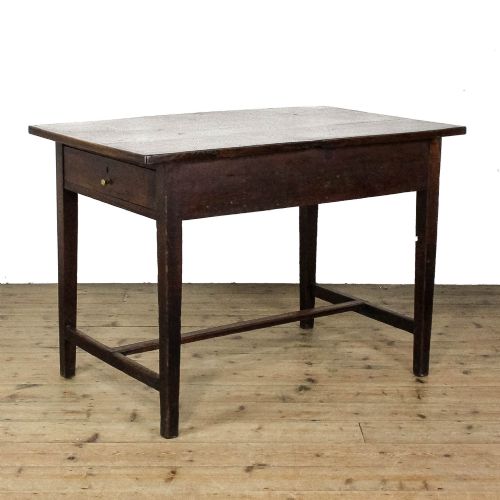
An antique farmhouse table desk encompasses functional wooden surfaces originating primarily from the nineteenth and early twentieth centuries, adapted from domestic kitchens, sculleries, and prep rooms for modern writing or working tasks. These pieces arrive in styles ranging from rustic country and French provincial to Georgian and Victorian, reflecting the utilitarian needs of past households.
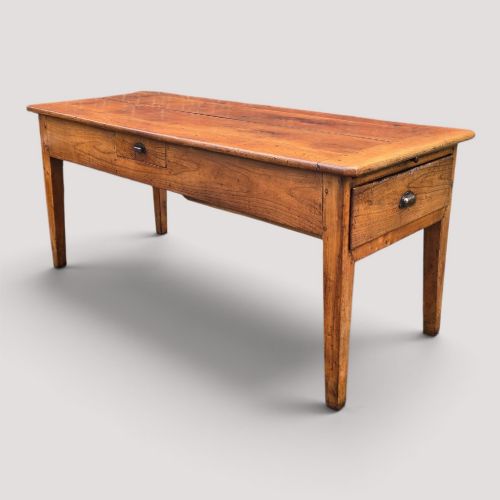
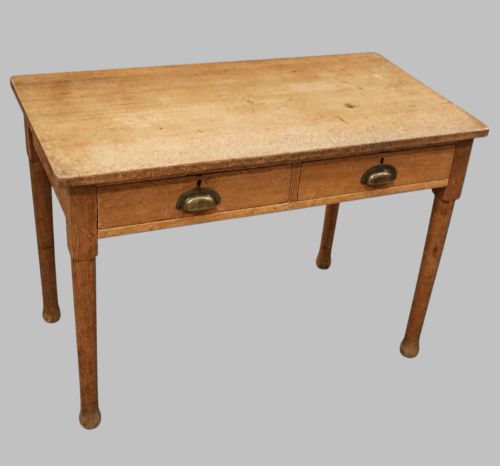
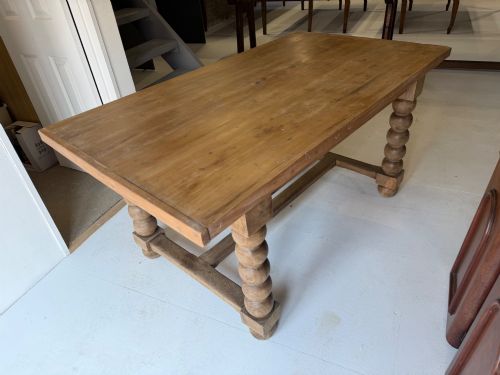
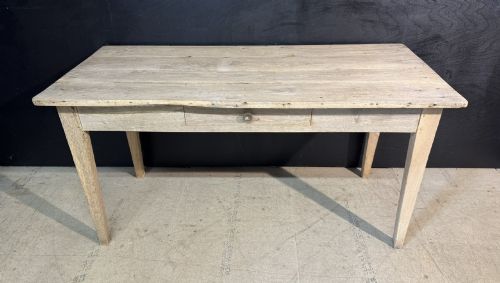
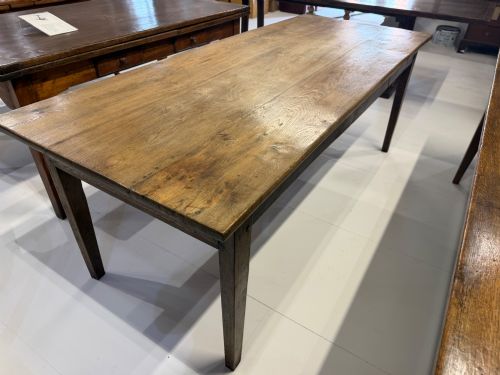
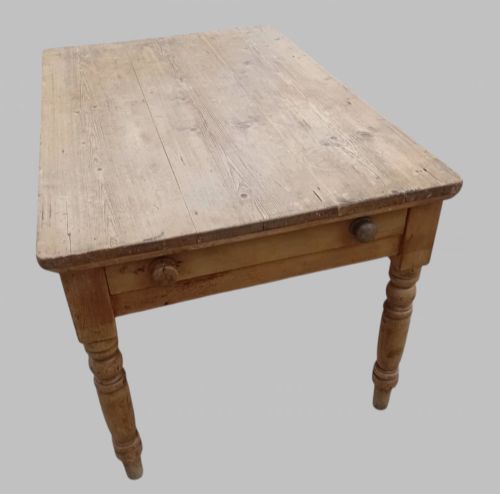
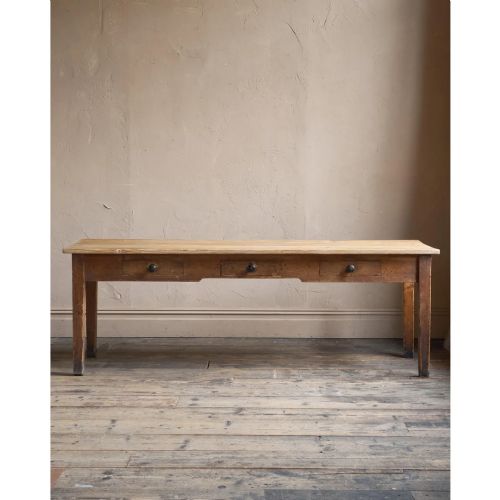
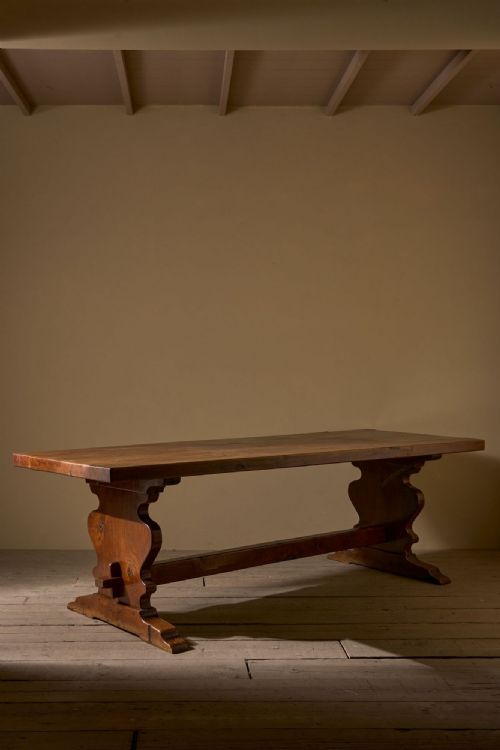
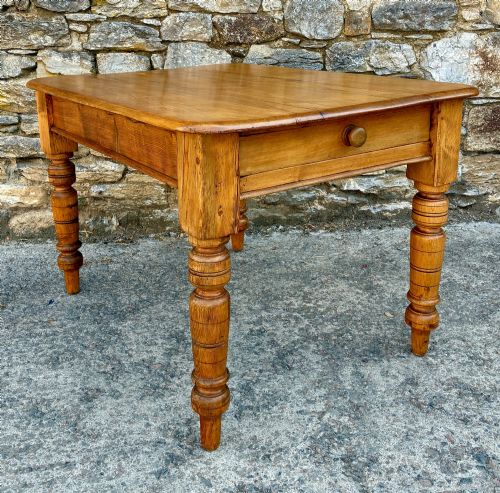
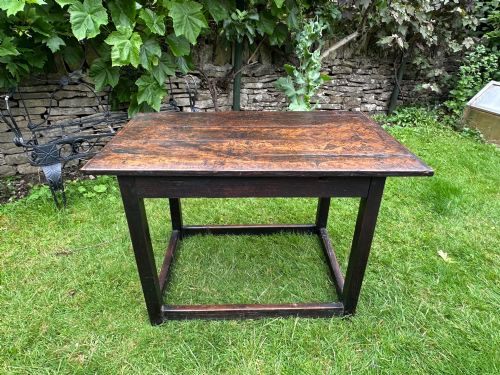
Pine and oak dominate the selection available, frequently encountered with single or dual drawers originally utilised for utensils or paperwork storage. Examples span from scrub-top pine tables to solid oak refectory and trestle formats, providing expansive writing surfaces grounded in robust historical construction.
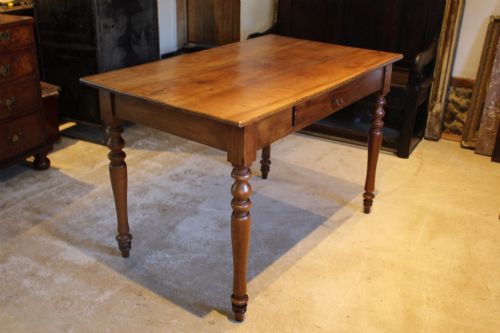
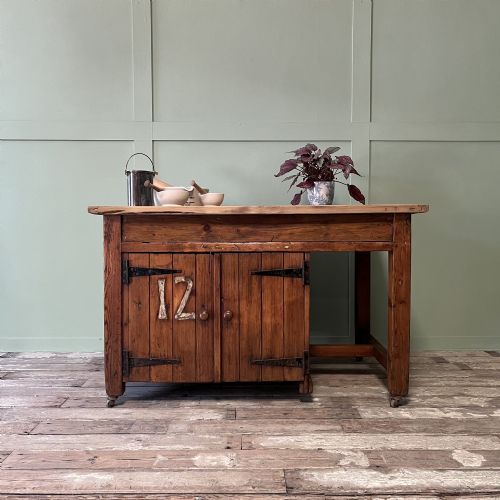
Regional variations appear across English, Welsh, French, and Scandinavian origins, incorporating cherry wood, beech, fruitwood, and occasional metal or brass elements. Buyers meet pieces designed for practical work, from bakers' prep tables to tavern tables, now serving comfortably as characterful desks.
Materials and construction
Craftsmen relied predominantly on solid pine and oak for these working surfaces, selecting timbers capable of withstanding heavy daily domestic use. Planks were joined to form thick tops, occasionally paired with contrasting timber bases or iron and brass hardware.
Surface treatments range from scrubbed natural wood and patinated wax finishes to original painted legs and traditional Falu paint applications. Drawers were constructed using traditional joinery methods to endure frequent opening in busy kitchens and sculleries.
Quality variations in domestic tables
The degree of original craftsmanship and the integrity of the timber separate standard utility tables from exceptional examples. Substantial plank thickness, well-proportioned turned or tapered legs, and retained original paint finishes elevate a piece.
Proportion and scale dictate desirability, particularly when smaller fruitwood or cherry variations retain their balanced form without clumsy proportions. The presence of integrated drawers built with robust internal framing indicates higher workshop standards.
The Antique Farmhouse Table Desk Glossary
- Scrub-top
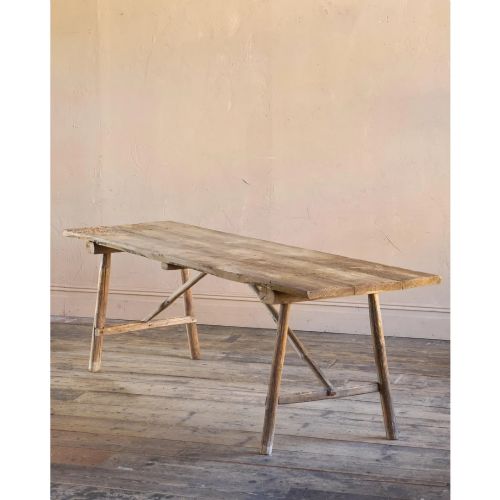
- A wooden table top designed to be aggressively scrubbed clean with water and sand, resulting in a pale, weathered surface texture. This finish is characteristic of nineteenth-century pine kitchen and scullery tables.
- Refectory table
- A long, narrow dining or working table traditionally supported by substantial legs connected by a central longitudinal stretcher. Examples in oak and cherry wood appear frequently across French and English traditions.
- Trestle table
- A table comprising two or more support frames connected across a horizontal beam, holding a loose or fixed plank top. This ancient form provides maximum legroom beneath the working surface.
- Falu paint
- A deep red or reddish-brown paint traditionally utilised in Sweden, composed of copper mine waste and linseed oil. It offers timber surfaces a matte, durable protective coating.
- Bobbin legs
- Furniture supports turned on a lathe to resemble a string of rounded wooden bobbins or spools. This decorative turning style adds architectural detail to nineteenth-century tables.
Antique Farmhouse Table Desk: Frequently Asked Questions
Can I use a farmhouse table as a desk?
These sturdy wooden tables adapt exceptionally well to modern workspaces, offering generous surface areas and substantial legroom. Many examples incorporate convenient drawers for organising stationery and small office supplies.
Their robust construction handles daily computer use and writing tasks while introducing historical warmth to a room. Checking the height from the floor to the underside of the aprons ensures adequate knee clearance for comfortable seating.
How do I care for a scrubbed pine top?
Maintaining a pale scrubbed timber surface involves gentle cleaning with mild soap and damp cloths rather than harsh chemical treatments. Applying a clear beeswax occasionally nourishes the dry wood and protects against accidental spills.
Avoiding excessive moisture prevents warping and preserves the natural texture developed over decades of historical use. Allowing the wood to breathe maintains the matte, authentic appearance valued by collectors.
What is the difference between oak and pine?
Oak is a dense, hard hardwood known for heavy weight, pronounced grain patterns, and exceptional durability in structural framing. Pine is a softer softwood offering a lighter visual weight, frequently found with scrubbed surfaces or painted bases.
While oak tables often present formal refectory or trestle proportions, pine versions typically reflect domestic kitchen and scullery utility. Both timbers age gracefully, acquiring distinct patinas that reflect their nineteenth-century origins.
How do I identify French provincial styles?
French provincial furniture exhibits softer lines, refined leg turnings, and regional fruitwoods or cherry wood rather than heavy British oak. These pieces often display slender proportions suited to domestic spaces outside major urban centres.
Subtle decorative details distinguish them from utilitarian English or Scandinavian equivalents, emphasising domestic elegance alongside practical function. Their lighter wood tones bring warmth and understated character to contemporary interiors.