

Antique Farmhouse Desk
An antique farmhouse desk represents solid utility, built from honest pine, oak, and fruitwood to serve generations of domestic work.
Antique Farmhouse Desk
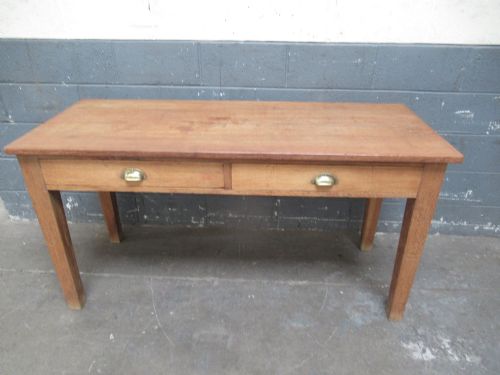
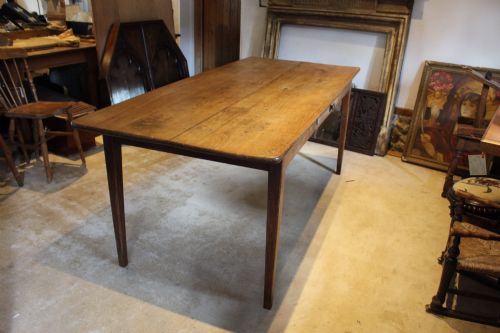
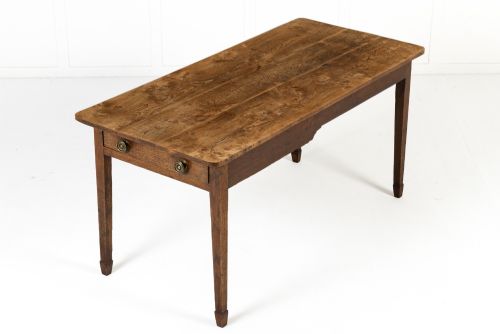
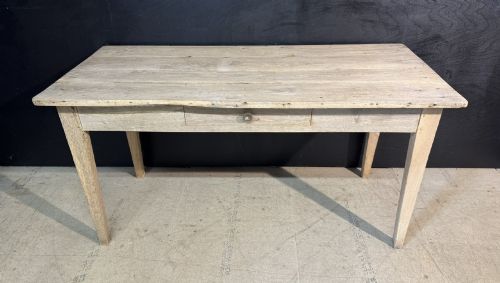
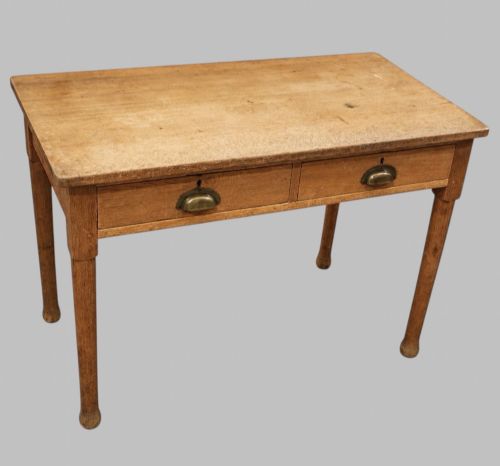
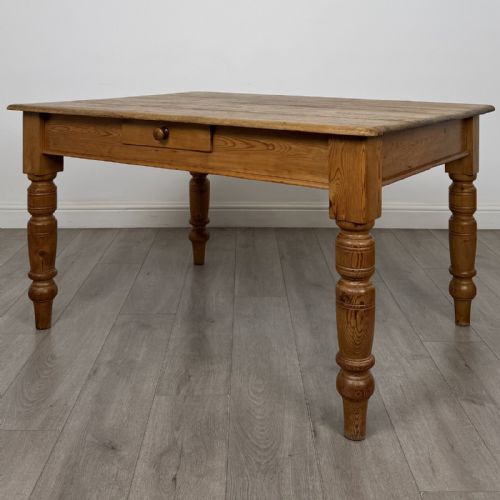
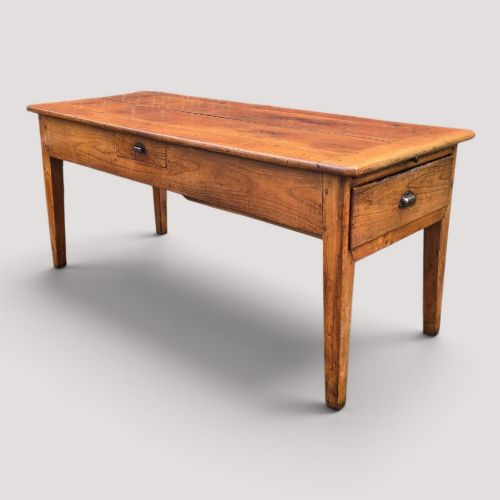
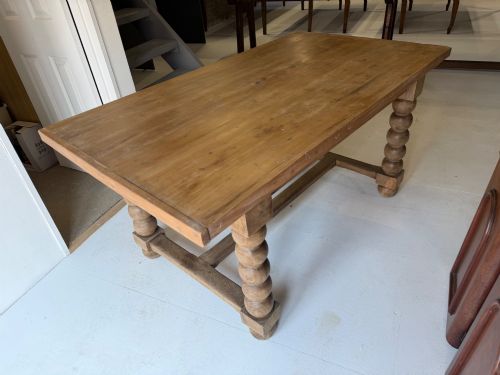
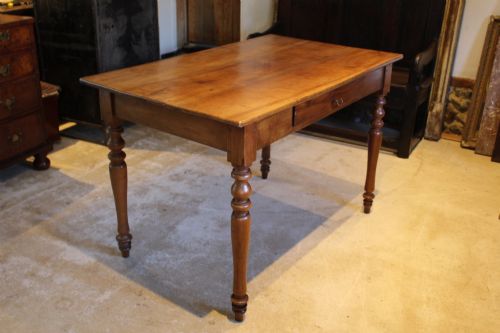
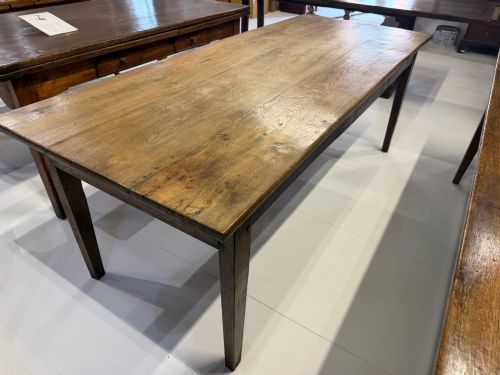
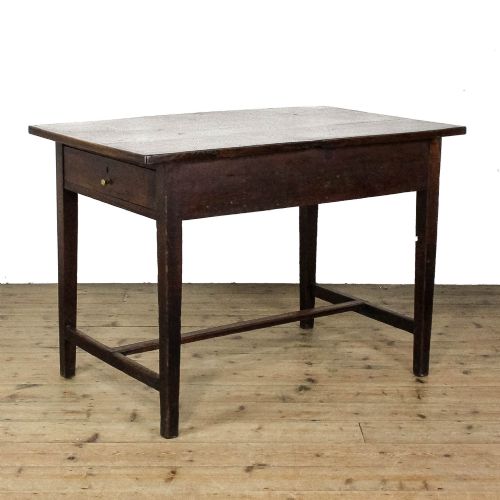
When buyers search for an antique farmhouse desk, they encounter utilitarian tables and work surfaces originating from domestic, scullery, and kitchen contexts rather than formal studies. The examples available span the nineteenth century into the early twentieth century, taking the form of scrub-top tables, prep tables, and tavern tables equipped with functional drawers.
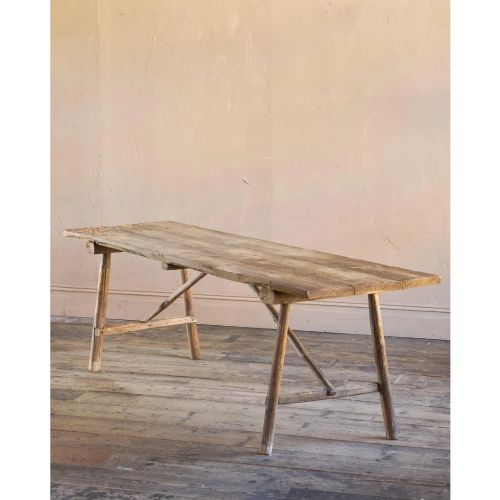
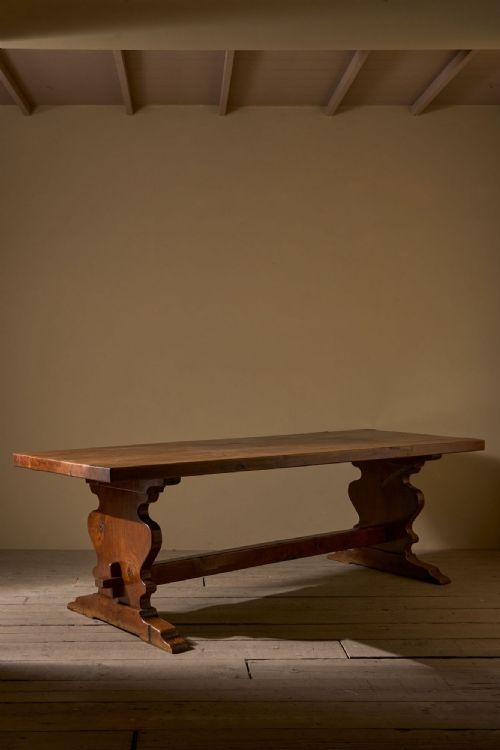
The regional variety runs from English and Welsh oak pieces to French provincial fruitwood and cherry designs, alongside Swedish pine trestle tables. These objects served primary roles in food preparation and daily labour, bringing robust construction and straightforward proportions into modern interiors.
Materials and Construction
Makers relied heavily on domestic timbers such as pine, oak, elm, and beech, supplemented by fruitwoods like cherry and fruitwood for regional variants. Heavy plank tops sat on sturdy frames, often joined with drawers utilising simple wooden runners and substantial iron or brass hardware.
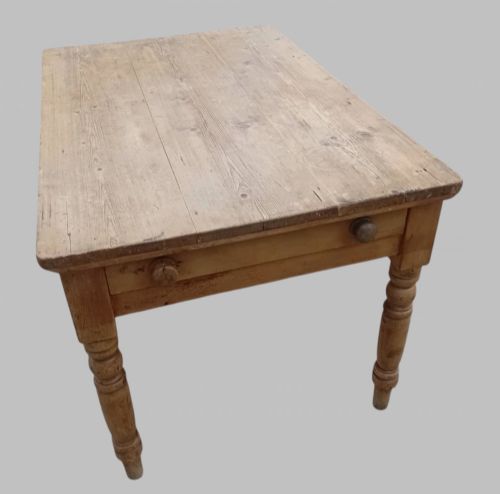
Surfaces show the physical evidence of prolonged use, with scrubbed timber tops left bare for daily scrubbing, while legs and aprons occasionally retain traces of original paint finishes like Swedish Falu red.
Antique Farmhouse Desk Retail Price Guide 2026
Typical asking prices for farmhouse desk among the pieces listed under this phrase on Sellingantiques today, from the lower quarter to the upper quarter. They describe what is for sale here now, not the wider market.
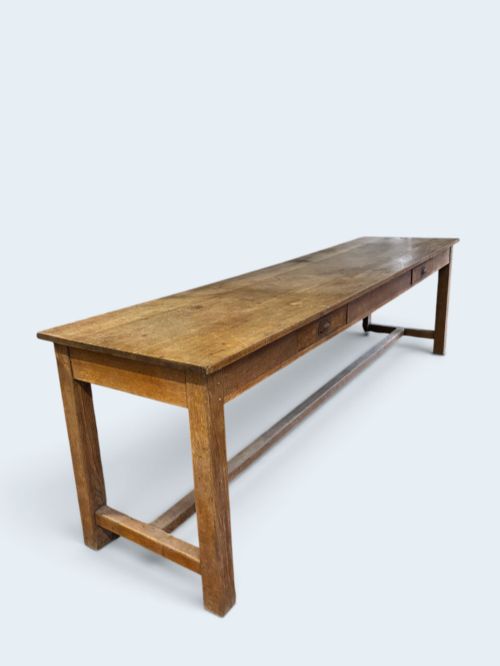
Common structural variations include single or double drawers, bobbin legs, and trestle bases adapted for domestic and tavern utility.
Markers of Quality
Quality rests in the integrity of the timber and the honesty of the construction, where thick plank tops display deep patination earned through decades of work. The proportion of the legs to the top and the presence of original drawers with undisturbed joints elevate certain examples.
Finer pieces maintain their structural bracing without excessive timber replacement, allowing the grain of the oak, pine, or fruitwood to remain the primary visual focus.
The Antique Farmhouse Desk Glossary
- Scrub-top
- A wooden table top left unfinished and pale from repeated scrubbing with soap and water to maintain hygiene.
- Trestle table
- A form featuring a horizontal beam supported by two pairs of sloping legs, providing stability for heavy work.
- Refectory
- A long dining or work table traditionally used in communal halls, characterised by stretcher bases for added strength.
- Fruitwood
- Timber sourced from fruit-bearing trees such as cherry or pear, valued for its fine grain and warm tone.
Antique Farmhouse Desk: Frequently Asked Questions
What distinguishes a farmhouse table from a desk?
Many pieces sold as desks in domestic settings originally functioned as kitchen prep tables, scullery tables, or tavern tables.
They share the same robust wooden construction and utilitarian drawers, making them adaptable for writing and computer work.
How do I care for a scrubbed pine top?
Scrubbed pine surfaces benefit from dry dusting and occasional cleaning with a damp cloth rather than heavy oils or modern varnishes.
Maintaining the dry, pale finish preserves the historic character of the timber.
Are original painted finishes common?
While many tables were stripped down to bare wood over time, some retain original painted legs or body colours.
These surviving coatings offer evidence of regional decoration methods, such as traditional Falu red paint.
How can I tell the period of these tables?
Dating relies on timber selection, hand-cut joinery methods, and the style of the base turned legs or trestles.
Nineteenth-century examples frequently feature heavy plank tops and simple drawer construction without modern metal runners.