

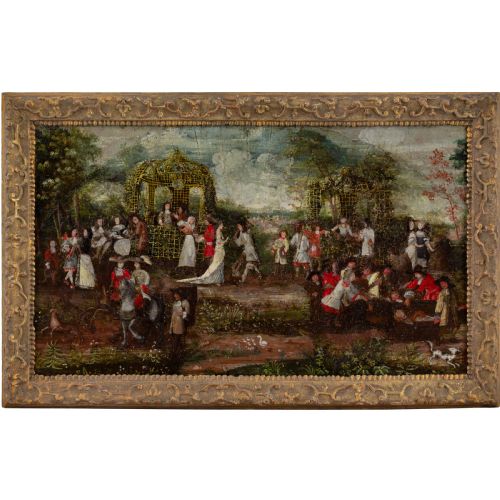
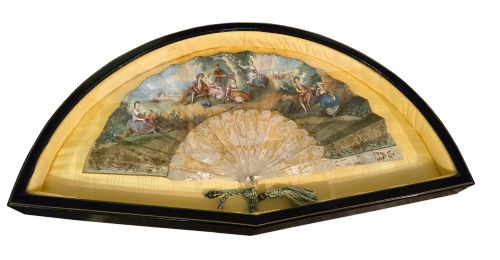
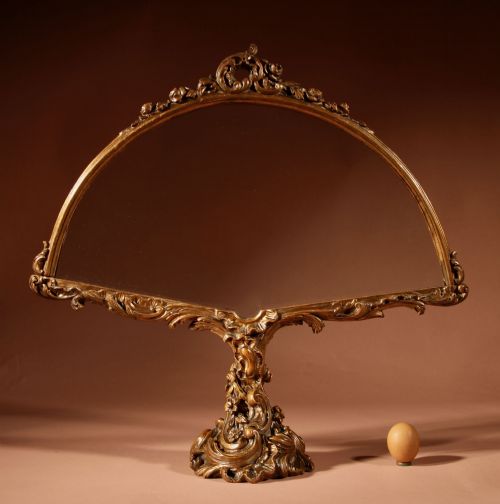


Antique Fan Frame
An antique fan frame protects and displays delicate folding leaves and mounted textiles behind glass.
Antique Fan Frame
When you search for an antique fan frame, you encounter a specialised group of displays designed to preserve mounted leaves, folding fans, and related textiles. These objects include glazed box frames, shadow boxes, and dedicated stands created to exhibit fragile works safely on walls or surfaces.
The pieces appearing on this page span several centuries, drawing heavily upon nineteenth-century examples alongside seventeenth and eighteenth-century items. Alongside traditional wall art housings, the selection includes related decorative objects, display cases, and folding hand fans set within period surrounds.
Makers and artisans housed these delicate items in varied enclosures, ranging from gilded box frames to specialised carved stands. Buyers also find occasional adaptations where fan shapes influence furniture and mirror designs, such as walnut beds and pier wall mirrors.
Materials and construction
Wood serves as a primary structural material, utilising gilt wood, carved details, and walnut to form the perimeter enclosures. Gilding adds a decorative surface layer that catches light, while joinery secures the protective glazing over vulnerable contents.
Paper, silk, and oil on canvas form the delicate internal displays mounted within these enclosures. Artisans painted pastoral, biblical, and garden scenes directly onto these delicate surfaces before sealing them behind protective glass.
Antique Fan Frame Retail Price Guide 2026
Typical asking prices for fan frame among the pieces listed under this phrase on Sellingantiques today, from the lower quarter to the upper quarter. They describe what is for sale here now, not the wider market.
One unexpected Victorian piece encloses taxidermy pigeon feathers rather than a painted paper leaf.
Assessing quality and execution
Quality rests upon the skill of the original carver or gilder who shaped the wooden and metal surrounds. Superior examples display crisp hand-carved details, refined gilding applications, and harmonious proportions that complement the enclosed fan leaf.
The integrity of the protective glazing and the tightness of the box frame construction dictate how well the piece preserves the fragile textile or paper within. Higher-grade mountings ensure the delicate painted or lace components remain undisturbed by environmental shifts.
The artistic merit of the enclosed content, whether an oil painting on canvas or a hand-painted silk leaf, elevates the overall standing of the piece. Masterful execution in the painted scenes aligns with superior craftsmanship in the surrounding display housing.
Alice Fanner
The Antique Fan Frame Glossary
- Fan leaf
- The paper, silk, or parchment portion of a folding fan that bears painted or printed decoration. It is frequently removed from its sticks to be framed flat behind glass.
- Gilt wood
- Wood coated with a thin layer of gold leaf or metallic powder. This finish brightens decorative frames and reflects ambient room light.
- Box frame
- A deep enclosure designed to hold three-dimensional objects or mounted textiles away from the front glass. It provides necessary clearance for delicate items.
- Mother-of-pearl
- The iridescent inner layer of mollusc shells, utilised for both fan ribs and decorative frame inlay. Its natural sheen adds texture to the piece.
- Flemish Baroque
- An artistic style originating in Flanders during the seventeenth century, characterised by robust forms and dramatic painterly compositions. Pieces from this tradition often depict rich narrative scenes.
Antique Fan Frame: Frequently Asked Questions
How were antique fan frames used?
These frames protected fragile folding fans and painted leaves from dust, handling, and moisture. Displaying them on walls allowed owners to showcase delicate artworks safely.
Over time, mounting fans behind glass became a standard method for preserving textiles and paper items that deteriorated with regular handling.
What materials make up these frames?
Builders relied on timber such as gilt wood, walnut, and oak to construct the main structural housings. Metal components and mother-of-pearl added decorative contrast to the outer edges.
Glass fronts provided essential visibility while sealing the interior environment against atmospheric dust and physical damage.
How do I date an antique frame?
Stylistic indicators such as French Rococo curves or Regency joinery methods help establish the period of creation. Material analysis of the backing boards and glass type also provides chronological clues.
Comparing the construction techniques with dated examples in historical records narrows down the decade of manufacture.
Can I replace the fan inside?
Original mountings are typically tailored to the exact dimensions of a specific fan leaf or painted textile. Altering the interior risks damaging both the fragile contents and the historic housing.
Collectors generally keep the original pairing intact to preserve the historical integrity of the assembled object.