
Antique Extension Conference Table
An antique extension conference table offers remarkable versatility and grand proportions for boardroom seating through mechanisms developed across the nineteenth century.
Antique Extension Conference Table
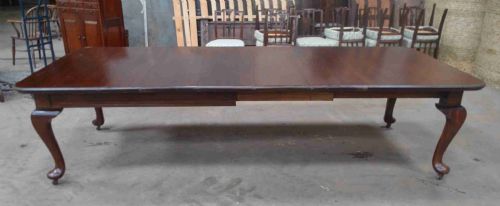
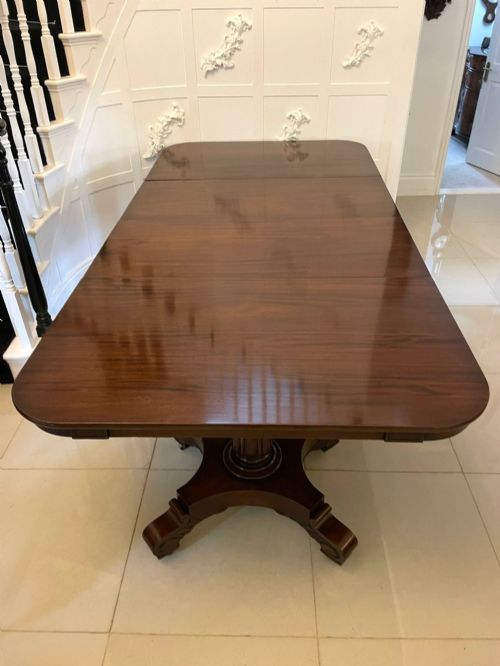
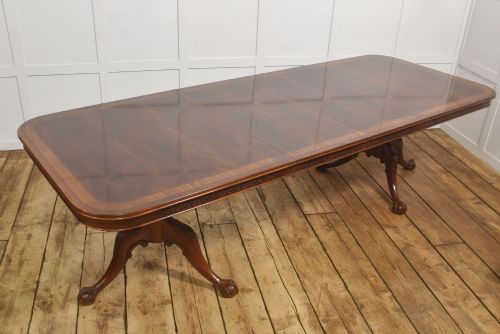
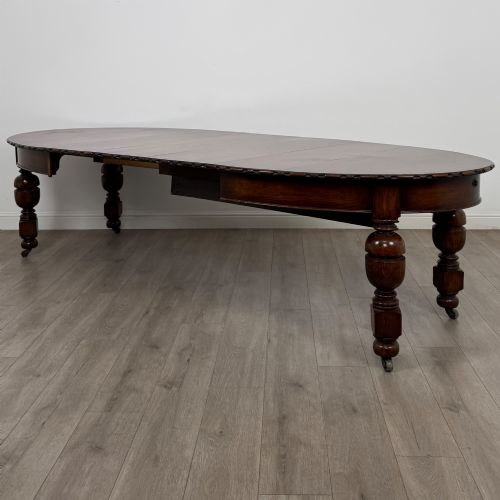
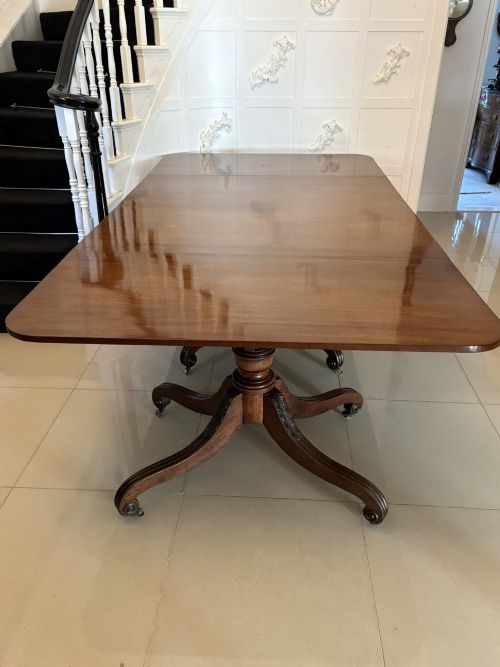
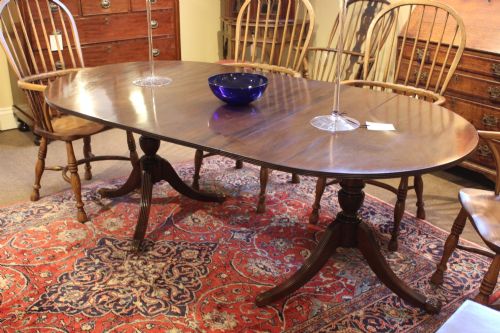
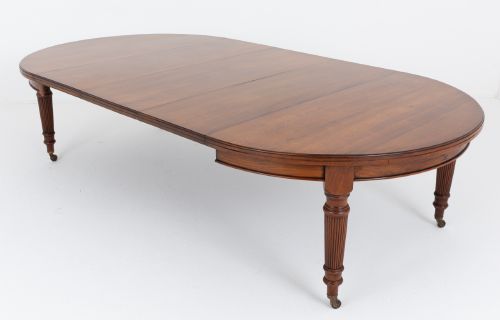
When you search for an antique extension conference table, you examine large timber dining pieces adapted for boardroom use through multiple leaves and sturdy pedestal bases. These listings consist primarily of nineteenth-century formats originally built for large gatherings.
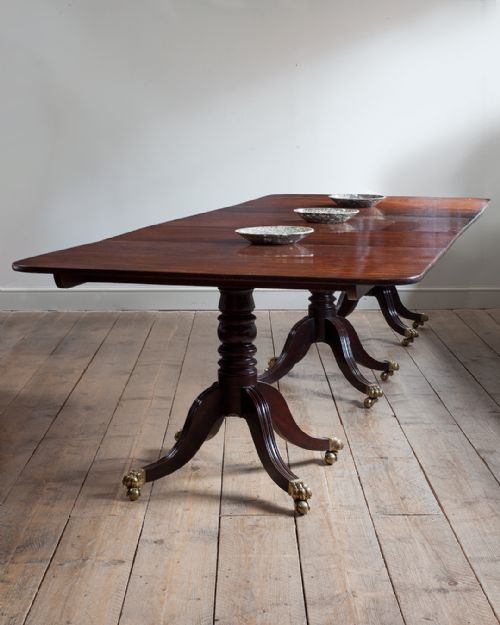
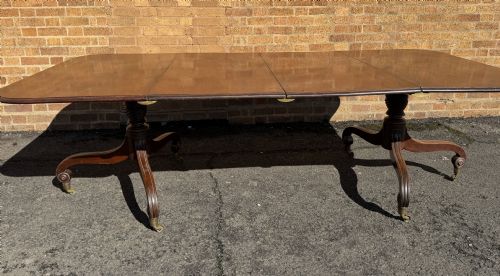
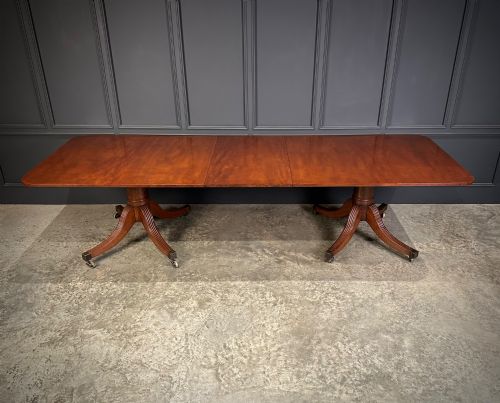
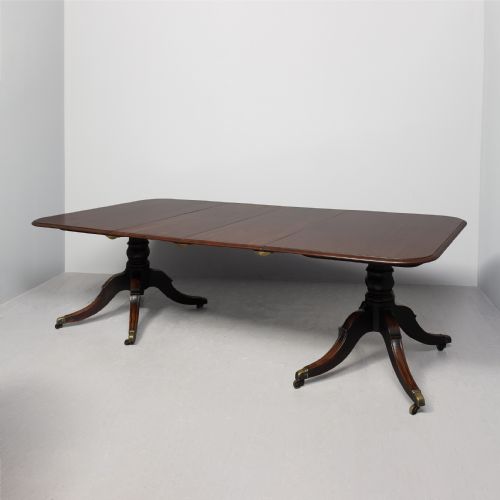
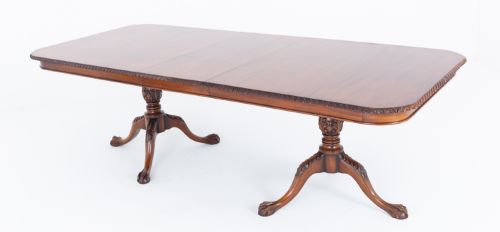
The most common formats on this page include twin-pillar and triple-pedestal layouts in mahogany, often accompanied by extra leaves that expand the timber surface significantly. Makers from the Regency, Victorian and Edwardian eras engineered these surfaces to accommodate large numbers of people.
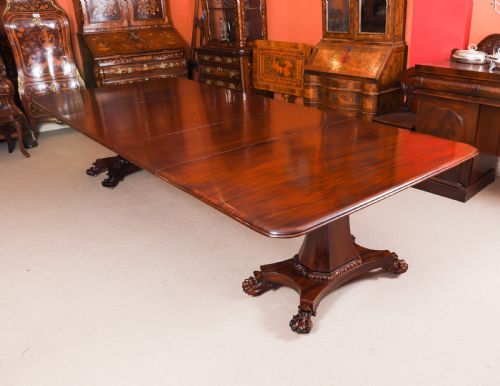
Grand proportions dominate the selection, with several examples spanning twelve feet or more to seat sixteen to twenty-six guests. George III, George IV and William IV periods provide robust frameworks suited to continuous professional deployment.
Materials and construction methods
Mahogany serves as the primary timber across the majority of these listings, chosen for its dense grain and stability over long spans. Walnut, oak, rosewood and satinwood appear in specific pieces, complemented by brass castors and metal winding mechanisms.
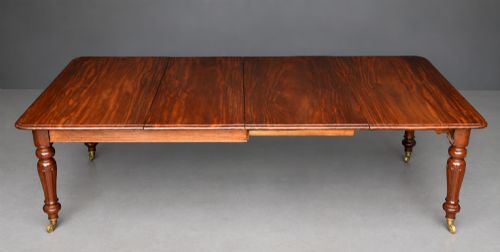
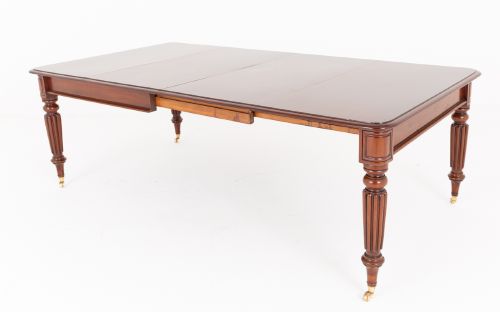
Pedestal configurations, including twin, triple and four-pillar designs, support the heavy timber tops while allowing room for chairs. Original leaves slot into central sections, adjusted by internal wind-out systems developed during the nineteenth century.
Several monumental tables here stretch long enough to seat twenty-six diners, requiring an entire team just to manage the leaves.
Distinctions in craftsmanship and scale
The division between standard workshop production and superior output rests in timber selection and mechanical precision. Figured mahogany tops and substantial multi-pedestal supports indicate higher workshop ambition than simple single-pillar formats.
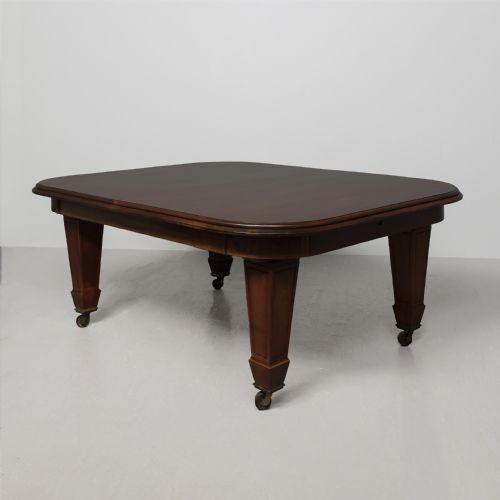
The presence of numerous original leaves and integrated wind-out mechanisms dictates utility and historical integrity. Pieces retaining their full set of matching leaves demonstrate greater original conception than those altered later.
Gillows
The Antique Extension Conference Table Glossary
- Pedestal
- A central column support resting on splayed legs, usually fitted with brass castors. This design permits maximum legroom around large dining surfaces.
- Wind-out
- A mechanical extension system operated by a handle that turns an internal screw mechanism. It separates the table halves evenly to receive insertion leaves.
- Leaf
- A removable section of timber inserted into the centre of an extending table. Extra leaves alter the overall length to accommodate varying numbers of people.
- Figured mahogany
- Timber exhibiting distinctive grain patterns such as flame or curl. Cabinet makers selected these boards for prominent display surfaces.
- Twin pillar
- A table base configuration utilising two separate pedestals placed beneath the main top. It provides stability for extended rectangular surfaces.
Antique Extension Conference Table: Frequently Asked Questions
How do wind-out tables work?
Wind-out mechanisms utilise a removable handle inserted into the side apron. Turning this handle operates an internal screw mechanism that draws the table halves apart evenly.
This movement creates the aperture required to drop in matching timber leaves. Once fully extended, brass clips or brass pins secure the joint.
What timber was used most often?
Mahogany forms the vast majority of these large tables due to its strength and rich grain. Cabinet makers relied on its stability when constructing surfaces intended to span twelve feet or more.
Oak, walnut and rosewood also appear occasionally across Victorian and Edwardian examples. These alternative timbers introduced varied colour and distinct grain patterns to formal rooms.
How many people do they seat?
Seating capacity ranges from ten guests up to twenty-six individuals depending on the number of original leaves. Four-pedestal formats offer the expansive length required for very large gatherings.
Shorter twin-pillar versions generally accommodate ten to twelve people comfortably. The addition of multiple leaves allows the footprint to expand as needs change.
How do I identify a Regency table?
Regency tables typically date from the early nineteenth century and feature classical proportions with turned pillars. Brass castors and reeded edges often accompany the dark mahogany surfaces.
Later revival pieces replicate these distinct aesthetic markers from the Regency period. Examining the internal joinery and timber oxidation helps confirm the original manufacturing date.