



Antique Extending Dinner Table
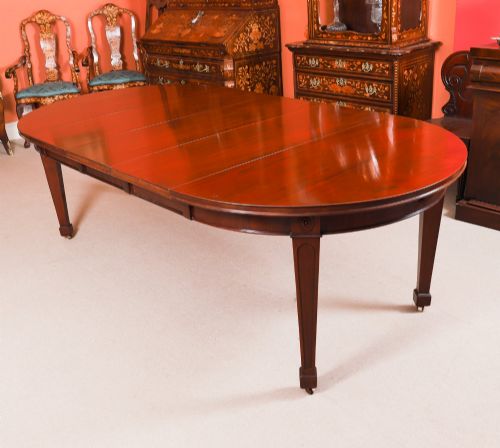
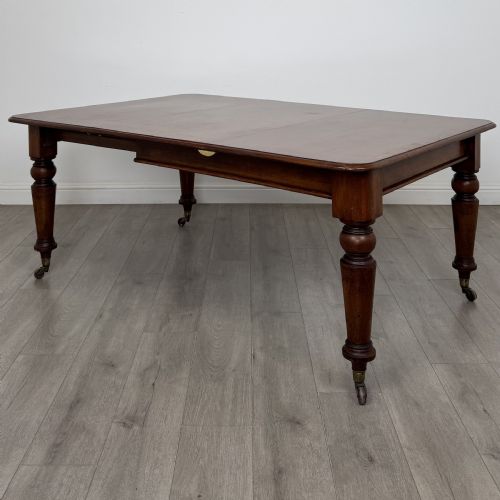
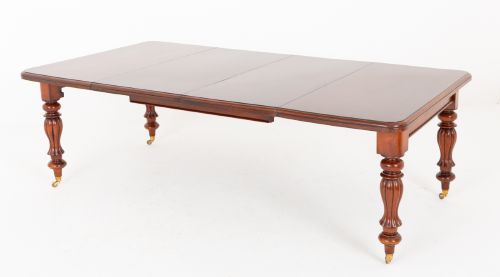
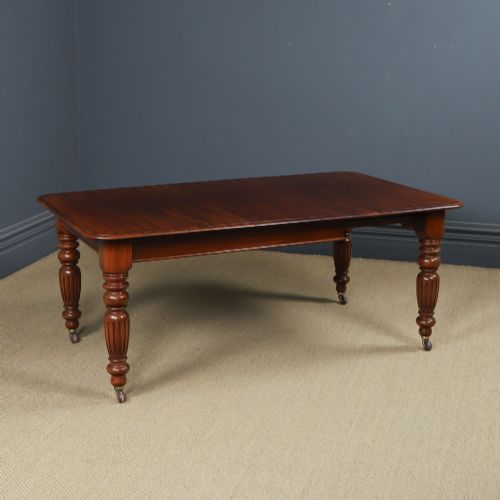
An antique extending dinner table brings solid timber and clever winding mechanisms together to seat a large party without fuss.
Antique Extending Dinner Table
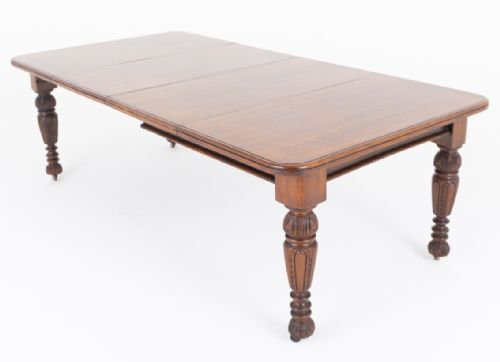
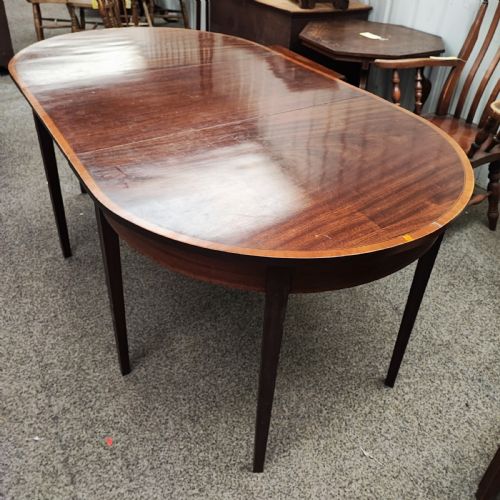
The styles range from the clean lines of the Regency period to heavily carved Victorian designs and Edwardian interpretations. Many of these tables rely on extra leaves that insert into the middle, supported by winding mechanisms or sturdy pull-out runners.
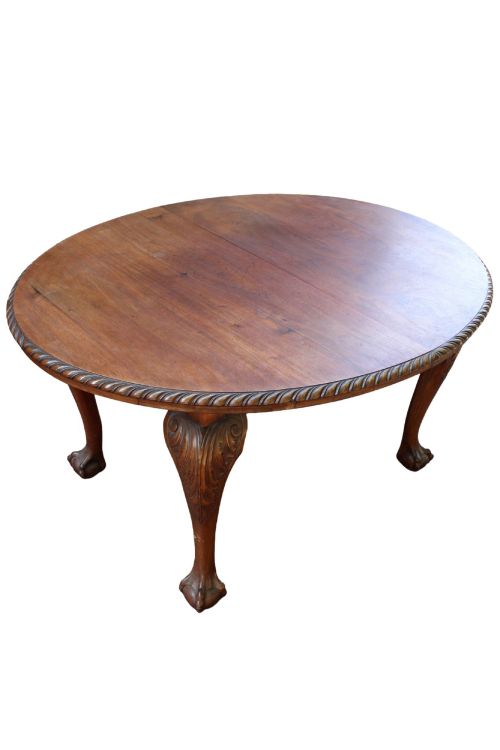
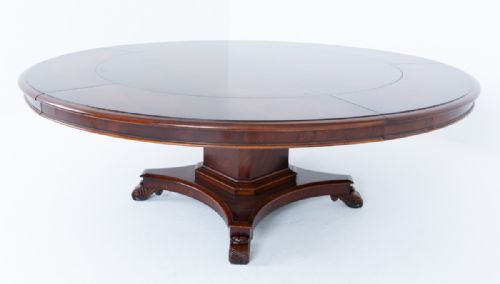
Tables stretch from modest six-seater formats up to grand fifteen-foot dining tables capable of accommodating twelve or more people. The heavier William IV and Victorian iterations often feature robust pedestal bases or carved legs with ball and claw detail.
Judging the quality
Quality rests heavily on the timber selection, such as figured mahogany, and the precision of the extending mechanism. Superior pieces maintain a level surface across all inserted leaves without dipping at the joints.
Carving detail on the legs and the presence of original winding handles or matching extra leaves elevate a piece significantly. Better examples also retain smooth running tracks and solid brass castors that move without binding.
Mahogany dominates the material list, appearing alongside oak, walnut, and satinwood inlay across the nineteenth-century and Edwardian selections.
Waring and Gillow
The Antique Extending Dinner Table Glossary
- Extension leaf
- A removable timber panel inserted into the middle of the table to increase its overall length. These boards must match the grain and colour of the main top.
- Wind-out mechanism
- A geared internal screw system operated by a handle to pull the table halves apart. This allows a single person to open the frame smoothly.
- Pedestal base
- A central column support resting on splayed legs rather than four corner posts. This design maximises legroom for diners seated along the sides.
- Figured mahogany
- Timber showing distinctive wavy or mottled grain patterns prized for decorative surfaces. Cabinet makers reserved this wood for prominent tabletops.
- Castor
- A small wheel fitted to the bottom of each table leg to ease movement across the floor. Brass sockets often house these wheels on nineteenth-century tables.
Antique Extending Dinner Table: Frequently Asked Questions
How do I operate the extending mechanism?
Most nineteenth-century tables utilise a winding handle inserted into the side apron to drive an internal screw gear. Turning the handle separates the two main halves evenly.
Once the gap opens wide enough, you drop the extra timber leaves into place and wind the table back together to secure them tightly.
Will an antique table seat twelve people comfortably?
Larger formats, particularly grand William IV and Victorian examples stretching up to fifteen feet, easily accommodate ten to twelve guests. Review the listed seating capacity and leaf count to confirm the maximum length.
Pedestal bases often provide better legroom for large groups than tables with four fixed corner legs.
How do I care for a mahogany dining top?
Protect the timber surface from direct heat and moisture by using mats under hot dishes and drinks. Polish the wood periodically with traditional beeswax to maintain the finish.
Avoid placing the table in direct sunlight to prevent uneven fading of the rich mahogany grain over time.
How can I tell the Victorian period from Regency?
Regency tables typically display restrained classical lines, brass inlay, and sweeping pedestal supports reflecting early nineteenth-century neoclassical tastes. Victorian pieces lean toward heavier proportions, darker woods, and more elaborate carved details like ball and claw feet.
Examining the leg style, timber choice, and construction clues helps date the piece accurately.