





Antique European Porcelain
Antique european porcelain encompasses hard-paste ceramic figures, plates and garniture sets from continental kilns that bring historical charm to any interior.
Antique European Porcelain
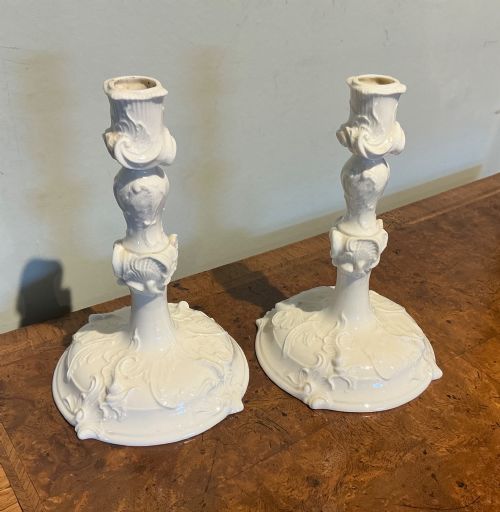
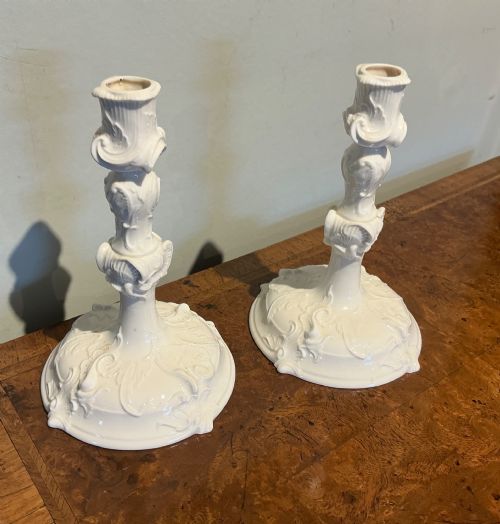
These items comprise sculptural figures, cabinet plates, chargers and wall art originating from continental kilns across the eighteenth, nineteenth and early twentieth centuries. When exploring antique european porcelain, collectors most frequently encounter nineteenth-century German figures and Meissen tablewares alongside Vienna chargers and Nymphenburg candlesticks.
The selection ranges from early Rococo groups and Neoclassical cabinet pieces to later Revival styles and Art Deco creations. Formats span functional vessels such as chocolate cups and punch bowls to purely decorative garniture sets and wall plaques.
How they were made
Workshops utilised hard-paste porcelain clay bodies shaped by hand or cast in moulds, fired at high temperatures to achieve a dense, vitrified structure. Artisans then applied enamel paints, glaze and gold leaf highlights or gilding before secondary firings.
Painters and modellers drew on historical motifs, utilising hand-painted techniques to render pastoral scenes, classical figures and floral arrangements across plates, plaques and sculptural groups.
Antique European Porcelain Retail Price Guide 2026
Typical asking prices for european porcelain among the pieces listed under this phrase on Sellingantiques today, from the lower quarter to the upper quarter. They describe what is for sale here now, not the wider market.
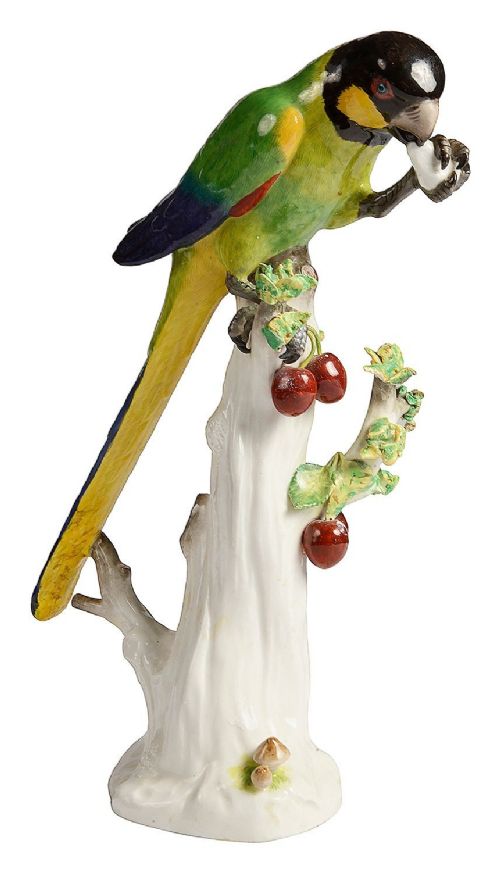
Several Meissen parrots sit perched permanently on tree trunks, requiring neither feed nor water.
What varies in quality
Quality rests upon the precision of the modelling and the execution of the hand-painting, where finely rendered facial expressions and crisp enamel details distinguish superior works. Pieces bearing distinct factory marks from major houses generally demonstrate higher standards of artistic oversight.
The sophistication of the gilding and the delicacy of applied elements such as lace or foliage further separate standard production items from exceptional cabinet pieces.
Meissen·Nymphenburg·Royal Vienna·Ludwigsburg·Karl Tutter·Royal Dux
The Antique European Porcelain Glossary
- Hard-paste porcelain
- A durable ceramic composition fired at high temperatures using kaolin and petuntse. This material forms the solid foundation for most continental decorative figures and plates.
- Garniture set
- A matched group of ornamental vases or vessels designed for display on a mantelpiece or sideboard. These symmetrical arrangements typically comprise three or more matching ceramic pieces.
- Cabinet plate
- A decorative ceramic plate intended for display in a cabinet or on a wall rather than for dining use. These pieces often feature elaborate hand-painted scenes or gilt borders.
- Gilding
- The application of gold leaf or powdered gold to the surface of porcelain. This decorative technique highlights rims, handles and sculptural details.
- Enamel
- A vitrescible composition applied to fired porcelain to add colour before subsequent kiln firing. Enamels provide the vibrant hues seen on figurative groups and painted plaques.
Antique European Porcelain: Frequently Asked Questions
How do I clean antique porcelain?
Dust surfaces gently with a soft, dry brush to remove particles without disturbing delicate enamel or gilt details.
Avoid immersing pieces in water, particularly items with cold-painted decoration or exposed clay bodies.
Where were these porcelain pieces made?
Kilns operated across continental Europe, with major production centres located in Germany and Austria.
Prominent manufacturing towns included Meissen, Vienna and Munich.
How do I identify factory marks?
Turn the piece over to inspect the base for underglaze blue crossed swords, shields or impressed numerals.
Reference specialised ceramic guides to match specific painted symbols and impressed ciphers to their historical kilns.
How should I display cabinet plates?
Mount plates securely using padded wall hangers designed specifically for porcelain to prevent rim abrasion.
Keep displays away from direct sunlight to protect hand-painted enamel colours from fading over time.