





Antique Ethnic Art
Antique ethnic art brings together centuries of global craftsmanship, offering textured textiles and carved objects shaped by nomadic and indigenous traditions.
Antique Ethnic Art
When searching for antique ethnic art, buyers encounter a diverse range of objects originating from Central Asian, Middle Eastern, African, and indigenous communities. The selection spans utilitarian items transformed by culture, ceremonial dress, and interior furnishings created for domestic spaces or tribal rituals.
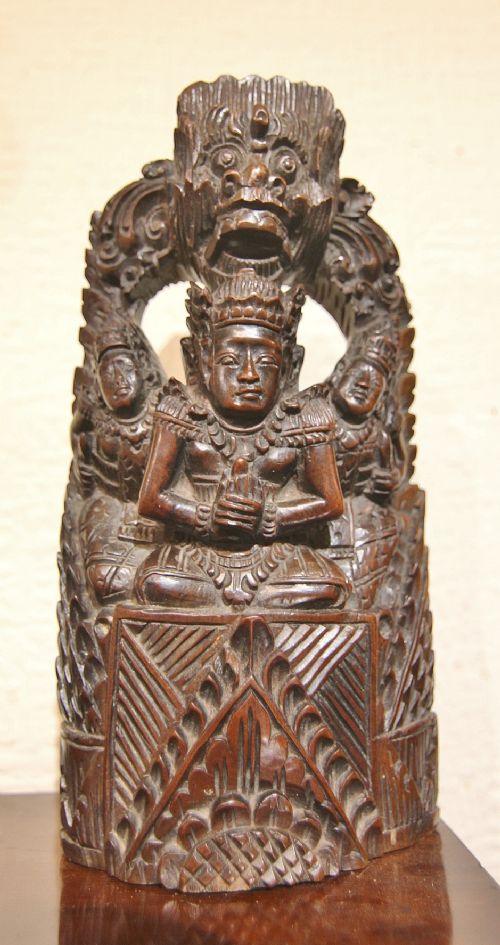
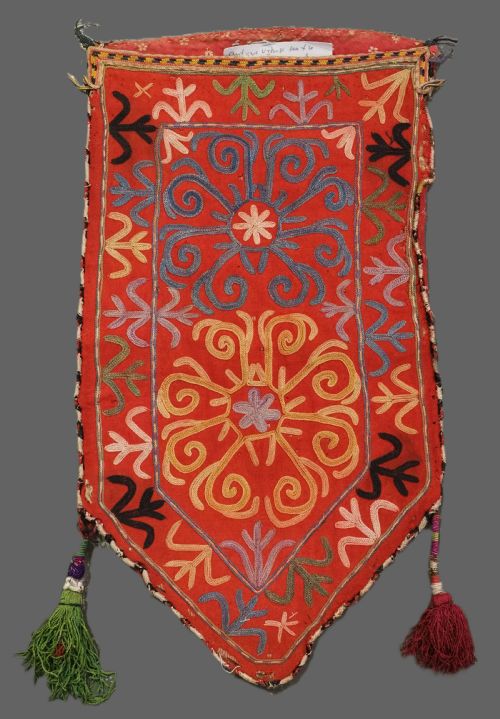
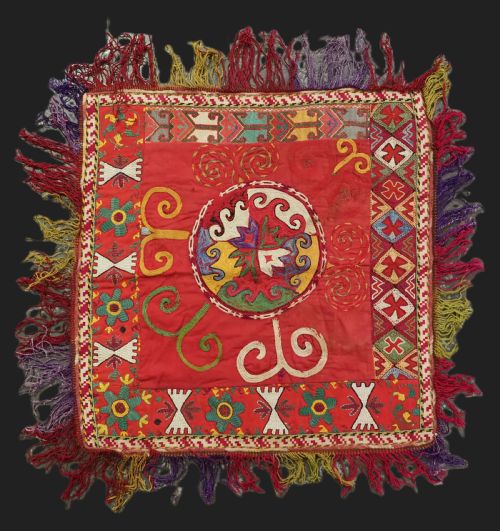
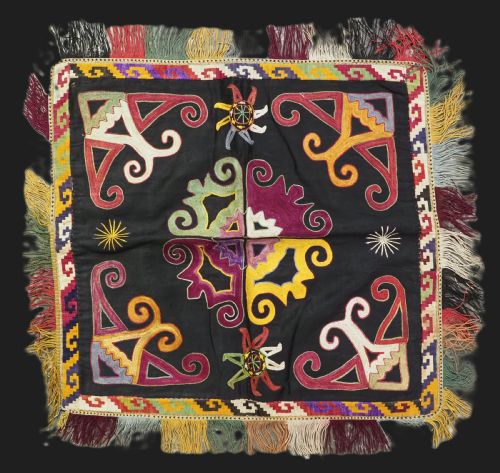
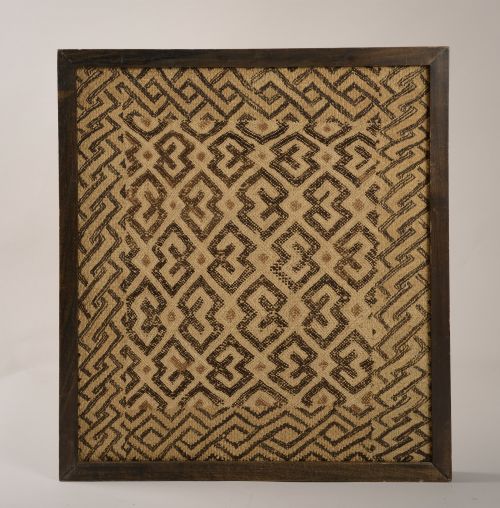
Textiles form a major category on this page, featuring embroidered wall hangings, dowry pieces, and ceremonial coats worked in cotton, wool, and silk. Alongside these fabric works, shoppers find carved wooden panels, hardwood weaponry, bone pendants, and framed metal artefacts.
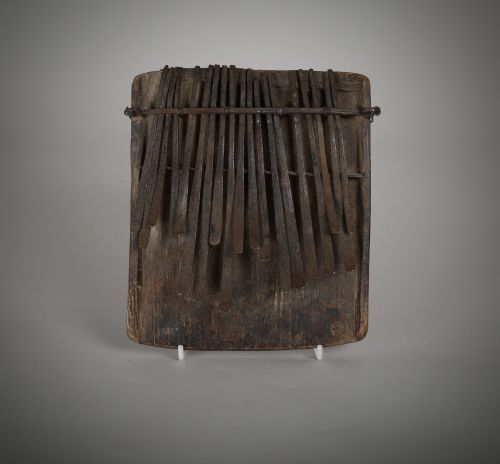
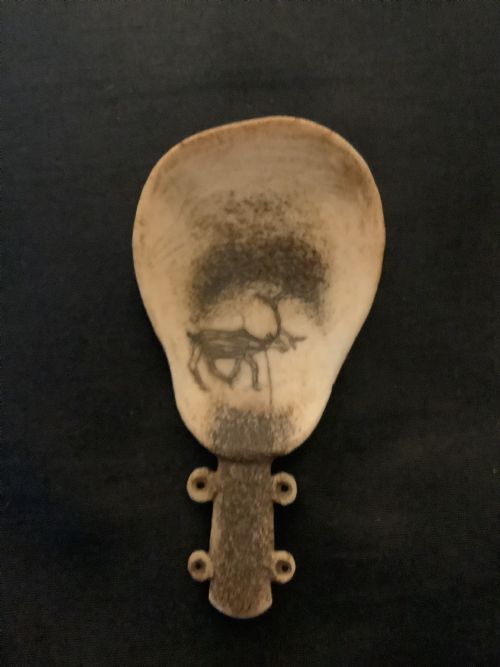
Central Asian tribal pieces feature prominently, particularly Turkmen bags and Uzbek embroideries produced across the nineteenth and early twentieth centuries. Southern African wooden items and Inuit artefacts sit alongside pieces from Indonesian and Indian makers, completing a geographically varied inventory.
Materials and construction
Makers utilised locally sourced organic materials, transforming raw cotton, wool, and silk into complex embroidered textiles using dense needlework techniques. These fabrics often display vibrant dyes applied to hand-loomed grounds, creating durable wall hangings and ceremonial garments intended to withstand generations of use.
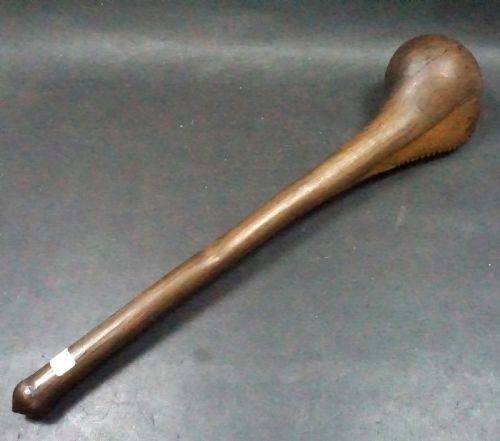
Carved pieces rely on dense timbers such as hardwood, alongside organic media including bone and antler. Artisans shaped these rigid materials using hand tools to produce functional items like knobkerries, spoons, and architectural doors bearing deep relief carving.
Metalworking techniques appear in framed tribal artefacts, incorporating silver repousse work to mount objects such as daggers securely. These varied construction methods reflect the practical resources available to nomadic groups and settled tribal communities alike.
Antique Ethnic Art Retail Price Guide 2026
Typical asking prices for ethnic art among the pieces listed under this phrase on Sellingantiques today, from the lower quarter to the upper quarter. They describe what is for sale here now, not the wider market.
Materials documented across the inventory include silk, cotton, wool, hardwood, glass, bone, and general textiles.
Distinctions in quality
Quality in these pieces rests upon the precision of the handwork and the integrity of the design layout. Finer textiles exhibit tighter needle tension, more complex geometric or figurative layouts, and well-preserved dyed threads that retain their original visual strength.
For carved objects, excellence shows in the depth and clarity of the chisel work, the handling of anatomical or abstract motifs, and the presence of an authentic patination developed through handling and age. Pieces showing deliberate proportion and confident carving stand apart from simpler utilitarian items.
The Antique Ethnic Art Glossary
- Suzani
- An embroidered tribal wall hanging originating from Central Asia, typically worked in silk on a cotton ground. These large panels were traditionally produced as part of a bride's dowry.
- Torba
- A small ornamental bag used by nomadic tribes in Central Asia for storage inside a tent or yurt. They often feature intricate geometric patterns woven in wool.
- Ikat
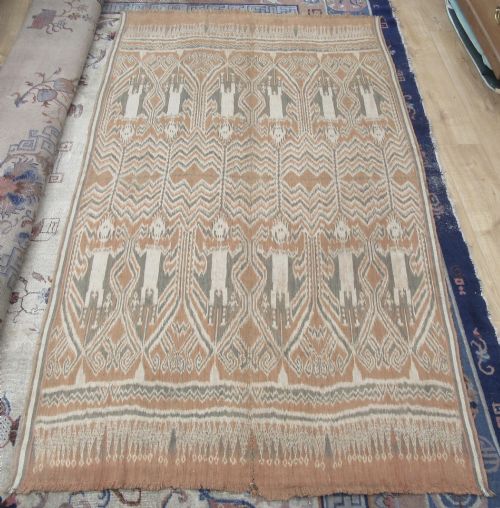
- A dyeing technique where warp or weft threads are tie-dyed before weaving to create distinctive feathered pattern edges. Panels produced this way were utilised for wall hangings and domestic decoration.
- Jambiya
- A traditional curved dagger originating from the Middle East and worn on a belt. Specimens are frequently mounted within framed displays as ethnographic art.
- Knobkerrie
- A traditional Southern African wooden club featuring a heavy knob at the striking end. These items served as both functional weaponry and symbols of status.
Antique Ethnic Art: Frequently Asked Questions
How do I hang antique textiles safely?
Heavy embroidered panels and wall hangings require even weight distribution to prevent distortion of the fabric fibres. Professional framers often use conservation-grade stitching to mount textiles onto a padded, fabric-covered backing board.
Direct sunlight fades natural dyes rapidly, so position these pieces away from windows and bright spotlights. Gentle rotation and regular dusting with a soft brush help maintain the condition of silk and wool surfaces over time.
What is a tush kyiz?
A tush kyiz is a large, elaborately embroidered wall hanging traditionally made by Kyrgyz women to commemorate the marriage of a son or daughter. These pieces feature dense needlework depicting floral motifs, plants, and symbolic local objects.
Historically hung inside the traditional yurt, they served as both decorative centrepieces and expressions of familial prosperity. Their bright silks and intricate borders make them striking focal points in modern interiors.
How are tribal wooden objects cleaned?
Carved wooden artefacts and furniture require minimal intervention to preserve their historic surface finish and accumulated patina. Dusting with a dry, lint-free cloth prevents particle buildup without disturbing the underlying timber.
Avoid liquid cleaners, silicones, and modern waxes, which can penetrate porous historic woods and alter their appearance permanently. If dryness is apparent, consult a conservator regarding appropriate micro-crystalline waxes designed for antique wood.
How do I identify nomadic weaving origins?
Tribal attributions rely on specific structural traits, colour palettes, and characteristic motif libraries associated with particular groups like the Yomut, Teke, or Lakai. Examining the weave density, backside finishing, and wool quality provides key clues to geographic provenance.
Reference literature detailing regional Central Asian or Middle Eastern textiles helps match specific patterns to their producing tribes. Comparing structural quirks often confirms whether a piece hails from a specific steppe or mountain region.