

Antique Etching Print
When you examine an antique etching print, you hold a piece of history captured in ink on paper through centuries of skilled handiwork.
Antique Etching Print
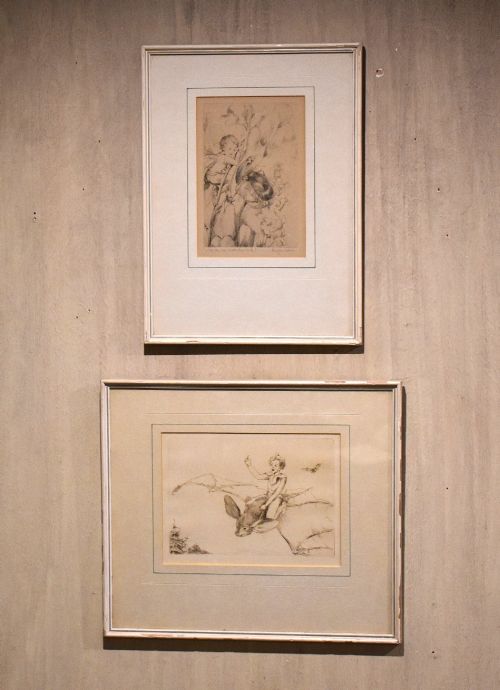
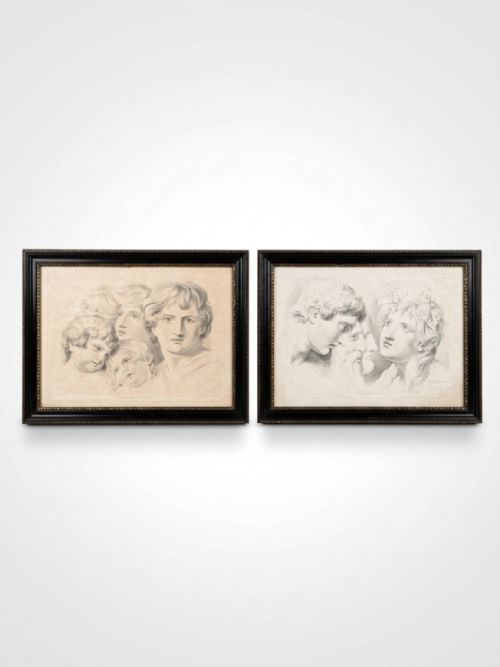
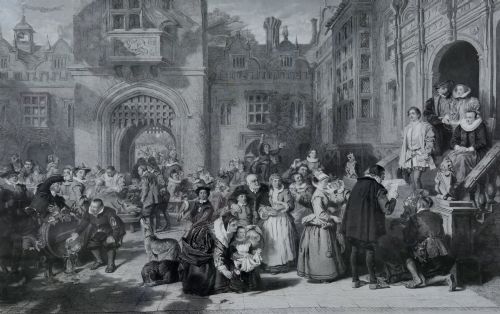
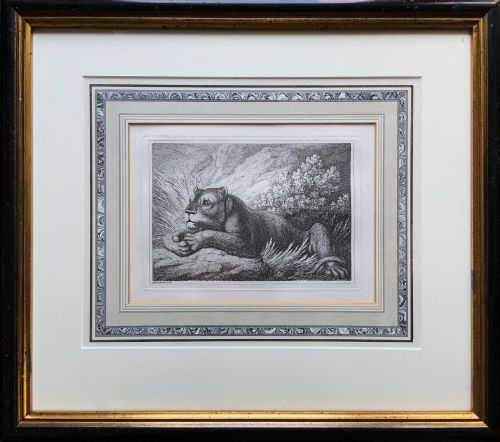
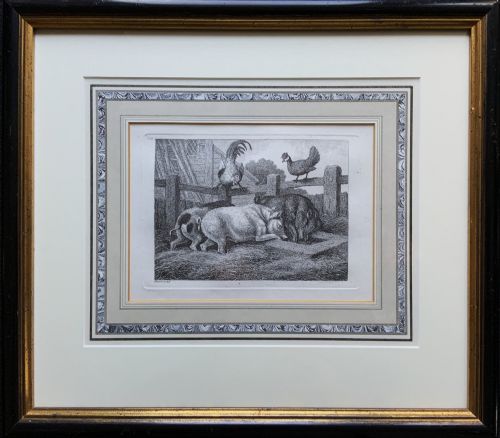
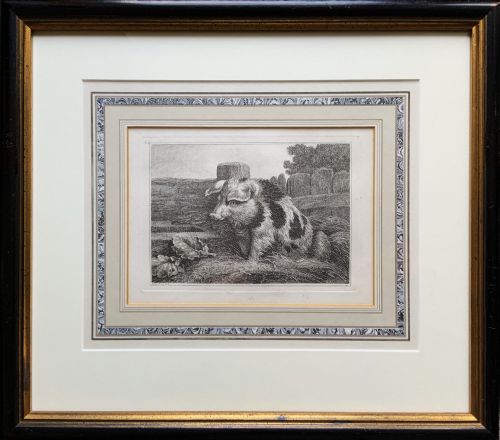
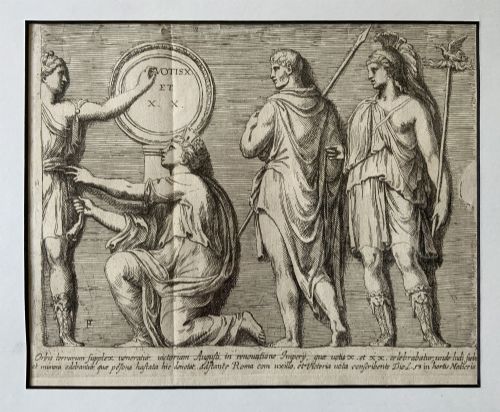
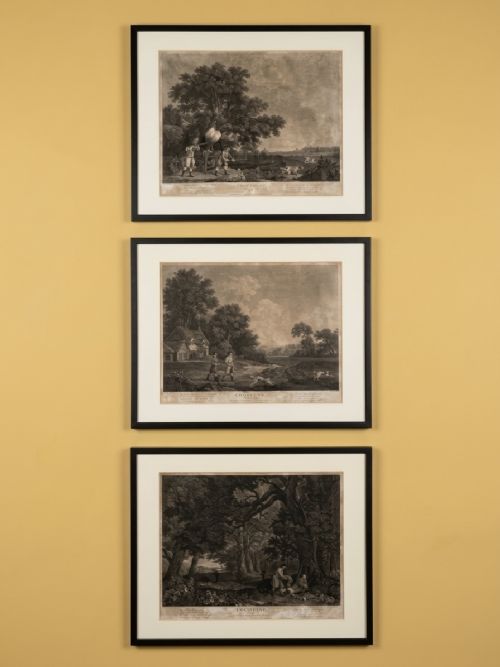
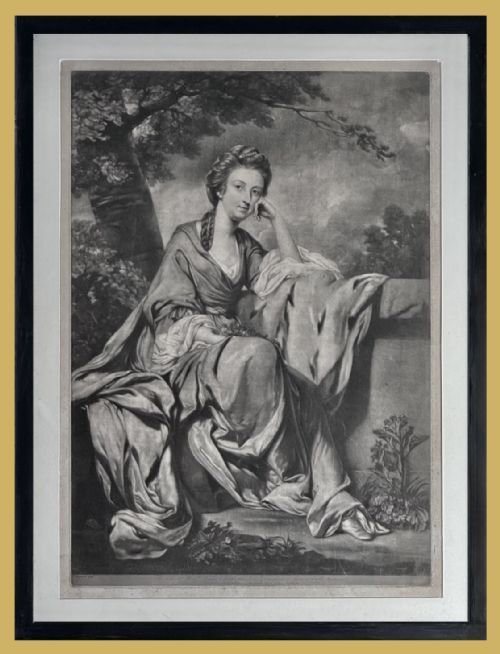
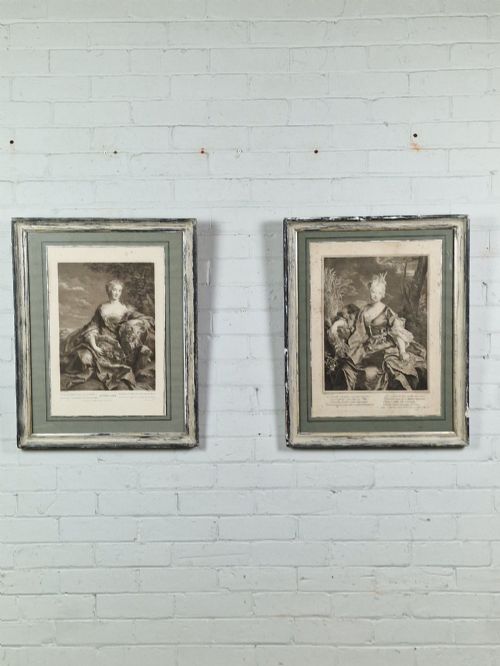
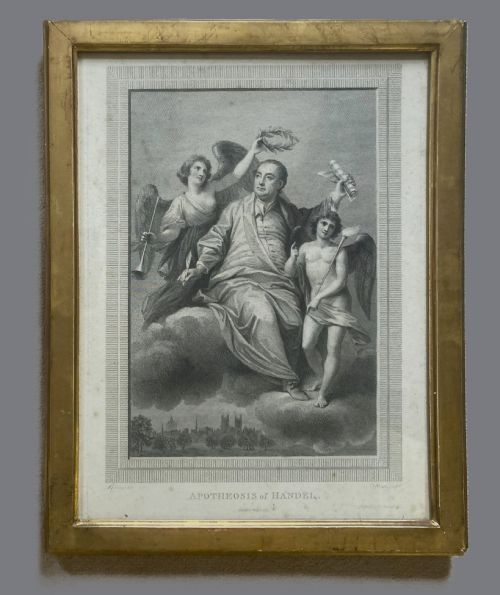
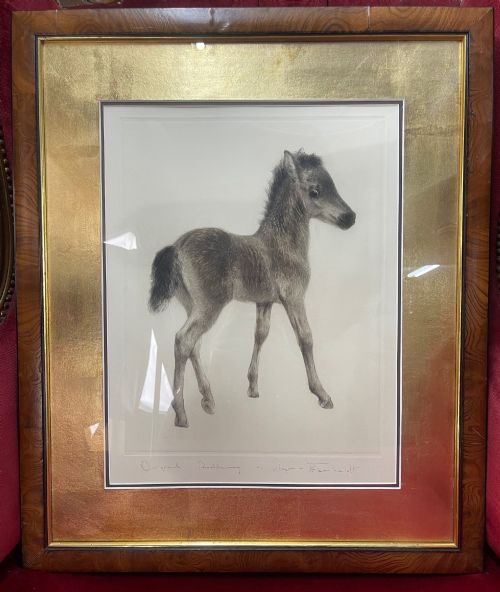
An antique etching print encompasses works on paper ranging from the seventeenth century through to the early twentieth century, taking forms such as framed art, wall displays, and individual prints and engravings. You will frequently encounter portraits, classical scenes, and animal studies produced during the Victorian, Georgian, and Edwardian eras.
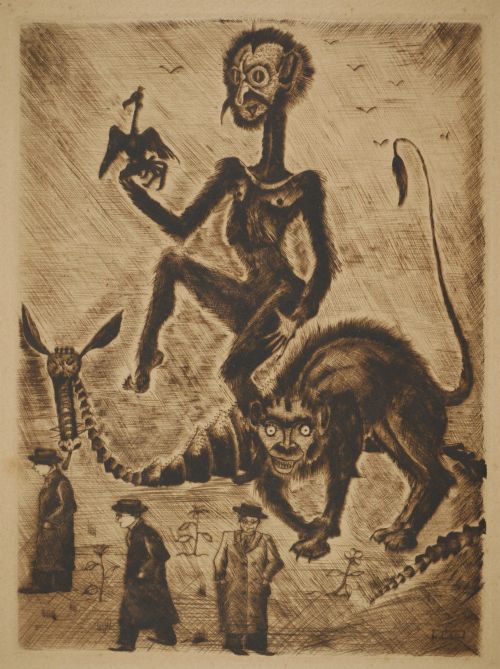
The selections span Dutch Golden Age interpretations, French neoclassical compositions, and early twentieth-century artist proofs. Pieces often arrive preserved in period surrounds like oak frames or gilt wood, reflecting the decorative tastes of their respective centuries.
How they were made
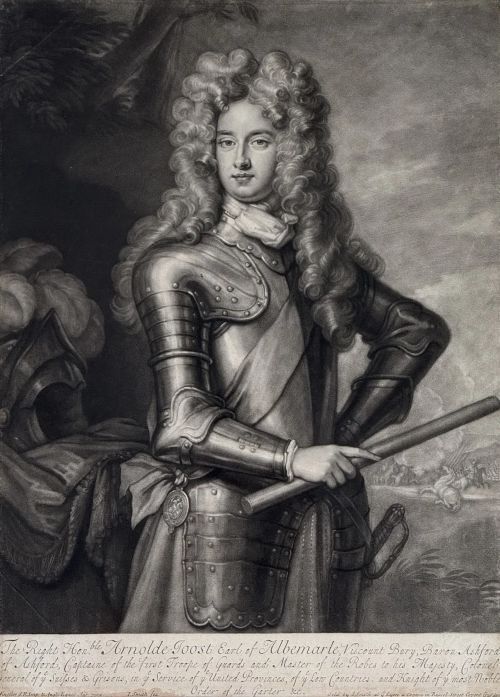
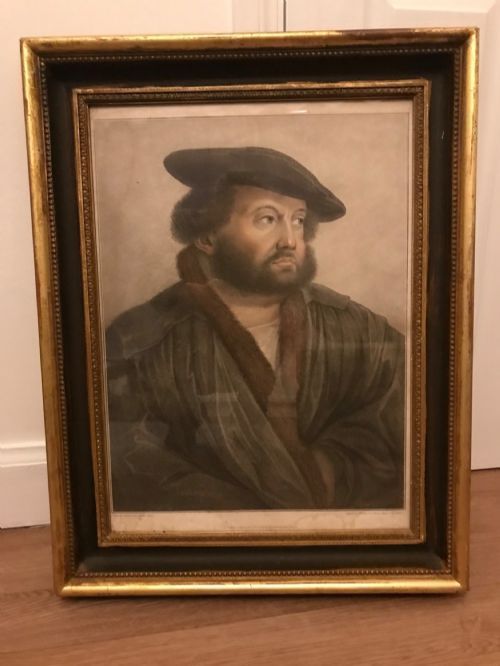
Makers applied ink to metal plates using techniques such as etching, drypoint, stipple engraving, and mezzotint, transferring the design onto paper or vellum under pressure. Some impressions received delicate hand-colouring with watercolour washes after the printing process.
Framing utilised traditional materials including wood, glass, and gold leaf, protecting the fragile paper sheets while providing structural support for wall mounting.
Several prints depict adventurous animals, capturing leopards, jungle fowl, and hunting dogs alongside human portraits and classical antiquity.
What varies in quality
The clarity of the impression on the paper distinguishes superior impressions from worn plates, as early pulls capture fine lines and subtle tonal gradations more sharply. The presence of a pencil signature by the artist adds distinction to later editions.
The integrity of the original framing, whether executed in oak or gilt wood, contributes to the overall coherence and historical preservation of the piece.
Kurt Lorein Victor Peiser·Edward Fisher·Francesco Bartolozzi·James Heath·Kurt Meyer Eberhardt·François Perrier·Amand Durand·William Lionel Wyllie·Robert W Macbeth·John Faber Jr·John Smith·Johannes Lingelbach·Louis Icart
The Antique Etching Print Glossary
- Etching
- A printmaking method where acid bites lines into a metal plate to hold ink. Artists use a coated metal plate and draw through the ground with a sharp needle before applying acid.
- Drypoint
- A printmaking technique where the artist scratches directly into the metal plate with a hard needle. This creates a distinctive velvety burr that holds ink for rich, dark lines.
- Mezzotint
- A tonal printmaking process that works from dark to light by roughening a metal plate uniformly. Smooth areas release ink to create highlights, producing soft gradients without reliance on line.
- Vellum
- A fine parchment material prepared from calfskin, utilised as a durable printing surface alternative to paper. It absorbs ink differently, yielding a warm, creamy tone.
- Artist proof
- An impression printed for the creator's personal review before the main edition is run. These proofs often carry signature details and indicate close oversight by the maker.
Antique Etching Print: Frequently Asked Questions
How should I hang an antique etching print?
Protect the paper by positioning the piece away from direct sunlight and high humidity. Use stable wall fixings suited to the weight of the wooden frame.
Ensure the glass does not press directly against the paper surface to allow the material to breathe naturally within the frame.
What is the difference between an etching and an engraving?
An etching relies on acid to bite the lines into a metal plate, producing fluid and expressive strokes. An engraving uses a sharp tool called a burin to cut directly into the metal.
Engravings typically display crisp, uniform lines, whereas etchings offer a wider range of tonal textures and softer transitions.
Can I remove an etching from its original frame?
Keeping the piece in its original housing preserves the historical context and protects the fragile paper edges. Many items retain period oak or gilt wood surrounds applied by earlier owners.
Altering the housing can disturb archival materials and historical backing papers that provide clues to the age of the item.
How do I identify the date of a print?
Examine the paper type, plate marks, and any inscriptions or signatures recorded by the artist or publisher. Style cues in the clothing and architecture depicted often point to specific periods like the Georgian or Victorian eras.
Archival records and maker lists help narrow down the active working dates of the printmaker responsible for the plate.