
Antique Etched Glass
Antique etched glass brings surface pattern and luminous texture into a room, spanning delicate stemware, mirrors, and lighting.
Antique Etched Glass
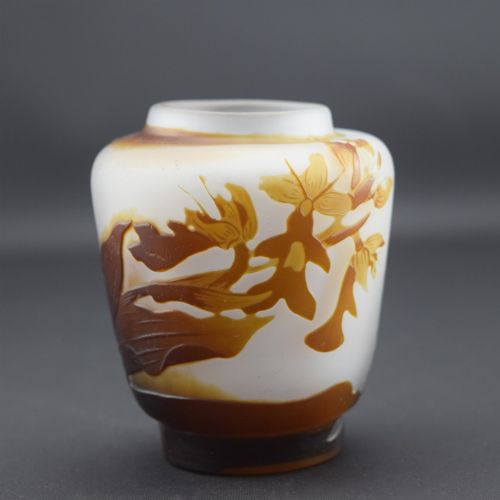
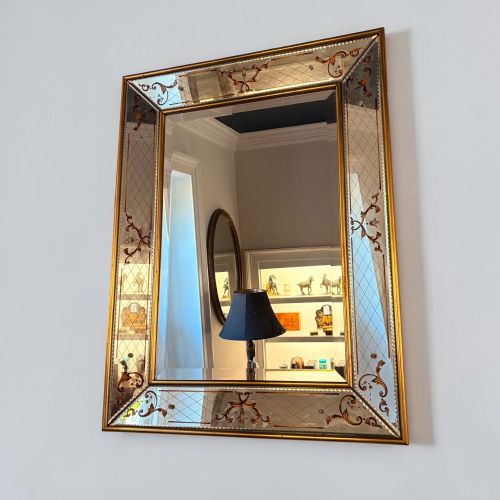
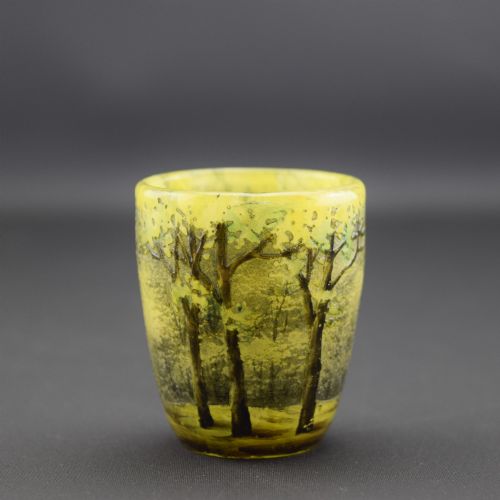
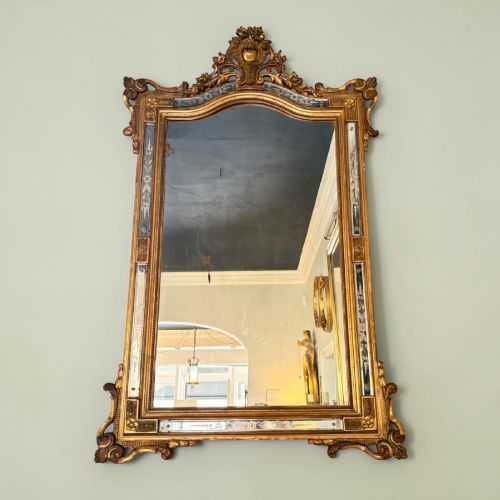
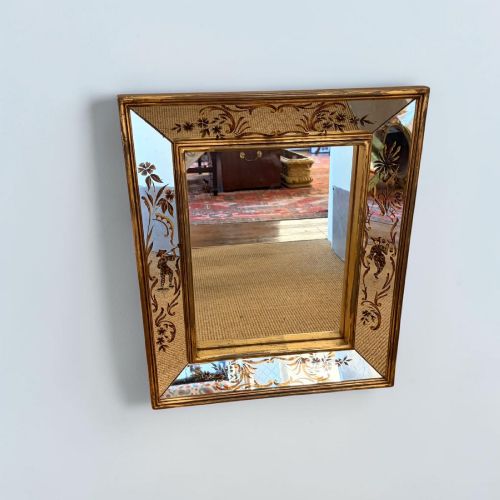
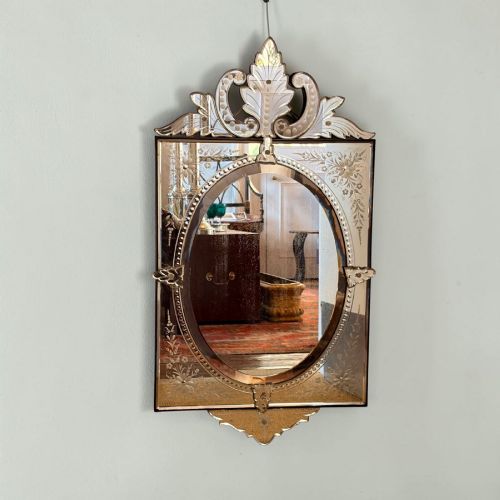
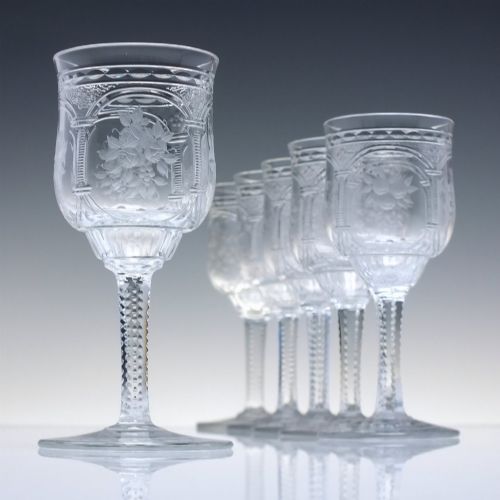
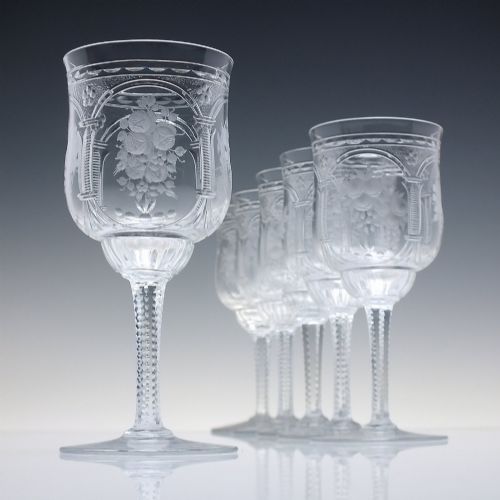
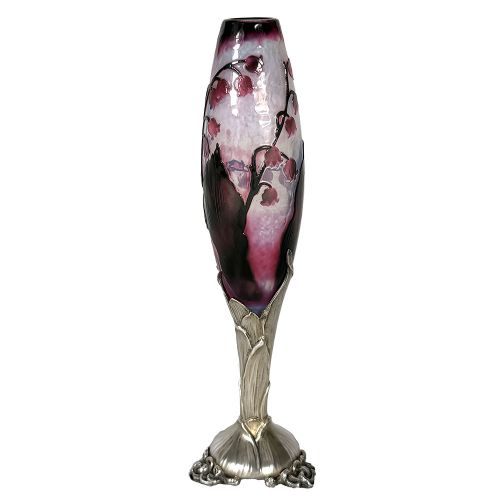
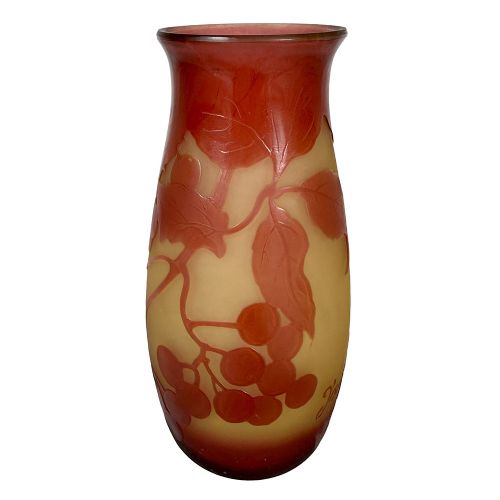
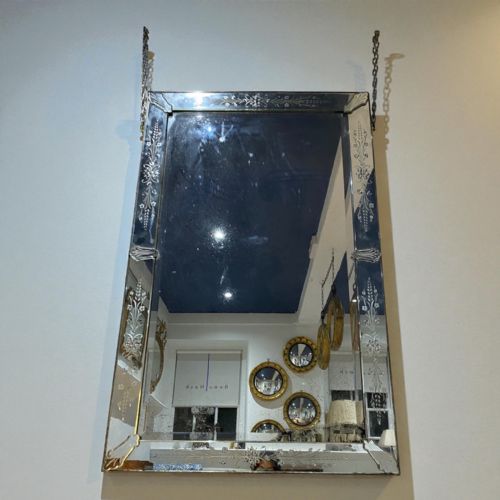
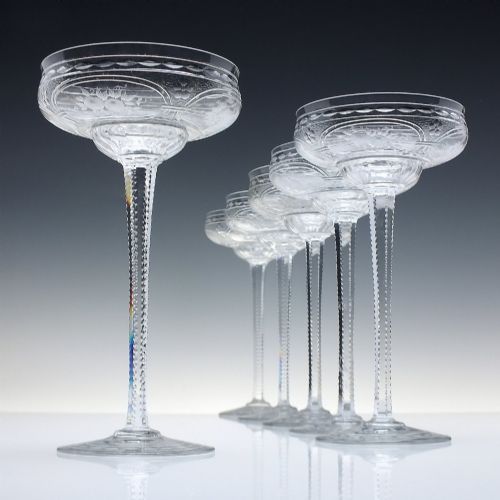
Antique etched glass covers a diverse range of domestic objects, from Victorian decanters and champagne glasses to French mirrors and Art Nouveau vases. Buyers seeking this phrase encounter household tableware alongside decorative lighting and wall mirrors.
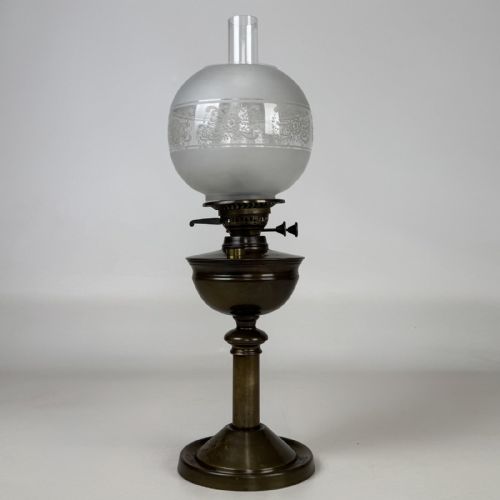
The material appears across multiple decades, with Victorian examples sitting alongside pieces from the early twentieth century. Common formats include oil lamps with frosted shades, apothecary jars, and intricately carved vessels.
Venetian, French, and English origins dominate the available items, reflecting regional specialisms in glassmaking and mirror production. Whether finding a celery vase or a pub window, the selection centres on functional and decorative domestic items.
Materials and techniques
Makers utilised clear glass, lead crystal, cameo glass, and coloured variants such as cranberry glass to build depth in each piece. Techniques ranged from acid etching and wheel carving to enamelling and reverse cutting on mirror plates.
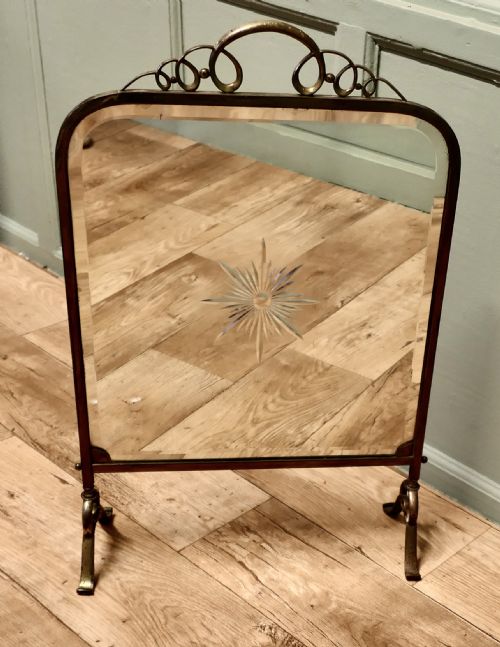
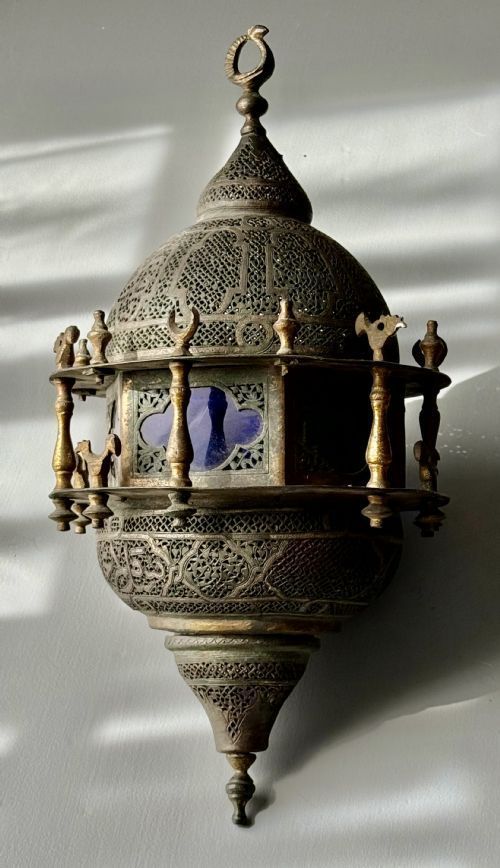
Metal mounts in brass, silver, and gilt bronze frequently accompanied the glass elements, particularly in oil lamps, claret jugs, and sconces. Artisans combined these heavier frames with delicate frosted or star-etched panels to balance weight and light.
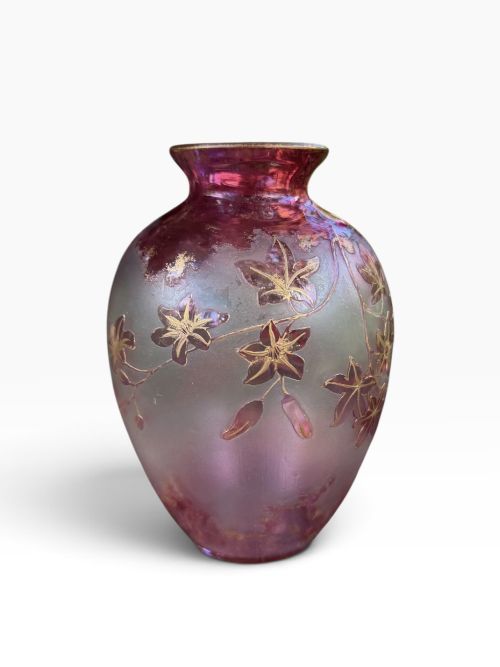
Botanical lamps brighten dark corners with glowing cranberry shades.
Distinction and detail
Quality rests in the crispness of the surface work and the depth of the carved motifs, where superior examples exhibit clean lines and precise control. The integration of the glass with mounts of silver or brass also dictates the standing of a piece.
Artisanal execution separates standard production items from masterworks attributed to notable glasshouses. Weight, clarity of the crystal, and balance in design define the upper tier of the range.
Baccarat·Daum·Georg Adam Scheid·Emile Galle·Maison Bagues
The Antique Etched Glass Glossary
- Etched glass
- Glass treated with acid or other chemicals to create a frosted or patterned design on the surface. This technique allows for fine, intricate details that remain smooth to the touch.
- Cameo glass
- A form of luxury glassware produced by overlaying multiple layers of glass of different colours and carving away sections to reveal the contrasting design underneath. It requires immense skill from the artisan.
- Eglomise
- A process where a thin sheet of gold or silver leaf is applied to the rear of a glass panel and then engraved and painted. It yields a rich, reflective surface often seen on antique mirrors.
- Cranberry glass
- Transparent red glass coloured by the addition of gold chloride to the molten batch. It gained popularity during the Victorian era for tableware and decorative oil lamp shades.
Antique Etched Glass: Frequently Asked Questions
How do I clean antique etched glass?
Wash pieces gently in warm water using mild soap, avoiding harsh scrubbing brushes or abrasive detergents that can damage the surface design.
Dry them immediately with a soft, lint-free cloth to prevent water spots from forming on the clear or frosted areas.
What is the difference between etched and cut glass?
Etched glass relies on acid or stencils to eat away at the surface, creating shallow, matte designs. Cut glass involves grinding deep facets into the material using mechanical wheels.
Cut glass feels sharp and angular to the touch, whereas etched decoration is typically smooth and superficial.
How can I date my glass items?
Examine the style of the decoration, the weight of the material, and any mounting hardware such as brass or silver fittings. Art Nouveau pieces often feature organic floral motifs, while Victorian items lean towards heavy crystal and elaborate star cuts.
Maker marks, signatures etched into the base, or specific manufacturing techniques like acid application help narrow down the production decade.
Where were these pieces originally used?
Most items served practical domestic purposes in dining rooms, drawing rooms, and hallways. Decanters and stemware graced dining tables, while mirrors and oil lamps decorated formal living spaces.
Some larger elements, such as etched windows, originated in commercial settings before entering the collector market.