


Antique Estate Picture
An antique estate picture captures the grandeur of historic country houses and sporting grounds through centuries of British artistry.
Antique Estate Picture
When you search for an antique estate picture, you encounter framed watercolours, oil paintings on canvas, and coloured lithographs depicting country seats, castles, and equestrian subjects. These works document significant landed properties and sporting stables from the Georgian, Regency, Victorian, and Edwardian eras.
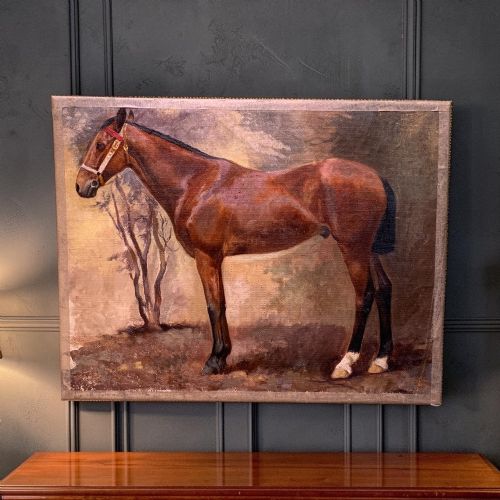
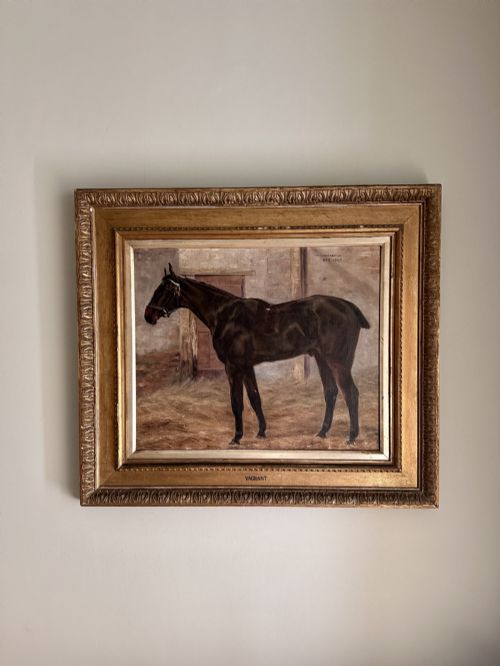
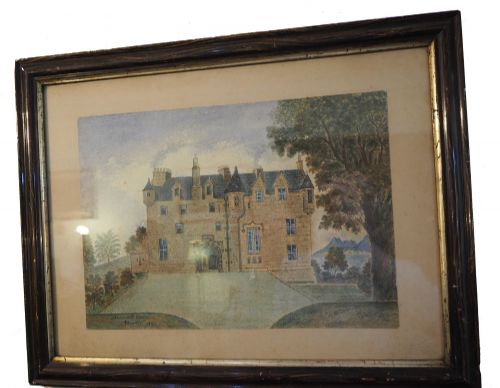
The most common examples on this page are oil paintings on canvas portraying horses, grooms, and notable country houses such as Trentham Hall, Lowther Castle, and Dalkeith House. These pieces range from early twentieth-century depictions back through nineteenth-century sporting art and British School traditions.
Subjects frequently tie specific animals and estates together, recording named mares, hunters, and historic castles with detailed provenance. The formats vary from intimate watercolours to large oil paintings housed in gilded wood frames.
How they were made
Artists painted these works using oil paint on stretched canvas or applied watercolour and coloured lithography onto paper. Canvas grounds provided the durability required for large landscape and equine compositions.
Frames are constructed from wood and frequently finished with gold leaf or gilded surfaces to complement the scale and subject of the artwork. These traditional framing methods protect the edges of the canvas and paper works while adding decorative weight.
Several horses immortalised in these paintings outlived the empires of their owners.
What varies in quality
Quality in an antique estate picture rests upon the precision of the draughtsmanship, particularly in equine portraits and architectural renderings of country houses. Finer works capture the exact conformation of a horse or the specific masonry details of a historic seat with confident brushwork.
Provenance elevates a piece significantly, especially when an artwork links directly to named estates, recorded hunts, or documented artists such as Fred Fitzpatrick and Clifton Tomson. The condition of the original canvas, paper, and gilded wood frame also dictates the overall standing of the work.
Fred Fitzpatrick·Clifton Tomson·T.M Baynes·James Canter·Fred Merriman
The Antique Estate Picture Glossary
- Equine portrait
- A painting or drawing dedicated to the likeness of a horse, often recording a named hunter or racehorse and its groom. These works form a major category within British sporting art.
- Coloured lithography
- A planographic printing technique using stone or metal plates to produce multi-coloured images on paper. This method allowed popular views of houses to be widely distributed.
- Provenance
- The documented history of ownership and origin for a work of art. In estate pictures, provenance often traces a piece through named families, galleries, and historic country houses.
- Gilded wood
- Wood carved and coated with a thin layer of gold leaf or metallic powder. This finish was standard for framing significant nineteenth-century and early twentieth-century paintings.
Antique Estate Picture: Frequently Asked Questions
What is an antique estate picture?
An antique estate picture is a painting, watercolour, or lithograph depicting historic country houses, castles, and associated sporting subjects from periods such as the Georgian, Regency, and Victorian eras.
These artworks often record specific locations like Dalkeith House or Trentham Hall alongside named horses and hunt stables.
How can I tell the period?
Dating relies on stylistic evidence within the clothing, architecture, and framing materials, alongside artist signatures and documented dates in titles. Nineteenth-century and early twentieth-century works often carry specific archival references.
Paper quality, canvas type, and the profile of the gilded wood frame also provide clear chronological indicators.
Where were these pictures displayed?
Original owners hung these works in country houses, estate offices, and hunting lodges to document family property, prized horses, and notable sporting achievements. They served as both personal records and grand interior decorations.
Today, collectors place them in period libraries, studies, and hallways to maintain a traditional British country house aesthetic.
Who painted these works?
Many pieces are attributed to artists of the British School specialising in landscape, architectural, and equestrian subjects. Some bear signatures or attributions to recorded painters such as Clifton Tomson and Fred Fitzpatrick.
Other works remain attributed to broader regional traditions or skilled delineators working for specific gentry and hunt stables.