



Antique Equestrian Horn
These antique equestrian horn items combine field sports and natural materials, offering tangible links to nineteenth and early twentieth century country pursuits.
Antique Equestrian Horn
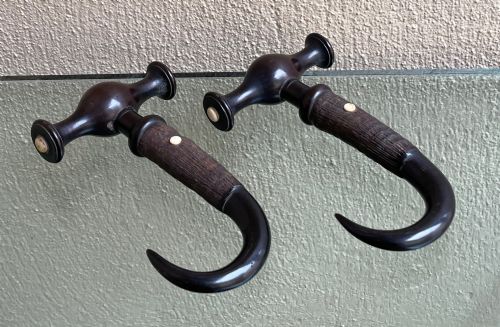
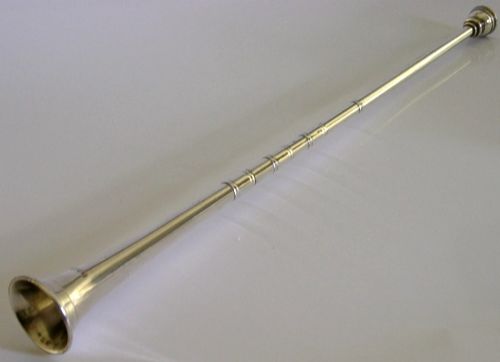
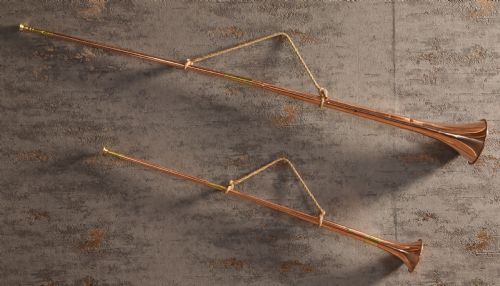
An antique equestrian horn connects the traditions of hunting, coaching, and riding with the utilitarian use of natural animal materials. When searching for this phrase, buyers encounter items ranging from functional brass and copper signaling instruments to decorative desk items.
The most common examples on this page date from the nineteenth and early twentieth centuries, spanning the Victorian and Edwardian eras. These pieces often incorporate horn, horse hoof, and antler alongside precious and base metals.
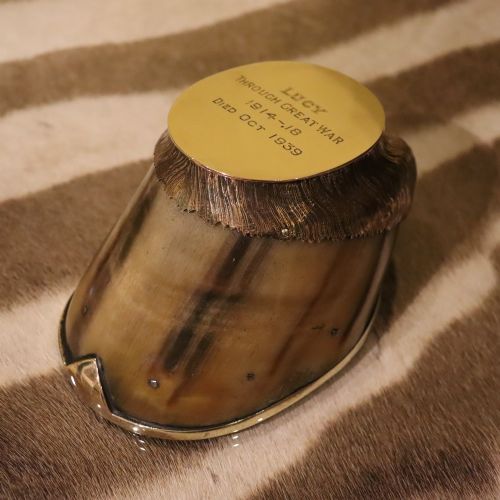
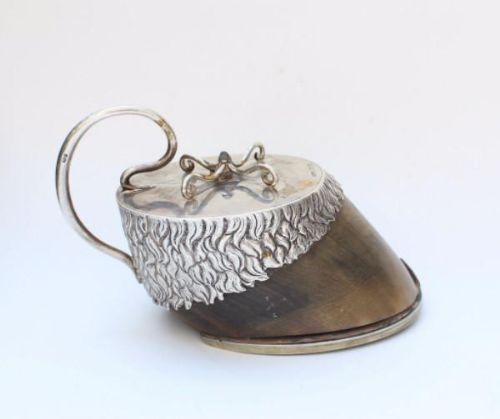
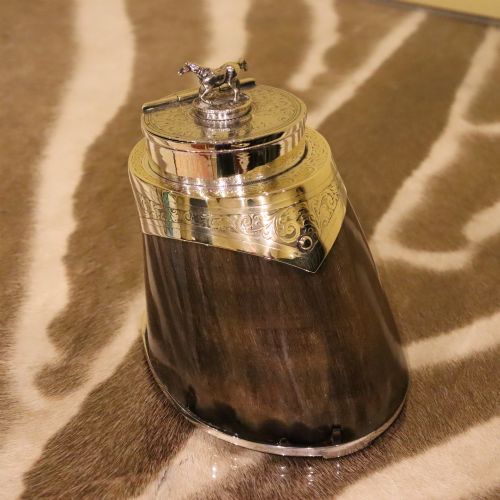
Forms vary from table lighters and desk tidies to inkwells and drinking vessels. Each object reflects the distinct equestrian culture of its period, whether created for the hunting field or the country house study.
Assessing quality and craftsmanship
The standard of an antique equestrian horn rests upon the crispness of the metalwork and the preservation of the organic material. Pieces bearing clear maker marks and full hallmarks demonstrate higher workshop provenance.
Refinement in taxidermy mounting and leather stitching separates standard utilitarian items from exceptional desk accessories. The integration of silver mounts with natural horn or hoof requires precise fitting by skilled artisans.
Antique Equestrian Horn Retail Price Guide 2026
Typical asking prices for equestrian horn among the pieces listed under this phrase on Sellingantiques today, from the lower quarter to the upper quarter. They describe what is for sale here now, not the wider market.
Someone spent hours fashioning a pony's hoof into an inkwell so you could write letters with the ghost of a Victorian trot.
Braham·Sampson Mordan·Swaine Adeney·John Meek
The Antique Equestrian Horn Glossary
- Hallmark
- An official stamp applied by an assay office to indicate the purity of precious metal and the year of manufacture. These marks help verify the exact age and maker of silver-mounted items.
- Coaching horn
- A long brass or copper instrument historically used by coachmen to signal arrival and clear the road. They appear in various lengths and materials from the nineteenth century.
- Taxidermy
- The art of preserving and mounting animal remains for display or utility. In equestrian pieces, this technique preserves horse hooves for desk tidies and inkwells.
- Table lighter
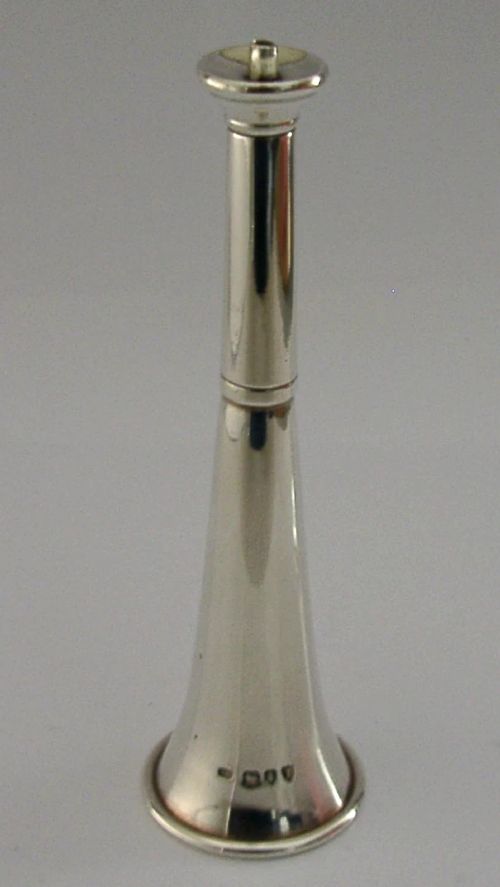
- A decorative desk accessory designed to remain stationary while providing a flame. Sterling silver examples often take the form of hunting horns or sporting equipment.
- Folk art
- Utilitarian items and decorative objects made by self-taught or local artisans outside formal guild traditions. Georgian horn beakers often reflect this regional craft heritage.
Antique Equestrian Horn: Frequently Asked Questions
What is an antique equestrian horn used for?
These horns served practical roles in signaling during hunts and coaching journeys across the countryside. Smaller silver versions functioned as table lighters or decorative desk ornaments.
Over time, their purpose shifted from active field use to display within country houses and studies. Today, collectors value them as historical representatives of nineteenth-century sporting life.
How do I identify a Victorian piece?
Victorian items frequently feature silver hallmarks, Gothic or floral engraving styles, and distinct nineteenth-century forms. Examining the style of the mounts and any stamped maker marks offers reliable dating clues.
The materials also align with the period, combining natural horn and hoof with solid brass, copper, and sterling silver.
Are horse hoof accessories common?
Horse hoof items appear primarily as desk tidies, inkwells, and paperweights during the late Victorian and Edwardian periods. Taxidermy techniques allowed craftsmen to mount and silver-plate these natural forms for domestic use.
Such objects highlight the close relationship between owners and their horses in equestrian culture.
How should I care for natural horn and metal?
Natural horn benefits from occasional light conditioning to prevent drying and splitting over time. Metal components require gentle cleaning with a soft cloth to preserve silver or brass surfaces without damaging adjacent organic material.
Keeping these items away from direct sunlight and extreme humidity protects both the taxidermy elements and the metal mounts.