

Antique English Portraiture
Antique English portraiture records the faces of previous centuries through oil paint and canvas, offering a direct link to historical figures and domestic life.
Antique English Portraiture
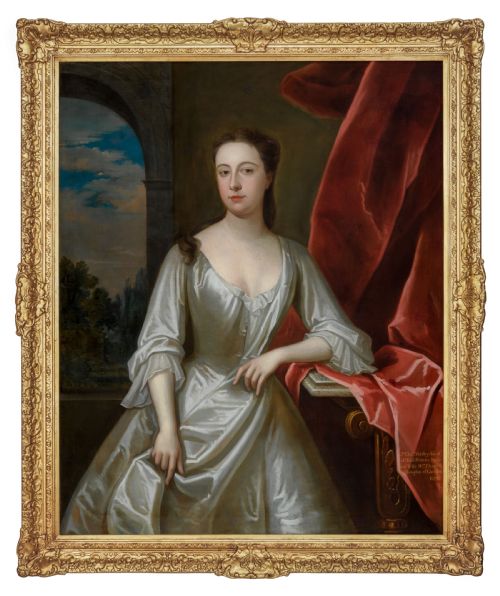
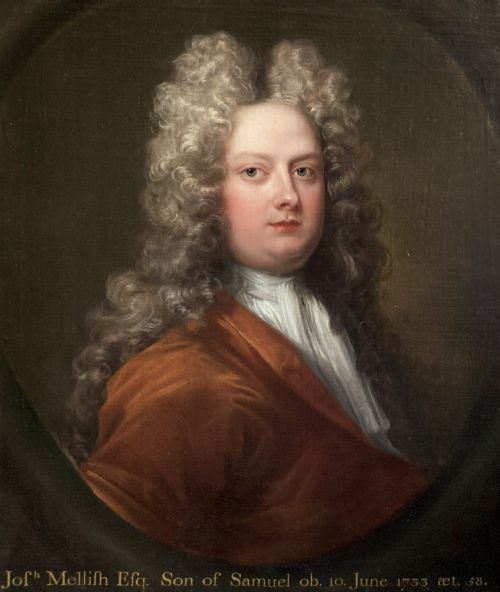
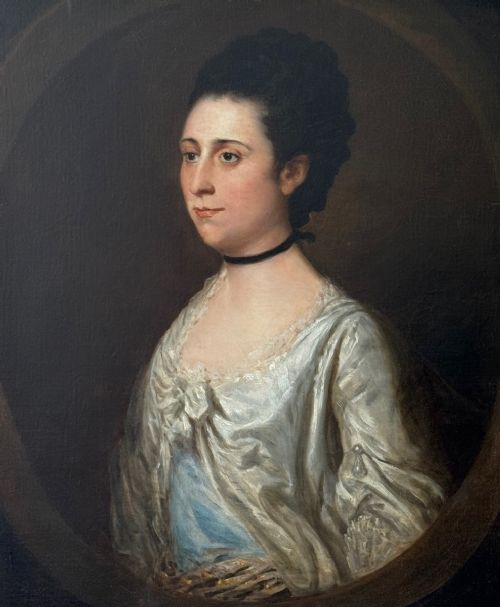
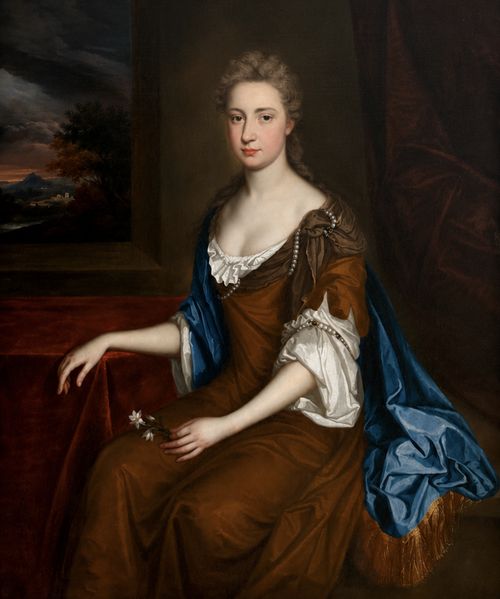
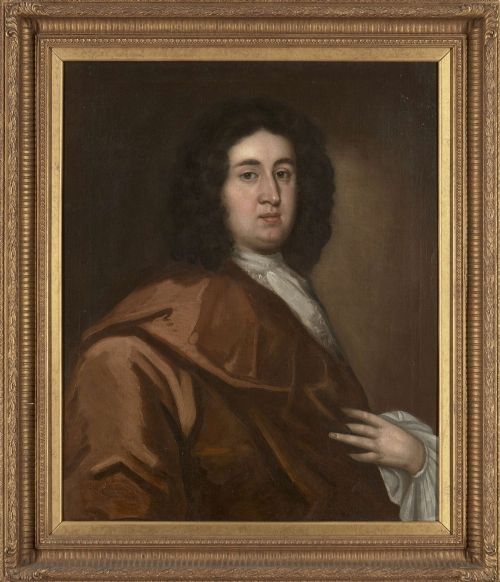
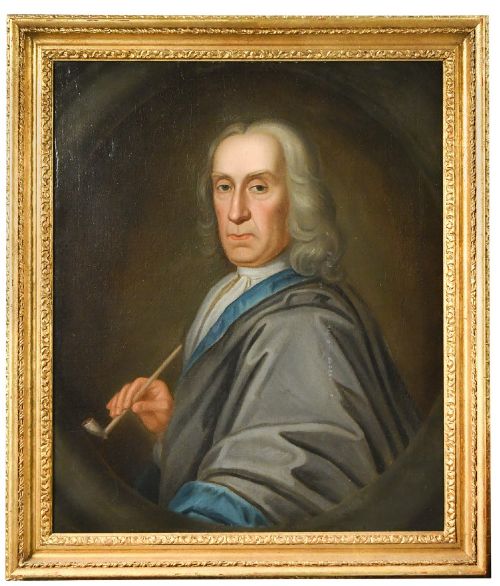
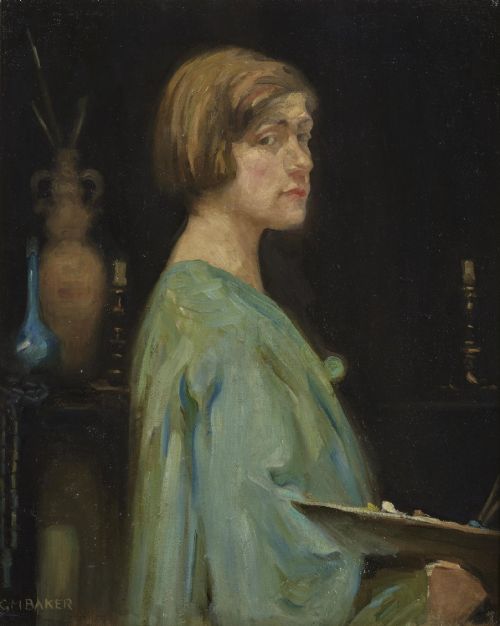
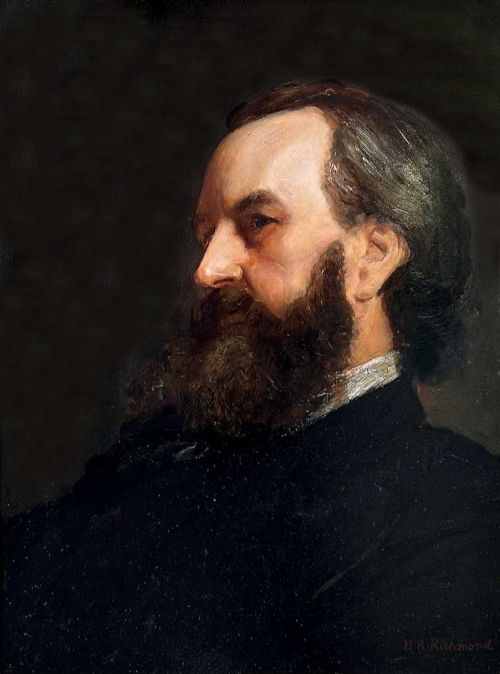
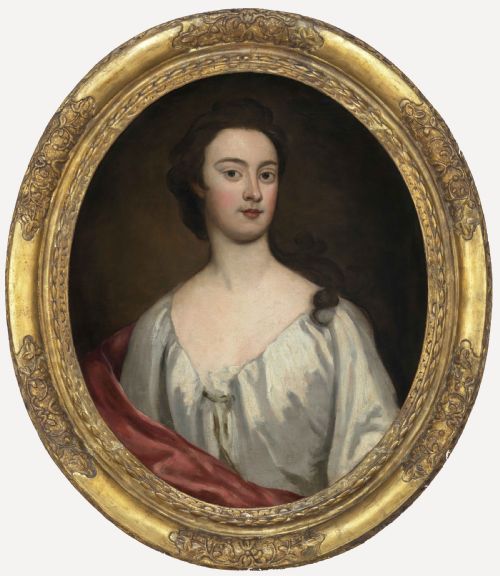
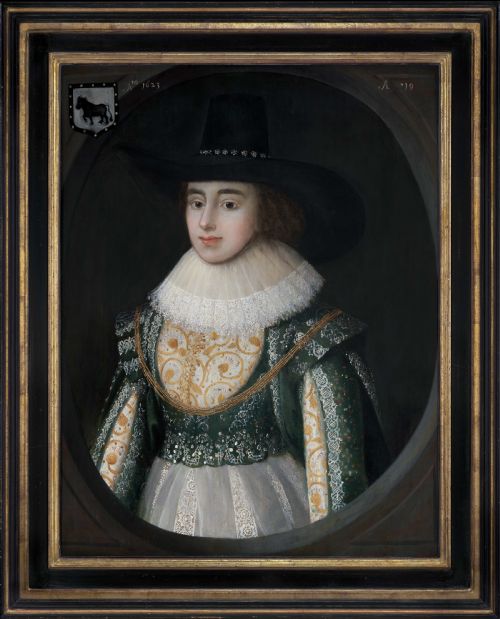
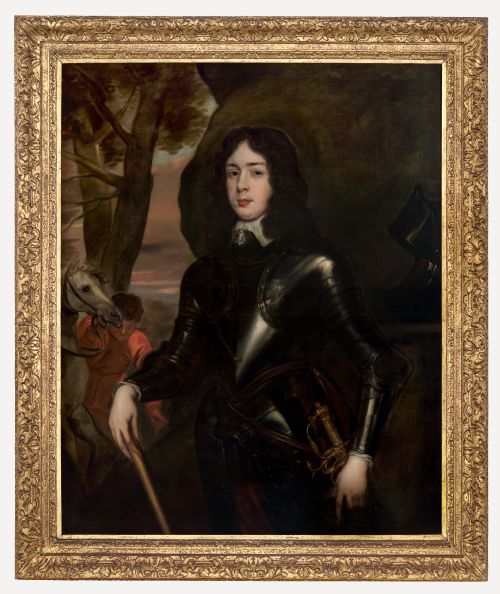
Antique English portraiture comprises painted representations of individuals from the seventeenth, eighteenth, and nineteenth centuries, capturing the changing fashions and social standing of subjects over time.
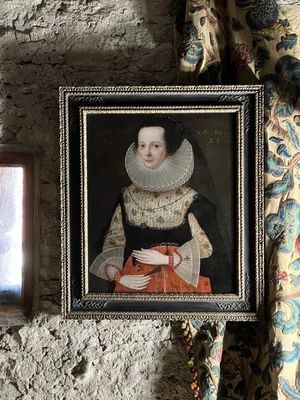
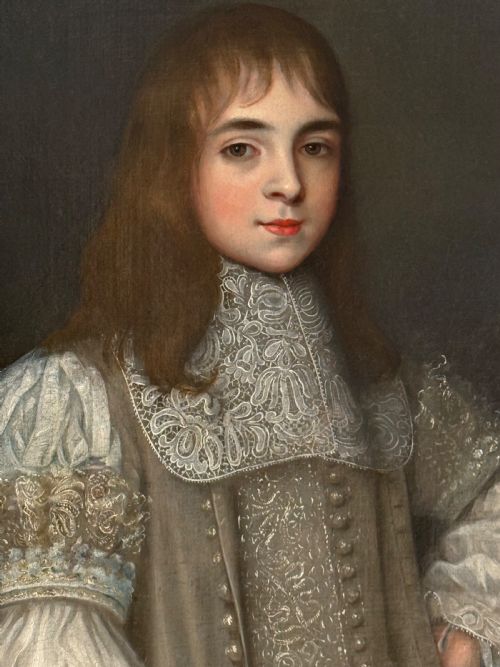
The selections available range from formal depictions of nobility in elaborate seventeenth-century costume to Georgian and Victorian studies of children, gentlemen, and family groups.
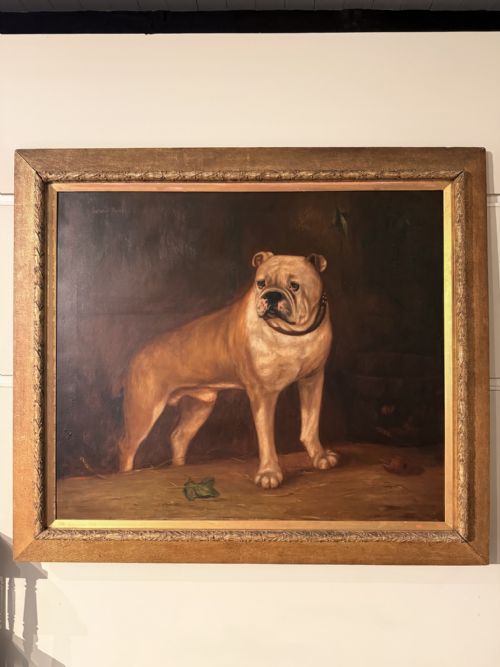
Works appear in various formats, including framed oil paintings on canvas, panel works, and occasional watercolours or pastels reflecting Regency and Victorian tastes.
Materials and Construction
The primary medium across these works is oil paint applied to woven canvas or wooden panel supports, often housed within original or period-appropriate giltwood frames.
Works on paper employ media such as pastel or watercolour, capturing finer linear details common in nineteenth-century domestic portraiture.
Listings feature works spanning the seventeenth, eighteenth, and nineteenth centuries, executed primarily in oil on canvas.
Factors of Quality
The distinction between standard works and masterworks rests upon the anatomical precision of the hands and face, alongside the fluid handling of drapery and fabric textures.
Attribution to a named artist or a documented circle elevates a piece, as does the survival of original canvas supports and untouched contemporary framing.
The depth of provenance and historical documentation associated with the sitter provides an additional layer of distinction among surviving canvases.
Sir Godfrey Kneller·Charles Jervas·John Hayls·Cornelius Johnson·Thomas Gainsborough·John Emms
The Antique English Portraiture Glossary
- Baroque
- An artistic style prevalent in the seventeenth and early eighteenth centuries, characterised by drama, rich colour, and grand movement in portrait subjects.
- Giltwood
- Wood carved and coated with gold leaf or a gold-coloured metallic finish, commonly used for historical picture frames.
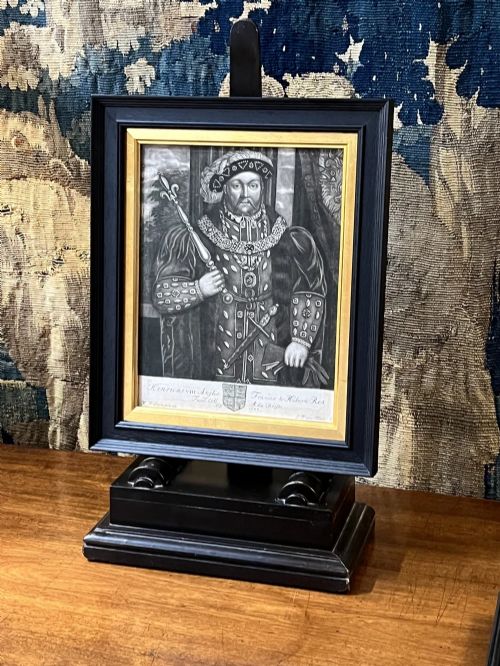
- Mezzotint
- A printmaking process of the tonal method, allowing smooth gradations of light and shade derived from engraved copper plates.
- Panel painting
- A painting executed on a flat piece of wood rather than stretched canvas, frequently encountered in earlier periods.
- Provenance
- The documented history of ownership of a work of art, establishing its authenticity and chain of custody over centuries.
Antique English Portraiture: Frequently Asked Questions
How do I identify the period of a portrait?
The clothing, hairstyles, and lace collars worn by the sitter offer the most reliable clues to the date of execution. Sitters dressed in stiff ruffs or heavy velvet gowns typically point to seventeenth-century work, while softer fabrics and powdered hair align with the Georgian era.
Furthermore, the construction of the underlying canvas and stretcher frames provides physical evidence regarding the age of the object.
What is the difference between an oil and a pastel?
Oil portraits utilise pigmented oil applied to canvas or panel, yielding a durable surface with rich colour depth and visible brushwork. Pastels consist of powdered pigment bound into sticks, producing a matte, powdery finish that requires glass protection.
Oils predominate among formal commissions, whereas pastels became popular for intimate likenesses during the Georgian and Regency periods.
How were these portraits displayed historically?
Historical portraits were commissioned primarily to hang in the reception rooms, long galleries, and staircases of country houses and town residences. They served to project family lineage, social status, and political allegiance to visiting guests.
Heavy giltwood frames were selected to complement interior architectural woodwork and decorative plasterwork of the period.
Can an anonymous portrait be attributed later?
Attribution to a specific artist or workshop often occurs through stylistic comparison with signed works, costume analysis, and archival research into the sitter's identity. Scholars examine brushwork techniques, pigment usage, and compositional quirks to link unsigned canvases to known hands.
Paintings lacking documentation are frequently catalogued under regional schools or as circles of specific masters.