


Antique English Portrait Canvas
These antique English portrait canvas pieces capture centuries of character in oils.
Antique English Portrait Canvas
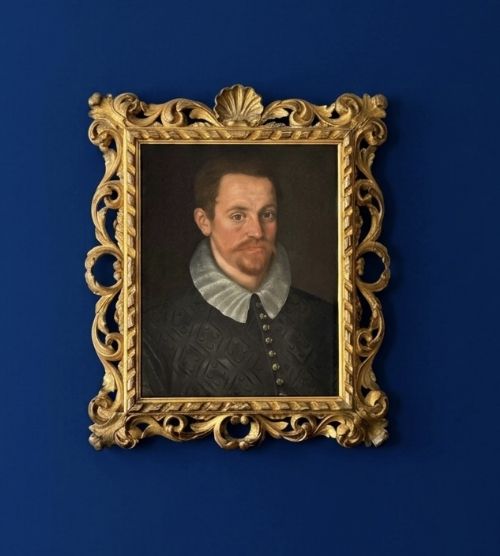
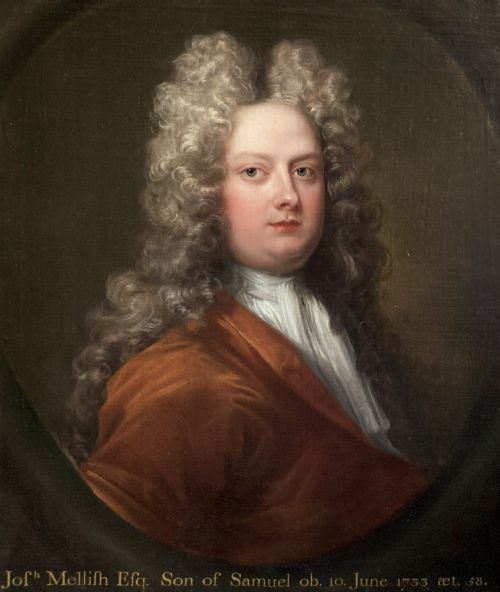
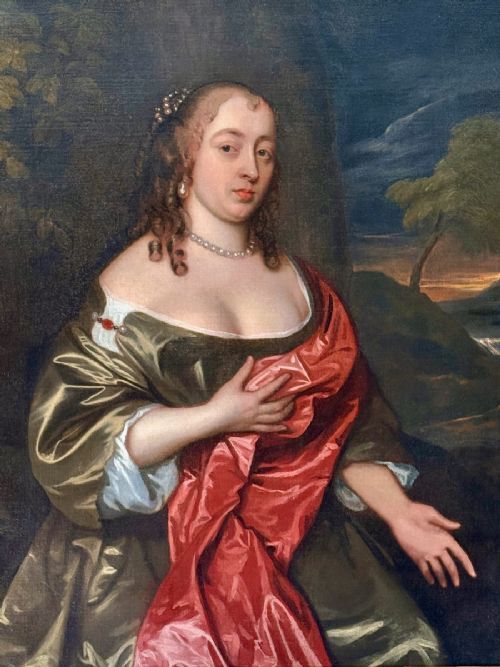
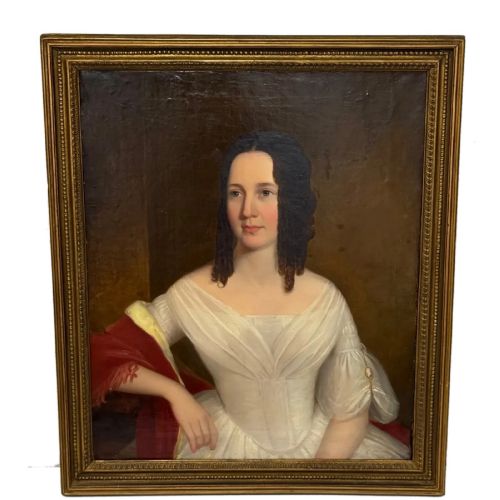
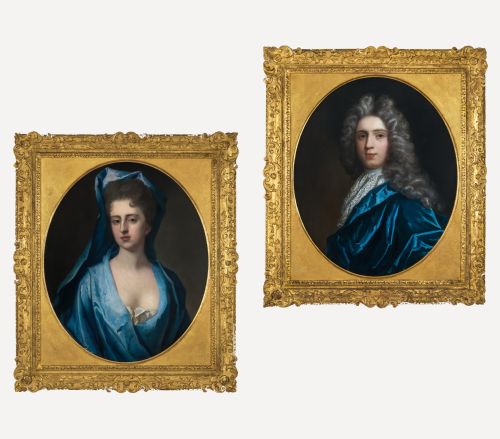
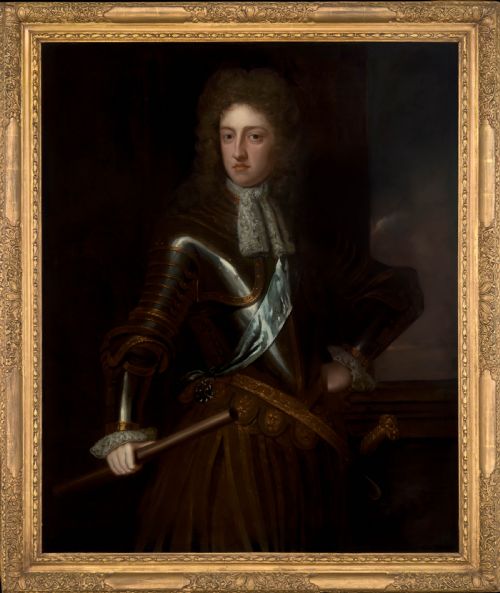
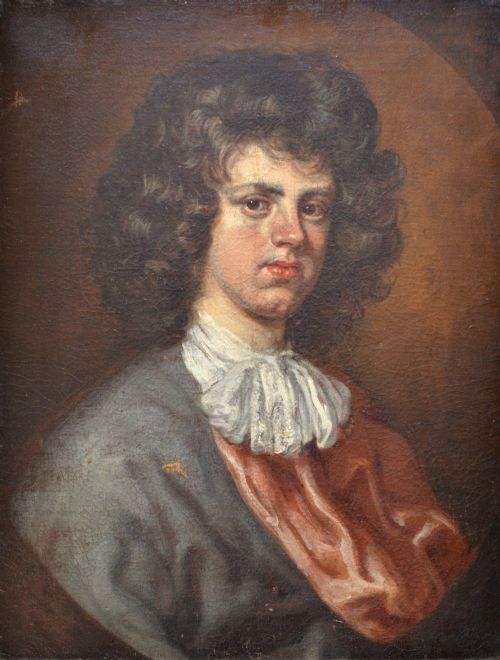
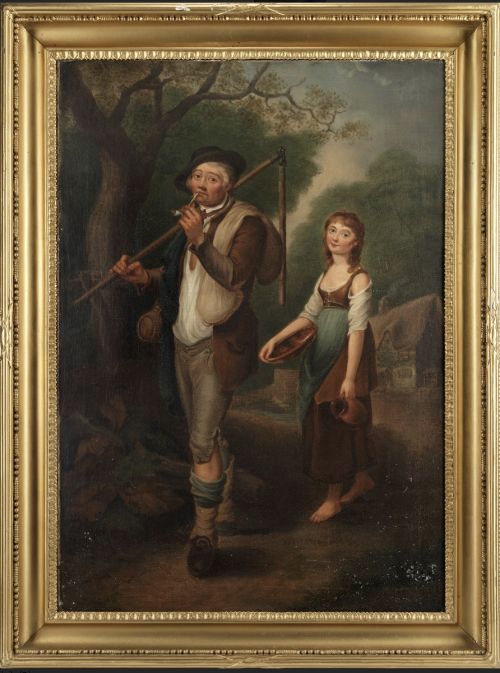
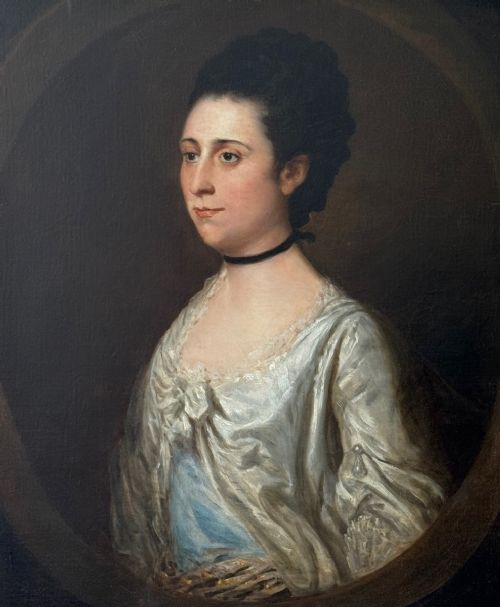
An antique English portrait canvas brings centuries of historical presence directly into a room, depicting subjects ranging from noble figures to local dignitaries and everyday sitters. Buyers seeking these works will encounter pieces spanning from the seventeenth century through the Victorian era and into the early twentieth century. The selection includes formal studio commissions by known painters as well as evocative works by anonymous regional English schools.
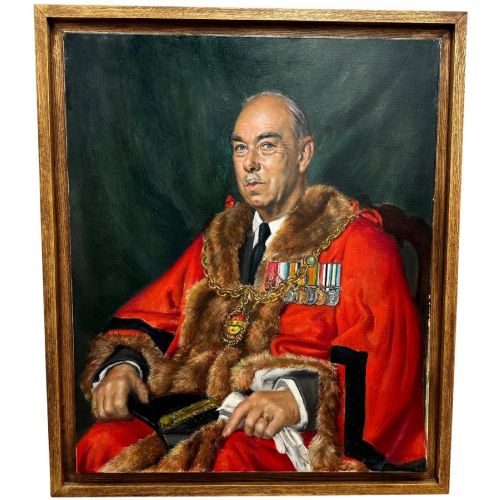
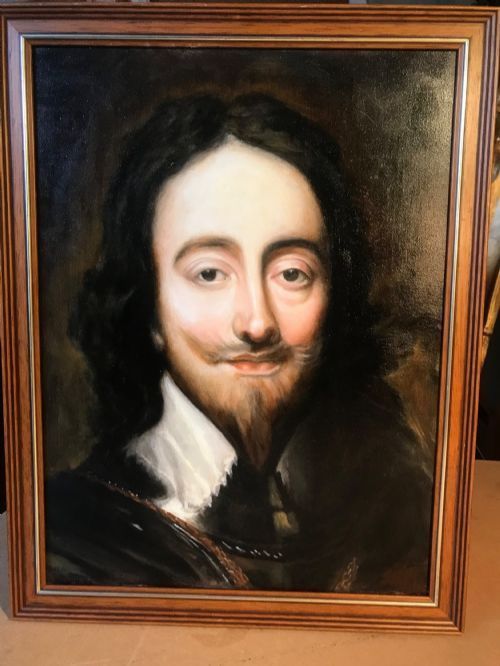
The subjects wear the costumes and markers of their respective periods, from seventeenth-century doublets and ruffs to nineteenth-century dresses and military uniforms. Many are rendered in half-length or bust formats, while others incorporate detailed landscapes or domestic interiors behind the sitter. Whether signed by a documented master or attributed to a wider circle, each canvas preserves a distinct human likeness from the past.
Materials and construction
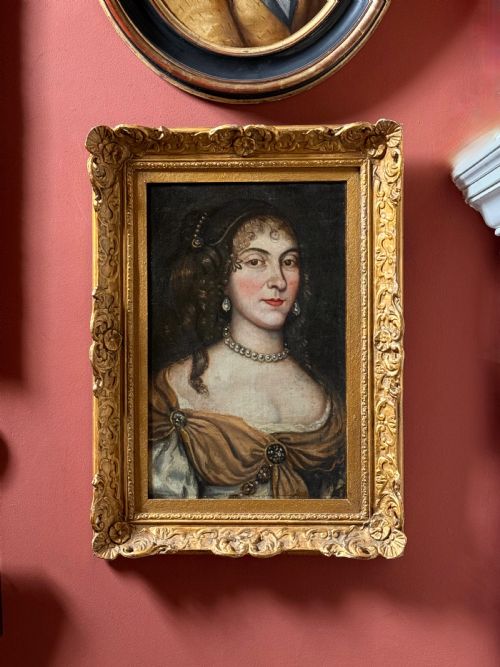
These works rely on traditional oil paint applied to woven canvas supports, often stretched over wooden frames and occasionally housed in ornate giltwood surrounds. The preparation of the canvas involved applying gesso or priming layers to provide a stable ground for the pigment. Artists built up their compositions using rich oil binders that allowed for subtle blending in flesh tones and deep contrast in drapery.
Over time, these materials have aged naturally, developing fine craquelure across the paint surface and requiring careful conservation or relining. The frames accompanying them frequently utilise carved wood and gold leaf, adding structural weight and visual depth to the overall presentation.
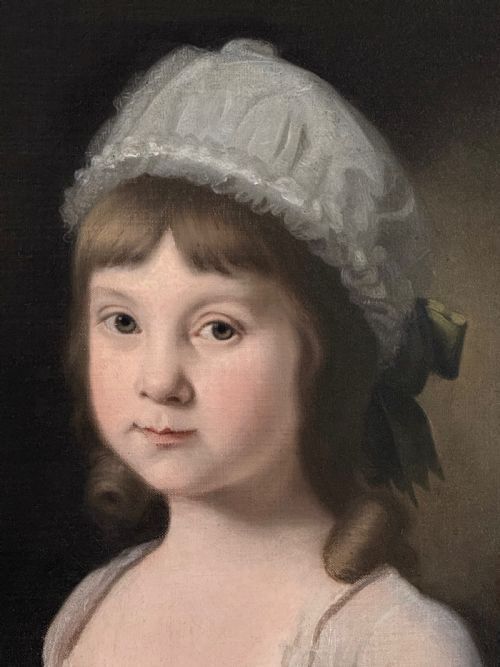
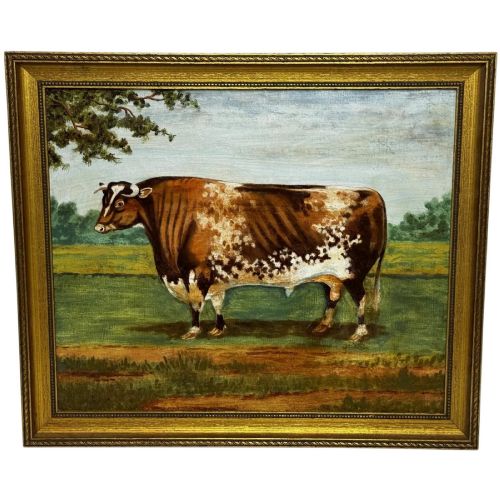
Subjects documented include nobility, military officers, children, and prize livestock recorded by British and Anglo-Flemish schools.
Indicators of quality
Quality in these portraits rests upon the draftsmanship and the artist's ability to render the psychology and three-dimensional presence of the sitter. Superior examples demonstrate confident brushwork, particularly in the delicate treatment of hands, lace, and facial expressions, whereas lesser works can appear stiff or formulaic. The handling of light and shadow, known as chiaroscuro, also separates a master composition from a standard workshop product.
Provenance and attribution further influence the standing of a piece, with documented works by recognised British portraitists commanding greater historical interest. The preservation of the original canvas surface, minimal overpainting, and the survival of a period frame contribute to the overall integrity of the object.
Charles Jervas·John Hayls·Sir Joshua Reynolds·Sir Godfrey Kneller·Mary Beale·Thomas Beach·Sir Thomas Lawrence·John Greenhill·John Closterman·Robert Byng·Sir William Beechee·John Opie·John Michael Wright·Albert Clark·Jeremiah Davison·Adriana Verelst·Sir Anthony van Dyck
The Antique English Portrait Canvas Glossary
- Canvas
- A heavy woven fabric, typically linen or hemp, used as a support surface for oil paintings. It is stretched tightly over a wooden frame before painting.
- Giltwood
- Wood that has been coated with a thin layer of gold leaf or gold paint, commonly found on traditional antique picture frames.
- Circle of
- A term used to describe an artist working during the same period and in a similar style to a master, likely closely associated with their studio.
- Craquelure
- A fine network of microscopic cracks that forms across the surface of aged oil paint and varnish as they dry and harden over centuries.
- English School
- A designation applied to paintings produced by artists working in England whose specific individual identities remain unrecorded.
Antique English Portrait Canvas: Frequently Asked Questions
How do I date an antique portrait canvas?
Dating relies heavily on the style of clothing, hair, and accessories worn by the sitter, which followed strict fashions of the decade. The construction of the stretcher frame and the type of canvas weave also offer clues to the period.
Written inscriptions on the reverse of the canvas or on the frame often record the sitter's name and dates. Comparing the painting technique to known works by contemporary British schools helps narrow down the decade of creation.
What does attribution to a circle mean?
Attribution to the circle of a major painter indicates that the artist worked in direct association with that master. These painters absorbed the techniques and palette of the principal figure without necessarily producing the primary commission themselves.
Such works often date from the same active years as the master and share identical stylistic traits. They represent high-level contemporary production from the same artistic environment.
How were these portraits originally displayed?
These paintings hung primarily in the reception rooms, galleries, and staircases of country houses and town residences. They served to project family lineage, status, and political allegiance to visiting guests.
Large gilt frames were chosen to complement the interior architecture and wood panelling of the period. The scale of the canvas frequently matched the proportions of the room it was commissioned for.
Should I clean an old oil portrait?
Surface dust can be removed gently with a soft, dry brush, but deeper cleaning requires professional conservation. Old varnish layers discolour over decades, yellowing the appearance of the underlying pigments.
Intervening with liquid cleaners or household products risks removing the original artist's glazes. Professional conservators use specialised solvents to safely reveal the original palette without disturbing the paint.