
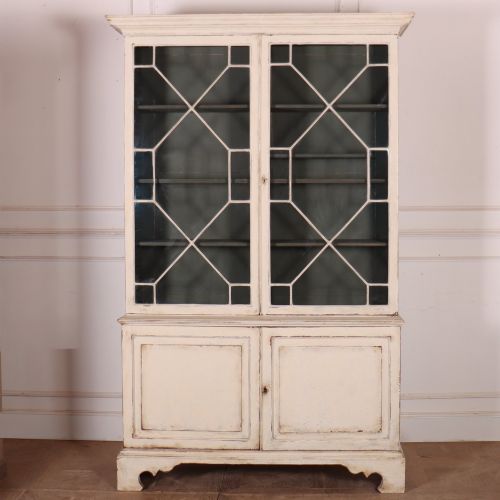
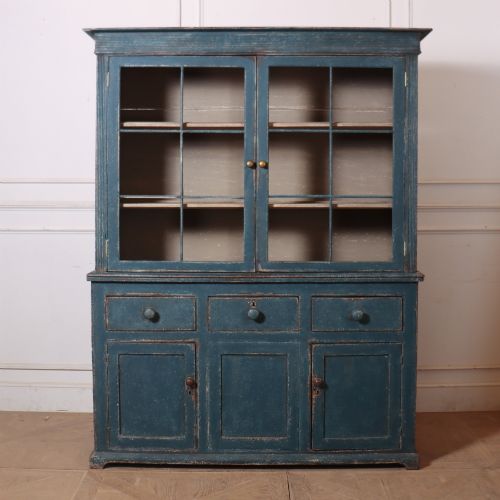
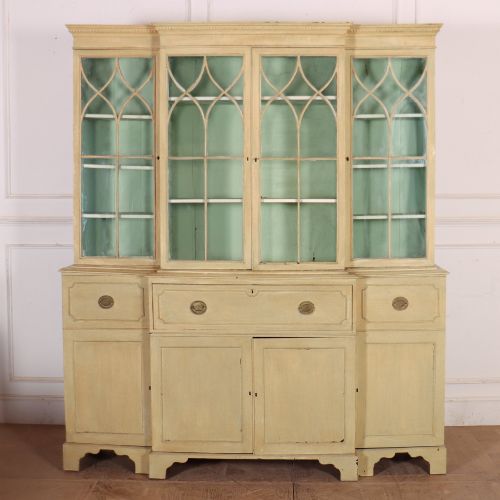
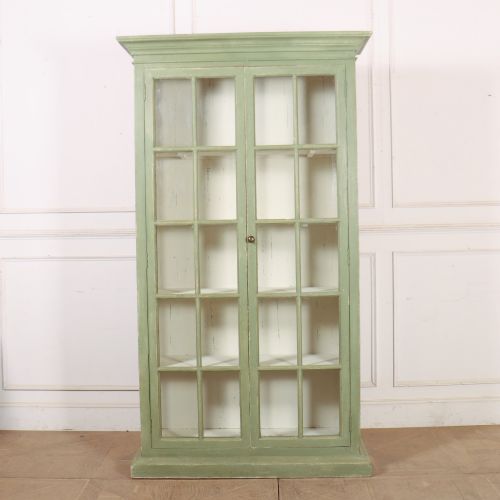


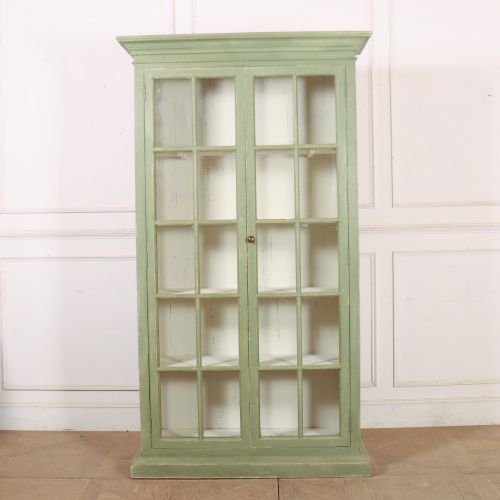


Antique English Painted Bookcase
An antique english painted bookcase brings practical display space and layers of historic colour to a room.
Antique English Painted Bookcase
An antique english painted bookcase combines functional shelving with decorative painted surfaces spanning several historic periods. You will encounter pieces ranging from simple 19th Century open pine shelves to substantial Georgian breakfronts and glazed display cabinets.
The selection includes regional kitchen dressers, bureau bookcases, and library stands finished in various paint treatments. These items served domestic and institutional purposes in English country houses and provincial homes alike.
Most examples date from the 18th Century through to the Edwardian era, showing styles such as Georgian Revival, Victorian Gothic Revival, and English Country. The form adapts from compact dwarf bookcases to large architectural structures fitted with glass doors and brass hardware.
How they were made
Makers constructed these bookcases primarily using pine and various solid timbers, applying paint, original grained finishes, or lacquer directly to the wood. Glazed sections incorporate fitted glass panels, while brass hardware appears on cabinet doors and drawers.
Surface treatments range from early painted finishes and black paint to red lacquer and gilt highlights. Construction methods rely on traditional joinery suited to heavy domestic storage, combining panelled timber with architectural mouldings.
Listings span the 18th Century, 19th Century, Regency, Victorian, and Edwardian periods, utilising pine, walnut, glass, brass, and paint.
What varies in quality
The distinction between tiers rests upon the integrity of the original paint surface and the sophistication of the timber construction. Pieces retaining untouched historic paintwork command greater attention from collectors than later repainted surfaces.
Proportion, architectural detailing, and regional craftsmanship separate standard utilitarian cupboards from ambitious library pieces. Refined mouldings, original glass, and sound structural joinery indicate superior workshop origin.
The Antique English Painted Bookcase Glossary
- Breakfront
- A piece of furniture where the central section projects forward from the flanking outer sections. This architectural arrangement creates depth and visual variety across large library bookcases.
- Glazed Bookcase
- A cabinet fitted with glass panel doors to protect books from dust while keeping them visible. These often double as display cabinets for curated collections.
- Bureau Bookcase
- A hybrid form combining a slanted writing desk section with shelving above. The fall-front reveals small drawers and pigeonholes for correspondence.
- Kitchen Dresser
- A utilitarian piece featuring open shelves above base cupboards or drawers, originating from domestic country settings. They frequently double as display storage for ceramics and books.
- Grained Finish
- A decorative paint technique mimicking the natural grain of expensive exotic hardwoods. Painters applied this method to humbler timbers like pine to elevate their appearance.
Antique English Painted Bookcase: Frequently Asked Questions
Where should I place a painted bookcase?
Position your bookcase against an interior wall away from direct sunlight and heat sources to protect the painted timber and any glazed contents.
Ensure the room maintains stable humidity levels to preserve the historic wood and surface finish over time.
How do I clean an old painted surface?
Dust the exterior gently with a dry, soft microfiber cloth to remove surface particles without disturbing the historic paint.
Avoid liquid cleaners, chemical solvents, or abrasive polishes that can strip or damage original painted and grained finishes.
Can adjustable shelves be expected?
Many older bookcases feature fixed shelving secured with traditional joinery rather than modern adjustable metal pins.
Check the internal configuration to ensure the shelf heights suit your specific storage and book dimensions.
How do I identify a regional style?
Look to construction materials, structural heft, and decorative motifs for clues to a piece's geographic origin.
West Country pieces often display robust pine construction and distinct local painting traditions compared to formal London-made library furniture.