


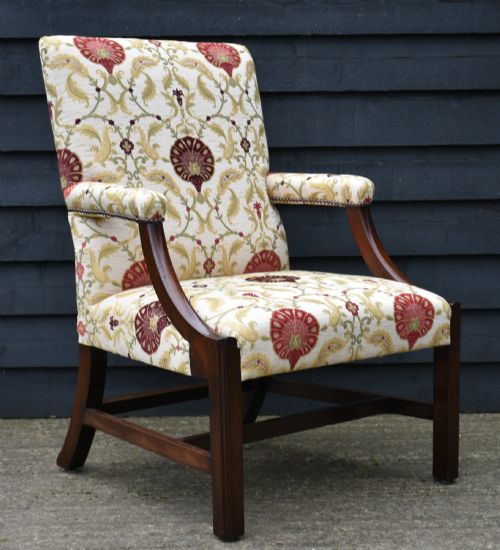
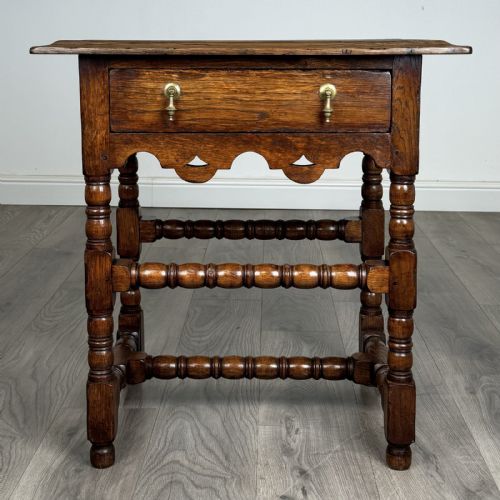
Antique English Furniture
These pieces of antique english furniture bring centuries of domestic craftsmanship and utility straight into modern rooms.
Antique English Furniture
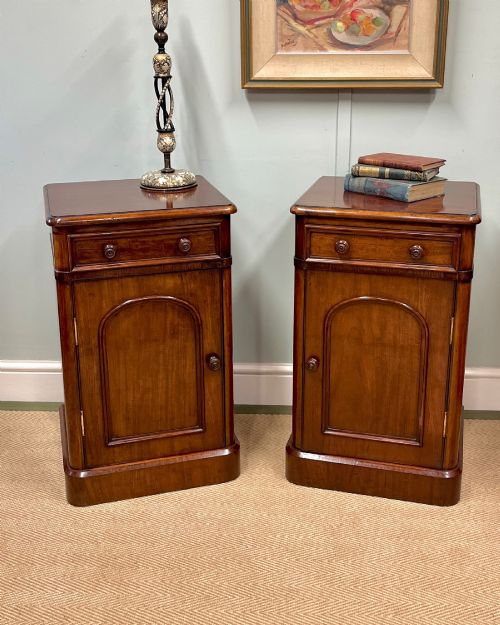
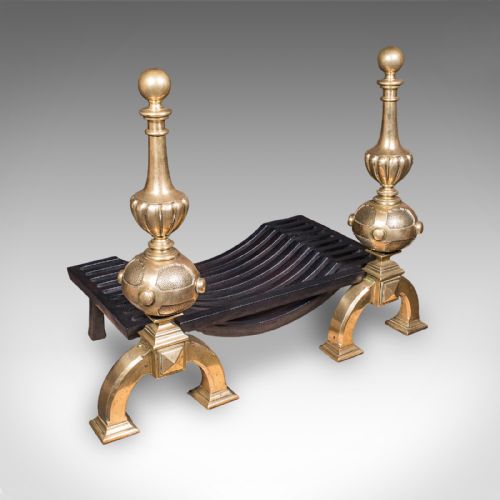
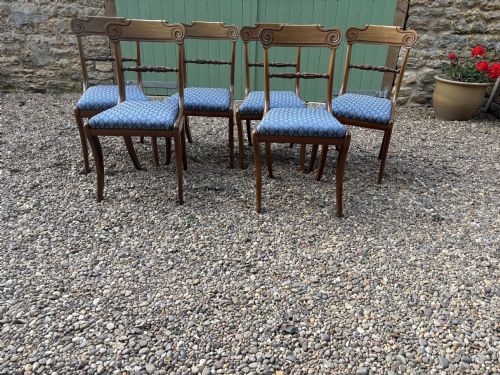
Selecting antique english furniture means choosing from centuries of domestic craft, spanning utilitarian country pieces and formal urban designs. The range includes seating, tables, storage, and desks built from native and imported timbers.
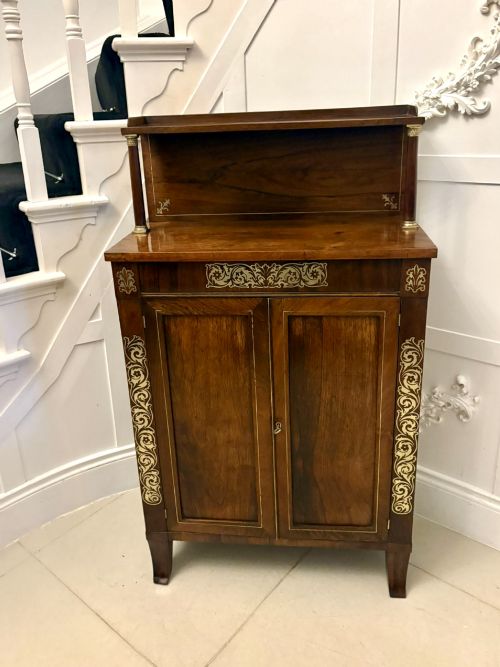
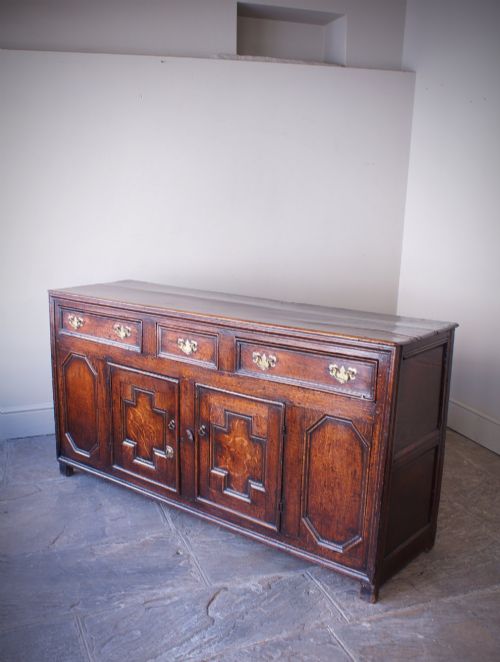
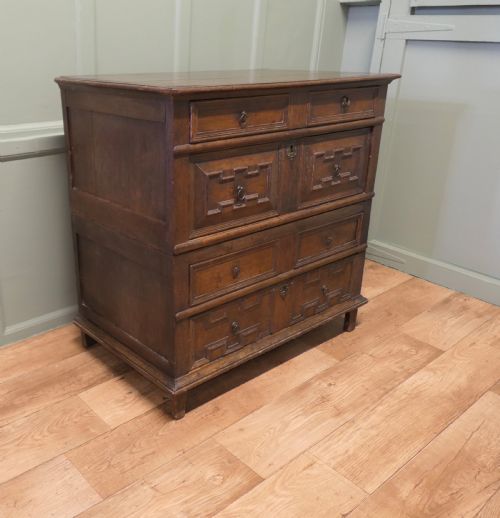
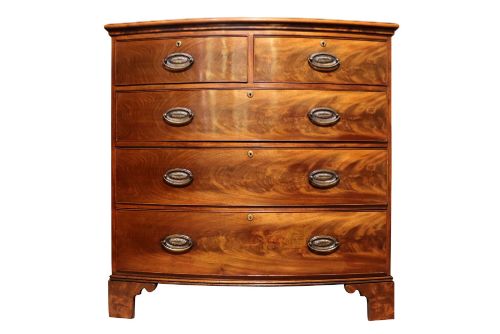
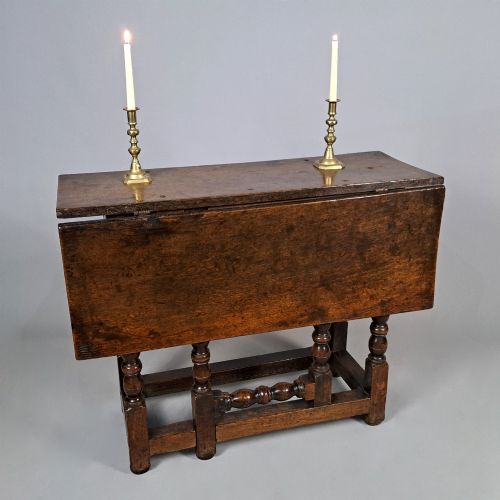
Early periods supply solid oak and fruitwood items such as gateleg tables, joint stools, dressers, and wainscot chairs. Later eras introduce mahogany, walnut, and satinwood in sophisticated forms like bow-front chests, Pembroke tables, and secretaires.
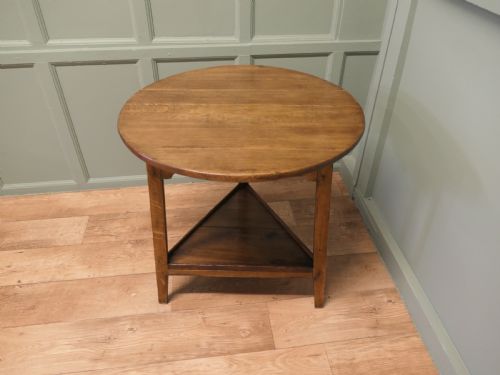
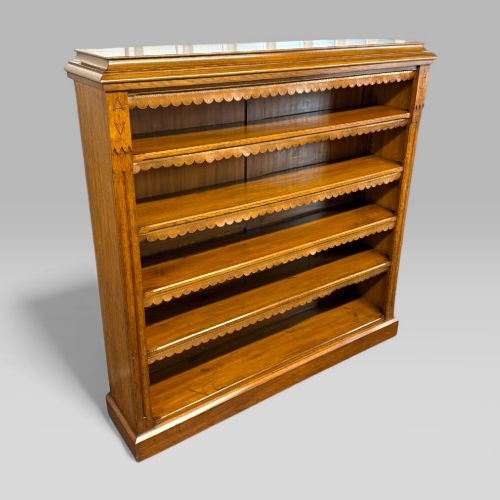
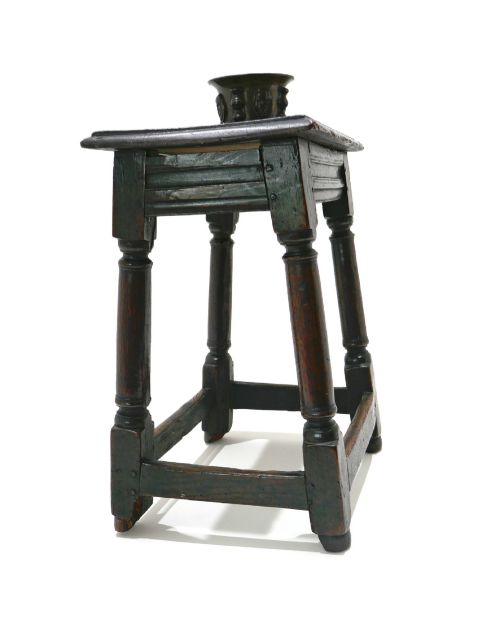
Country vernacular traditions run parallel to metropolitan styles, preserving regional joinery methods in windsor chairs, cricket tables, and boarded chests. Buyers encounter everything from humble tavern stools to architectural bookcases by noted workshops.
How They Were Made
Cabinetmakers and joiners relied heavily on native hardwoods like oak, elm, ash, and fruitwood alongside imported mahogany, walnut, and rosewood. Construction methods prioritized structural integrity through pegged mortise and tenon joints, dovetailing in drawer construction, and panel-in-frame assemblies.
Surface finishing involved hand-planing, scraping, and polishing with natural oils and waxes that built deep patinas over decades of use. Turning lathes shaped spindles and legs, while metalwork hardware transitioned from simple drop handles to elaborate brass backplates.
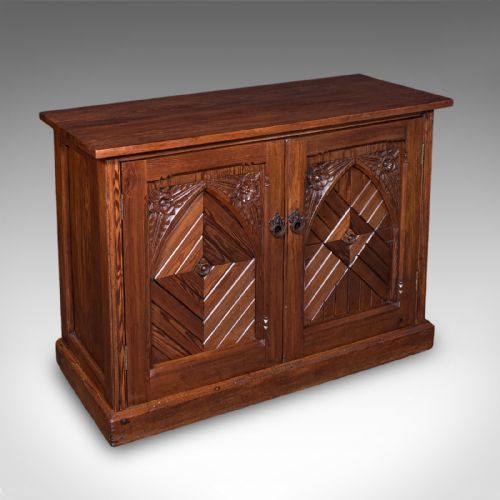
Storage options range from oak coffers to figured walnut chests of drawers.
What Varies in Quality
Structural honesty and material selection separate utilitarian work from high-end cabinetmaking. Timber choice dictates strength and visual depth, particularly where figured veneers or solid burr walnut meet precise carcass construction.
The survival of original surfaces, fixings, and internal drawer linings determines preservation standards. Integrated brass handles, unblemished timber grains, and untouched patination reflect the original workshop intent without later intervention.
Gillows Oxford Street Workshop·T & G Seddon·Johnstone And Jeanes·Maple And Co·Bell Barn Furniture
The Antique English Furniture Glossary
- Patina
- The surface sheen and colour developed through age, handling, and waxing. It reveals the history of the timber and how the piece has been maintained.
- Joint Stool
- An early form of domestic seating constructed with pegged mortise and tenon joinery rather than turned legs driven into a seat. These sturdy items doubled as small tables.
- Gateleg Table
- A drop-leaf table where hinged legs swing outward to support the raised leaves. This form maximised floor space in earlier centuries.
- Windsor Chair
- A seating form featuring a solid saddle-shaped seat into which the legs and back spindles are wedged directly. Regional variations display distinct comb-back and bow-back profiles.
- Coffer
- A heavy wooden chest used for storage, typically constructed from framed panels. Early examples feature carved decoration and robust iron hinges.
Antique English Furniture: Frequently Asked Questions
How do I care for antique wood surfaces?
Maintain timber furniture by applying natural beeswax sparingly and buffing gently with a soft cloth. Avoid placing pieces near direct heat sources or strong sunlight to prevent timber shrinkage and finish degradation.
Keep indoor humidity stable where possible to protect joints and veneers from seasonal movement.
What is the difference between oak and mahogany pieces?
Oak furniture generally dates from the seventeenth and eighteenth centuries, displaying robust vernacular construction, visible grain patterns, and pegged joinery. Mahogany became popular during the Georgian period, allowing for finer carved details, red-brown tones, and formal urban silhouettes.
Both timbers suit daily domestic use but require different approaches to interior placement and upkeep.
How can I tell if a chest of drawers is original?
Examine the drawer construction for hand-cut dovetails and uniform timber shrinkage across internal secondary woods like oak or pine. Original backboards, side linings, and brass hardware provide reliable indicators of period integrity.
Inspect the drawer runners and side rails for wear patterns that match the age of the main carcass.
Will antique seating hold up to daily use?
Most antique chairs and benches were built for rigorous everyday life using resilient hardwoods like elm, ash, and oak. Routine checks of leg joints and stretchers ensure structural stability remains sound for modern seating needs.
Avoid dragging heavy chairs across uneven floors to protect the lower stretchers from lateral stress.