

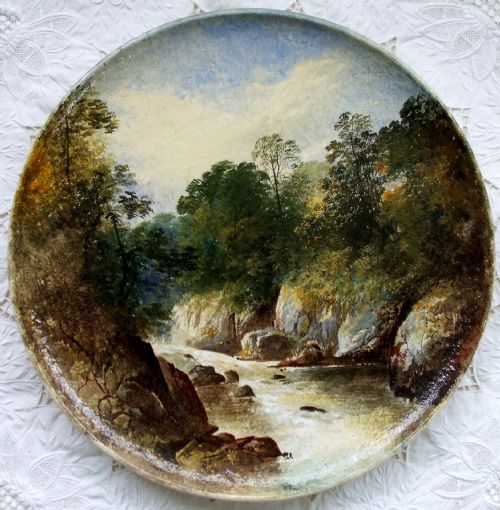

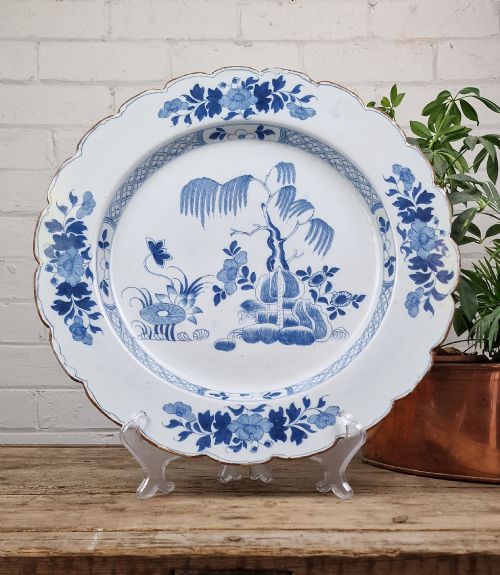
Antique English Earthenware Plate
When you handle an antique english earthenware plate, you hold centuries of domestic history in a porous, painted body.
Antique English Earthenware Plate
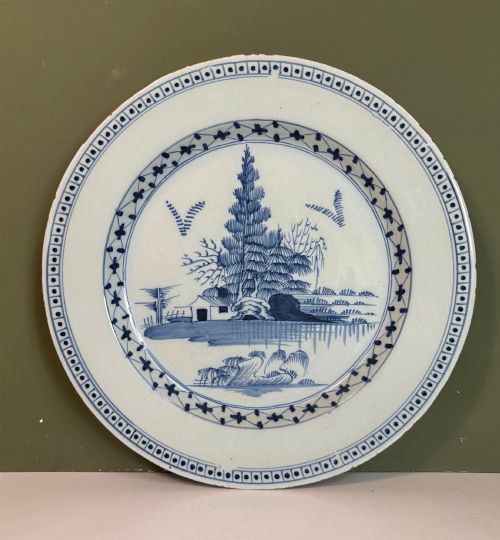
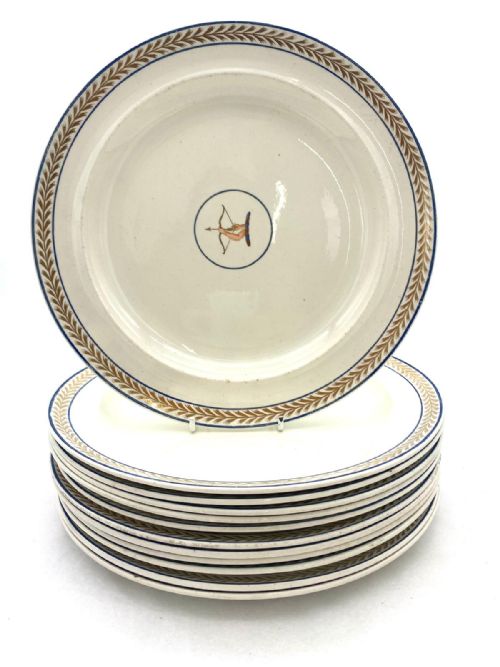
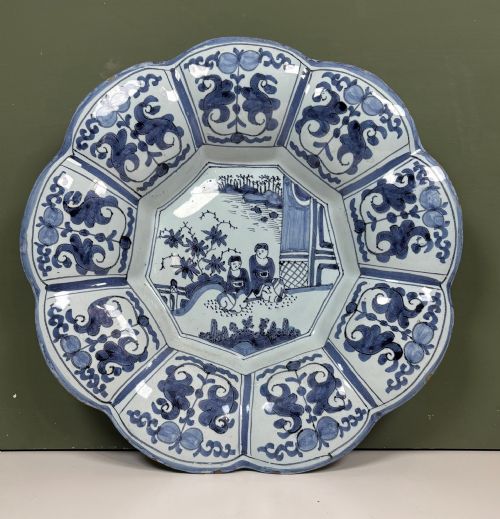
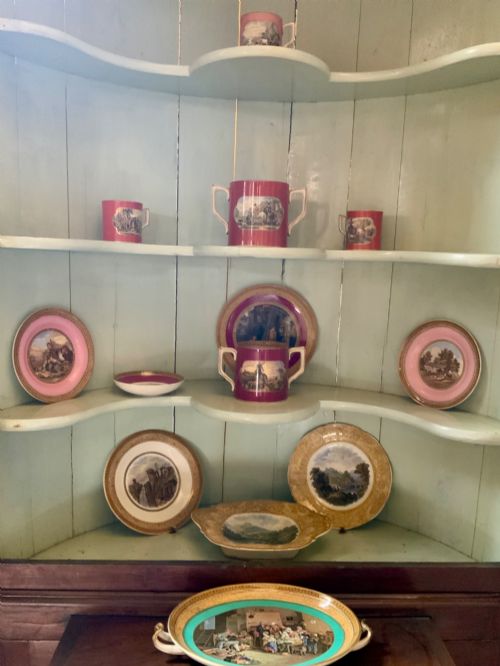
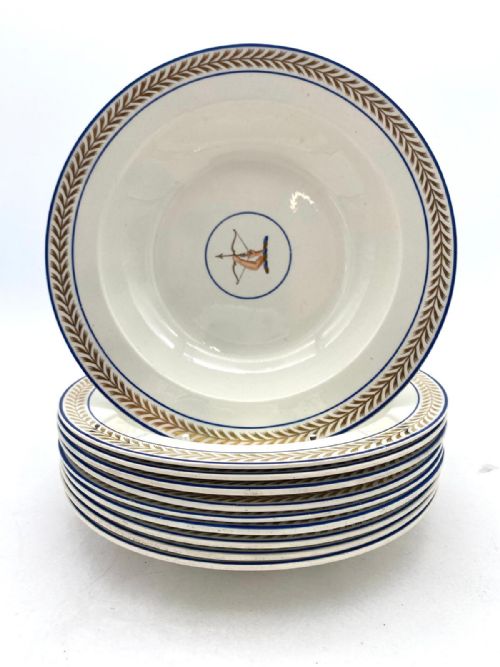
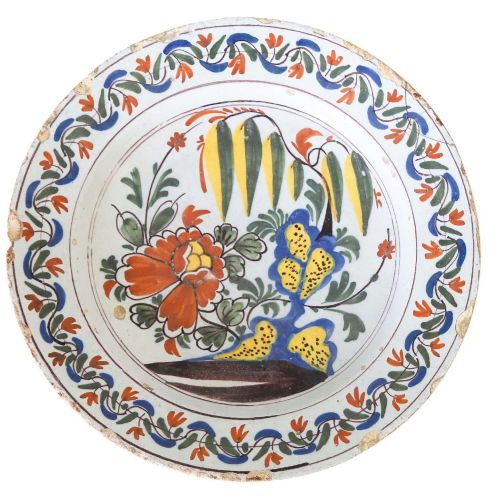
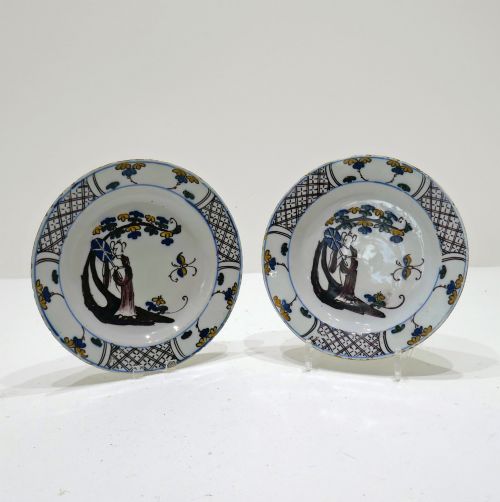
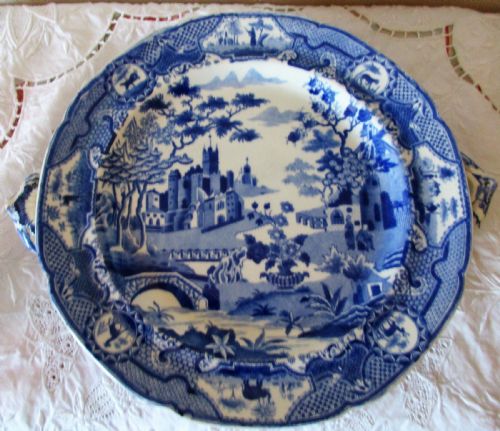
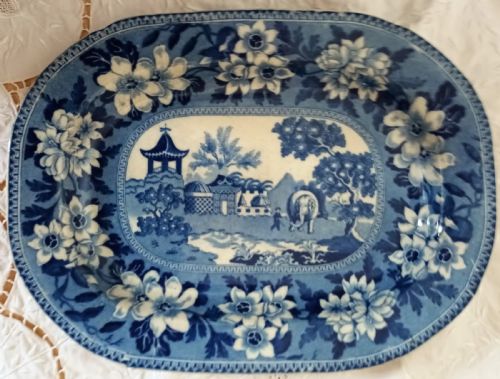
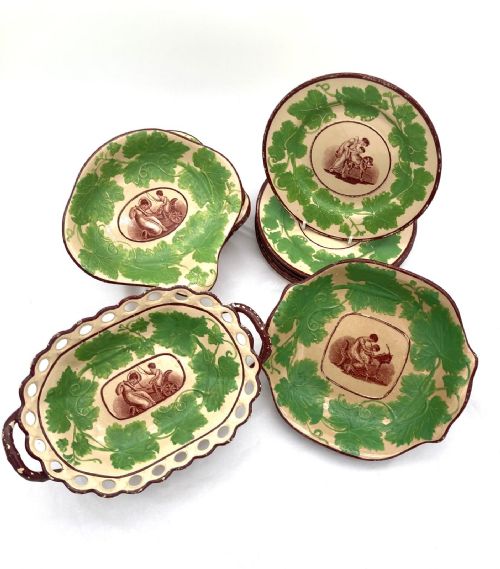
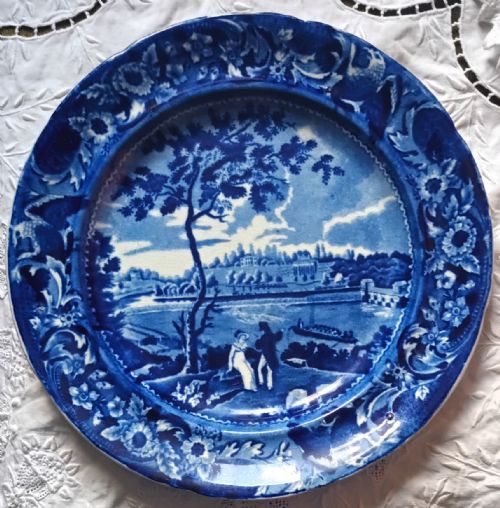
An antique english earthenware plate encompasses a wide variety of domestic and decorative ceramics spanning the eighteenth and nineteenth centuries. You will frequently encounter blue and white transferware, polychrome delftware chargers, and creamware dishes across Georgian and Victorian periods.
The selection ranges from large chargers and serving platters to dinner plates and shallow bowls. These items capture the evolution of British table settings, shifting from hand-painted tin-glazed earthenware to ironstone and pearlware.
Materials and Technique
Potters formed these pieces using local earthenware clays, applying tin glazes or clear lead glazes over the ceramic body. Artisans then decorated the surfaces with cobalt pigment, enamel colours, or transfer-printed designs before firing.
Techniques evolved from early hand-painted delftware and creamware bodies to the robust ironstone bodies and intricate blue and white transfer printing of the nineteenth century.
Listings feature earthenware, creamware, pearlware, and ironstone across Georgian and Victorian periods.
Evaluating Quality
Quality rests upon the crispness of the transfer print or the confidence of the brushwork in hand-painted examples. Superior pieces display vibrant enamels, stable tin glazes, and well-balanced forms without excessive warping from the kiln.
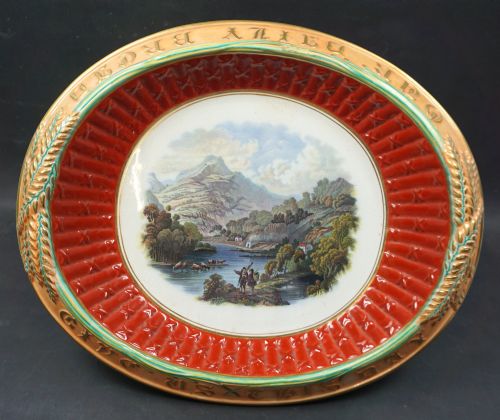
The distinction between standard domestic ware and finer display pieces often lies in the complexity of the subject matter, such as detailed topographical views or armorial designs.
Wedgwood·Spode·John Rogers and Son·Stubbs·William Yale·C.J. Mason
The Antique English Earthenware Plate Glossary
- Creamware
- A light-coloured refined earthenware developed in the eighteenth century. It replaced heavier salt-glazed stonewares on dining tables.
- Tin Glaze
- An opaque white glaze containing tin oxide. It provided a smooth, white surface for hand-painted decoration.
- Transferware
- Pottery decorated by applying a printed design from an engraved copper plate to tissue paper, which was then transferred onto the ceramic body.
- Charger
- A large decorative plate or dish. These were frequently hung on walls or used as centrepieces on dining tables.
Antique English Earthenware Plate: Frequently Asked Questions
How do I care for antique earthenware?
Wash these pieces gently by hand using mild soap and warm water. Avoid soaking them, as moisture can penetrate old, porous ceramic bodies through hairline cracks in the glaze.
Keep them away from modern dishwashers and sudden temperature changes. Display them securely on padded hangers or stable plate stands.
Were these plates used for dining?
Many examples served practical daily functions on eighteenth and nineteenth-century dining tables. Robust creamware and ironstone plates handled heavy daily meals.
Larger chargers and pictorial platters served ceremonial or decorative purposes. They functioned as display pieces in formal rooms or carried meats to the table.
How can I tell the period of a plate?
Examine the weight, glaze characteristics, and decorative method to estimate age. Eighteenth-century pieces often show hand-painted motifs on tin glazes or early creamware bodies.
Nineteenth-century examples frequently utilise transfer printing on harder earthenware or ironstone bodies. Maker marks and registry numbers can also narrow down the date.