



Antique English Doorstop
An antique english doorstop holds open heavy interior portals while introducing sculptural weight to a hallway through period metalwork and cast forms.
Antique English Doorstop
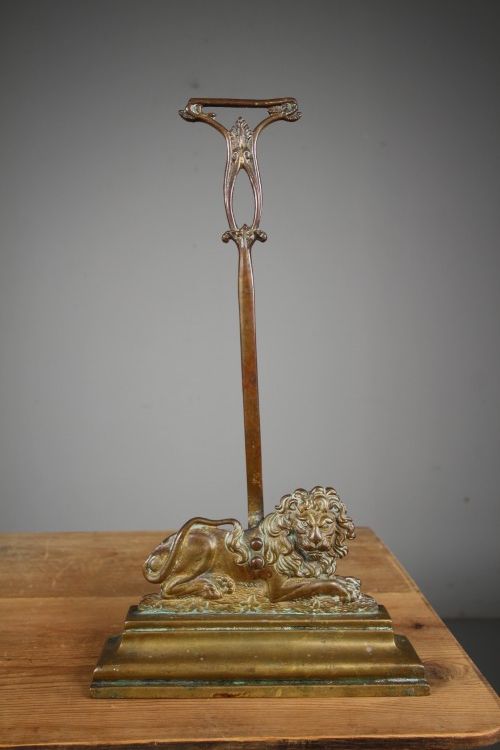
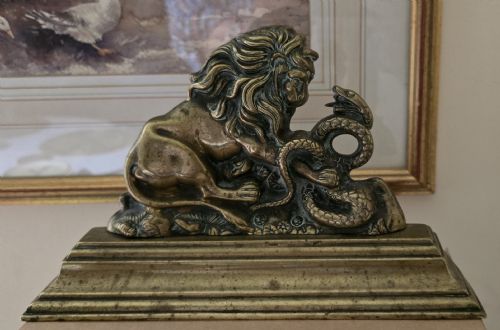
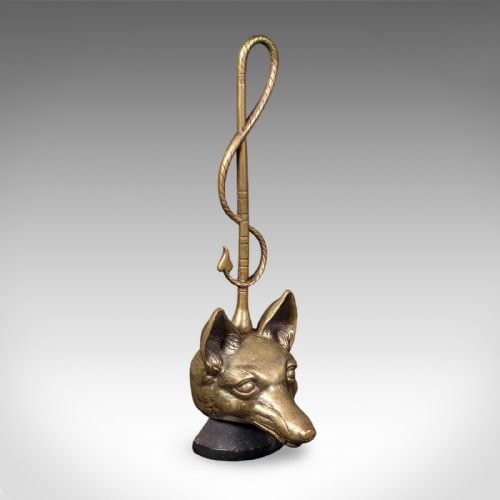
The antique english doorstop spans utilitarian iron and brass weights created to manage draughts in period properties, appearing in forms from heraldic animals to classical figures. These pieces originate across Georgian, Regency, Victorian and Edwardian eras, serving as both practical door keepers and decorative fireside ornaments.
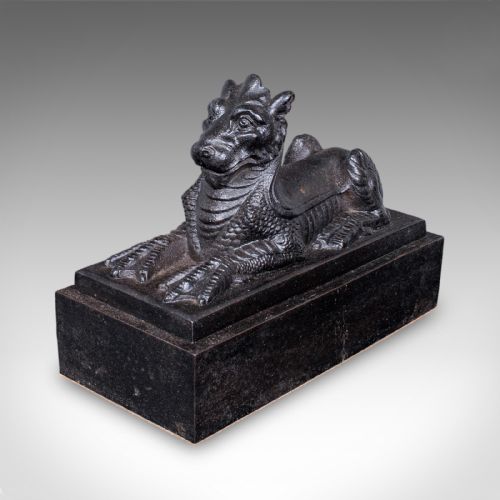
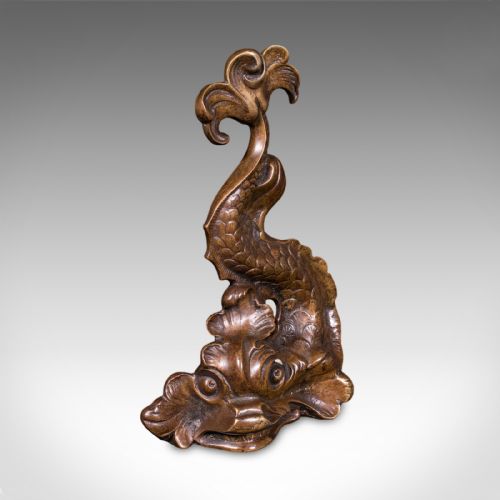
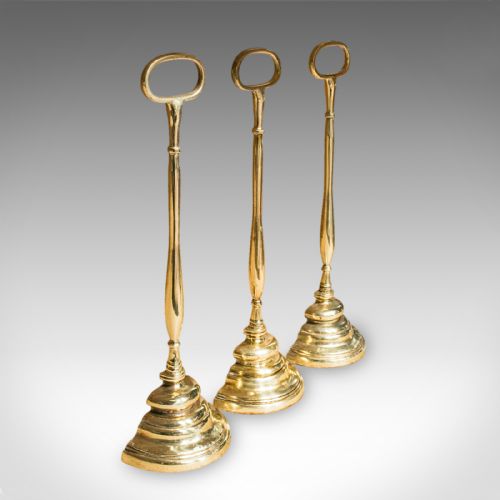
Most examples encountered here are heavy metal castings, including brass door porters with integral loop handles and cast iron figures depicting lions, dogs and mythological subjects. These heavy objects combine domestic utility with sculptural presence, often taking the shape of animals, heraldic symbols or human figures.
How They Were Made
Makers integrated lead or weighted iron bases into hollow forms to ensure the necessary heft for holding heavy doors, attaching handles and loops securely to the main casting. Skilled metalworkers finished the surfaces through filing and polishing, occasionally incorporating glass elements such as sulphide dumps into related fireside objects.
Listings feature cast iron, brass, bronze, glass and ceramic materials across Victorian, Georgian, Edwardian and Regency periods.
What Varies in Quality
The integrity of the original surface finish, whether polished brass or historic painted decoration, dictates the visual authority of the piece. Examples retaining their original loop handles, weighted bases and uncompromised structural connections command greater presence in a room.
William Tonks·William Tonks and Sons
The Antique English Doorstop Glossary
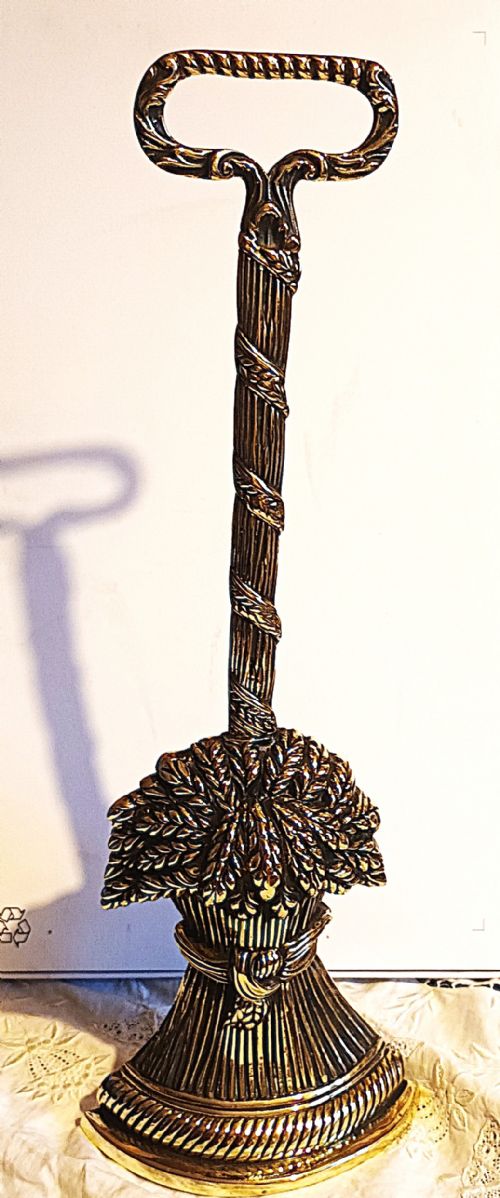
- Door porter
- A tall, weighted metal stop featuring an integrated carrying handle at the top for moving it between rooms. This form is frequently associated with heavy brass nineteenth-century examples.
- Sulphide
- A small white ceramic cameo embedded within the body of heavy glass objects such as dumps. It creates a contrasting pictorial motif inside the clear material.
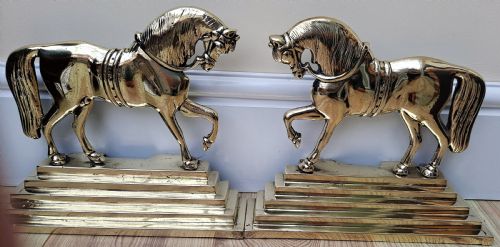
- Chimney horse
- A traditional term applied to metal fire ornaments or door furniture shaped as horses or related figures. These items served dual purposes near the hearth.
- Egyptian Revival
- A nineteenth-century design style drawing on pharaonic motifs like sphinxes and classical forms. Pieces in this category reflect archaeological fascination.
- Door butler
- An alternative Edwardian term for heavy weighted figures designed to keep doors stationary. These items combine utility with domestic character.
Antique English Doorstop: Frequently Asked Questions
How do I use a heavy door porter?
These weighted objects sit directly against an interior door to prevent draughts from moving the panel in a hallway. The integrated handle allows you to lift and reposition the heavy metal body with ease.
Position the base firmly against the edge of the open door on a flat floor surface. Ensure the weight matches the resistance of the door to hold it securely in place.
What metals were used for these items?
Foundries relied primarily on cast iron, brass and bronze to achieve the necessary weight and durability for holding open heavy timber doors. Some examples combine brass components with iron weighted bases.
Painted finishes appear frequently on iron castings, while brass pieces were generally polished to highlight the metal surface. Occasional glass and ceramic items also provide alternative heavy options.
How do I date an iron doorstop?
Dating relies on the stylistic vocabulary, such as Regency classical motifs, Victorian animal subjects or Edwardian figures. Examining the casting texture and wear patterns on the base provides further context for the period of manufacture.
Historical records and foundry marks occasionally assist in narrowing down the decade of production. Stylistic shifts from Georgian restraint to Victorian ornamentation offer clear chronological markers.
Can I polish vintage brass stops?
Polishing brass depends entirely on personal preference regarding the patina built up over decades of domestic use. Many collectors prefer to preserve the aged surface rather than return the metal to a bright shine.
Gentle cleaning with a soft cloth removes surface dust without harming the historic finish. Avoid harsh abrasive compounds that might soften the crisp details of the original casting.