



Antique English Ceramic Castle
These antique English ceramic castle pieces bring nineteenth century romance and architectural whimsy straight to the mantelpiece.
Antique English Ceramic Castle
When you search for antique English ceramic castle, you encounter a charming array of decorative objects, figurines, and tableware spanning the Georgian and Victorian eras. These items capture the architectural fascination of the nineteenth century, ranging from mantelpiece ornaments to functional servingware.
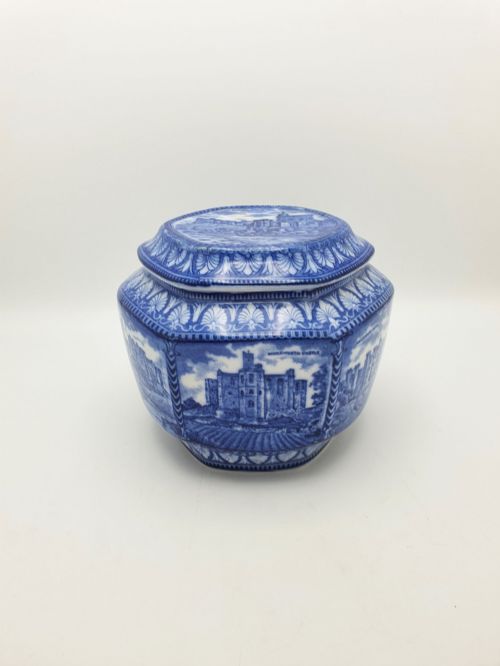
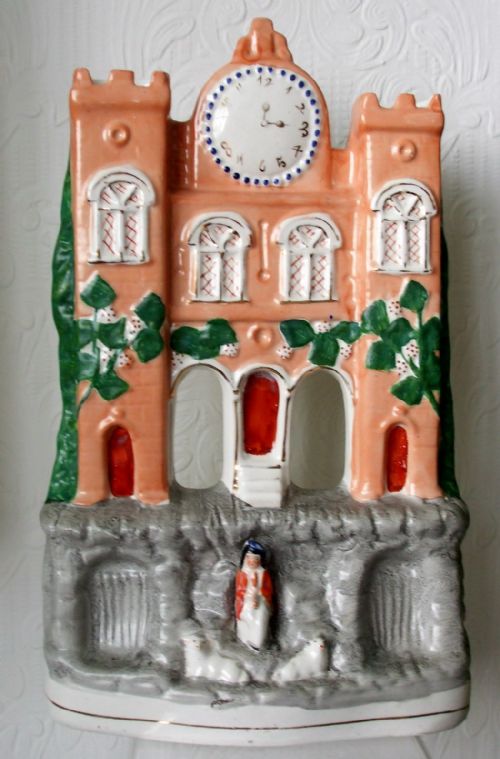
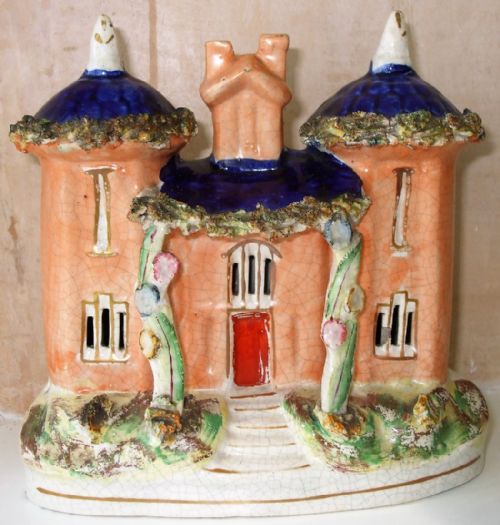
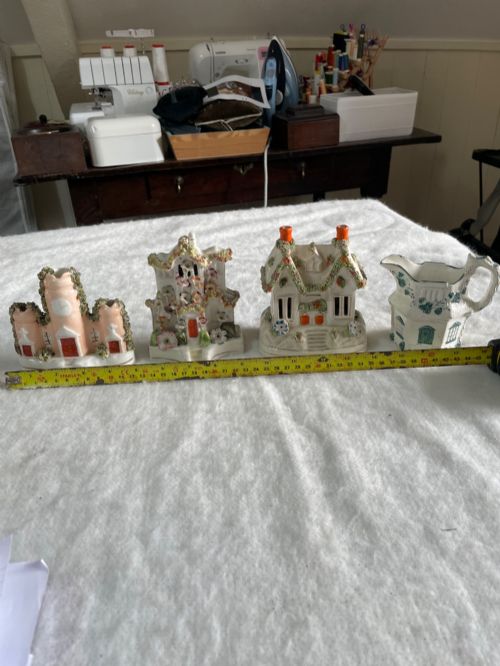
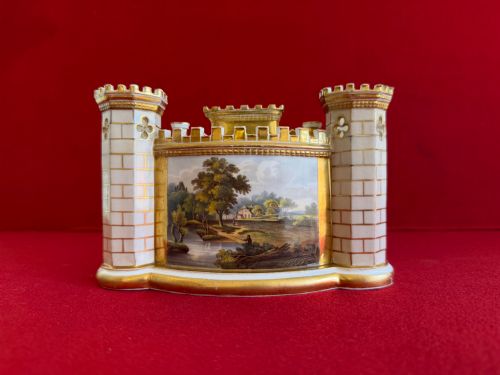
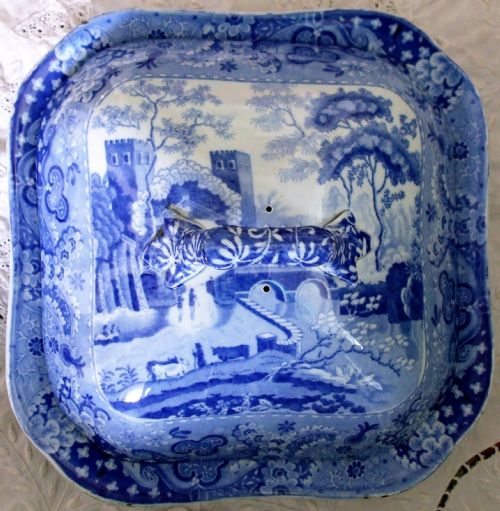
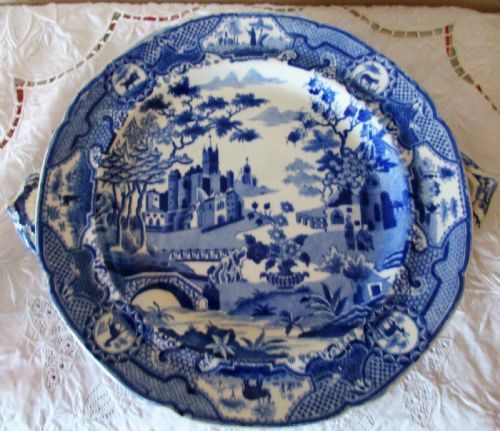
You are most likely to meet Staffordshire pottery figures and cottages, alongside blue and white transfer ware plates, tureens, and tazzas. The selection extends from Regency spill vases to Victorian flat back models and Coalport dinner plates depicting specific landmarks like Windsor Castle.
How they were made
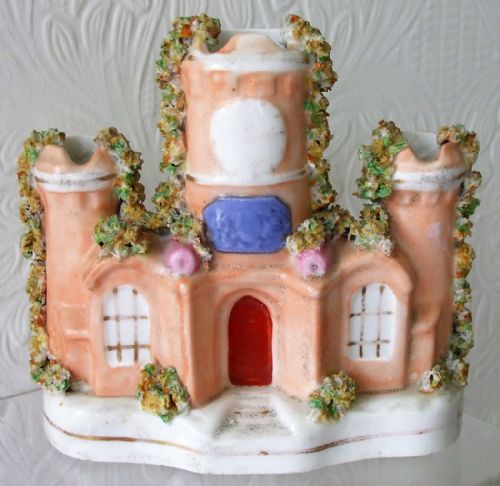
Potters shaped these earthenware and porcelain objects using traditional methods, often applying lead glaze, enamel, and gold leaf highlights to enhance the architectural details. Encrusted clay frequently appears on Staffordshire pieces to simulate foliage, stone texture, or rugged landscape around the fortress walls.
Transfer printing technology allowed makers to apply intricate Gothic castle scenes onto blue and white pottery such as plates and vegetable tureens. Skilled hands then added hand-painted enamels and gilt touches over the glaze to bring depth and colour to the finished vessels.
Antique English Ceramic Castle Retail Price Guide 2026
Typical asking prices for english ceramic castle among the pieces listed under this phrase on Sellingantiques today, from the lower quarter to the upper quarter. They describe what is for sale here now, not the wider market.
Potters added tiny blobs of clay to make craggy castle walls look like they were covered in moss.
What varies in quality
The application of glaze, enamel, and gilt details also dictates the visual appeal of each castle. Pieces showing careful hand-painting over transfer outlines or rich gilding represent the finer end of the nineteenth century range.
Spode·J. and R. Clews·Coalport
The Antique English Ceramic Castle Glossary
- Staffordshire pottery
- Ceramic wares produced in the various potteries of Staffordshire, known for decorative figures, flat backs, and cottages. This region dominated the production of nineteenth century mantelpiece ornaments.
- Transfer ware
- Pottery decorated by transferring a printed design from an engraved copper plate onto the ceramic surface. This technique enabled detailed castle scenes to be reproduced consistently on plates and tureens.
- Flat back
- A style of Staffordshire figurine designed to be viewed from the front, with the reverse left unadorned or flat. These pieces were intended to sit neatly against a wall or on a mantelpiece.
- Spill vase
- A small hollow ceramic vessel designed to hold taper spills for lighting candles or fires. They often took whimsical architectural forms such as castles.
- Tazza
- An ornamental shallow cup or plate mounted on a stem and foot, used for serving food or displaying fruit. These items often featured castle transfer patterns.
- Encrusted clay
- Applied fragments of clay used to create textured surface details such as foliage, moss, or rocks on ceramic figures. It adds a tactile, three-dimensional quality to Staffordshire cottages and castles.
Antique English Ceramic Castle: Frequently Asked Questions
How were ceramic castles used?
Many of these pieces served as decorative ornaments designed to sit on mantelpieces or display shelves in Victorian homes. Others were functional dining items, such as vegetable tureens, hot-water plates, and dinner plates used during formal meals.
Regency examples like spill vases combined decorative architectural forms with the practical household task of holding tapers for lighting fires and candles.
How do I display a ceramic castle?
Flat back Staffordshire models suit narrow mantelpieces or bracket shelves because their unadorned backs sit flush against a wall. Transfer ware plates and tazzas look striking displayed on plate racks or within glazed cabinets where their blue and white castle scenes remain visible.
Grouping different scales together, from small spill vases to larger tureens, creates a balanced display that highlights the variety of nineteenth century ceramic forms.
How can I tell Georgian from Victorian pieces?
Georgian examples in this group frequently feature blue and white transfer printing on practical servingware like hot-water plates and tureens, often associated with makers such as Spode and Clews. These tend to showcase classical or early Gothic castle patterns.
Victorian pieces lean more toward sculptural earthenware figures, cottages, and flat back mantel ornaments, frequently enhanced with hand-painted enamel, gilt, and encrusted clay details.