


Antique English Candle Holders
These antique English candle holders bring steady, historic light to a room through centuries of metalwork and porcelain.
Antique English Candle Holders
When you search for antique English candle holders, you encounter items designed to burn tallow, wax, or rushes in domestic and formal spaces. The selections span the seventeenth century through the Art Deco era, encompassing varied lighting devices.
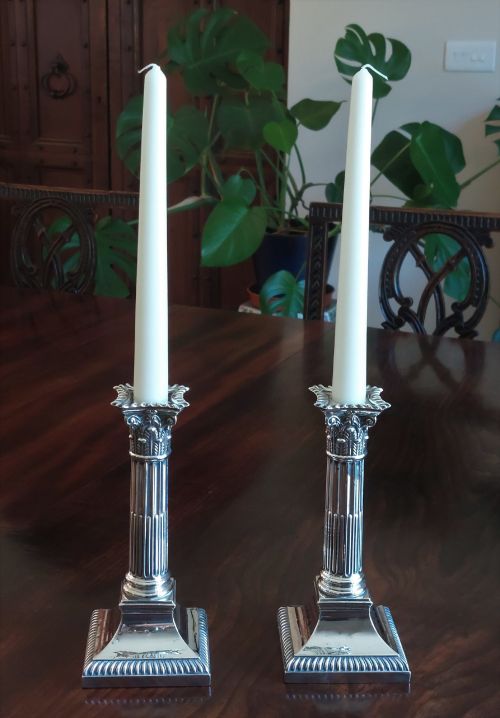
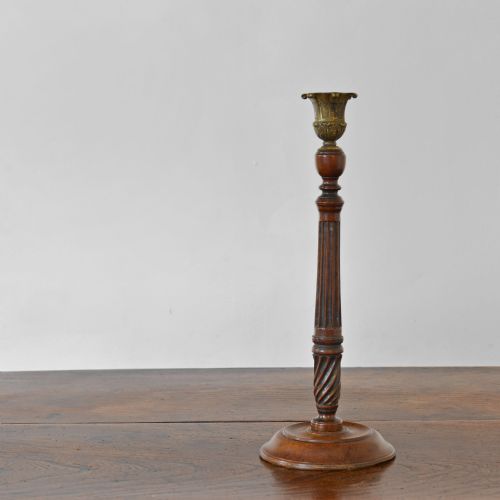
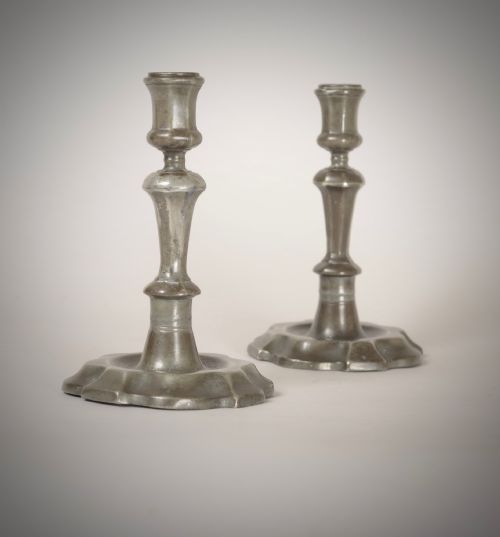
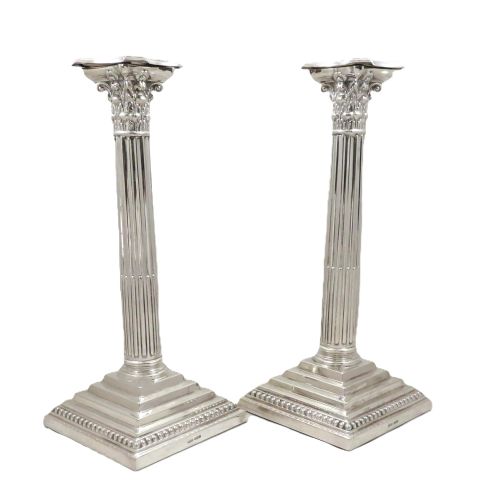
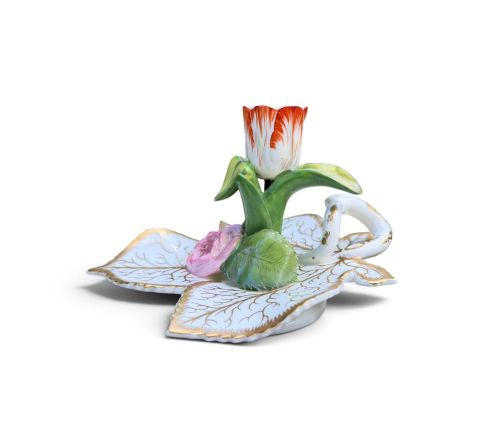
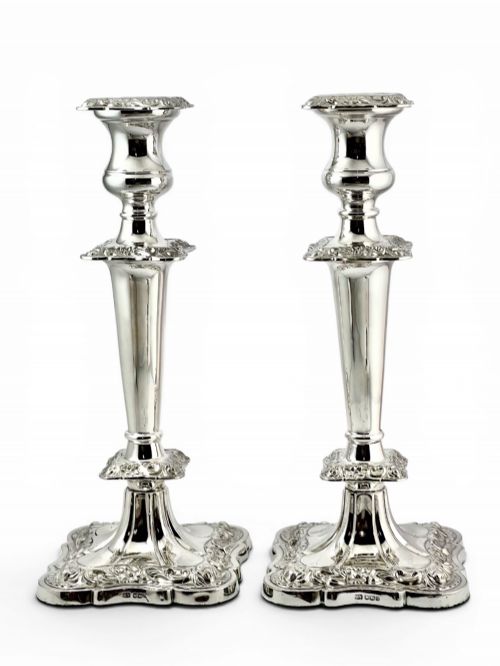
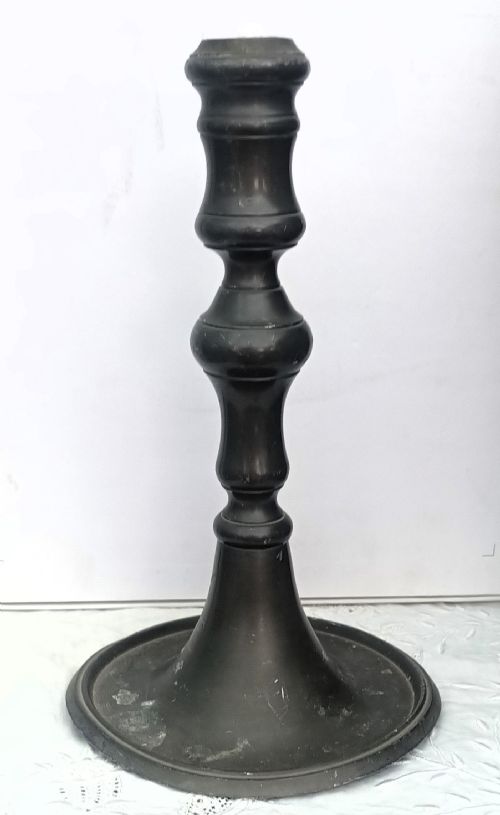
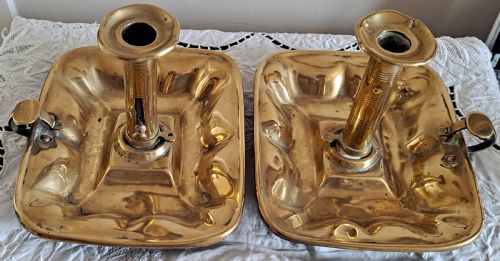
Most pieces seen here take the form of candlesticks, chambersticks with stubby handles, and multi-branched candelabras or lustres. Brass and sterling silver dominate the utilitarian and formal offerings, alongside soft-paste porcelain and pewter.
Examples range from utilitarian wrought iron rushlight holders to neoclassical brass pedestals and ornate Victorian designs. Georgian and Victorian periods provide the bulk of the domestic lighting instruments available on this page.
Materials and construction
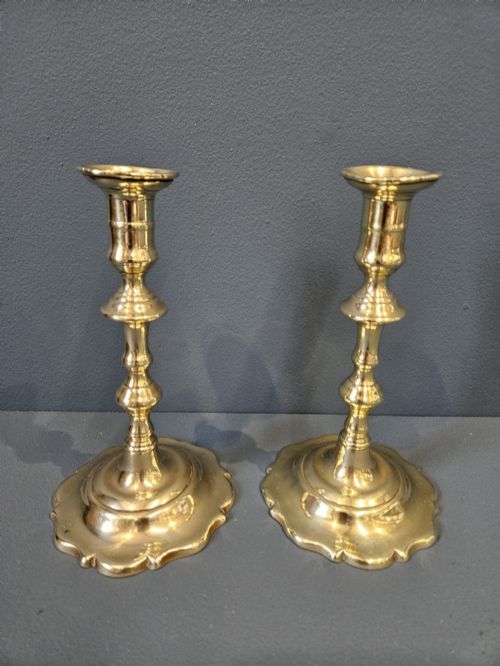
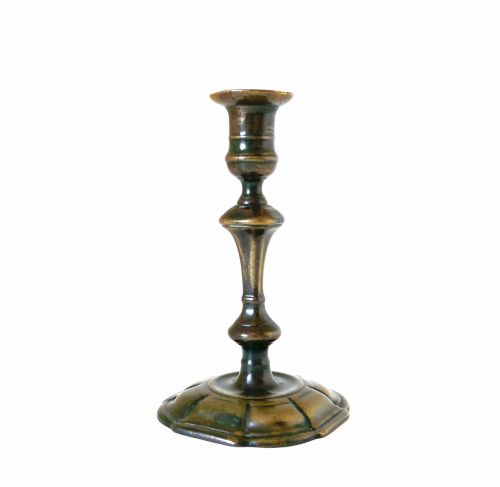
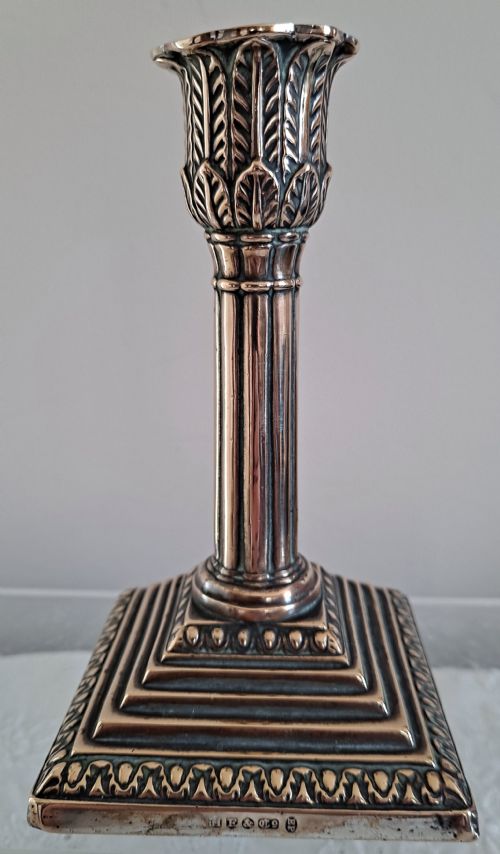
Metals form the core of these objects, utilising cast brass, seamed construction, spun silver, and forged wrought iron. Early brass candlesticks rely on seaming and turning on a lathe, while silver pieces often incorporate weighted bases and Corinthian columns.
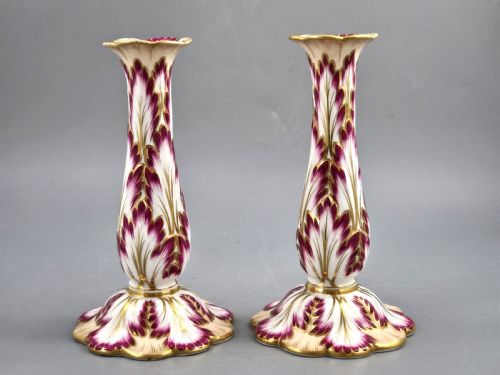
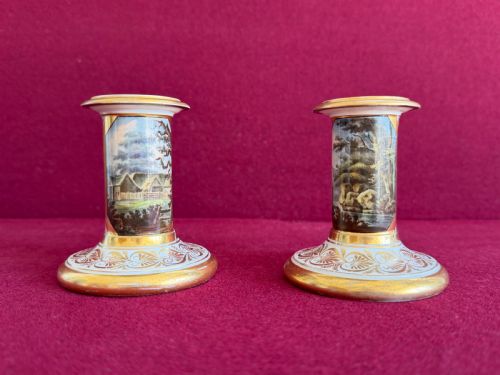
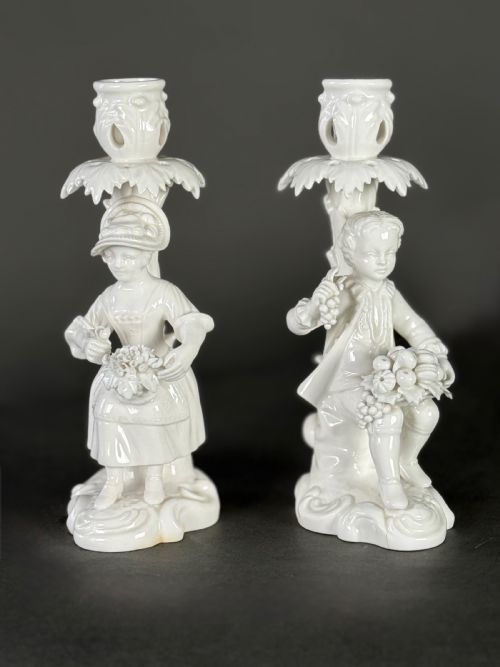
Porcelain items involve hard-paste and bone china bodies modelled with foliage, figures, or bocage work, frequently finished with gilding. Pewter and Old Sheffield Plate offer alternative metallic textures, combining durability with polished sheen.
Listings feature items spanning the 17th, 18th, 19th, and 20th centuries, covering Georgian, Victorian, Regency, and Art Deco styles.
Craftsmanship and preservation
Quality rests in the crispness of the casting, the weight of the metal, and the integrity of the original components. Superior brass examples show sharp petal bases and clean turning marks, whereas finer porcelain displays hand-painted detail and unblemished glaze.
Makers' marks, patent mechanisms such as telescopic stems, and intact gilding elevate the standing of individual pieces. Preservation of the original patina on bronze, brass, and pewter distinguishes better survivals from over-cleaned items.
Garrard & Co·Ridgway·Barr Flight & Barr·Thomas Hope
The Antique English Candle Holders Glossary
- Chamberstick
- A low candlestick fitted with a pan to catch dripping wax and a side handle for carrying through a house. These small lighting devices were essential before fixed domestic electricity.
- Candelabra
- A branched lighting fixture designed to hold multiple candles simultaneously. They offer greater illumination and decorative presence than single candlesticks.
- Rushlight
- A simple iron holder designed to grip a dried rush dipped in animal fat for cheap illumination. These utilitarian items date to the early periods of domestic lighting.
- Lustre
- A porcelain or glass tabletop ornament hung with cut crystal prisms that reflect candle flames. They often flank mantelpieces in pairs during the Georgian and Victorian eras.
- Old Sheffield Plate
- A composite material made by fusing a thin layer of sterling silver to a thicker copper base. This technique precedes modern electroplating and produces characteristic warm tones.
Antique English Candle Holders: Frequently Asked Questions
How do I date an old brass candlestick?
Dating relies on manufacturing techniques, base shapes, and stem profiles. Seamed sockets and solid cast petal bases typically point toward the Georgian period, while sharper machine-tooled lines suggest Victorian manufacture.
Examine the construction joints and underside for casting flaws or maker marks. Earlier pieces often exhibit hand-filed surfaces and distinct wear patterns around the socket rim.
What is the difference between a chamberstick and a candlestick?
A chamberstick incorporates a wide drip pan and a loop handle designed for carrying a lit candle from room to room. Standard candlesticks lack handles and remain stationary on tables or mantelpieces.
Chambersticks frequently include a small conical snuffer resting in the pan. Their low profile prioritised safe transport over elevated illumination.
How were telescopic candlesticks used?
Telescopic stems allowed users to adjust the height of the candle as it burned down, or to alter the height for packing and travel. Harrison patent examples demonstrate this clever mechanical innovation.
Inside the outer sleeve, an inner tube moves up and down on a friction fit or ratchet. This keeps the flame at a preferred level above the table surface.
Are porcelain candle holders fragile in use?
Porcelain candle holders require careful handling due to the brittle nature of ceramic bodies and delicate decorative elements like foliage or figures. They function best in low-traffic settings where accidental knocks are unlikely.
Use snug-fitting candles to prevent wax from dripping onto unglazed porcelain bases. Clean them gently with dry brushes rather than immersion in water.