


Antique English Buffet Server
An antique english buffet server brings centuries of dining heritage into a room, offering generous surface space and storage for serving essentials.
Antique English Buffet Server
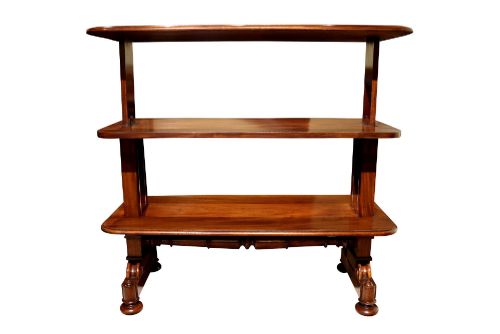
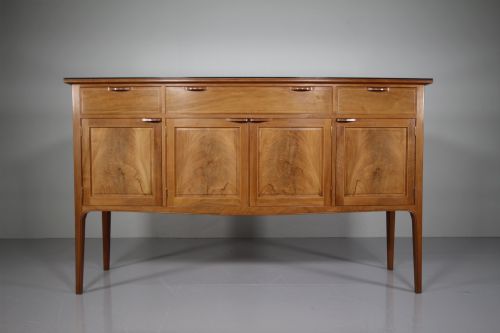
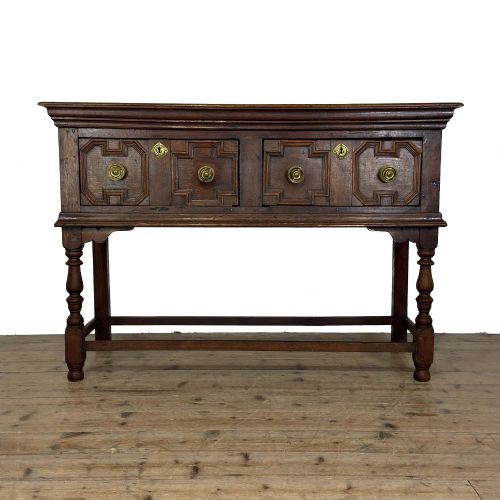
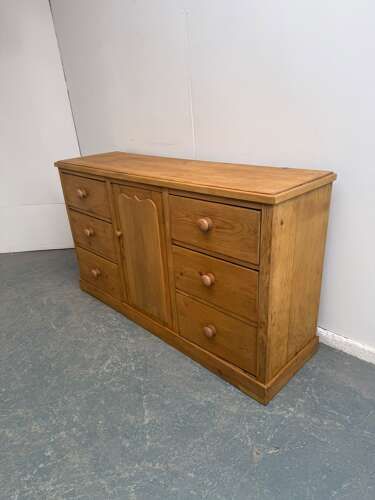
An antique english buffet server encompasses a wide variety of dining room and kitchen storage furniture, including dresser bases, serving tables, sideboards, and dumbwaiters.
Buyers will most frequently encounter 18th-century and 19th-century pieces, spanning Georgian, Regency, William IV, and Victorian periods.
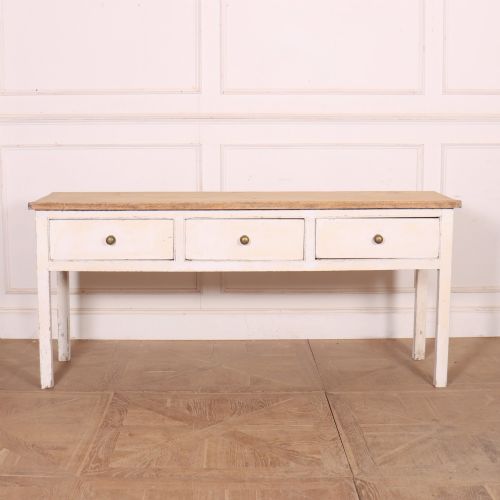
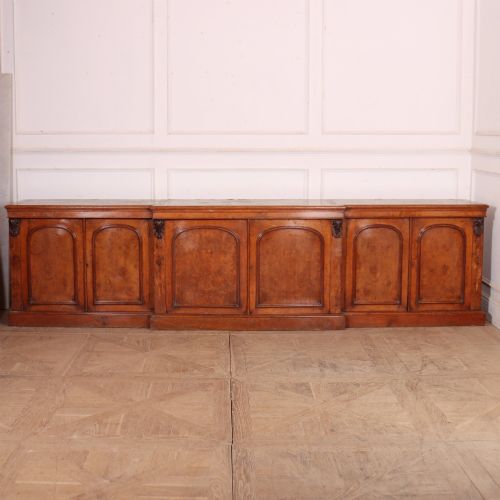
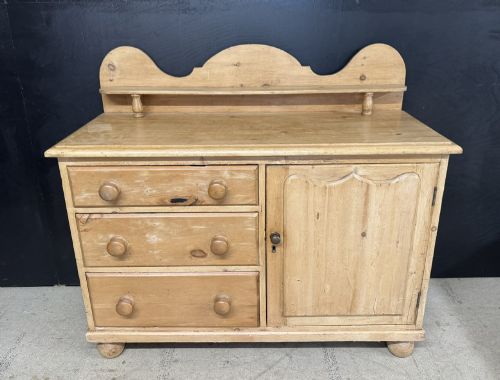
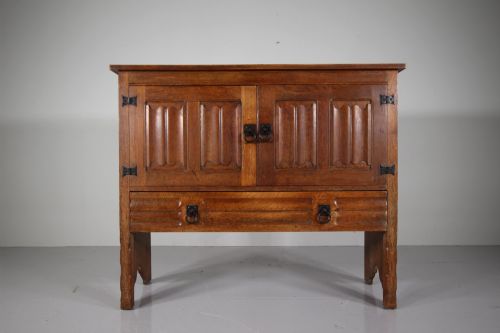
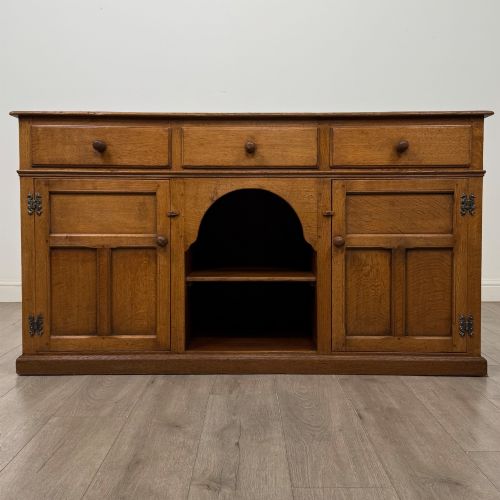
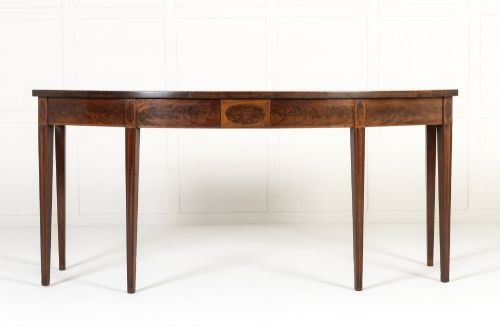
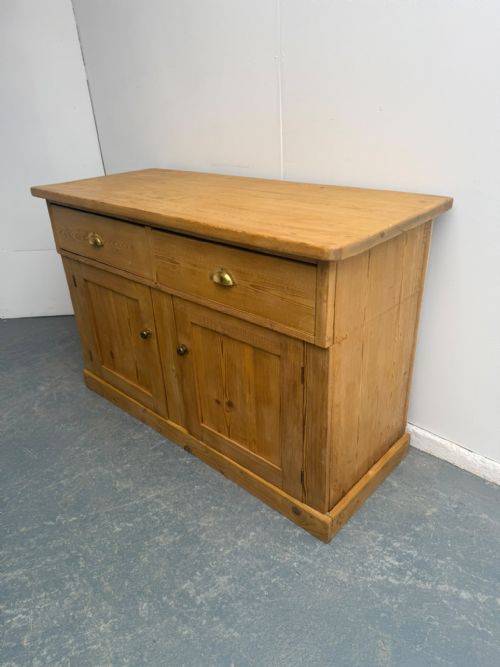
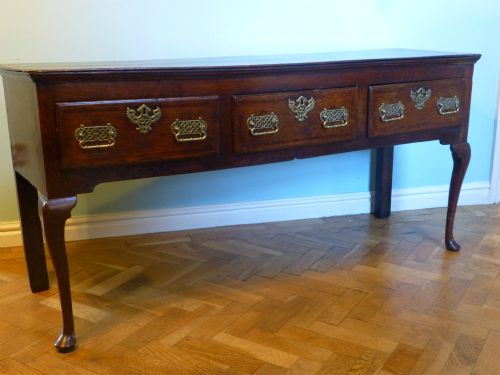
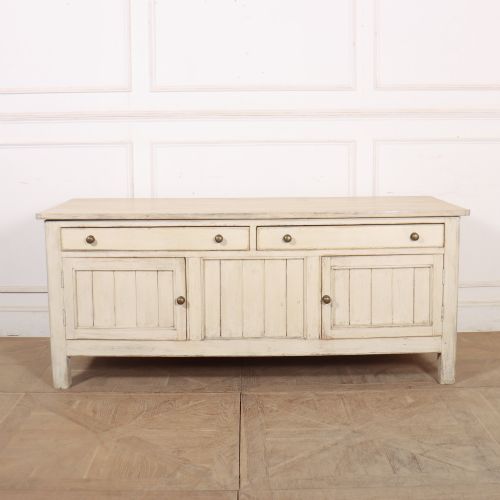
These items originate from both formal urban cabinetmakers and regional English country workshops, ranging from grand mahogany serving tables to sturdy pine and oak kitchen bases.
Materials and Construction
Cabinetmakers utilised durable native and imported timbers, predominantly solid oak, mahogany, and pine, frequently supplemented by flame mahogany veneer, pollard oak, walnut, and decorative brass hardware.
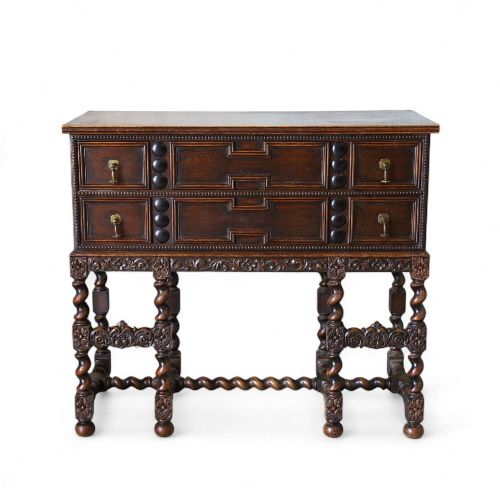
Surface treatments vary from waxed finishes and hand-carved details to painted wood and delicate ebony inlay, reflecting the prevailing style of the maker's era.
Listings feature woods including oak, mahogany, pine, walnut, and pollard oak across Georgian, Regency, and Victorian periods.
Evaluating Quality
Quality rests upon the selection of timber figures, such as flame mahogany or pollard oak, and the crispness of hand-carved or inlaid details.
Structural integrity, original hardware, and timber choice distinguish modest country workshop pieces from finely finished urban dining furniture.
Gillows·Oetzmann & Co
The Antique English Buffet Server Glossary
- Dresser base
- A lower storage cabinet featuring drawers and cupboards, historically used in kitchens and dining rooms for food preparation and tableware storage.
- Dumbwaiter
- A multi-tiered freestanding serving stand used to hold dishes and drinks near a dining table without requiring servant attendance.
- Potboard
- An open slatted lower shelf found on traditional oak dresser bases, originally designed to store pots and heavy kitchenware.
- Serving table
- A long, narrow table designed specifically for placing food and dishes during large meals before the widespread use of sideboards with built-in cupboards.
- Pollard oak
- Timber taken from trees that have been pollarded, producing a highly decorative, mottled grain highly sought after by Victorian cabinetmakers.
Antique English Buffet Server: Frequently Asked Questions
What is the difference between a buffet and a sideboard?
Buffets generally focus on serving food and often feature tiers or elevated serving surfaces, whereas traditional sideboards lean toward enclosed cabinet storage and drawer space for cutlery and linens.
Over centuries, cabinetmakers blended these forms, leading to overlapping terms in historical listings.
How were antique serving tables used in dining rooms?
Serving tables provided an auxiliary surface during large formal meals to hold dishes, warmers, and drinks away from the main dining table.
They allowed servants to plate courses efficiently before bringing them to guests.
How do I date an oak dresser base?
Dating relies on construction methods, timber selection, and hardware style, such as hand-cut dovetails, panel thickness, and leg forms like cabriole or square supports.
Earlier 18th-century pieces often display pegged joints and heavy oak timbers, while later 19th-century examples show more mechanised production.
Can I use a buffet server in a modern kitchen?
These pieces integrate well into contemporary spaces as kitchen islands, coffee stations, or storage sideboards for tableware and linens.
Their sturdy timber construction handles daily use while adding historical character to a room.