


Antique Enamelled Pendant
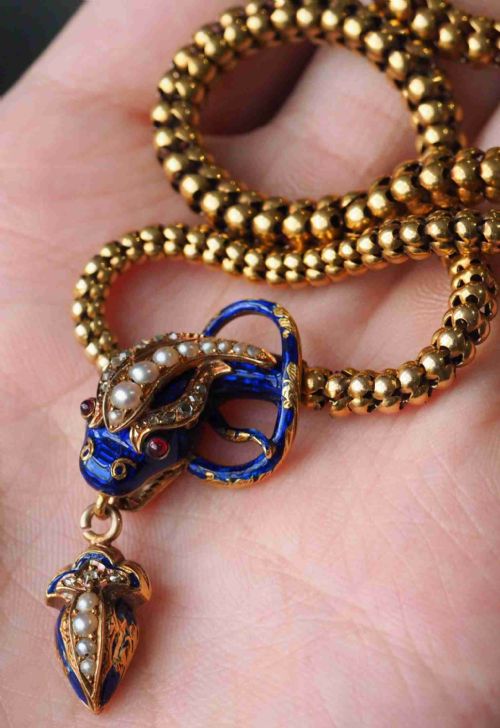
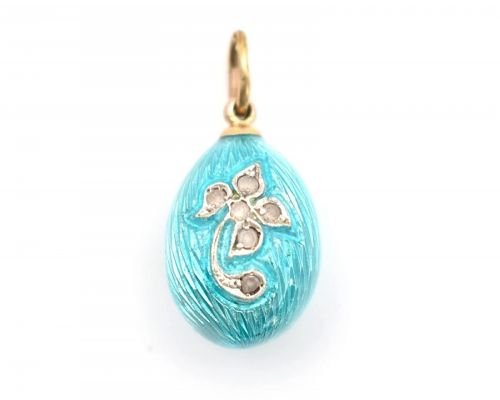
An antique enamelled pendant brings together fired glass and precious metal, offering intense colour and miniature portraiture from centuries past.
Antique Enamelled Pendant
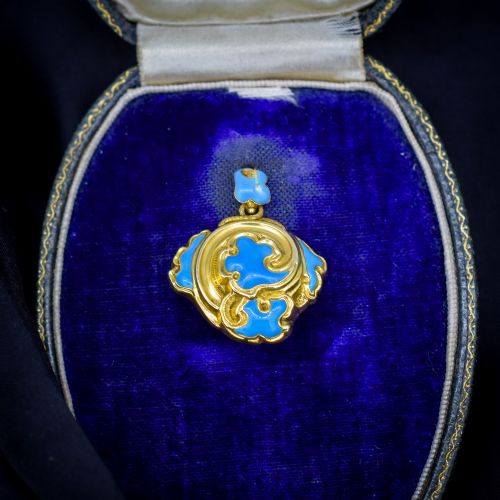
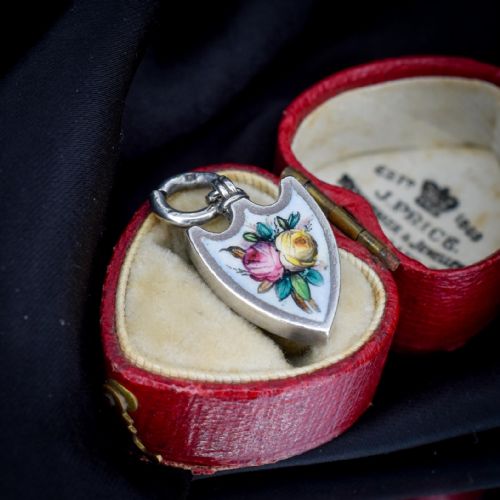
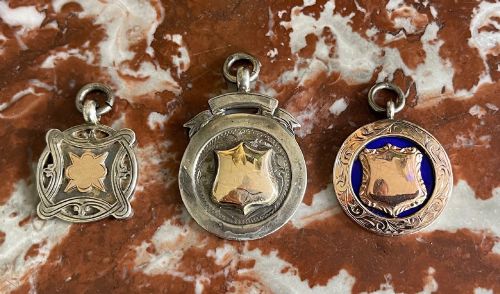
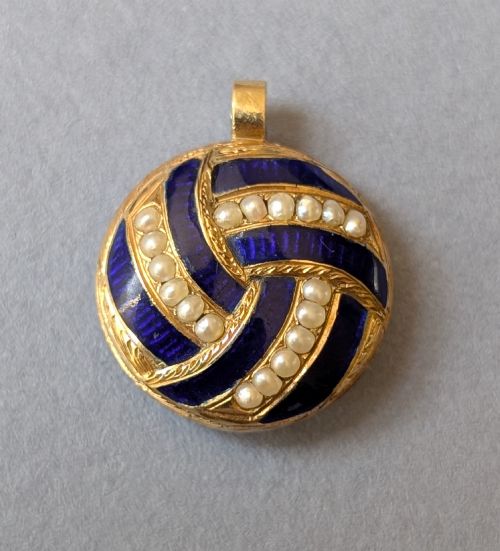
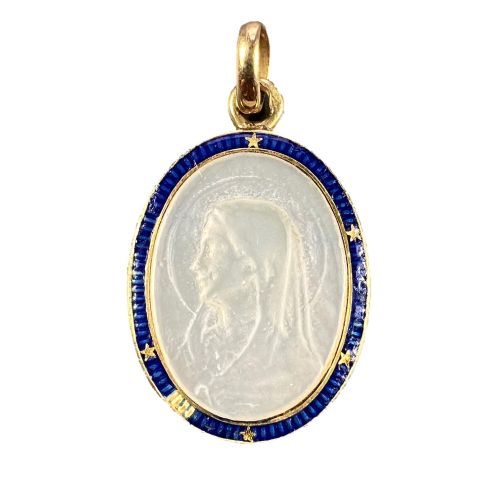
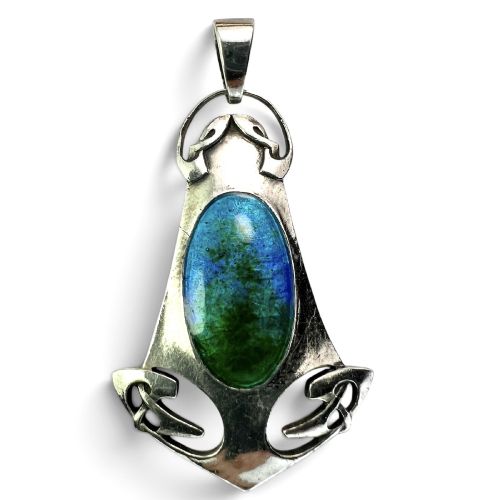
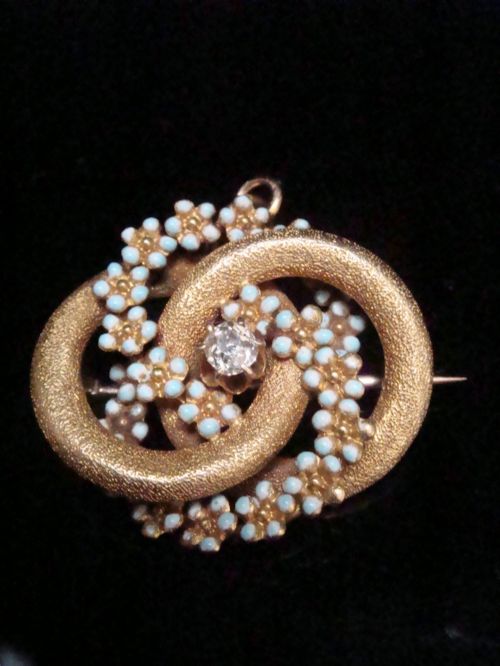
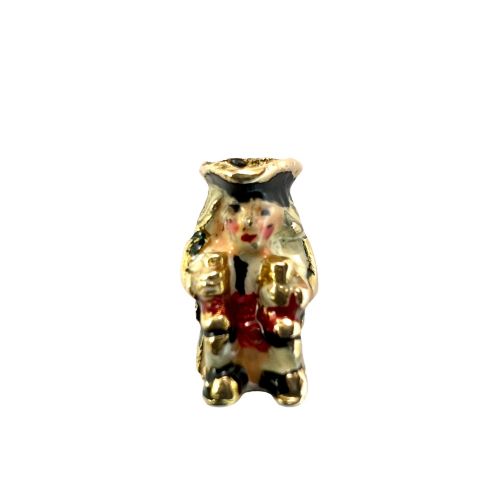
An antique enamelled pendant is a suspended ornament decorated with fused glass powder, taking forms such as lockets, portrait miniatures, devotional medals, and geometric charms. The selections here span centuries of design, with pieces originating from Georgian portraiture through to Art Deco and Art Nouveau workshops.
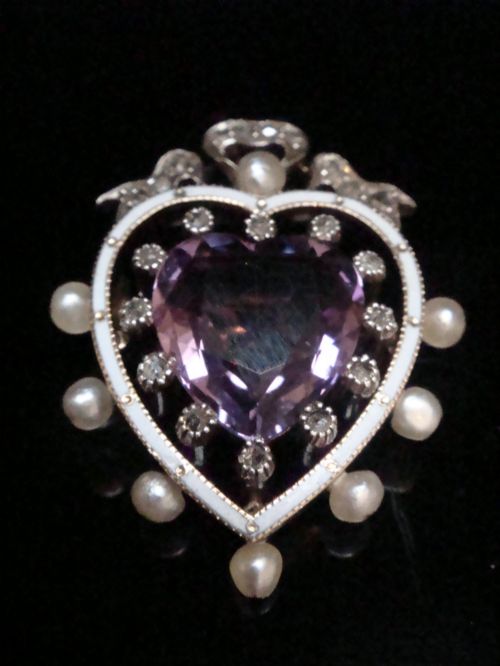
Buyers encountering this group will most frequently find silver and gold examples produced during the Victorian, Edwardian, and early twentieth-century periods. These items often incorporate supplementary materials like pearls, diamonds, or turquoise alongside the primary vitreous coating.
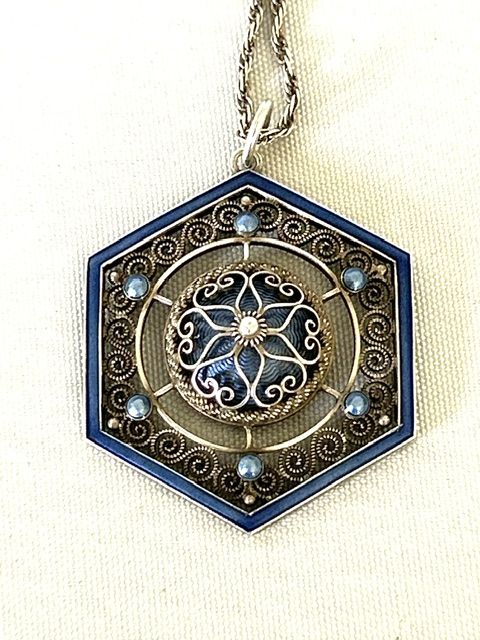
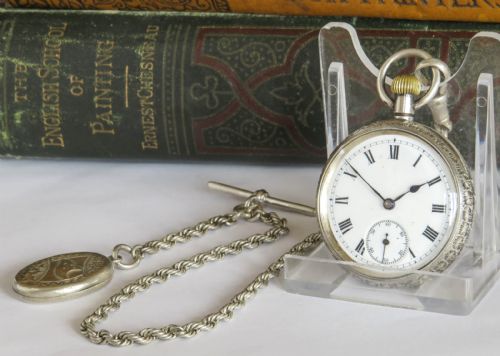
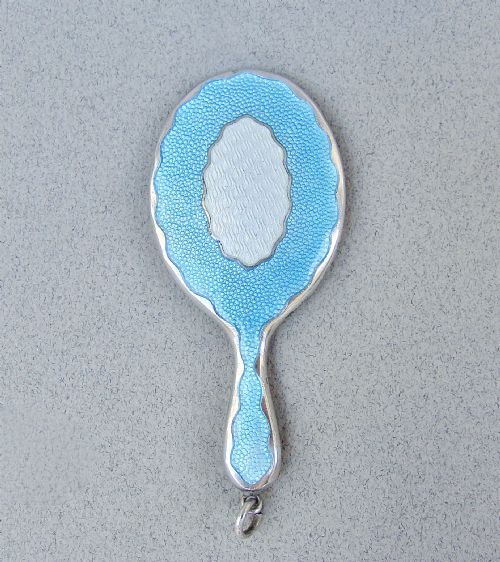
The typology extends beyond standard necklaces to include converted brooches, fob watches, and specific regional specialisms like Scandinavian guilloche or French plique-a-jour. Each variant demonstrates how makers applied enamel work to both personal adornment and functional items.
How they were made
Craftsmen applied powdered glass to metal bases - predominantly sterling silver, 15ct, and 18ct gold - before firing the pieces in a kiln to fuse the vitreous coating. Techniques varied from champlevé and cloisonné to guilloche, where engine-turned metallic patterns shine beneath transparent enamel layers.
Several miniature sarcophagi secretly function as propelling pencils, proving the Victorians enjoyed writing with ancient Egyptian pharaohs.
What varies in quality
Quality rests primarily on the technical mastery of the enamelling and the refinement of the metalwork surrounding it. Superior pieces display smooth, even surfaces without excessive pitting, warping, or misalignment in the underlying metal cells.
Artistic execution dictates value at the upper end, particularly in hand-painted portraits or complex plique-a-jour structures where precision prevents cracking. Maker attribution also elevates certain items, as signed Scandinavian or Liberty-associated pieces demonstrate superior design coherence.
Henry Bone·Marius Hammer·Murrle Bennett·Archibald Knox·Liberty and Co·Henry Williamson·Christian Friedrich Zincke·Henry Matthews·Sellier
The Antique Enamelled Pendant Glossary
- Guilloche
- An ornamental technique where a mechanical lathe engraves a precise, intricate pattern into metal beneath translucent enamel. This creates a shimmering, light-reflecting depth across the surface of the pendant.
- Plique-a-jour
- A vitreous enamelling technique resembling miniature stained glass, possessing no backing metal. Light passes freely through the translucent enamel cells.
- Vitreous Enamel
- A material made by fusing powdered glass to a substrate by firing, usually between seven hundred and nine hundred degrees Celsius. The resulting compound is durable and impervious to fading.
- Champlevé
- A technique where troughs or cells are carved into the surface of the metal and filled with enamel powder prior to firing. The remaining metal walls form the visible outlines of the design.
- Holbeinesque
- A nineteenth-century revival style inspired by sixteenth-century jewellery designs recorded by Hans Holbein. These pieces typically feature heavy goldwork, geometric enamel patterns, and suspended pearls.
Antique Enamelled Pendant: Frequently Asked Questions
How do I care for antique enamel jewellery?
Vitreous enamel is essentially glass, meaning it requires protection from sharp impacts and sudden thermal shocks that might cause cracking or chipping.
Clean pieces gently using warm water and a soft cloth, avoiding harsh chemical dips or ultrasonic cleaners that can damage delicate pearls or gold settings.
How can I tell the period of a pendant?
Stylistic markers offer the clearest indication of date, such as the flowing asymmetrical lines of Art Nouveau or the clean geometric symmetry typical of Art Deco production.
Hallmarks stamped onto the metal mounts provide official assay office stamps and date letters that narrow down the exact year of manufacture.
Were these pendants worn differently in the past?
Many surviving pieces served dual purposes, featuring integrated folding loops or pin stems that allowed a single ornament to function as both pendant and brooch.
Others formed part of longer chatelaine sets, pocket watch chains, or mourning assemblies designed to hold locks of hair and portrait miniatures close to the heart.