

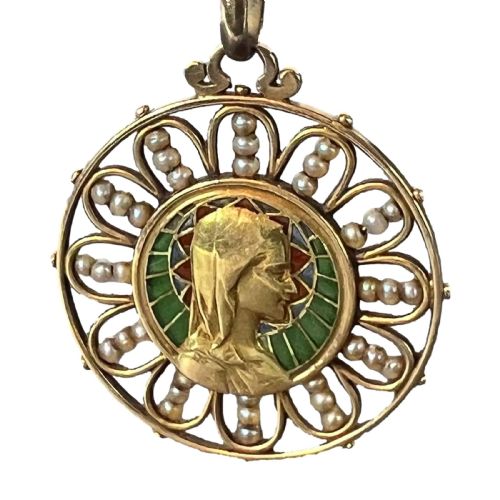


Antique Enamel Pendant Necklace
An antique enamel pendant necklace brings together vitreous colour and precious metal, offering the lasting charm of Victorian, Edwardian and Art Nouveau design.
Antique Enamel Pendant Necklace
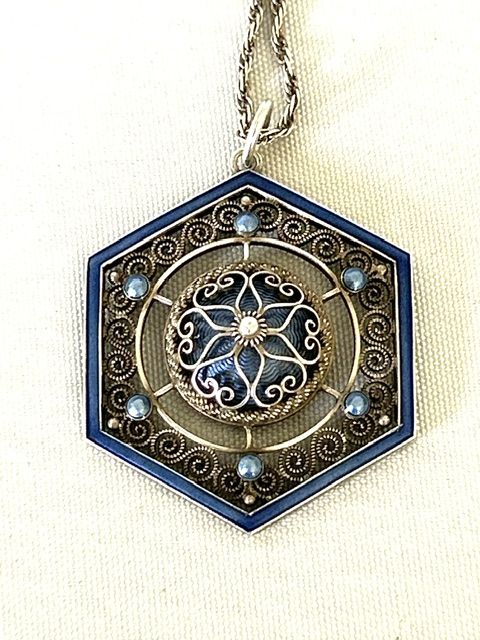
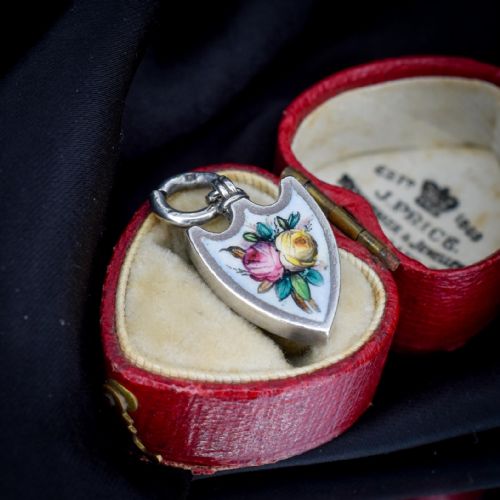
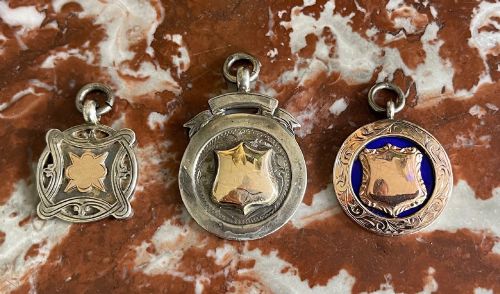
When you search for an antique enamel pendant necklace, you encounter pieces that suspend coloured glass paste fired onto metal from a chain or cord. These items span from the Georgian era through the Victorian period, Edwardian years and into the twentieth century.
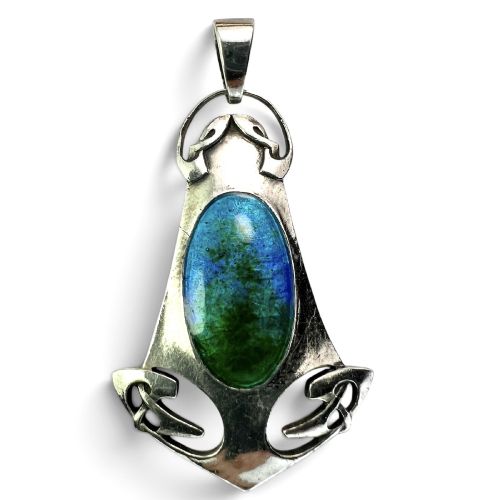
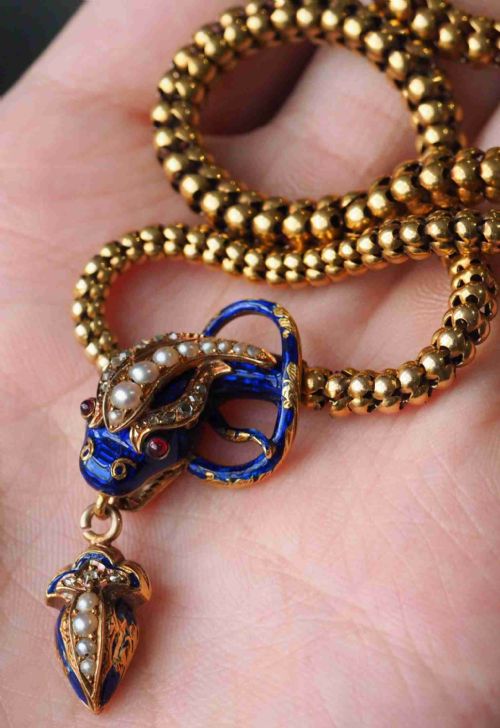
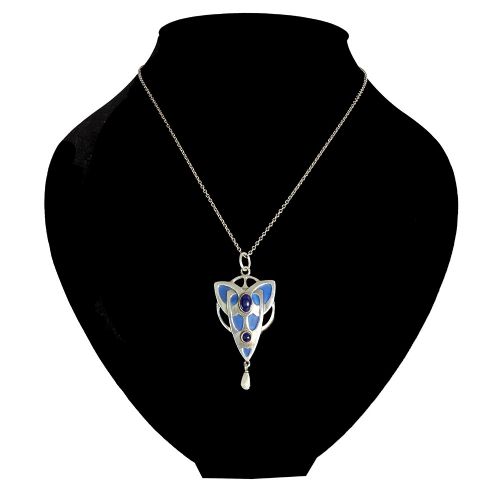
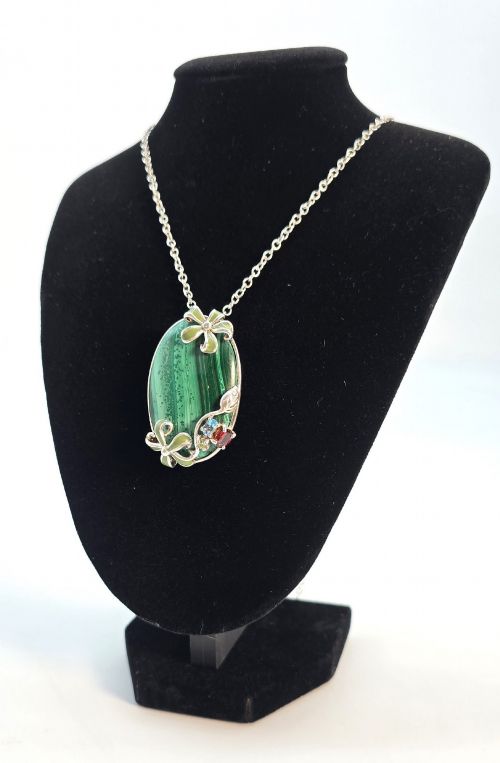
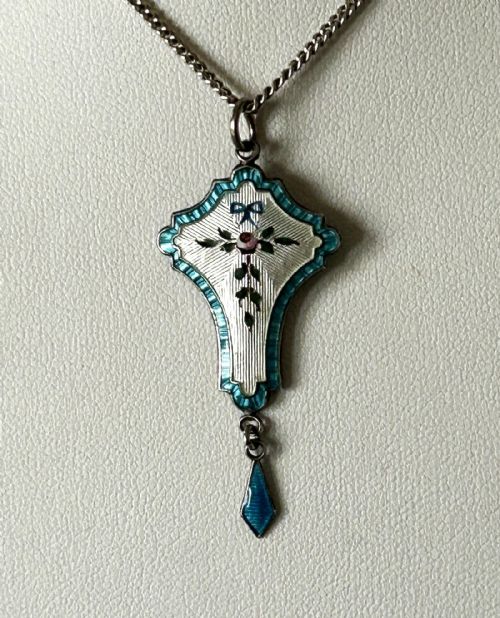
The versions you are most likely to meet on this page include Art Nouveau floral designs, Arts and Crafts silver work, and Victorian gold lockets. They combine precious metals like silver, 18K gold and 9ct gold with vitreous enamelling techniques.
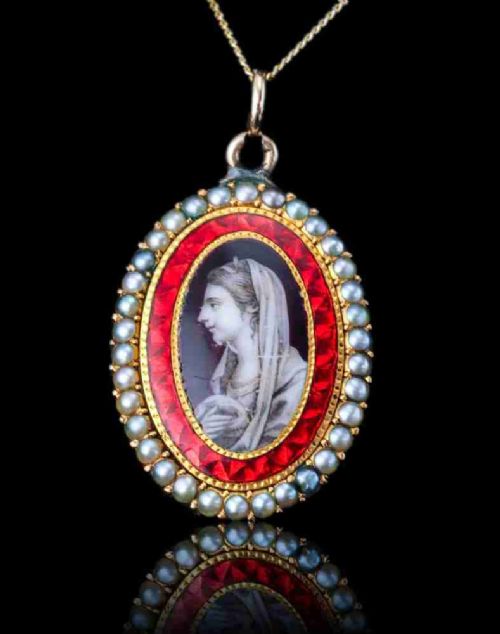
Makers across Britain, France, Scandinavia, Austria and Russia produced these jewels, incorporating pearls, diamonds, garnets and other stones. The forms range from simple shield charms and crosses to elaborate portraits and double-sided lockets.
Materials and technique
Artisans applied powdered glass to metal bases such as silver, sterling silver, 18K yellow gold, 15ct gold and 9K gold, then fired the piece in a kiln to fuse the vitreous enamel surface. This created glossy, permanent colour that resisted fading over generations.
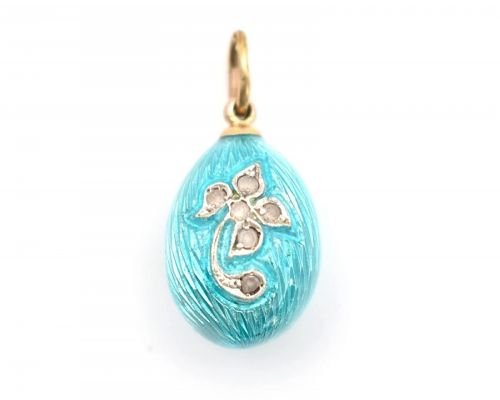
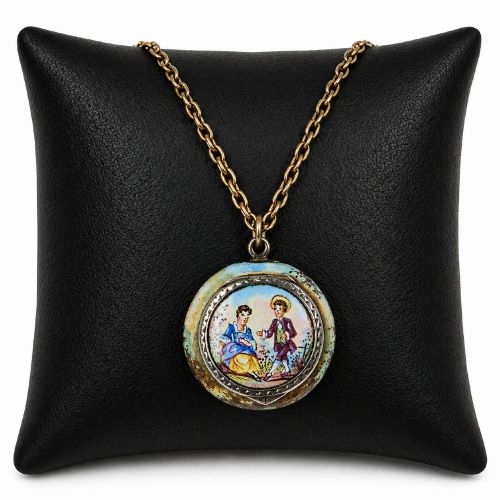
Techniques varied from guilloche, which laid down machine-turned engraved patterns beneath translucent enamel, to plique-a-jour, a method resembling stained glass without a backing metal. Craftsmen also utilised champleve and traditional painted portrait miniatures under glass.
Jewellers embellished these enamelled frames with seed pearls, diamonds, chalcedony, peridot, citrine, amethyst, garnets and turquoise. Settings often featured intricate wirework, gilt finishes and hinged components for lockets.
Listings feature silver, 18K gold, 15ct gold and 9ct gold combined with vitreous enamel, seed pearls and diamonds across the Victorian and Edwardian eras.
What separates the finest pieces
The distinction between standard items and superior works rests on the skill of the enameller and the renown of the workshop. Pieces designed by notable figures like Archibald Knox for Liberty, or produced by houses such as Marius Hammer and Heinrich Levinger, display exceptional mastery.
Complexity of technique elevates a piece, particularly the intricate execution of plique-a-jour or precise guilloche work combined with clean metal casting. The integration of high-grade gemstones like rose-cut diamonds and natural pearls alongside flawless enamel indicates higher original status.
Design cohesion also determines quality, where the flow of Art Nouveau whiplash lines or Arts and Crafts motifs demonstrates thoughtful artistry. Preservation of the fragile vitreous surface without heavy restoration preserves the integrity of the work.
Marius Hammer·Murrle Bennett·Archibald Knox·Liberty and Company·Wilhelm Fuhner·Levinger and Bissinger·Heinrich Levinger·Eduard Loss
The Antique Enamel Pendant Necklace Glossary
- Guilloche
- An ornamental technique where a mechanical lathe engraves a precise repeating pattern onto a metal surface beneath translucent enamel.
- Plique-a-jour
- An enamelling technique where the enamel is applied within a cell framework without a backing, allowing light to shine through like stained glass.
- Holbeinesque
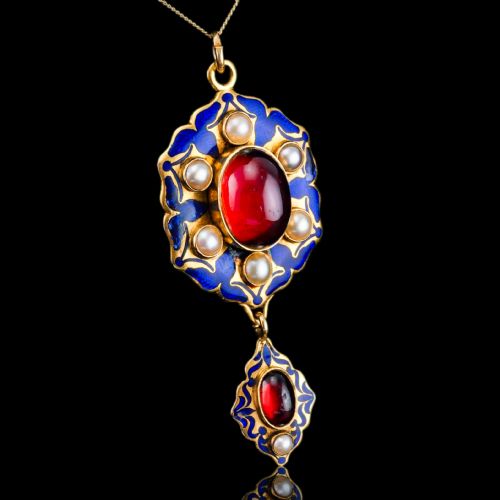
- A Victorian revival style inspired by sixteenth-century jewellery designs, typically featuring heavy gold, gemstones, pearls and suspended enamel drops.
- Vitreous Enamel
- A material made by fusing powdered glass to a metallic substrate through high-temperature firing, creating a durable and glossy coloured coating.
- Fob
- A short strap, ribbon or chain attached to a pocket watch, which often featured an enamelled pendant or seal charm.
Antique Enamel Pendant Necklace: Frequently Asked Questions
How do I care for antique enamel jewellery?
Vitreous enamel is essentially glass and requires gentle handling to prevent chipping or scratching against hard surfaces. Clean pieces softly with a damp cloth rather than chemical dips or ultrasonic cleaners.
Store pendants individually in padded boxes away from other metals and gemstones. Avoid wearing them during physical activities or exposing them to sudden temperature shifts.
What is the difference between guilloche and plique-a-jour?
Guilloche involves engraving a metal base so that the pattern shows through a transparent layer of coloured enamel. This technique provides depth and geometric shimmer.
Plique-a-jour leaves the back open so light passes directly through the translucent enamel panes, resembling miniature stained-glass windows.
How can I tell an Edwardian pendant from a Victorian one?
Victorian pieces often feature darker, heavier gold settings, mourning motifs, serpents or rich blue and red enamel. They frequently incorporate garnets, seed pearls and substantial locket backs.
Edwardian items tend to be lighter in appearance, leaning towards platinum or silver, with pastel tones, flowing floral lines and delicate openwork associated with Art Nouveau.
Were these necklaces worn every day in the past?
Wealthy individuals wore these pendants for social gatherings, portrait sittings and daily formal attire. Many items served practical functions, such as holding watch movements, miniature portraits or locks of hair.
Durability varied by construction, but sturdy silver and gold pieces with fired glass enamel were built to withstand regular wear across decades.