



Antique Enamel Lighting
These antique enamel lighting pieces bring rich colour and tactile metalwork into a room, offering both practical illumination and decorative presence.
Antique Enamel Lighting
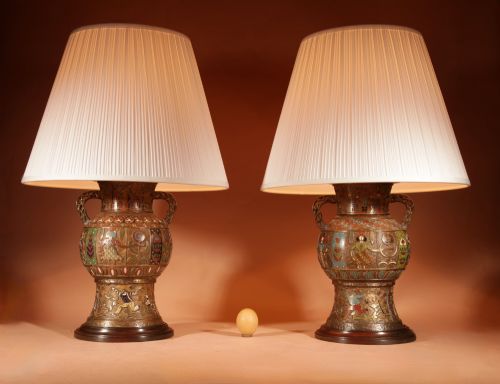
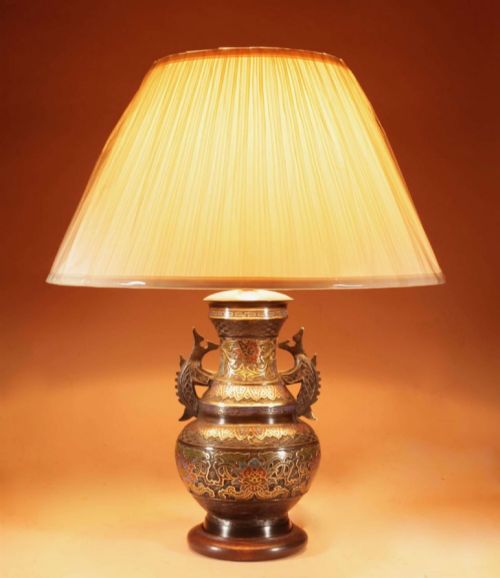
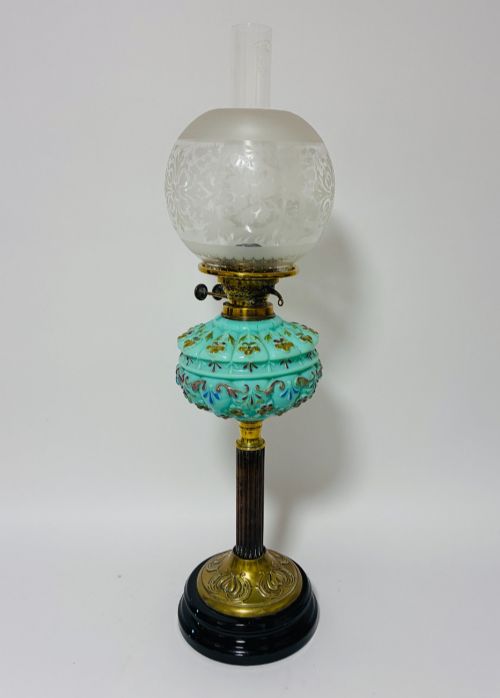
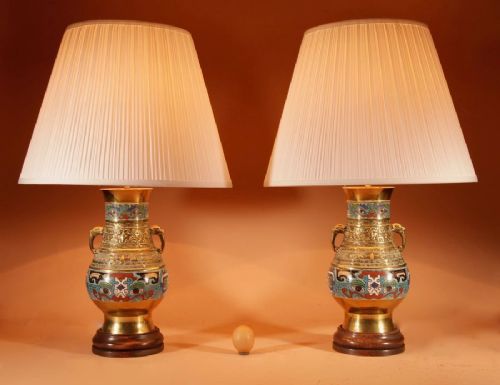
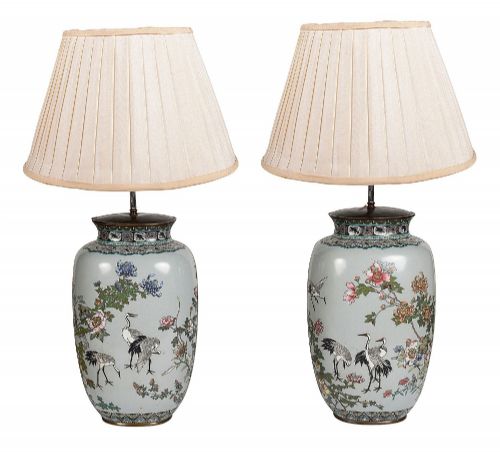
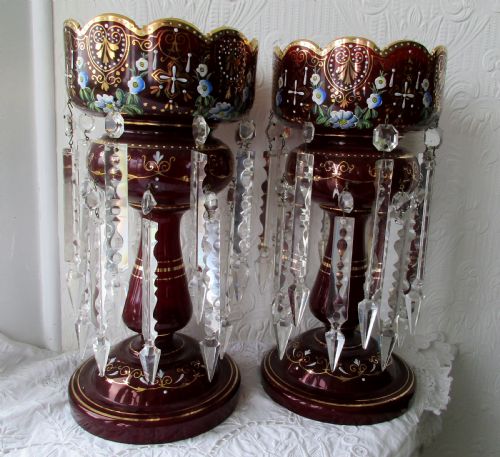
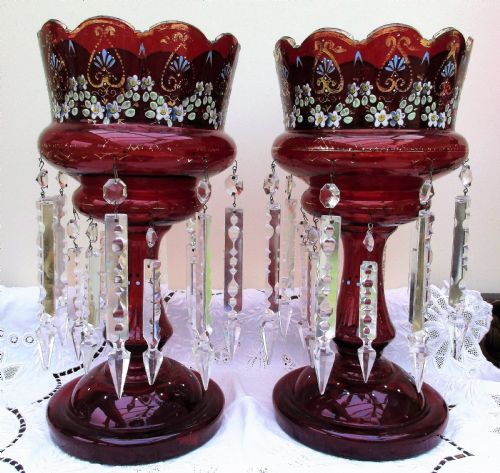
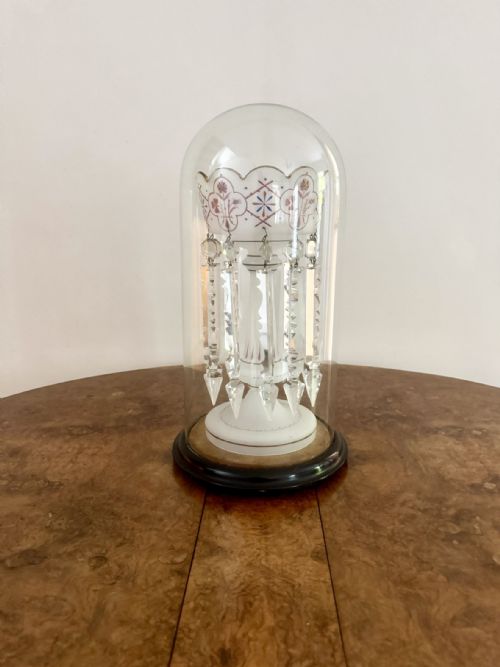
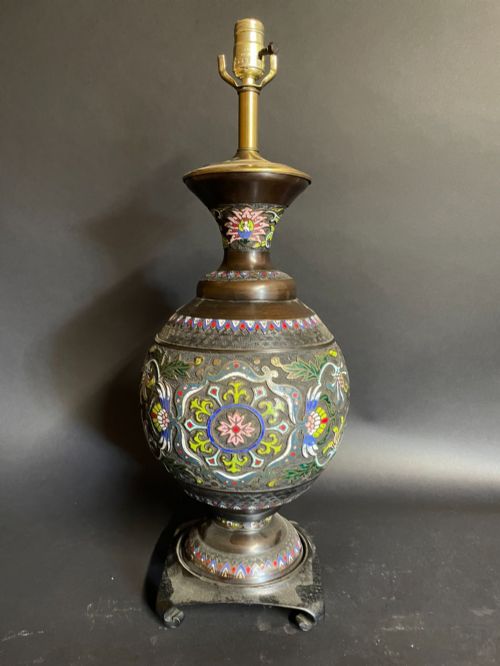
When you search for antique enamel lighting, you encounter a diverse selection of items ranging from industrial factory pendants to ornate decorative lamps. The most frequent pieces on this page are Japanese and Chinese bronze or brass table lamps adorned with champlevé and cloisonné enamel, alongside Victorian glass lustres and early twentieth-century industrial fixtures.
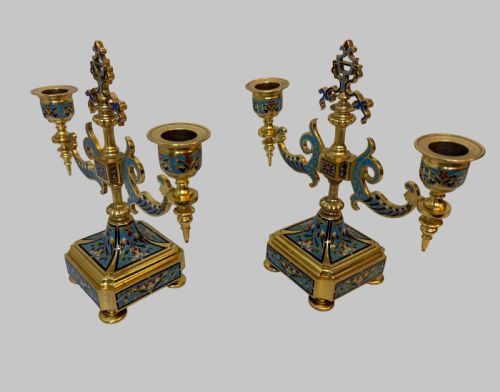
The objects span multiple decades from the nineteenth century through the 1930s, encompassing styles such as Art Deco, Art Nouveau, and Victorian designs. Alongside standard table lights, the selection includes candelabra, wall lights, and pendant fittings constructed from materials like bronze, brass, iron, and glass.
Originating from British, French, and Asian workshops, these pieces reflect distinct regional aesthetics of their respective periods. Whether looking at a French wall light or an English pewter candlestick, each item serves as a functional light source infused with historic craftsmanship.
Materials and methods of construction
The fabrication of these items relies heavily on metals such as bronze, brass, iron, and gilt bronze, which provide durable structural frameworks. Artisans applied enamel techniques directly to these metallic bases, fusing powdered glass surfaces under high heat to create smooth, colourful patterns.
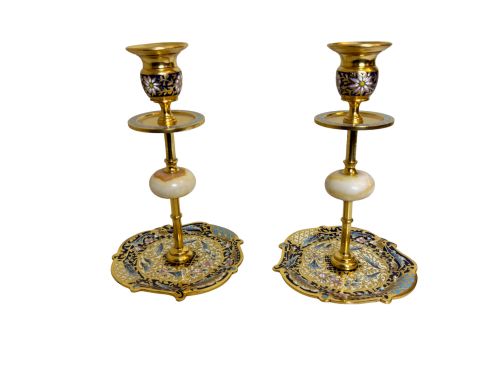
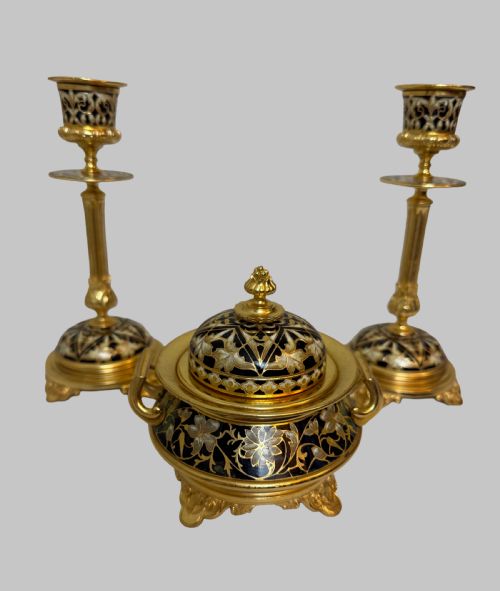
Cloisonné and champlevé methods involve partitioning the metal surface with fine wire soldered into place or carving depressions into the metal itself to hold the coloured enamel pastes. Glass elements in lamps and lustres were often hand-blown, overlayed, or frosted, while iron and pewter components in later pieces demonstrated evolving industrial capabilities.
Several items double as conversation starters, including naval gimbal lamps designed to stay level during rough seas.
Distinctions in quality
Quality in these pieces rests upon the precision of the metalwork and the complexity of the enamelling. Pieces featuring sharply defined champlevé cells or carefully laid cloisonné wires demonstrate a higher standard of artisan skill than simpler, mass-produced alternatives.
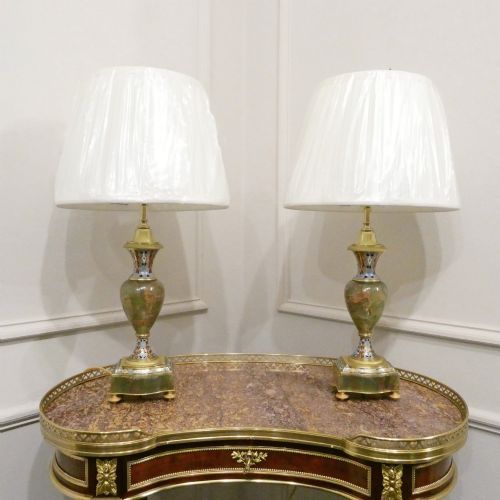
The integration of materials also defines the tier of an object, such as the harmonious mounting of ormolu or onyx with enamelled vessels. Furthermore, pieces designed by known makers or attributed to specific artistic movements retain superior design cohesion.
Archibald Knox for Liberty·Daum
The Antique Enamel Lighting Glossary
- Champlevé
- An enamelling technique where troughs or cells are hollowed out of a metal surface and filled with vitreous enamel before firing. This method creates bold patterns bounded by visible lines of the base metal.
- Cloisonné
- A decorative metalwork method involving metal wires soldered to a base to form compartments that are subsequently filled with enamel paste. The piece is then fired and polished to a smooth finish.
- Lustre
- A decorative glass or porcelain vessel hung with crystal prisms that reflect ambient light. Victorian examples often feature ruby glass and gilt highlights.
- Ormolu
- Gilded bronze used for mounts, fittings, and decorative bases on nineteenth-century lamps and candelabra. It provides a warm, golden contrast to darker metals and enamels.
- Pendant
- A light fixture suspended from the ceiling by a chain, cord, or metal rod. Industrial variants often incorporate heavy enamelled iron shades.
Antique Enamel Lighting: Frequently Asked Questions
How do I clean antique enamel lighting?
Dust the surfaces gently with a soft, dry cloth to prevent accumulation of debris on the enamel and metal parts. Avoid harsh chemical cleaners or abrasive pads that can scratch the vitreous surface or damage the patination on bronze and brass.
For glass shades and lustres, use a mild soapy solution and dry thoroughly with a lint-free cloth. Take care around electrified fittings and ensure the item remains unplugged during any maintenance.
Were these pieces originally electrified?
Many items designed in the nineteenth century started life as oil lamps, gas fixtures, or candle holders before being converted to electricity later in their lifespan. Industrial pendants and certain twentieth-century pieces were manufactured specifically for electrical wiring.
When acquiring older items, checking the internal wiring ensures safety and compliance with current standards. Professional rewiring preserves the historic body while providing reliable modern function.
How do I date an enamel lamp?
Dating relies on stylistic markers, manufacturing techniques, and materials characteristic of specific eras like the Victorian period, Art Nouveau, or Art Deco. Examining the base metal, wiring type, and enamelling style helps narrow down the decade of production.
Comparing design motifs with documented examples from known makers or periods provides further chronological context. Subtle variations in manufacturing methods often reveal whether an item belongs to the nineteenth or twentieth century.
Where should I place an antique table lamp?
Position these lamps on sturdy side tables, desks, or mantelpieces where their tactile surfaces and coloured enamels can be appreciated close up. Ensure the scale of the lamp matches the surrounding furniture for a balanced interior arrangement.
Keep them away from direct, harsh sunlight to prevent fading on fabric shades or delicate painted finishes. Pairing them with warm bulbs enhances the deep hues of the enamel and metalwork.