


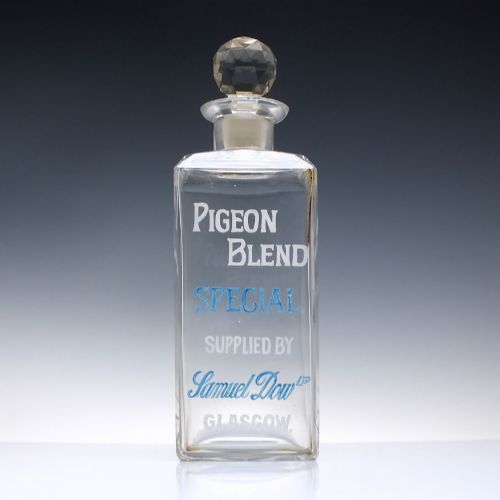


Antique Enamel Flask
An antique enamel flask brings together coloured vitreous decoration and portable glass, porcelain, or metal forms.
Antique Enamel Flask
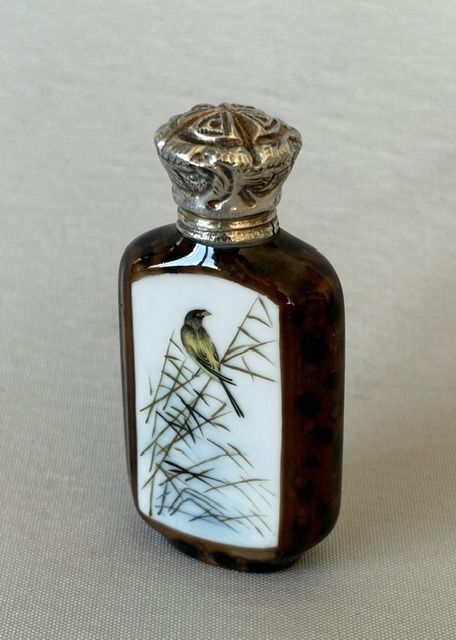
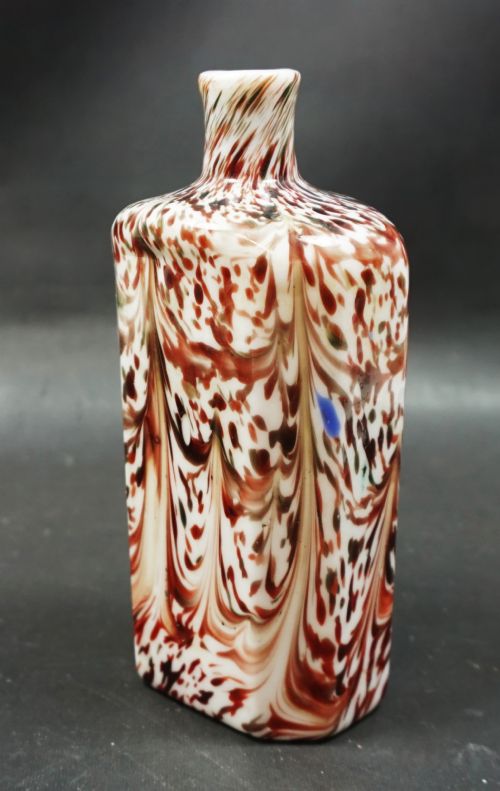
The antique enamel flask spans pocket-sized scent bottles, small whisky containers, and larger decorative vessels shaped for portable use or display. When searching for this type of object, buyers encounter varied forms ranging from Georgian small containers to Art Deco perfume bottles.
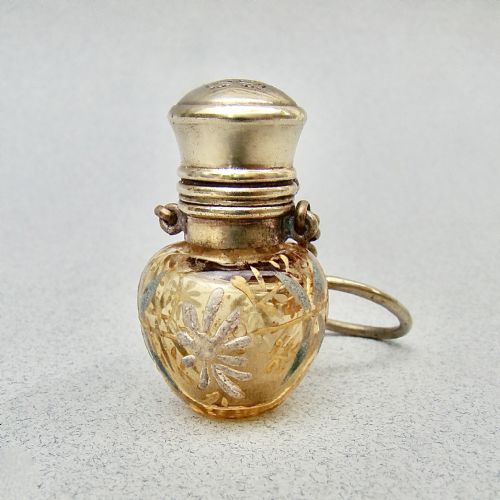
Nineteenth-century examples dominate the selections, alongside items originating in the eighteenth century and the early decades of the twentieth century. Forms include chatelaine scent bottles designed for hanging from a waist belt, porcelain snuff bottles, and cut glass decanters.
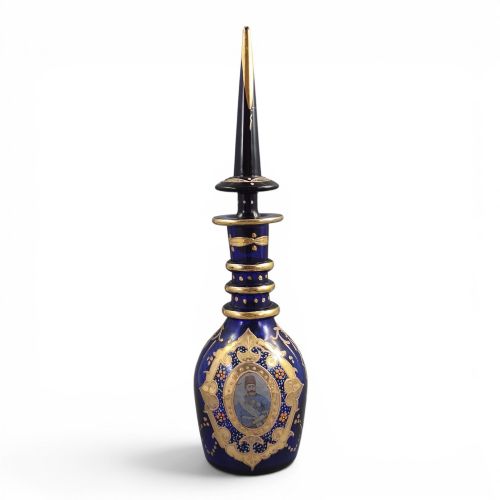
Geographic origins stretch across Britain, France, Bohemia, and China, incorporating distinct regional styles such as Qajar market export pieces and Famille Rose porcelain. Each piece combines functional storage with applied vitreous decoration.
Materials and methods of construction
Glass forms utilise clear, milk, satin, cobalt, and green glass bodies, often shaped by blowing or cutting before decoration. Metals such as sterling silver, ormolu, and gold leaf provide mounts, stoppers, and structural collars.
Enamelling techniques include painted scenes, polychrome decoration, and guilloche work beneath translucent coloured layers. Skilled artisans applied powdered glass pastes to metal or glass surfaces, fusing them through kiln firing.
Antique Enamel Flask Retail Price Guide 2026
Typical asking prices for enamel flask among the pieces listed under this phrase on Sellingantiques today, from the lower quarter to the upper quarter. They describe what is for sale here now, not the wider market.
Periods represented span from the eighteenth-century Georgian era through Victorian designs to 1930s Art Deco.
Distinctions in craftsmanship
Quality depends upon the precision of the enamel work and the integration of metal mounts with the glass or porcelain body. Hand-painted figural scenes or intricate guilloche patterns reveal the level of artisan control.
The weight and clarity of the base material, whether cut glass or fine porcelain, separate standard production items from exceptional workshop examples. Maker attribution also influences the standing of a piece within its period.
Karl Palda·Henry Perkins·René Lalique
The Antique Enamel Flask Glossary
- Guilloche enamel
- A decorative technique where precise geometric patterns are mechanically engraved into a metal substrate before translucent enamel is applied over the top.
- Chatelaine scent bottle
- A small container equipped with a chain or hook, designed to suspend from a decorative waist clip worn by women in the Victorian era.
- Famille rose
- A Chinese porcelain palette characterised by opaque pink enamels, used extensively on nineteenth-century snuff bottles and moon flasks.
- Moser glass
- Coloured art glass associated with Bohemian manufacturing, frequently decorated with heavy enamelling and gilding during the nineteenth century.
Antique Enamel Flask: Frequently Asked Questions
How do I date an enamel scent bottle?
Dating relies on stylistic markers, materials, and hallmarked metal mounts where present. Victorian and Edwardian examples often feature distinct silver stamps indicating assay offices and years.
Changes in glass colours and enamelling techniques from the eighteenth century through the Art Deco period further help pinpoint the era of manufacture.
Were these flasks meant to hold perfume?
Many smaller vessels served as scent or perfume bottles, designed with tight stoppers to preserve volatile fragrances. Others functioned as pocket liquor flasks for whisky or schnapps.
Larger porcelain moon flasks and decorative glass decanters served primarily as ornamental display pieces within period interiors.
What is guilloche enamel?
Guilloche is a decorative metalworking technique involving precise, intricate mechanical engraving beneath a translucent enamel coating. The underlying pattern shines through the coloured glass layer.
This method appears frequently on silver-mounted dressing table items and pocket bottles from the early twentieth century.
How should I clean antique glass and enamel?
Cleaning requires gentle handling with dry or slightly damp soft cloths to protect fragile painted surfaces and metal mounts. Submersion in water should be avoided if mounts are glued rather than mechanically secured.
Harsh chemical cleaners will strip delicate gilding and damage nineteenth-century enamelwork.