

Antique Empire Desk
An antique empire desk brings architectural form and classical restraint to a study.
Antique Empire Desk
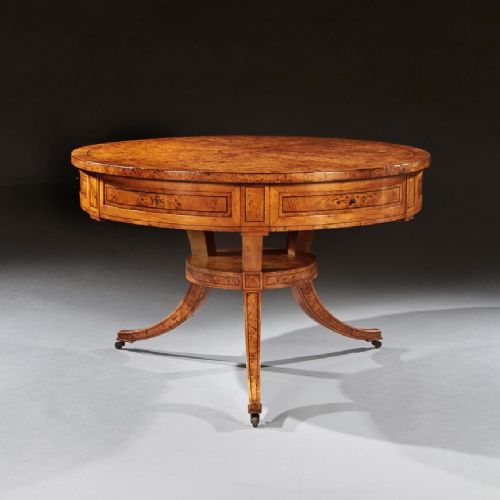
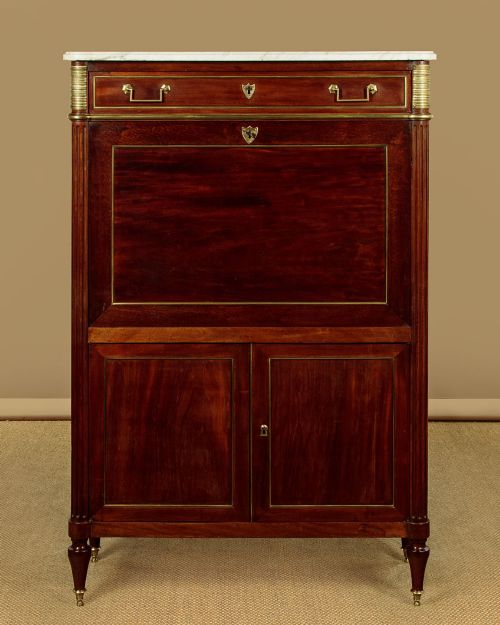
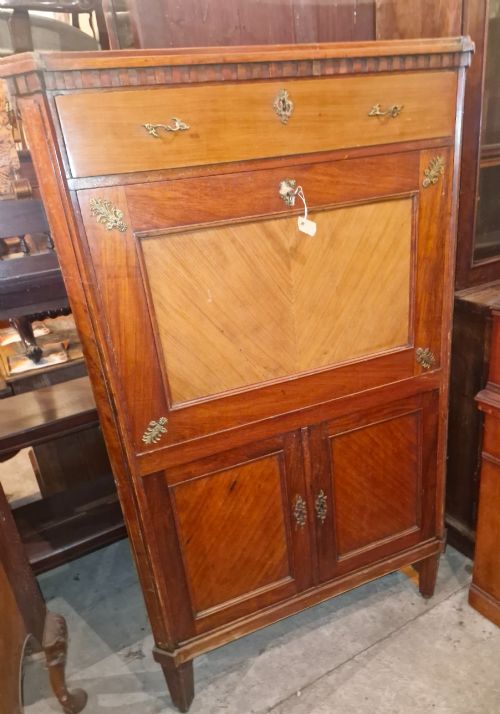
When you search for an antique empire desk, you encounter architectural writing furniture defined by classical symmetry and substantial timber construction. The selection includes pedestal desks, bureau plat tables, and tall writing cabinets designed with drop fronts.
Many examples originate from the nineteenth century, ranging from early classical pieces to later revival periods marked by French and Austrian craftsmanship. These surfaces often incorporate inset leather writing panels and organised interior compartments.
Timber and Mounts
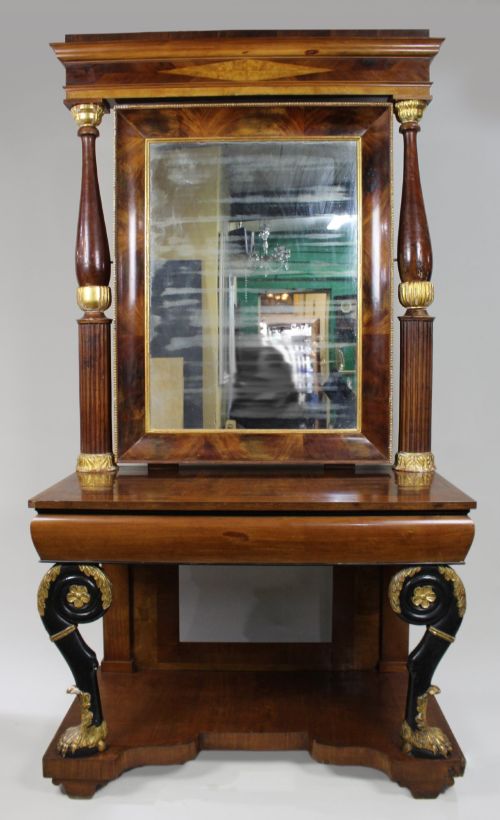
Construction relies heavily on mahogany, flame mahogany, and walnut veneers applied to sturdy carcases, sometimes paired with marble tops. These timbers provide the dark, rich ground characteristic of the period.
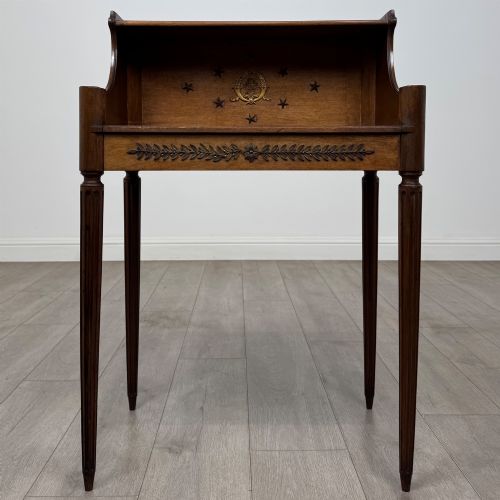
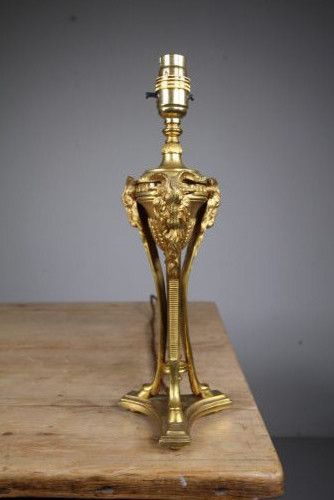
Cast ormolu and gilt bronze mounts decorate corners, drawer fronts, and legs, portraying classical motifs. Brass hardware and leather inserts complete the standard method of assembly.
Several desks hide secret compartments behind drop fronts, offering discreet storage for private correspondence.
Proportion and Mount Detail
Quality rests upon the crispness of the cast ormolu mounts and the selection of figured wood grains across the visible surfaces. Superior pieces display harmonious proportions and careful alignment of timber patterns.
The sophistication of the internal mechanism, such as secret drawers within a secretaire or fitted leather writing surfaces, separates standard production from finer cabinet work.
Japy Freres·Mercier Freres
The Antique Empire Desk Glossary
- Ormolu
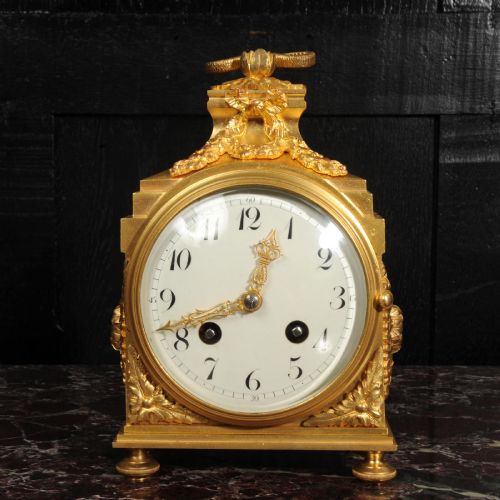
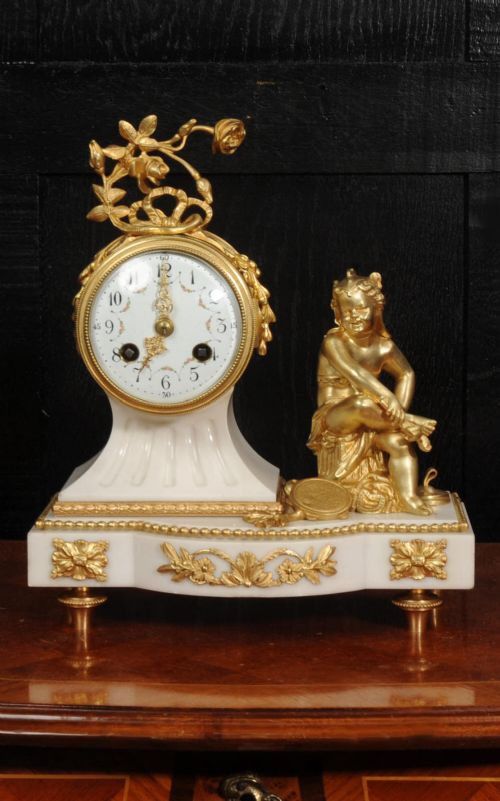
- Gilded bronze applied as decorative mounts to furniture and clocks. This technique provides metallic highlights against dark timber surfaces.
- Secretaire Abattant
- A tall cabinet featuring a hinged fall-front writing flap that conceals small drawers and pigeonholes. It originates from French cabinet making traditions.
- Partners Desk
- A large double-sided desk designed for two people to work opposite one another. It includes drawers and cupboards accessible from both sides.
Antique Empire Desk: Frequently Asked Questions
What is an empire desk?
An empire desk is a formal nineteenth-century writing table characterised by classical architectural lines and contrasting metal mounts. These pieces draw inspiration from neoclassical design and Roman antiquity.
They serve as functional workspaces and focal points in studies, utilising rich timber veneers and heavy bronze details to establish a formal presence.
How do I identify an empire desk?
Identification relies on observing symmetrical proportions, mahogany or walnut construction, and prominent ormolu mounts depicting classical motifs. Many incorporate inset leather writing surfaces and columns.
Looking closer at the secondary woods and construction methods helps distinguish nineteenth-century production from later twentieth-century revival pieces.
Where were these desks made?
The pieces listed originate primarily from workshops in France and Austria, reflecting continental design preferences of the nineteenth century. Cabinet makers in these regions produced both freestanding tables and large pedestal formats.
French pieces frequently incorporate refined ormolu hardware, while Austrian examples emphasise striking wood figures and restrained classical geometry.
How do I care for an antique desk?
Care involves maintaining stable indoor humidity levels and keeping wooden surfaces away from direct heat sources. Regular dusting with a soft cloth preserves the polish without chemical buildup.
Leather writing inserts benefit from occasional neutral wax treatment to prevent drying, while ormolu mounts require gentle cleaning to avoid damaging the gilt surface.