



Antique Empire Bronzes
Antique empire bronzes bring monumental neoclassical poise and gilded presence to a room, uniting disciplined architectural forms with rich surface decoration.
Antique Empire Bronzes
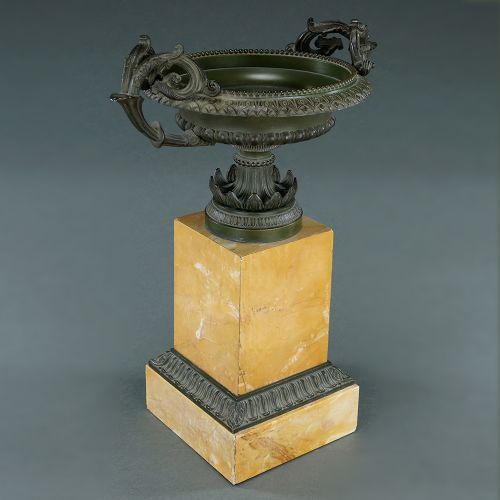
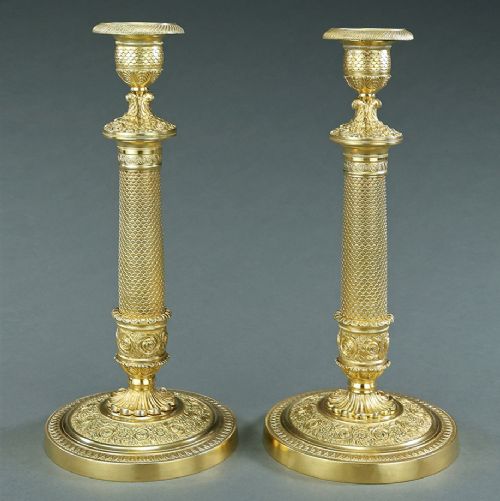
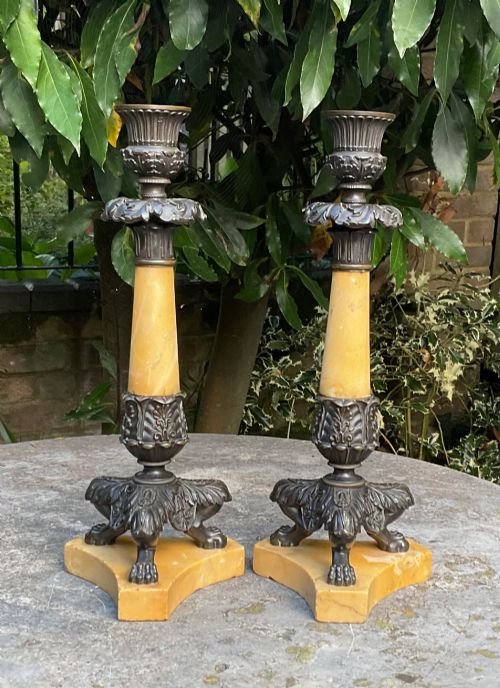
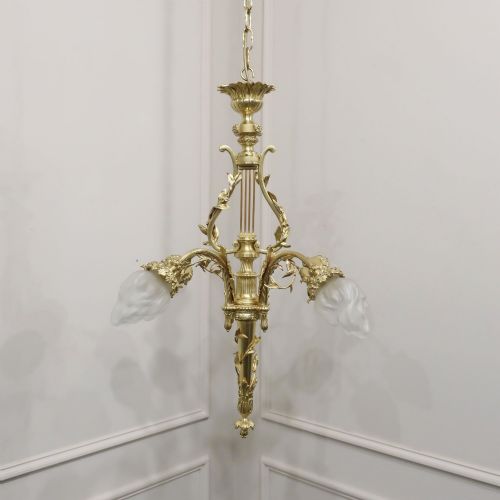
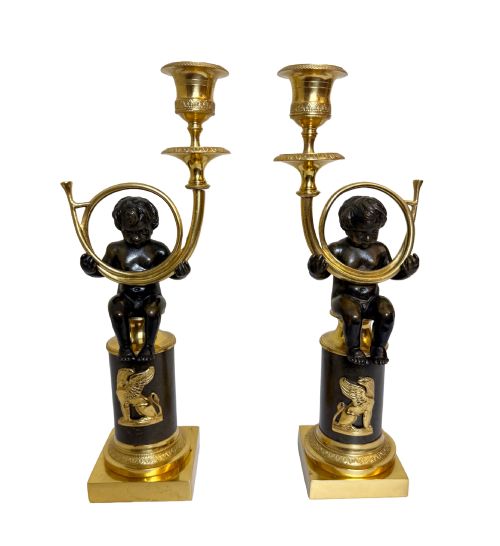
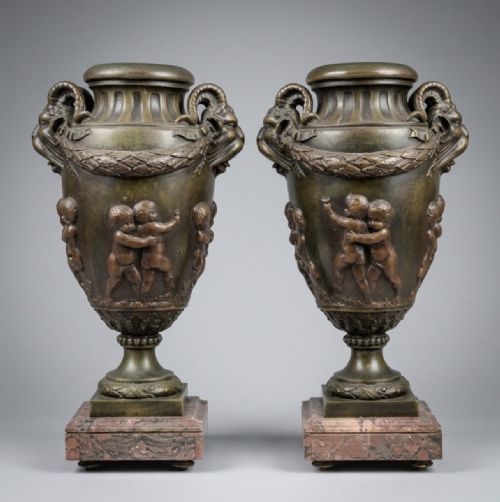
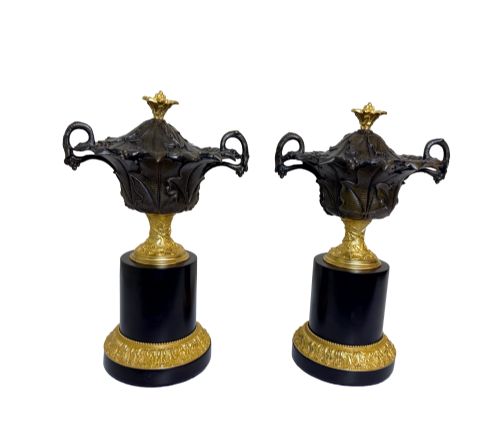
When buyers search for antique empire bronzes, they encounter an array of decorative and functional objects originating primarily from nineteenth century French workshops. The selection centres heavily on matched pairs of candelabra, mantel clocks, and ornamental urns mounted on heavy marble bases.
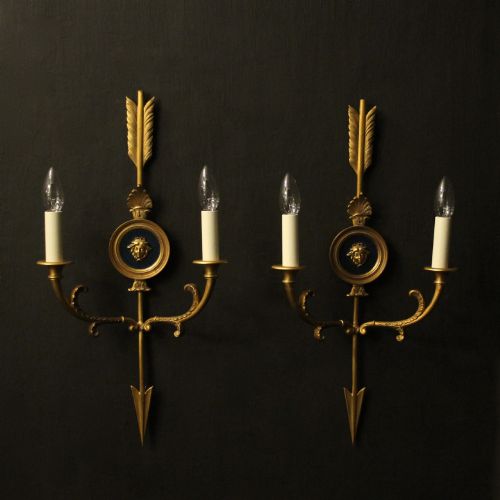
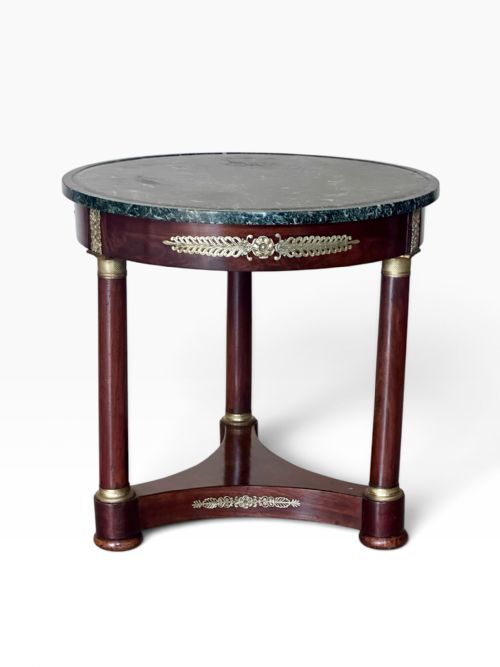
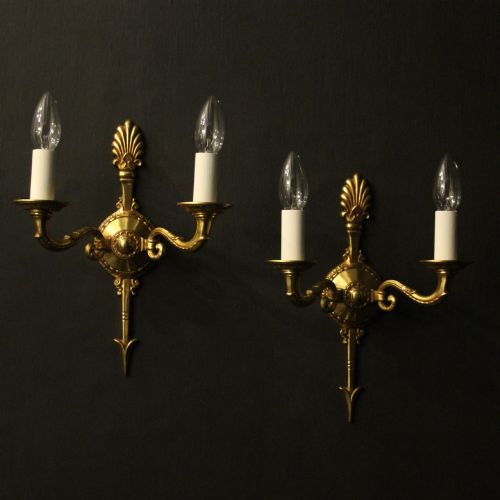
Pieces frequently reflect French Empire, Regency, and Louis XVI styles, incorporating classical motifs such as rams heads, cherubs, and acanthus leaves. Beyond lighting and timepieces, the grouping extends to occasional furniture, wall sconces, and grand chandeliers featuring cut crystal and gilded metal.
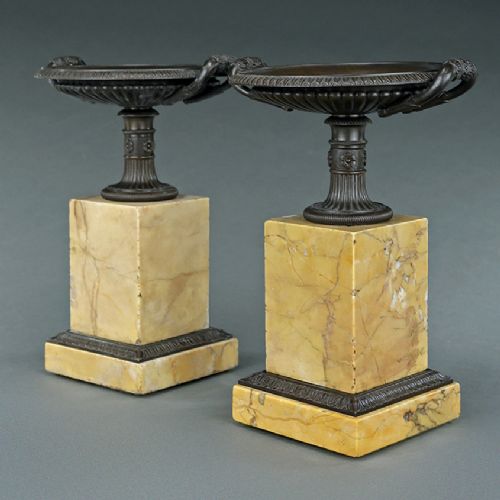
Most items combine cast metal elements with contrasting stone supports, aligning with neoclassical design principles popular throughout the nineteenth century. These objects served both practical household roles and grand decorative functions in period interiors.
How they were made
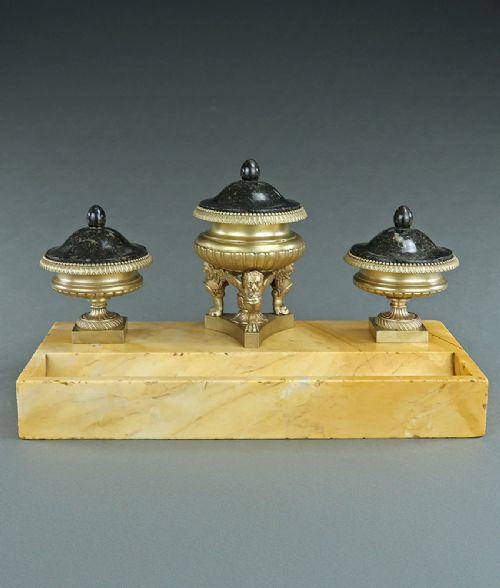
Makers utilised bronze and brass, applying mercury gilding to produce the bright ormolu surfaces characteristic of the period. Patinated bronze provided a dark, contrasting finish that highlighted the crisp details of cast figures and architectural mounts.
Natural stone components, particularly rouge, white, and Siena marble, were turned and polished to form solid plinths, bases, and tazzas. Crystal drops and glass elements were integrated into lighting fixtures like tent and waterfall chandeliers to refract candle and gas light.
Napoleon Bonaparte occasionally glares across the room from miniature bronze figures perched atop nineteenth century mantel clocks.
What varies in quality
The refinement of the chasing work on cast bronze elements defines the upper tier of objects, where details remain sharp and deeply undercut rather than soft or smoothed over. Superior pieces display crisp articulation in facial expressions, foliage, and classical ornamentation.
The selection of materials creates a distinct hierarchy, with dense, unblemished marbles and heavy gauge ormolu separating exceptional items from standard productions. Integration between the metal mounts and stone bases reveals the precision of the original assembly.
Japy Freres·Siffel and Cartier·Pierre Philippe Thomire
The Antique Empire Bronzes Glossary
- Ormolu
- Gilt bronze produced by applying a mixture of gold and mercury to a bronze base and heating it to drive off the mercury. This technique creates a durable, luminous golden surface found on mounts and clocks.
- Chenets
- Ornamental metal fire dogs placed at the hearth to support logs. They often feature neoclassical figures and matching ormolu decoration.
- Gueridon
- A small round occasional table supported by a central pillar or figures. These tables frequently incorporate mahogany timbers and gilt bronze mounts in the empire style.
Antique Empire Bronzes: Frequently Asked Questions
What are antique empire bronzes?
They are decorative metal objects and furnishings produced during the nineteenth century in classical French and Regency styles. These items range from mantel clocks and candelabra to architectural wall lights.
Most examples combine cast bronze with gilded ormolu finishes and contrasting marble plinths. Their design draws heavily on ancient Greek and Roman motifs.
How were candelabra used?
Pairs of candelabra stood on mantelpieces, sideboards, and pier tables to provide illumination during evening hours. Their multiple arms held wax candles to light formal rooms.
Beyond illumination, they acted as prominent decorative accents that enhanced the symmetry of nineteenth century interior decoration.
How do I care for ormolu?
Dust surfaces gently with a soft, dry brush to prevent the accumulation of dirt within chased details. Avoid liquid cleaners and chemical polishes, which can strip the historic mercury gilding.
Keep pieces away from direct heat sources and moisture to protect both the metal finishes and the underlying marble or mahogany supports.
How do I identify the period?
Examine the weight of the metal castings, the depth of the hand chasing, and the type of marble used in the base. Nineteenth century pieces often show maker stamps on clock movements or internal bronze components.
Stylistic cues such as strict neoclassical symmetry or specific regional interpretations help distinguish between early nineteenth century work and later revivals.