

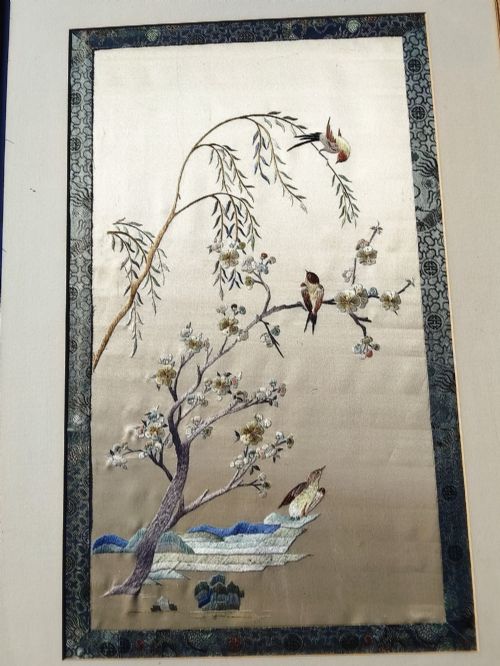
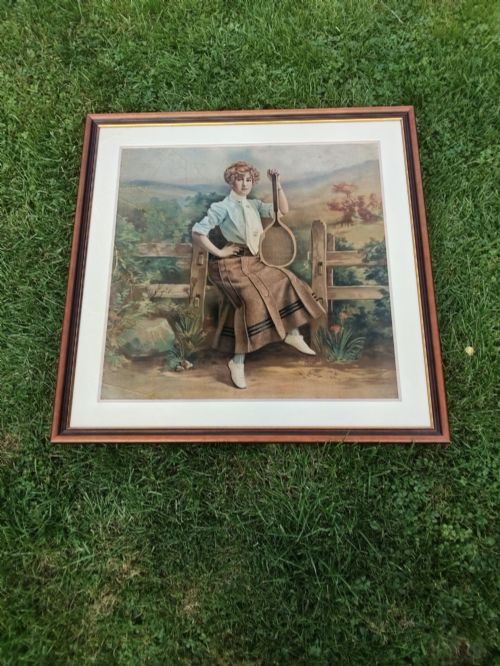
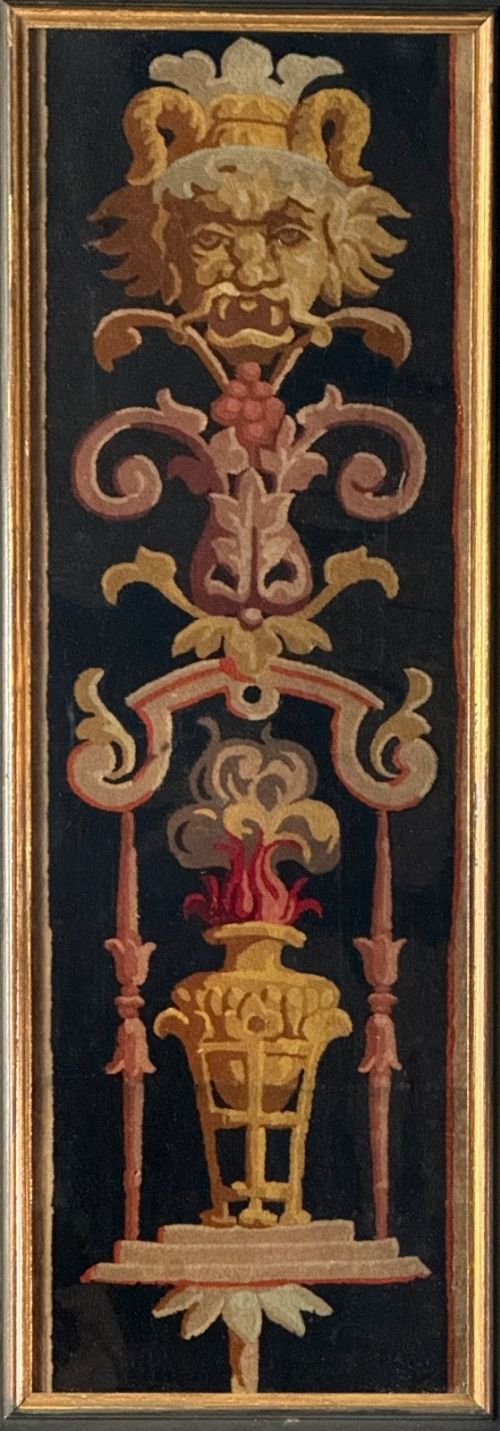

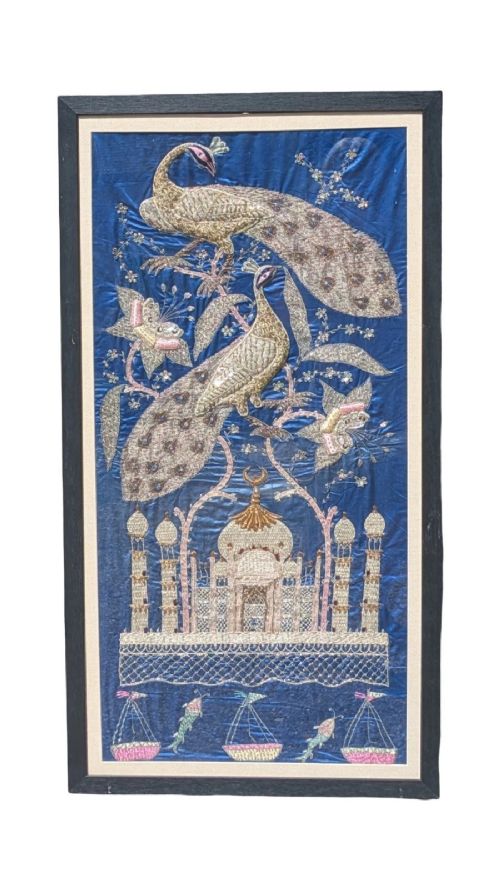

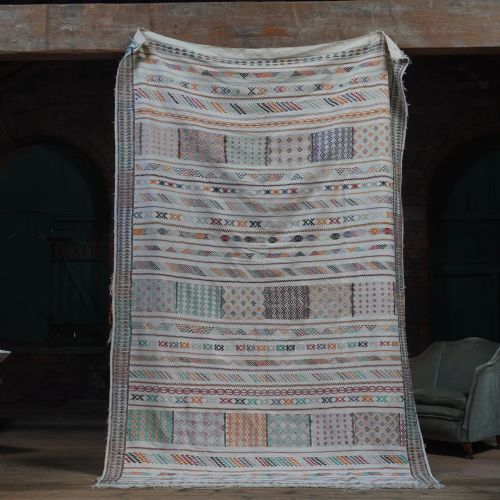
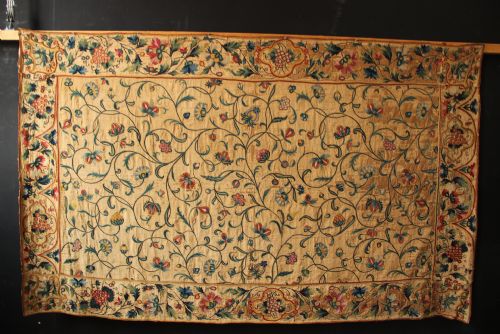
Antique Embroidered Hanging
An antique embroidered hanging brings texture and pattern to a room, drawing on traditions from Central Asia, Europe, and beyond.
Antique Embroidered Hanging
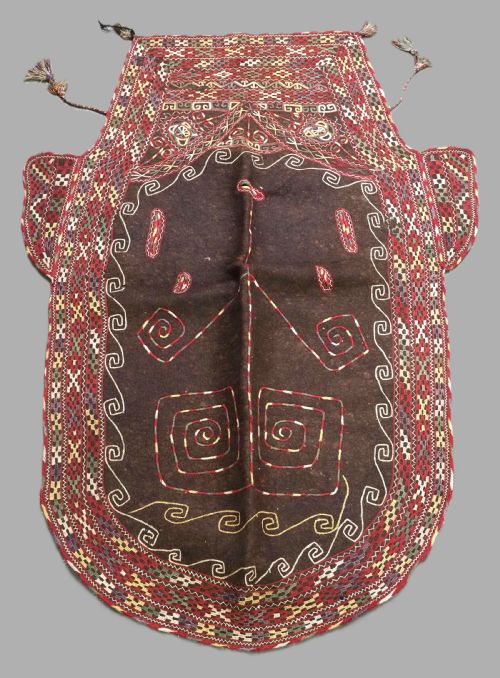
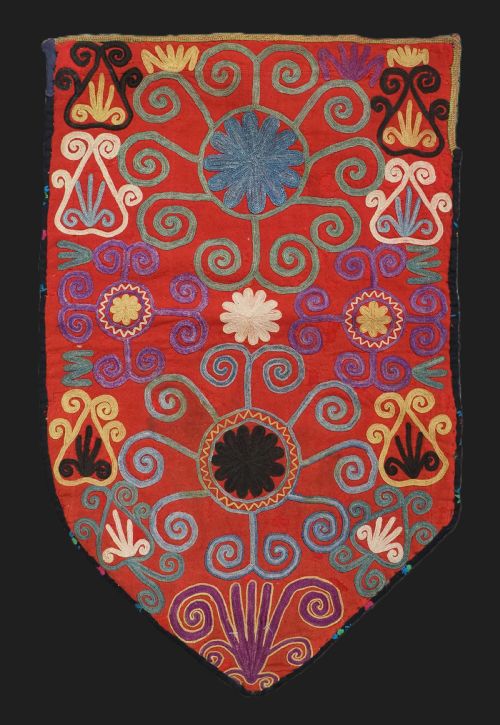
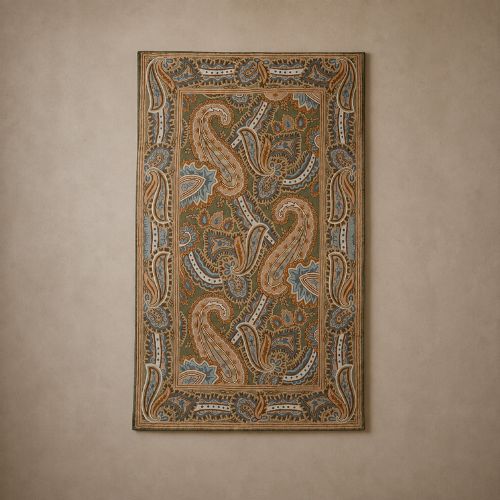
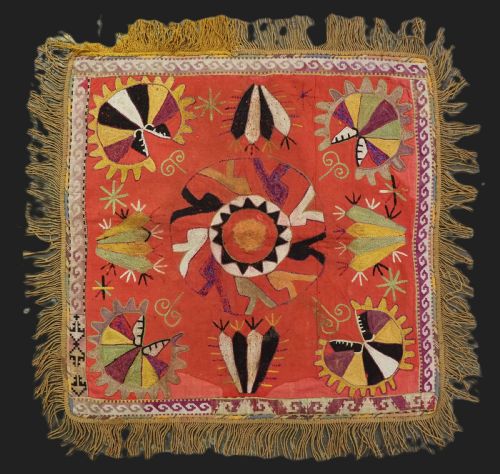
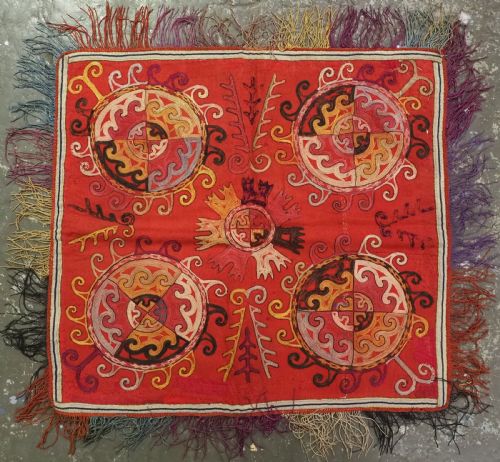
The selections span from the seventeenth century through the Edwardian era and the 1930s. Central Asian tribal pieces, particularly from Uzbek Lakai and Turkmen groups, appear frequently alongside British and continental needlework.
Objects serve various traditional functions, acting as wall hangings, bed covers, horse blankets, or architectural panels. Each textile reflects the domestic habits and regional aesthetics of its period of origin.
Materials and construction methods
Maker communities utilised a range of natural materials including silk, cotton, wool, linen, and felt as foundations for their needlework. Silk thread provides vibrant highlights on wool or cotton grounds, while felt serves as a durable base for applied fringes and embroidery.
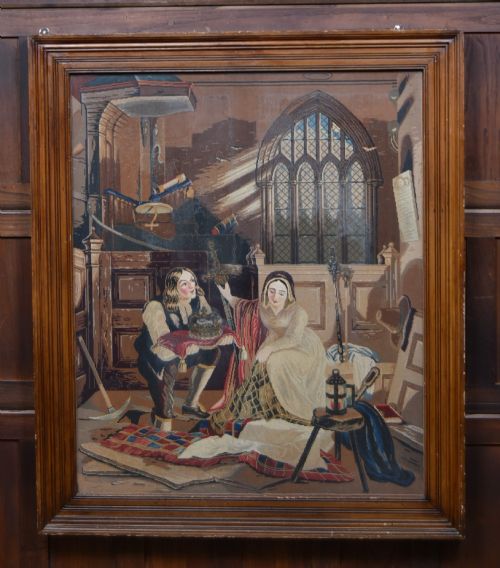
Techniques combine hand sewing, chain stitch, and patchwork, executed with diverse threads and backing fabrics. Framed pieces incorporate wood and glass to protect fragile textiles from environmental wear.
Antique Embroidered Hanging Retail Price Guide 2026
Typical asking prices for embroidered hanging among the pieces listed under this phrase on Sellingantiques today, from the lower quarter to the upper quarter. They describe what is for sale here now, not the wider market.
Listings span periods from the 17th century through the 1930s, incorporating silk, cotton, wool, linen, and felt.
Distinguishing quality in textile art
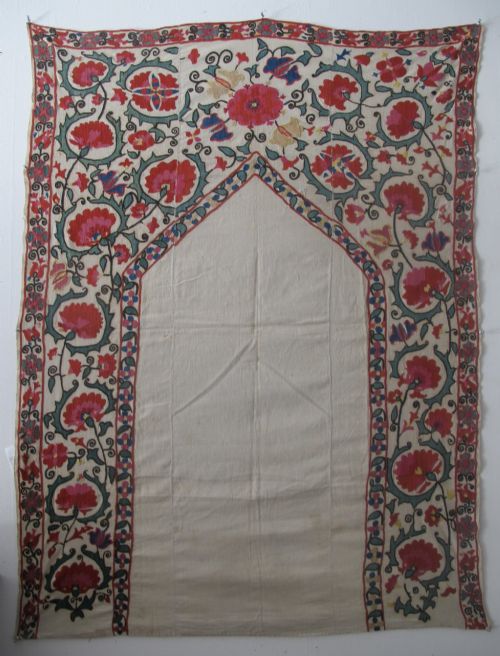
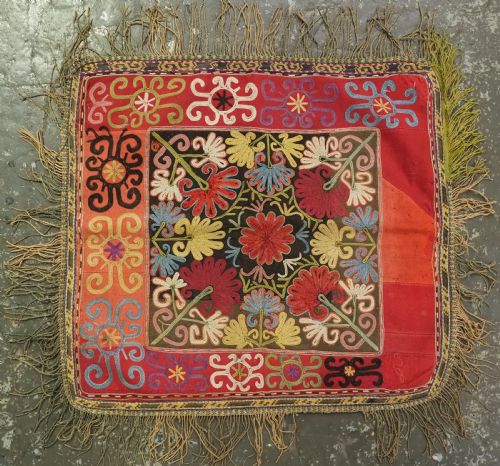
Execution of the stitchwork dictates visual impact, with dense, precise needlework separating master compositions from simpler domestic items. The complexity of design, such as architectural Suzani motifs or intricate figurative elements, indicates the skill of the original maker.
Preservation of the ground fabric and the brilliance of the natural threads influence overall integrity. Surviving textiles retain their structural cohesion and original colour relationships despite centuries of age.
The Antique Embroidered Hanging Glossary
- Suzani
- An embroidered tribal textile from Uzbekistan, traditionally worked in silk on a cotton or linen ground. These large panels often feature floral or medallion designs.
- Ilgich
- A Central Asian hanging or dowry embroidery, frequently produced by Lakai groups. These pieces display energetic geometric patterns and applied elements.
- Crewelwork
- A type of embroidery utilising wool yarn on a heavy linen or cotton twill fabric. Originating in early English traditions, it creates heavy, textured surface designs.
- Torba
- A small trapping or wall hanging produced by Turkmen tribes, featuring detailed embroidery and silk highlights. These items formed part of traditional tent furnishings.
- Tapestry
- A form of textile art woven on a loom or executed in needlework to depict figurative or decorative scenes. Historical examples often utilise wool and silk yarns.
Antique Embroidered Hanging: Frequently Asked Questions
How do I hang a textile safely?
Mount textiles by distributing the weight evenly across a supportive sleeve or backing board rather than piercing the fabric directly.
Keep pieces away from direct sunlight to protect natural silk and wool threads from fading over time.
What is a Suzani used for?
Suzanis functioned as traditional dowry items, wall decorations, or bed covers in Central Asian households. Families displayed them during marriages and festive occasions.
Today, collectors mount these large embroidered panels on walls as focal points in interior spaces.
How are different periods identified?
Dating relies on material analysis, dye types, and regional stylistic conventions recorded across centuries of production. Seventeenth-century crewelwork differs distinctively in stitch structure from Edwardian needlework or 1900s tribal felt panels.
Examining the back of the textile reveals the age of the threads and the nature of the foundation fabric.
How do I clean an antique textile?
Surface dust can be removed gently using low suction through a mesh screen without rubbing the fibres. Professional textile conservators should handle deeper cleaning to prevent dye transfer or shrinkage.
Water and standard detergents risk damaging historical wool, silk, and cotton grounds.