





Antique Embossed Copper Art
Antique embossed copper art brings tactile warmth and hammered texture into domestic spaces through mirrors, fire screens, and planters.
Antique Embossed Copper Art
When searching for antique embossed copper art, buyers encounter functional domestic objects and decorative wall pieces created primarily during the late nineteenth and early twentieth centuries. These items reflect the dominant aesthetic movements of the Victorian, Edwardian, and interwar periods, particularly Arts and Crafts and Art Nouveau styles.
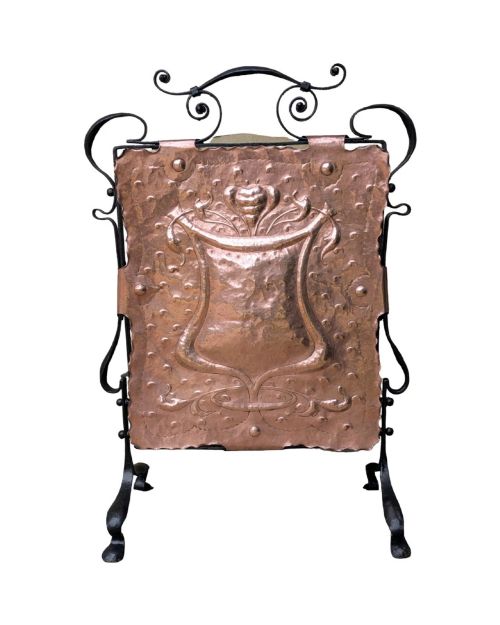
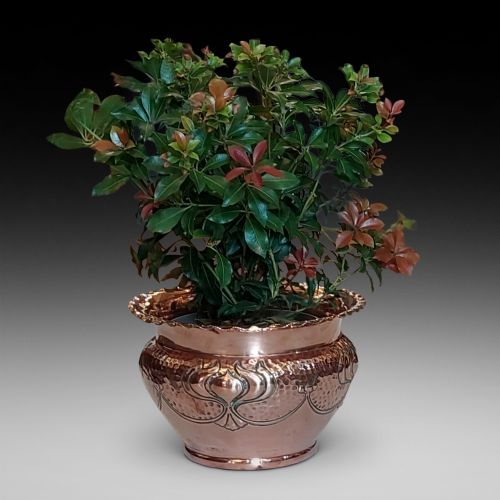
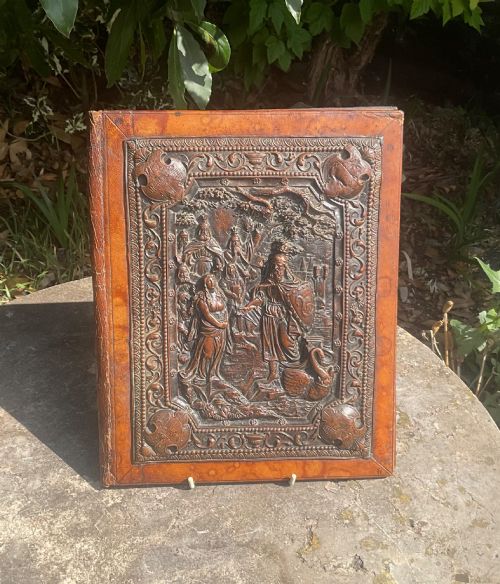
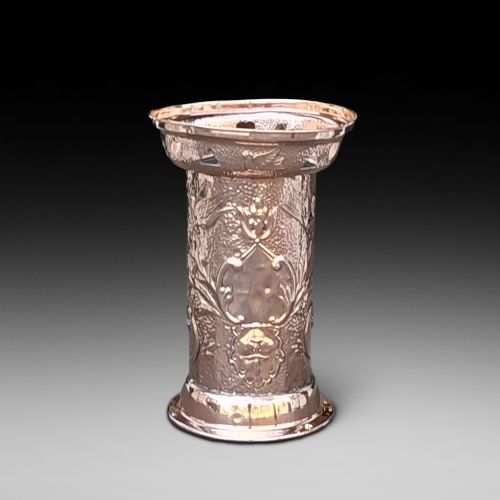
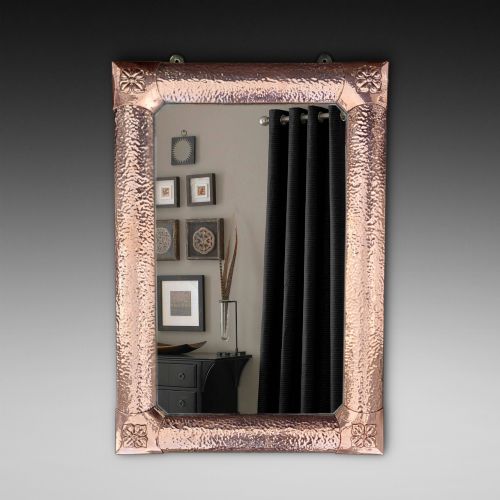
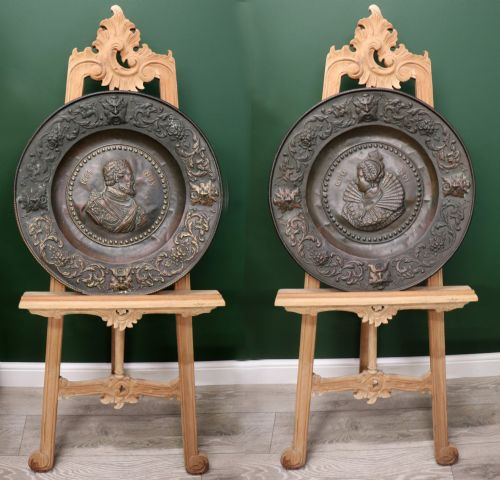
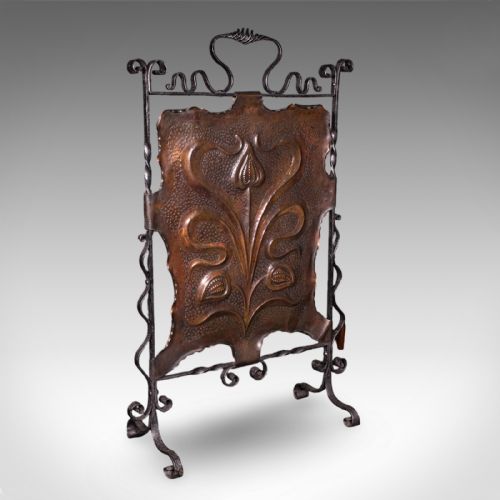
The selection on this page centres on utilitarian home accessories that received decorative treatment, such as wall mirrors, fire screens, coal boxes, planters, and decorative trays. Pieces range from simple beaten copper frames to elaborate repoussé panels depicting portraits, floral motifs, and galleons.
Origins span English, French, and Indo-Persian workshops, utilising copper alongside supporting materials like wood, iron, and brass. The version most commonly met on this page is the Arts and Crafts wall mirror or fireside accessory featuring hand-worked surface relief.
Materials and construction
Maker construction relies heavily on sheet copper shaped by hand hammering, beating, and repoussé techniques from the rear to push designs outward into relief. Workshops mounted these copper panels onto wooden backings, wrought iron frames, or brass structures to provide rigidity for mirrors, fire screens, and coal scuttles.
Makers combined copper with glass mirrors, mirror glass, leather, and cast iron to build durable household goods. Surface finishes include polished copper and patinated treatments that emphasise the tool marks left by the artisan during shaping.
Antique Embossed Copper Art Retail Price Guide 2026
Typical asking prices for embossed copper art among the pieces listed under this phrase on Sellingantiques today, from the lower quarter to the upper quarter. They describe what is for sale here now, not the wider market.
A coal box decorated with a galleon design proves that even fuel storage once required nautical flair.
Quality variations in metalwork
Quality in these pieces depends on the depth, crispness, and control of the hand-embossed repoussé work rather than simple weight. Superior examples display confident, deliberate hammer marks and well-defined floral or figural motifs that retain their structural integrity across the copper panel.
Design integration separates standard production items from finer studio pieces, particularly where frames, rivets, and backing woods are chosen to complement the central metalwork. The integration of maker attributions or distinct stylistic traits also elevates a piece within the range.
Wagner Lohengrin·Joseph Sankey·William Morris
The Antique Embossed Copper Art Glossary
- Repoussé
- A metalworking technique where the artisan hammers metal from the reverse side to form a raised design on the front. This method creates the tactile surface relief seen on many mirrors and trays.
- Arts and Crafts
- A design movement spanning the late nineteenth and early twentieth centuries that prioritised handcraftsmanship and simple forms over mass production. Pieces from this movement often display visible hammer marks.
- Art Nouveau
- A style characterised by flowing, organic lines inspired by natural forms such as plants and flowers. This aesthetic appears frequently on the planters and trays listed here.
- Fire Screen
- A decorative panel placed before a fireplace when not in use. These items frequently utilised embossed copper panels mounted in iron or brass frames.
- Wall Charger
- A large decorative plate designed to be hung on a wall rather than used for dining. These pieces often feature detailed figural or portrait embossing.
Antique Embossed Copper Art: Frequently Asked Questions
How do I date these copper pieces?
Dating relies on identifying stylistic markers associated with periods like Art Nouveau and the Arts and Crafts movement. Construction methods and materials also help narrow the timeframe to the late nineteenth or early twentieth century.
Makers' marks or stamps, when present, provide more precise chronological reference points.
How were these items used originally?
Many copper items served practical daily functions in homes, such as coal boxes, umbrella stands, planters, and fire screens. They added decorative warmth to Victorian and Edwardian interiors.
Mirrors and wall chargers served purely aesthetic purposes within domestic sitting rooms and halls.
How do I care for antique copper?
Antique copper requires gentle dusting and minimal interference with the established patina. Aggressive cleaning agents remove the historic surface layer that collectors value.
Keep pieces away from excessive moisture to preserve any wooden backings and iron frames.