

Antique Elm and Oak Chair
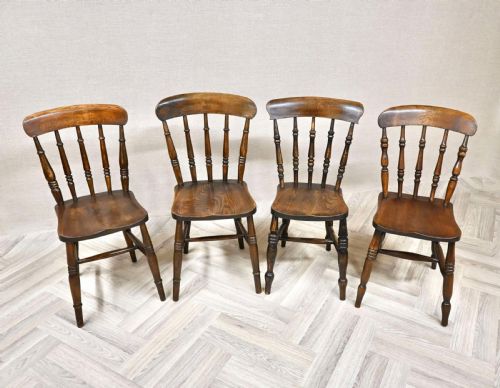
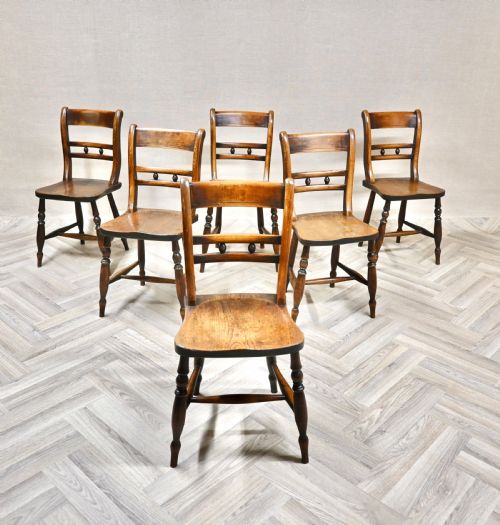
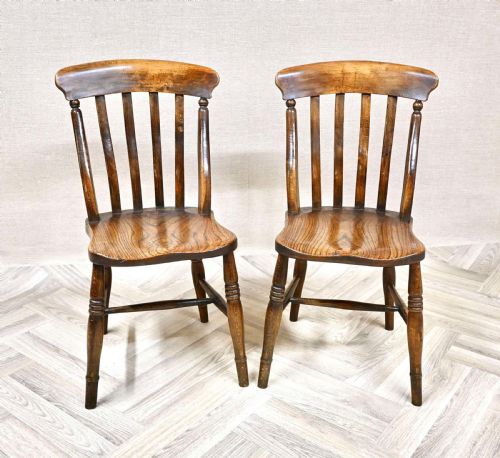
An antique elm and oak chair brings rustic utility into a room through sturdy regional craftsmanship spanning the eighteenth and nineteenth centuries.
Antique Elm and Oak Chair
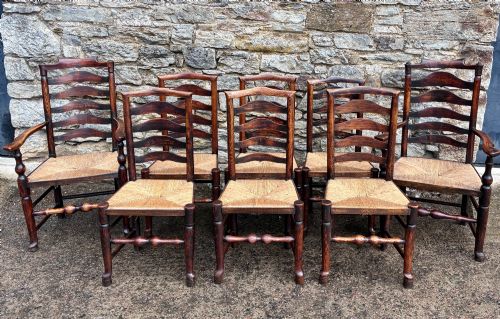
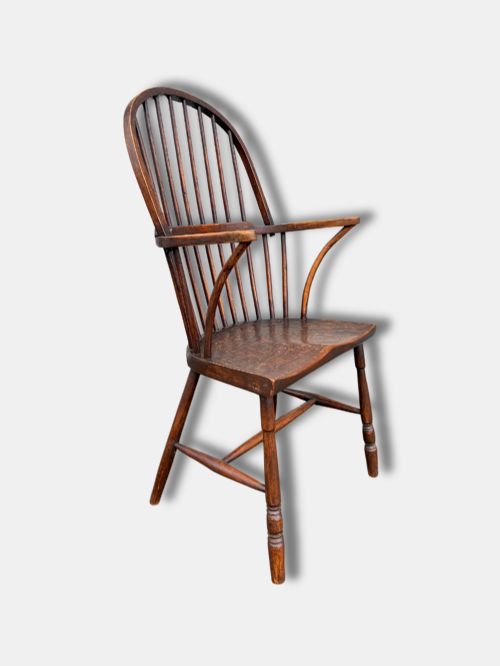
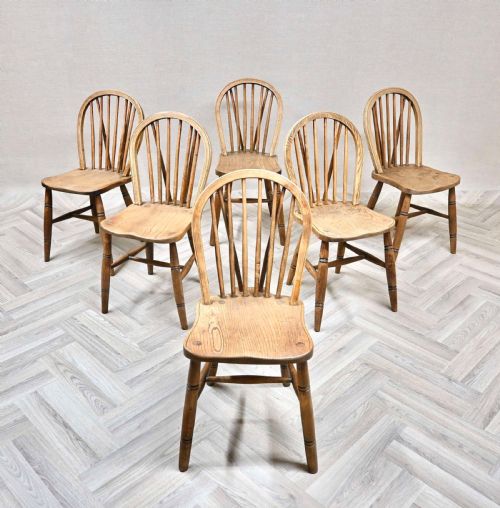
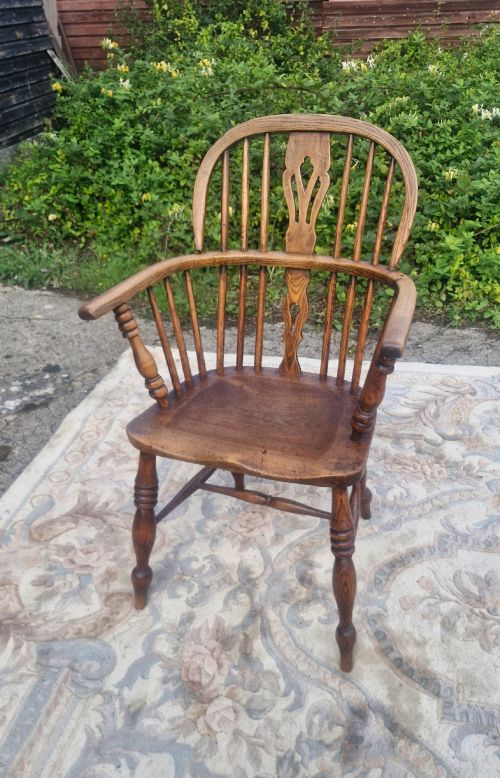
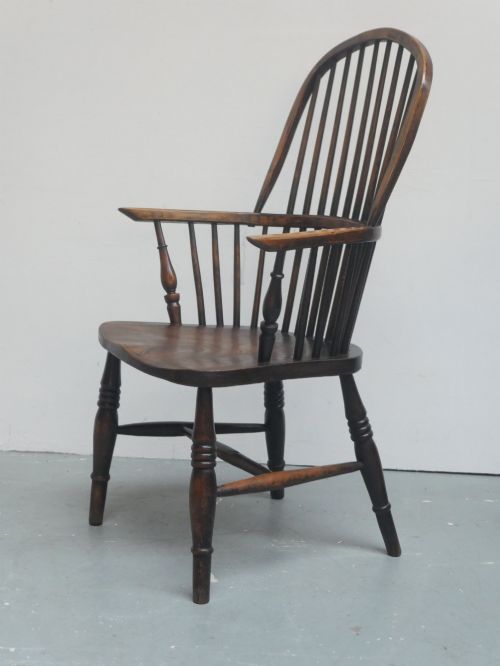
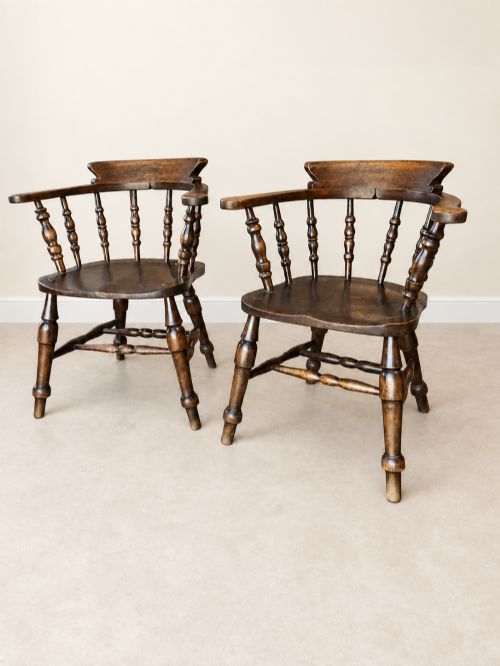
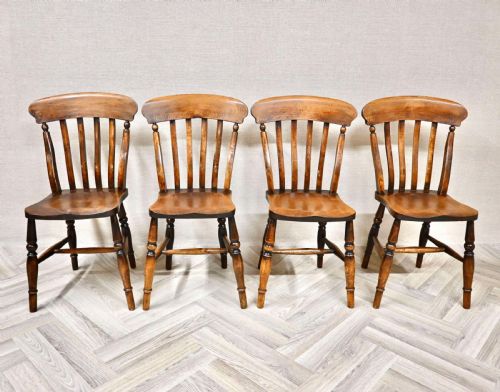
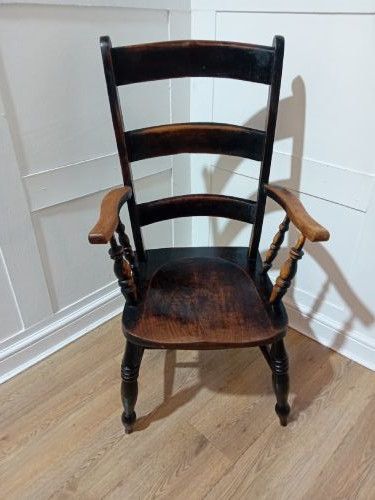
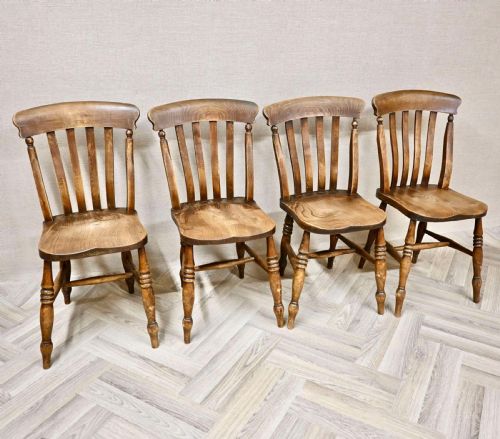
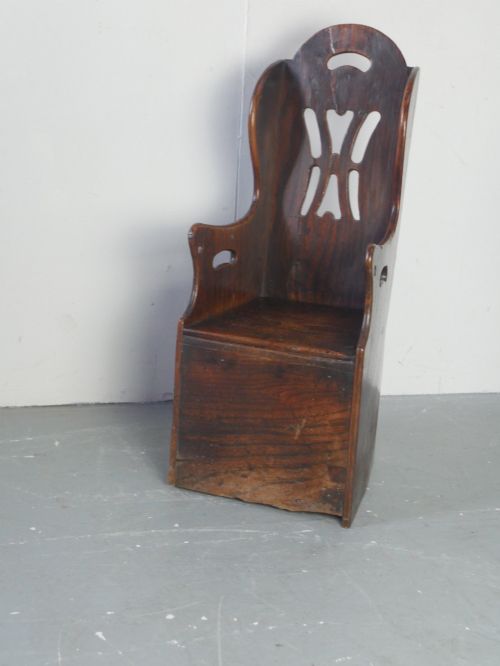
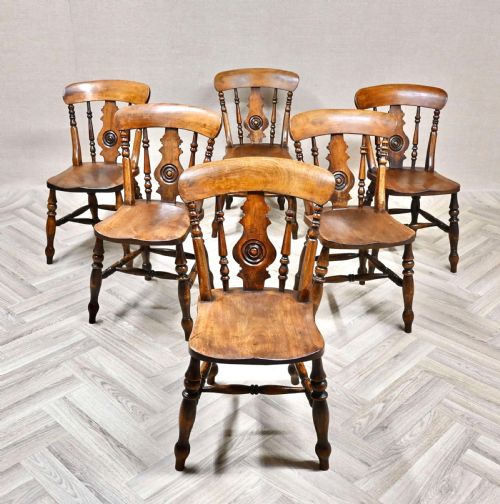
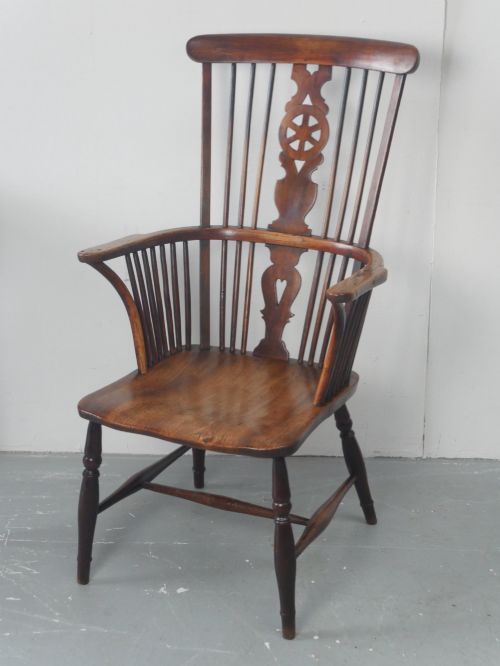
An antique elm and oak chair represents the rich tradition of English country and regional vernacular seating. Buyers hunting this search phrase frequently encounter Windsor armchairs, smokers bows, and farmhouse kitchen dining sets spanning the eighteenth century through to the Victorian era.
Makers shaped these utilitarian pieces across various locales including High Wycombe, the Thames Valley, Lincolnshire, and the West Country. Forms range from low back and hoop back armchairs to children's chairs and rocking chairs.
The regional diversity ensures that proportions and splat designs shift noticeably from one county to another. Most survivors serve functionally as sturdy kitchen or desk seating today.
Materials and Construction
Craftsmen utilised multiple native timbers within a single piece to exploit the distinct properties of each wood. Elm typically formed the deep-sculpted seats due to its resistance to splitting, whilst oak, ash, beech, and yew provided strong frames, spindles, and bentwood bows.
Constructors relied on traditional bodging techniques, turning legs and spindles on pole lathes before pegging them directly into solid plank seats. Rush also appeared as a seating material in specific regional country armchairs.
Assessing the Standard
Quality rests heavily on the integrity of the timber selection and the depth of the sculpted seat. Superior examples display bold turning, well-balanced proportions, and tight historical joints that withstand daily domestic use.
The presence of an original untouched surface finish elevates a piece significantly above examples that have suffered aggressive modern stripping or sanding. Harmony across a matched set of dining chairs similarly separates standard utility furniture from finer vernacular work.
The Antique Elm and Oak Chair Glossary
- Windsor chair
- A wooden chair constructed with a solid plank seat into which the legs and back spindles are directly fitted. The design evolved distinct regional variations across England.
- Smoker's bow
- A low-backed Windsor armchair featuring a continuous curved armrail supported by turned spindles. These sturdy chairs often served in domestic smoking rooms or country inns.
- Hoop back
- A Windsor chair back formed from a single continuous steam-bent piece of wood shaped into a loop. This technique provided robust structural support without heavy framing.
- Bodge
- The traditional craft of green woodworking practiced in woodland clearings to produce chair legs and spindles. Bodgers supplied local chairmakers with prefabricated components.
- Vernacular
- Architecture and furniture built by local craftsmen using traditional methods and regional materials without academic architectural influence.
Antique Elm and Oak Chair: Frequently Asked Questions
What is a smoker's bow chair?
A smoker's bow is a sturdy low-backed Windsor armchair featuring a continuous curved wooden rail serving as both backrest and arms. They were widely used in farmhouses, offices, and country inns.
These pieces typically combine a comfortable elm saddle seat with turned beech or ash spindles. Their compact dimensions make them practical desk chairs today.
How do I identify a High Wycombe chair?
High Wycombe in Buckinghamshire became a major nineteenth-century hub for mass chair production using local beech and elm. Makers there often standardised Windsor designs for broader commercial distribution.
Pieces from this centre frequently show precise multi-spindle backs and uniform turned components. They represent the industrialisation of traditional country seating.
Are these chairs comfortable for daily use?
Most country armchairs and kitchen seats were ergonomically designed with scooped wooden saddles. This shaping distributes weight effectively for extended sitting.
Adding a loose cushion can enhance comfort further. Their robust joinery ensures they handle everyday dining or desk duties easily.
How do I care for antique elm furniture?
Elm responds well to gentle cleaning using a soft cloth and traditional beeswax to nourish the dry wood. Avoid placing these chairs near direct heat sources which can cause timber to split.
Maintaining stable room humidity protects the historical joints and original surface patination. Occasional checks of the wedged leg tenons keep the structure secure.