


Antique Elephant Stand
An antique elephant stand brings sculptural character to a room, offering functional display space rooted in 19th-century craftsmanship.
Antique Elephant Stand
When you search for an antique elephant stand, you encounter a distinct group of occasional furniture, tables, and decorative supports featuring elephant motifs or forms. These pieces primarily emerge from the 19th century, spanning Victorian, Edwardian, and earlier periods with origins in India, Burma, Kashmir, and China.
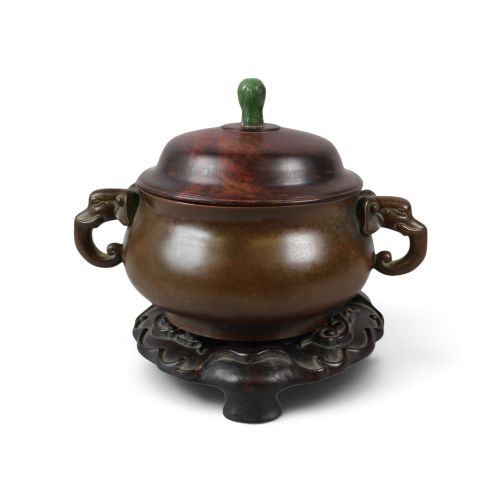
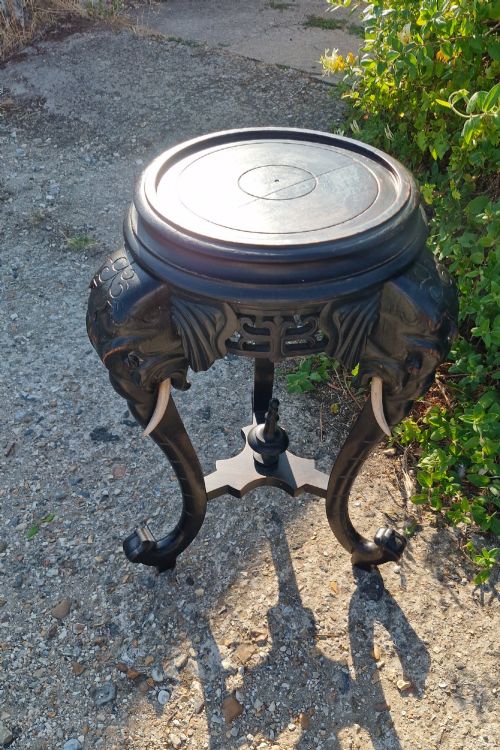
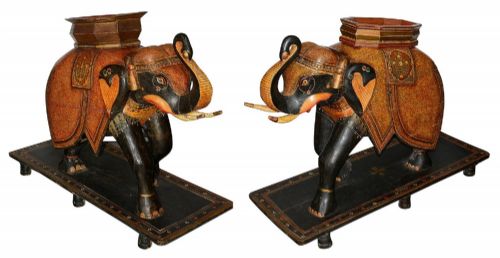
The selection on this page most frequently comprises carved wooden side tables, occasional tables, and pedestals featuring elephant legs, heads, or figurative supports. Alongside tables, the listings include specialised forms such as bookends, censer stands, and decorative pedestals.
Regional styles dominate the offerings, particularly Anglo-Indian, Anglo-Burmese, and Kashmiri traditions. Buyers find everything from hexagonal and octagonal side tables in solid rosewood or teak to carved wooden figures paired with custom stands.
Materials and Construction
The physical build of these pieces relies heavily on dense timbers such as teak, rosewood, and hardwood, selected for their structural stability and capacity for intricate relief carving. Artisans shaped these woods into tripod tables, octagonal surfaces, and figurative supports, often incorporating natural elements like bone inlay or painted wooden tusks.
Metalwork and ceramics appear alongside woodwork, utilising cast bronze, brass, and copper in items like censers, bookends, and Hat pin stands. Surface ornamentation ranges from traditional lacquer work and bone inlay in Hoshiarpur pieces to archaic bronze casting and transfer printing.
Carpentry techniques reflect regional workshop traditions, combining turned columns, pegged joinery, and deep chisel work. The integration of structural elephant figures requires precise balancing of weight, ensuring the carved supports hold table tops or book rests securely.
Late Victorian taste occasionally demanded painted wooden tusks on your occasional table.
Assessing Quality and Execution
The distinction between standard production and superior work lies in the depth and precision of the carving. Master carvers render the anatomy of the elephant and the surrounding foliage with crisp definition, whereas lesser pieces display soft, shallow detailing.
Material selection and decorative enrichment dictate the upper tier of the range. Solid rosewood or teak frames augmented with fine bone inlay, painted tusks, or complex geometric woodwork demonstrate a higher grade of workshop output than plain utility pieces.
Proportion and structural integrity separate fine examples from ordinary survivals. Tables and stands that maintain balanced weight distribution across carved elephant legs without relying on modern reinforcements represent the better examples of period craftsmanship.
The Antique Elephant Stand Glossary
- Anglo-Indian
- Describing furniture made in the Indian subcontinent during the British colonial period, combining European forms with local carving traditions. These pieces often utilise indigenous timbers like teak and rosewood.
- Hoshiarpur
- A style of decorative woodworking originating from Punjab, characterised by intricate micro-mosaic inlay of bone or sheesham wood. Tables from this tradition feature dense geometric patterns across the entire surface.
- Archaistic
- A style in Chinese art that consciously mimics the forms, decorations, and patination of ancient bronzes from the Shang or Zhou dynasties. These items often incorporate mythical motifs alongside animal elements.
- Tripod Table
- A small table supported by three legs or a three-legged pedestal base. This form provides stable placement on uneven floors.
- Censer
- A vessel designed for burning incense, frequently fashioned from bronze with detailed handles or covers. These items often sit upon dedicated custom hardwood stands.
Antique Elephant Stand: Frequently Asked Questions
What is an elephant table?
An elephant table is a small occasional or side table that incorporates elephant imagery into its structure, either through carved legs shaped like elephants, figurative supports, or surface decoration.
These pieces were produced primarily in the 19th century within British colonial regions such as India and Burma, serving as functional display surfaces for lamps, plants, or ornaments.
How do I identify Anglo-Indian furniture?
Anglo-Indian furniture is identified by its fusion of European furniture forms, such as occasional tables or folio stands, with traditional Indian hand-carving techniques and native timbers.
Look for dense relief work depicting foliage, animals, or geometric patterns executed in solid teak or rosewood, frequently dating from the Victorian era.
How can I date an antique stand?
Dating relies on examining the timber species, construction methods, tool marks, and stylistic markers associated with specific periods like the Victorian era or Qing dynasty.
Archive records and listings show common production markers from the 19th century, including hand-cut joinery and regional carving traits from Bombay, Kashmir, or Burma.
Where should I place an occasional table?
Occasional tables work well beside seating areas or in hallways as compact display surfaces for small decorative objects, lamps, or books.
Their smaller footprints make them adaptable to various rooms, though heavier carved wooden models require stable placement away from direct heat sources.