





Antique Elephant Base
An antique elephant base provides a sturdy foundation for sculptures, lamps, and furniture, bringing character and sculptural weight to a room.
Antique Elephant Base
When you search for an antique elephant base, you encounter a diverse selection of objects ranging from table lamps and bookends to side tables and sculptures. These pieces incorporate depictions of elephants to support or form the main body of the item, integrating animal figures into functional and decorative household objects.
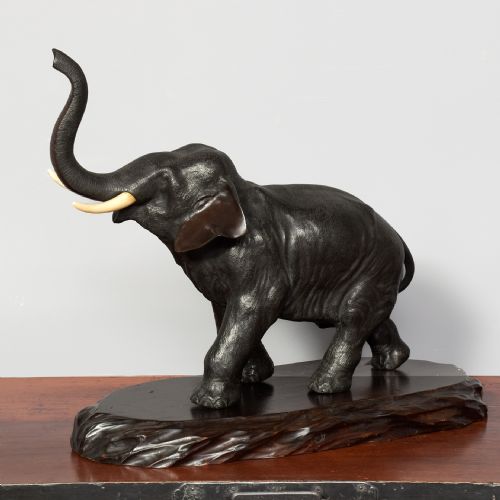
The versions most frequently met on this page span the nineteenth century and the early twentieth century, drawing on Japanese Meiji period metalwork, Art Deco design, and Anglo-Indian craftsmanship. Forms include single bronze animal figures, pairs of bookends, and larger table lamps set upon naturalistic or architectural supports.
Originating from varied cultural traditions, these items reflect both Eastern craftsmanship, such as Japanese bronze casting, and Western decorative arts from the Georgian and Art Deco eras. Buyers select them for their distinct decorative presence and the varied materials utilised in their construction.
Materials and construction
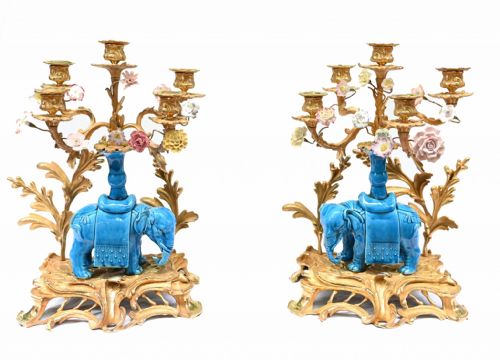
Makers utilised cast bronze, spelter, and porcelain to form the primary animal figures and their structural supports, frequently incorporating ivory for tusks and hardwood or marble for the underlying mount. Metal components were often cast and chased by hand to define the skin texture and decorative trappings of the animal.
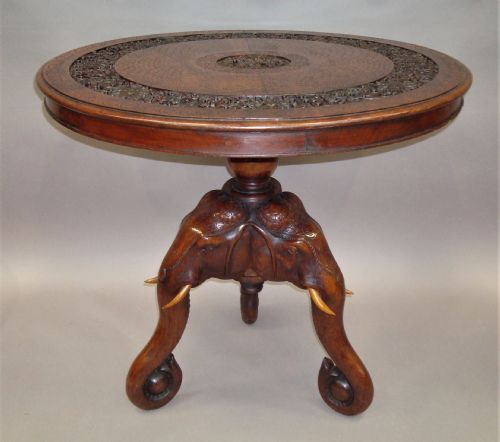
Woodworking and furniture techniques appear in ebony and hardwood sculptures and tables, where timber was carved to shape both the elephant and the integrated base. Ceramic pieces employ transfer printing methods, visible in blue and white porcelain items featuring animal motifs.
Antique Elephant Base Retail Price Guide 2026
Typical asking prices for elephant base among the pieces listed under this phrase on Sellingantiques today, from the lower quarter to the upper quarter. They describe what is for sale here now, not the wider market.
Several elephants share their bronze platforms with tigers, proving that even in metal, peace talks are complicated.
Assessing quality
The choice of secondary materials, such as genuine ivory tusks or dense hardwoods like ebony, elevates the standing of an object compared to those utilising plain wood or bone substitutes. Preserved patination on metal surfaces and intact original components further separate superior examples from altered or heavily restored pieces.
The Antique Elephant Base Glossary
- Meiji Period
- The era in Japanese history spanning from 1868 to 1912, noted for detailed bronze casting and naturalistic animal sculptures. Pieces from this time often exhibit high technical skill in metalwork.
- Spelter
- A zinc alloy commonly utilised as a substitute for bronze in decorative figures and bookends. It is softer than bronze and frequently finished with a bronze-coloured patina.
- Anglo-Indian
- A style describing decorative arts and furniture made in India during the British period, often featuring native timbers and local iconography. These items blend traditional Indian motifs with British furniture forms.
- Transfer Print
- A ceramic decoration method where an engraved design is printed on tissue paper and transferred onto pottery before glazing. This technique enabled consistent patterned decoration on items like sauce tureens.
- Regency
- A British architectural and decorative style spanning the early nineteenth century, characterised by classical restraint and ornamental metal mounts. Pieces from this period often employ gilt bronze and porcelain.
Antique Elephant Base: Frequently Asked Questions
What materials make up an antique elephant base?
These items are constructed from materials such as bronze, spelter, marble, ivory, and various hardwoods depending on the origin and period. Metal castings and carved timber form the primary structures.
Secondary elements often include bone, fabric, and porcelain, reflecting the wide range of decorative objects that incorporate these animal figures.
How do I date a bronze elephant sculpture?
Dating relies on stylistic indicators such as the naturalism of the Meiji period or the geometric lines of Art Deco design. Maker marks and the specific composition of the metal provide further clues.
Examining the base and the attachment methods of the figure helps establish the likely manufacturing era of the piece.
Where were these decorative items made?
The pieces originate from diverse workshops in Japan, France, Britain, and India. Each region contributed distinct regional techniques and material preferences to the objects.
Japanese examples often feature detailed bronze work, while European pieces frequently span Art Deco bookends and porcelain tablewares.
How should I care for mixed material items?
Maintenance involves dusting metal surfaces with a dry cloth and avoiding harsh chemical cleaners that might damage patination. Wood and ivory components require stable humidity levels to prevent cracking.
Gentle handling preserves the original finish on both the animal figure and the supporting base.