



Antique Electric Desk Light
An antique electric desk light brings genuine period character and warm illumination to a workspace, built to last with honest metalwork and period forms.
Antique Electric Desk Light
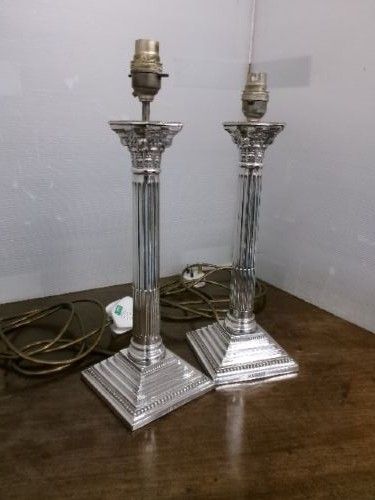
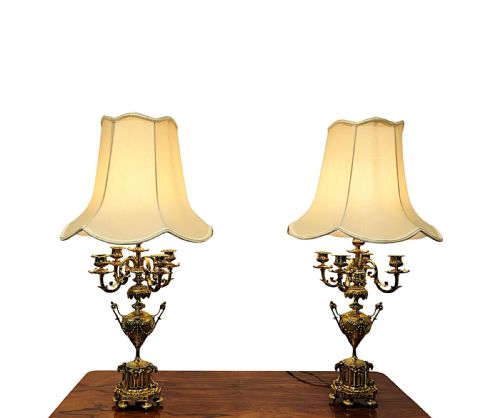
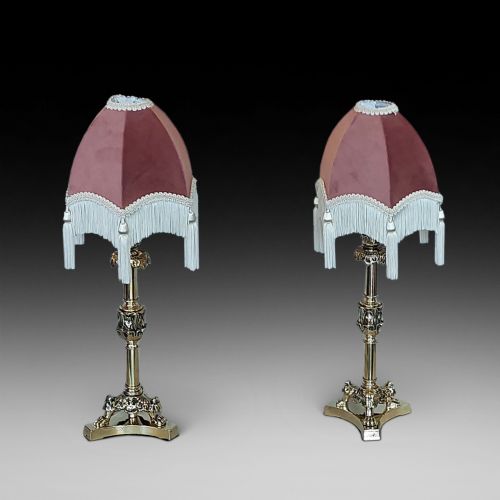
When searching for an antique electric desk light, you encounter task illumination and decorative table lamps adapted from earlier lighting forms. Many pieces began life as oil lamps, candlesticks or candelabra before conversion to electricity during later renovations.
The selection on this page spans the nineteenth and twentieth centuries, incorporating periods such as the Victorian and Edwardian eras alongside Art Deco designs. Common forms include brass Corinthian columns, gilt bronze figures and converted oil lamps featuring glass or ceramic reservoirs.
Origins range across English, French and North American workshops, utilising styles from Neoclassical to Rococo Revival and Art Nouveau. Buyers find single desk lamps as well as matched pairs suitable for larger tables and desks.
Materials and construction methods
Metal fabrication dominates these pieces, utilising cast brass, silver plate, gilt bronze, ormolu, copper and wrought iron. Artisans shaped these durable metals through casting, chasing and stamping to create detailed columns, bases and figural mounts.
Combinations of glass, ceramic, fabric, walnut and hardstone frequently accompany the metal structures. Glass components include opaline shades and crystal drops, while converted oil lamps retain their original ceramic or glass bodies adapted for modern wiring.
Antique Electric Desk Light Retail Price Guide 2026
Typical asking prices for electric desk light among the pieces listed under this phrase on Sellingantiques today, from the lower quarter to the upper quarter. They describe what is for sale here now, not the wider market.
Several heavy brass lamps began their working lives holding paraffin before industrious Victorians wired them for the newfangled electric age.
Judging the quality of period lighting
Quality rests in the crispness of the casting and the weight of the materials used in the base and column. Finer examples show sharp detail in decorative elements like acanthus leaves, lion paws or putti, whereas lesser pieces display softer contours from worn moulds.
The integrity of the conversion work also distinguishes the range. Superior pieces integrate electrical fittings cleanly into the historic structure without compromising the original silhouette or damaging the antique metalwork and ceramic components.
WAS Benson·Walter Latham & Son·Farraday & Son
The Antique Electric Desk Light Glossary
- Corinthian column
- A classical architectural column form featuring ornate acanthus leaf capitals, frequently utilised for tall brass and silver plated table lamps.
- Ormolu
- Finely ground high-carat gold applied to a bronze base, creating a rich golden finish seen on French decorative pieces.
- Spelter
- A zinc alloy used as a cost-effective substitute for bronze in decorative figures and lamp bases during the nineteenth and twentieth centuries.
- Opaline glass
- A milk-white or tinted translucent glass popular for lamp shades and oil reservoirs during the Victorian and Edwardian periods.
- Candelabra
- A branched lighting fixture designed to hold multiple candles, often converted into electric table lamps in later periods.
Antique Electric Desk Light: Frequently Asked Questions
How do I safely use an antique lamp?
Have a qualified electrician inspect the internal wiring and replace any deteriorated cords or lampholders before regular use.
Most converted pieces accept standard modern bulbs, though you should check the maximum wattage to protect vintage components.
Can I adjust the height of these desk lights?
The vast majority of these historic table lamps and converted candlesticks feature fixed heights determined by their original nineteenth or early twentieth-century design.
If flexibility is essential for your workspace, look specifically for articulated or adjustable metal designs rather than rigid column forms.
Were these originally electric?
Many examples on this page started as oil lamps, candlesticks or candelabra and were later converted to run on electricity.
This adaptation process is standard for period lighting, allowing you to enjoy antique craftsmanship with modern convenience.
How do I date an antique lamp?
Dating relies on stylistic markers such as the Neoclassical proportions of a Corinthian column or the geometric lines typical of Art Deco production.
Maker stamps, metal casting techniques and the original function as an oil lamp or gas fixture also provide clear chronological clues.