





Antique Ecclesiastical Box
An antique ecclesiastical box holds the history of centuries of worship, bringing sacred metalwork and timber into domestic collections.
Antique Ecclesiastical Box
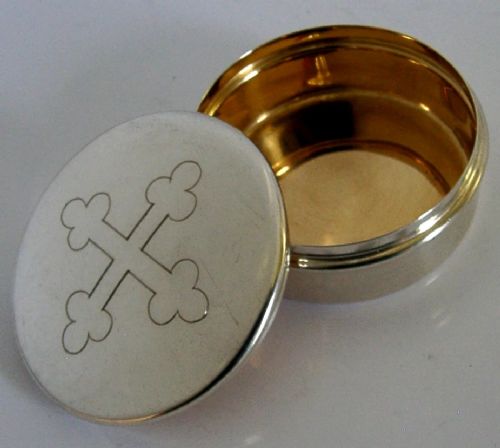
An antique ecclesiastical box serves sacred and functional roles within church environments, ranging from small pyx containers for communion hosts to larger oak coffers and storage chests. Buyers searching for this phrase encounter a diverse assortment of liturgical vessels, collection boxes, and chapel storage furniture spanning several centuries.
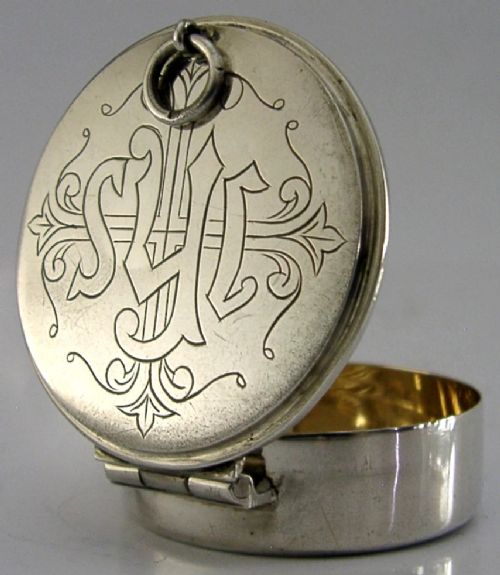
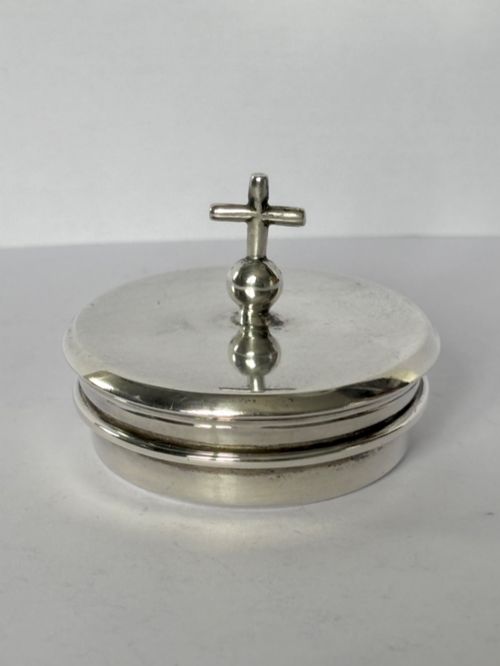
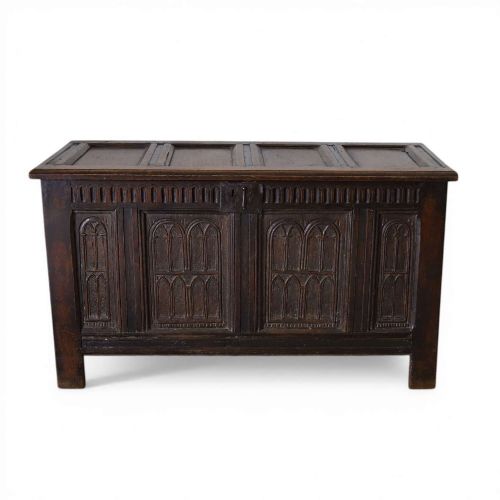
The pieces appearing on this page stretch from seventeenth-century carved oak coffers to mid-twentieth-century sterling silver gilt pyx boxes. Oak and mahogany provide the primary structure for the larger chests and bible boxes, while sterling silver, silver gilt, and copper shape the smaller liturgical containers.
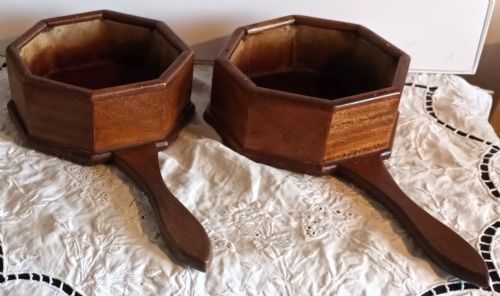
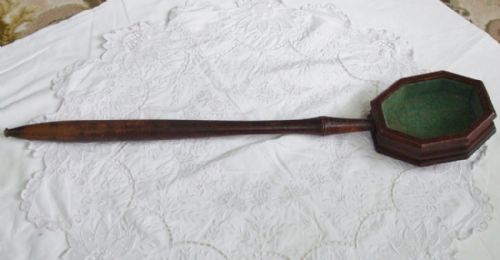
Forms vary from sturdy church collection boxes with long arms to verger's table top desks and monumental Spanish Gothic cathedral chests. Collectors select these items for their architectural carving, ecclesiastical provenance, and connection to historical religious practices.
How they were made
Craftsmen built timber boxes using solid oak, mahogany, and pine, often employing traditional joinery and hand-carving techniques to create structural panels and gothic motifs. Carpenters shaped church coffers and bible boxes with thick wooden boards designed to withstand heavy use in vestries and chapels.
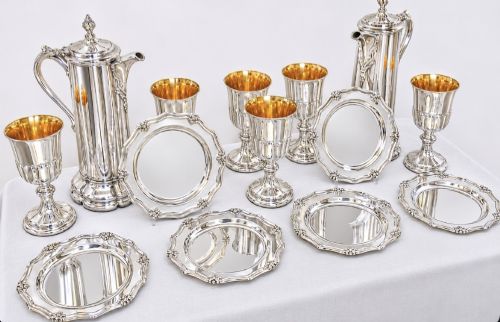
Metalworkers utilised sterling silver, silver gilt, brass, and copper for pyx boxes and communion sets, applying engraving, gilding, and plating methods to finish the surfaces. Silversmiths worked in urban centres like London and Birmingham to produce marked liturgical vessels with intricate decorative details.
Antique Ecclesiastical Box Retail Price Guide 2026
Typical asking prices for ecclesiastical box among the pieces listed under this phrase on Sellingantiques today, from the lower quarter to the upper quarter. They describe what is for sale here now, not the wider market.
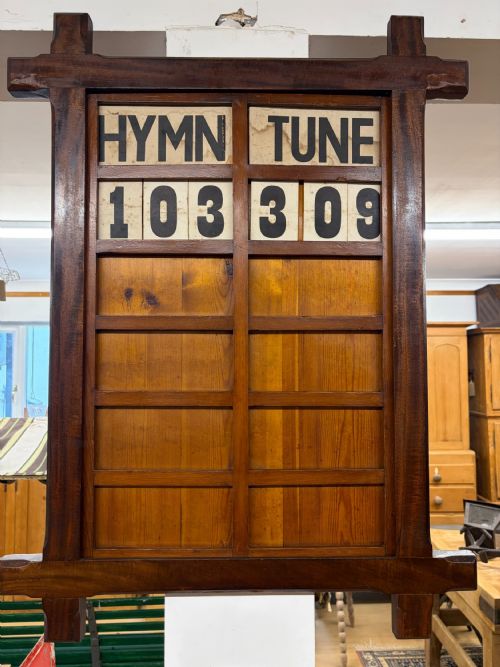
Object forms include pyx boxes, hymn boards, verger's desks, long arm collection boxes, and Gothic cathedral chests.
What varies in quality
Quality rests in the crispness of the hand-carved Gothic ornamentation on seventeenth-century oak panels and the precision of the silversmith's engraving on precious metal pyx boxes. Pieces featuring maker marks and defined regional origins demonstrate greater artisanal authority.
Materials dictate distinct tiers of craftsmanship, where heavy solid oak framing and thick silver gilt outlast simpler pine constructions or thin plating. The survival of original surface patination and structural integrity separates standard utility items from superior examples.
F OSBOURNE AND CO·BURNS OATS AND WASHBOURNE·FA BARRETT
The Antique Ecclesiastical Box Glossary
- Pyx box
- A small round container used in the Christian church to carry the Eucharist. These vessels frequently feature precious metals such as sterling silver and silver gilt.
- Coffer
- A large heavy box with a hinged lid used for storing valuables, vestments, or documents. Early examples often display Gothic carving and robust oak construction.
- Silver gilt
- Silver that has been coated with a thin layer of gold on its surface. This technique provides the rich appearance of solid gold while utilising a silver base.
- Alms dish
- A metal basin or plate utilised for collecting monetary offerings during church services. These pieces often feature engraved or embossed decorative motifs.
- Hymn board
- A wooden display fixture used in churches to show the numbers of the hymns chosen for a service. They occasionally accompany large boxes of card numbers.
Antique Ecclesiastical Box: Frequently Asked Questions
How do I date an oak church coffer?
Dating an antique oak coffer involves examining the construction methods, tool marks, and style of carving present on the wood panels. Early examples from the seventeenth century typically display pegged joinery and deep Gothic motifs.
Changes in regional woodworking traditions and hardware styles help narrow the decade of manufacture. Grain patterns and natural patination also provide visual clues to the age of the timber.
Where were verger's bible boxes kept?
Verger's bible boxes and table top desks sat inside churches and vestries to hold essential service books, records, and parish documents. Their portable tabletop design allowed them to be moved between desks and altars as needed.
Built from durable English oak, these boxes protected heavy texts from damp stone walls and daily wear. They remained practical fixtures of church administration for centuries.
How do silver marks help identify pieces?
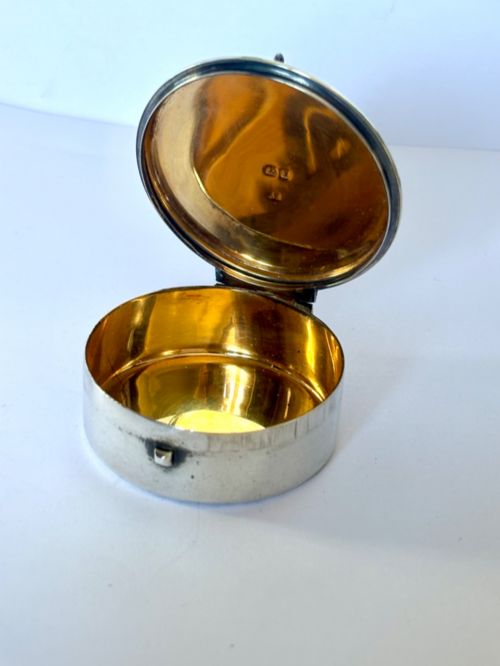
Silver hallmarks stamped onto liturgical boxes reveal the town of assay, the year of creation, and the specific silversmith or firm responsible for the work. These official stamps provide a reliable timeline for nineteenth and twentieth-century items.
Maker marks connect individual pieces to established workshops like F. Osbourne and Co or F. A. Barrett. This documentation confirms the authenticity and geographic origin of the silver.