


Antique Ebony Cane
An antique ebony cane is a distinguished walking aid fashioned from dense dark hardwood, offering both steady support and classic refinement.
Antique Ebony Cane
When searching for an antique ebony cane, buyers encounter dense tropical hardwood walking sticks that often feature precious metal mounts, carved details, or hidden utility such as sword blades and snuff boxes. These functional accessories stem from various periods including the Regency and Victorian eras, reflecting global trade routes and colonial craftsmanship.
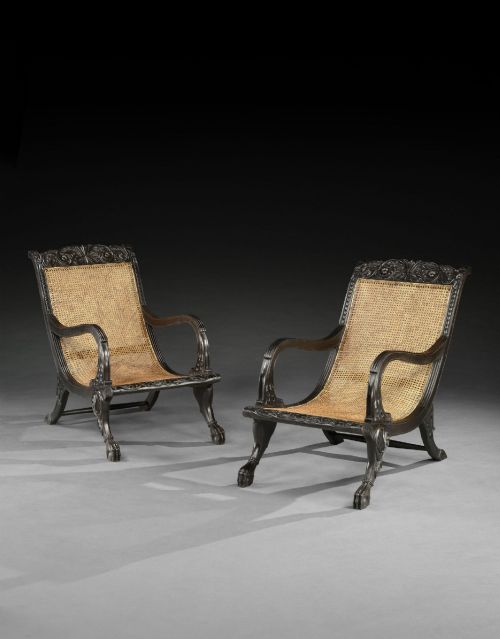
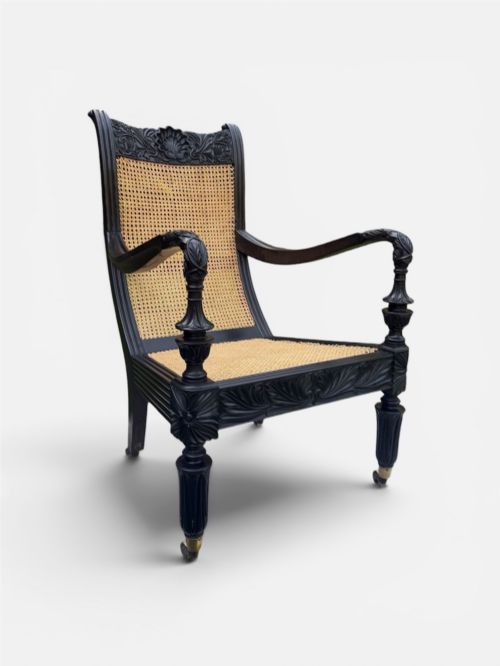
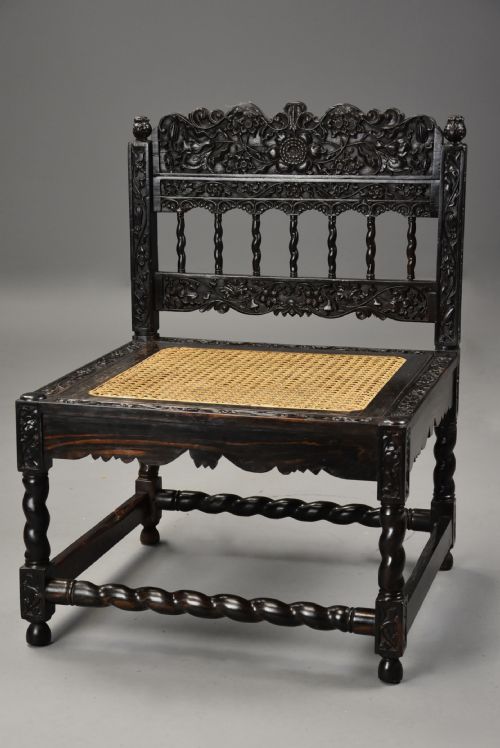
The pieces appearing on this page span the nineteenth and early twentieth centuries, alongside distinct regional styles like Anglo-Indian and Chinese Export work. While the search term specifically targets canes, the broader material and stylistic context also encompasses solid ebony seating from Ceylon and the Coromandel Coast.
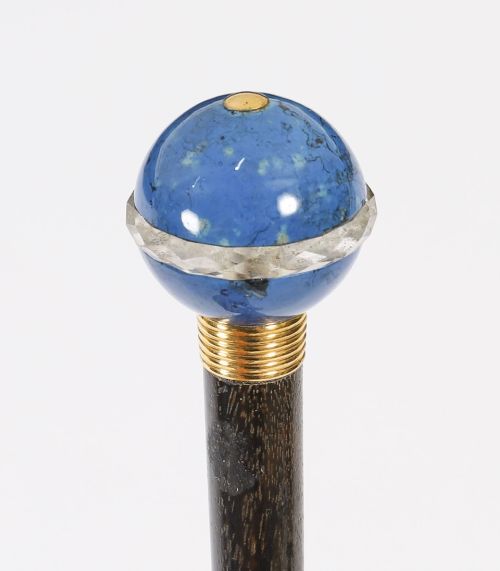
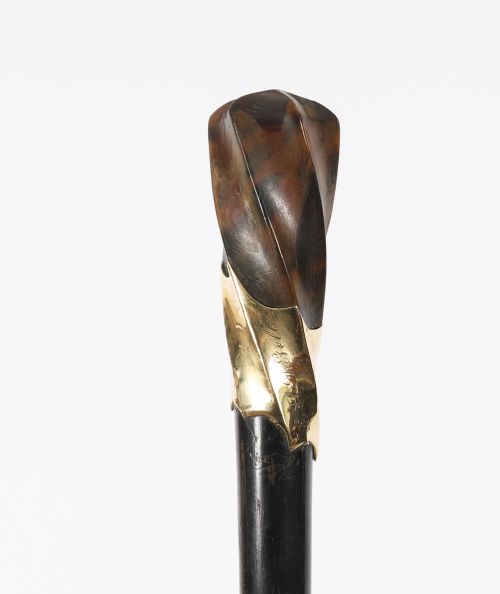
Most walking sticks found in this category incorporate decorative pommels in silver, brass, or gold, whilst others showcase exotic mineral inlays such as lapis lazuli and rock crystal. Buyers most frequently meet nineteenth-century examples bearing maker marks from renowned London retailers or overseas workshops.
Materials and construction
Makers utilised solid ebony for the main shafts, prized for its natural dark tone and exceptional weight. Artisans carved intricate foliage, geometric patterns, or animal motifs directly into the hardwood or mounted precious metals to the terminal ends.
Metalwork components such as silver, brass, and eighteen-carat gold were cast, chased, and embossed to form ergonomic handles or protective ferrules. Specialised workshops integrated hidden mechanisms like sword blades and snuff box compartments within the wooden shafts with precise joinery.
A clover motif hides inside a nineteenth-century silver snuff box handle, ready to bring good fortune to whatever pinch follows.
Assessing quality
Quality rests upon the purity and density of the ebony timber, the depth and crispness of any carved ornamentation, and the integrity of the metal mounts. Superior examples display meticulous hand-chasing on silver or gold pommels alongside secure, well-fitted internal mechanisms.
The presence of documented maker marks from established retailers like Brigg or Wang Hing elevates a piece, as does the integration of unusual materials such as lapis lazuli or rock crystal. Proportion, balance, and the preservation of the original polish determine the distinction between ordinary utility items and fine collector pieces.
Briggs·Brigg's·Wang Hing And Company·Henry Borlase Stevens
The Antique Ebony Cane Glossary
- Ebony
- A dense black or very dark brown hardwood obtained from trees native to tropical regions, valued for its weight and smooth finish. It resists decay and takes a high polish.
- Pommel
- The knob or handle at the top of a walking stick or cane, often formed from silver, gold, brass, or carved stone. It provides a comfortable grip for the user.
- Ferrule
- The metal cap fitted to the bottom of a walking stick to protect the wood from wear against pavements and paths. It secures the base during regular use.
- Sword stick
- A hollow cane designed to conceal a bladed weapon safely inside the wooden shaft. These pieces typically feature a locking mechanism near the handle.
- Bergere
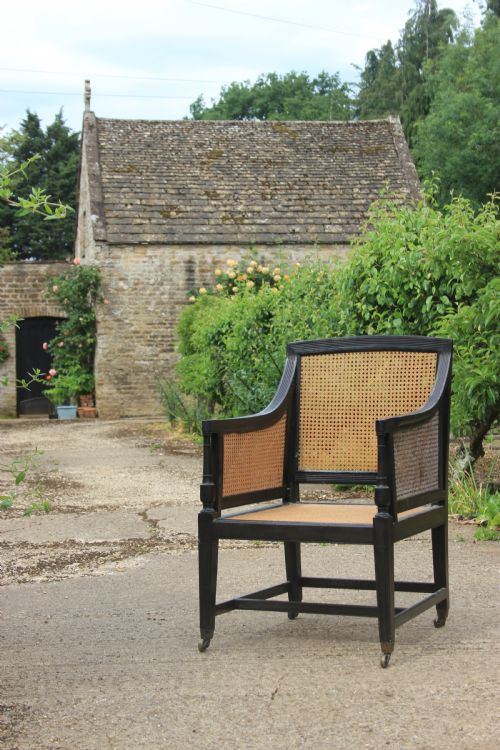
- A type of enclosed armchair with a wooden frame and woven cane panels on the back and sides. This form frequently utilises solid exotic hardwoods.
Antique Ebony Cane: Frequently Asked Questions
How do I date an antique cane?
Dating relies on stylistic clues, hallmarked precious metal mounts, and documented maker names stamped onto the collar or handle. Examining the wear patterns and construction techniques also helps establish the period of manufacture.
Fashions in handle design and metal engraving changed across the nineteenth and early twentieth centuries, providing reliable chronological markers for collectors.
Were sword sticks used for self defence?
Gentlemen carried sword sticks during the nineteenth century primarily as a fashionable accessory and precaution against urban hazards. The concealed blade offered discreet personal protection while walking through poorly lit streets.
These pieces combined practical utility with high social status, often featuring ornate silver or gold handles that signalled wealth.
How should I care for ebony wood?
Keep ebony walking sticks away from direct sunlight and sudden temperature shifts to prevent the dense hardwood from splitting. Dust the surface regularly with a soft, dry cloth and apply a minimal amount of appropriate furniture wax only when the wood appears dry.
Avoiding excess moisture protects both the wooden shaft and any delicate metal mounts attached to the handle.
What distinguishes Anglo-Indian furniture?
Anglo-Indian pieces combine traditional British furniture forms with intricate indigenous carving styles executed by craftsmen in regions like Ceylon and the Coromandel Coast. These items utilise locally sourced solid ebony and feature deep relief work depicting foliage and animals.
Such works reflect the cross-cultural exchange of design ideas during the colonial period.