
Antique Ebonised Mount
An antique ebonised mount brings deep contrast and structural emphasis to period furniture through dark finishes paired with bright cast metal.
Antique Ebonised Mount
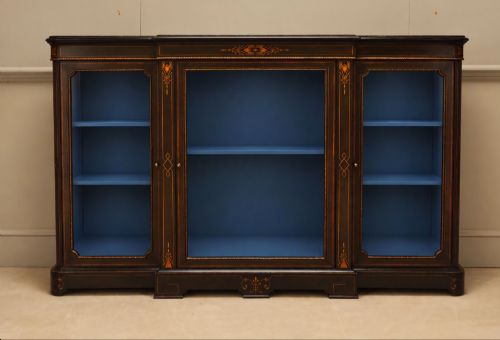
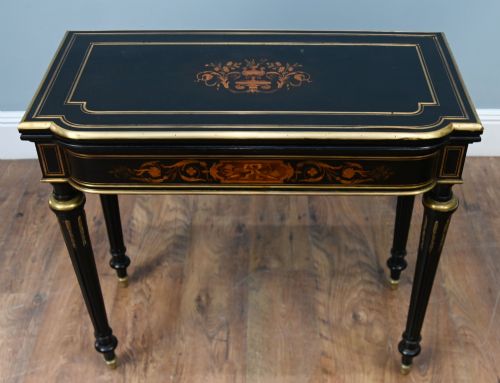
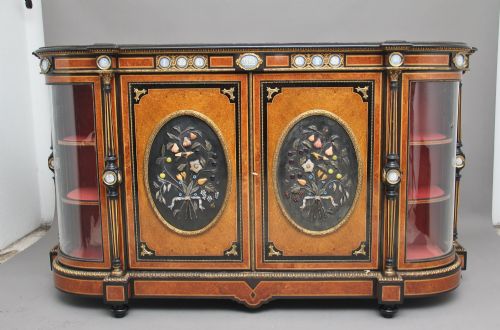
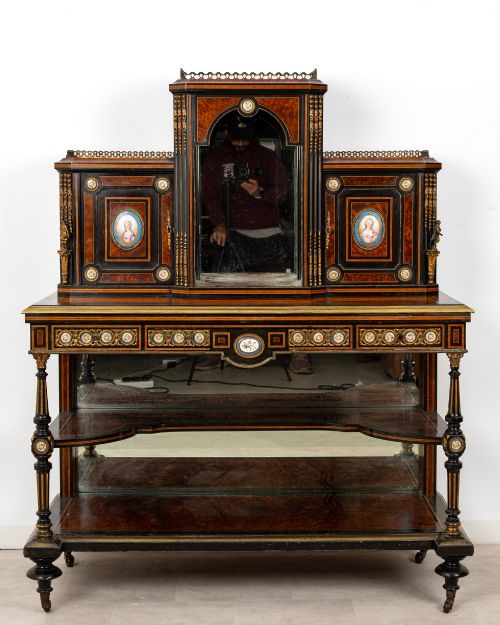
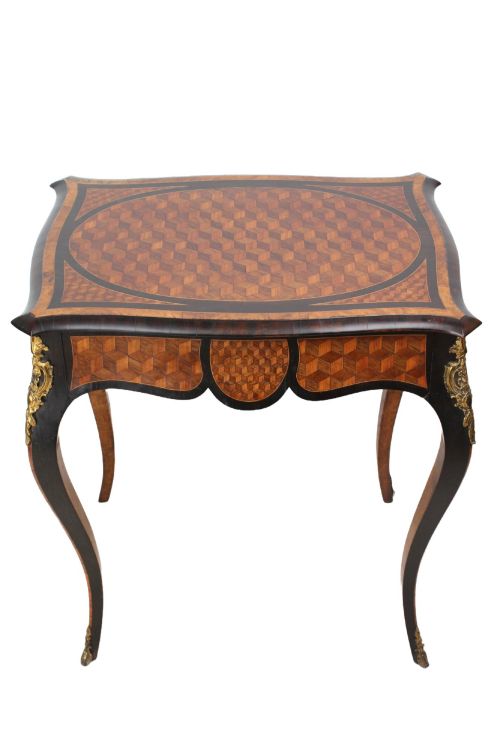
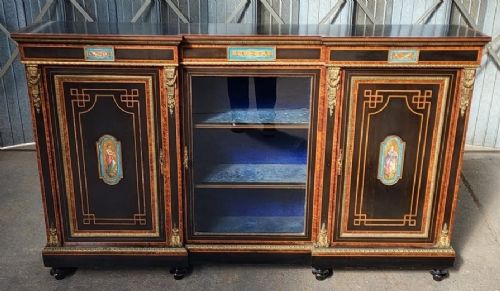
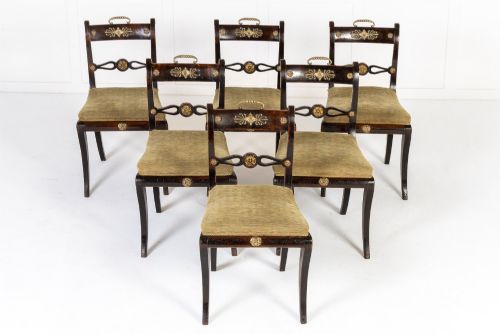
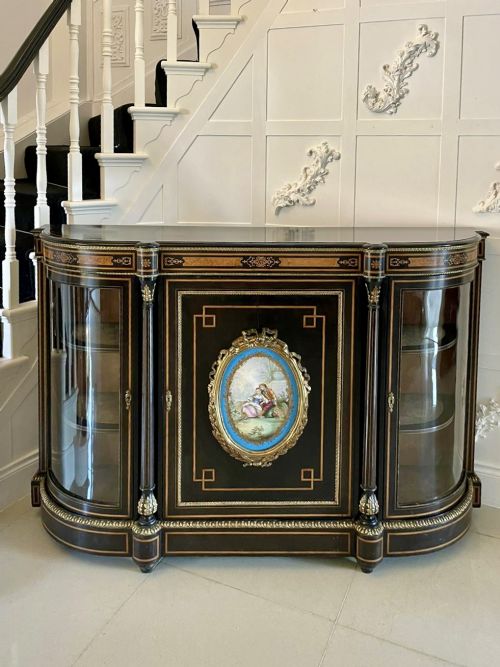
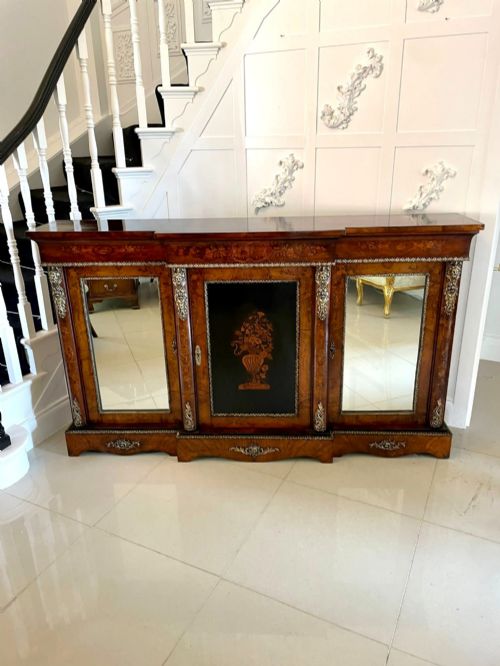
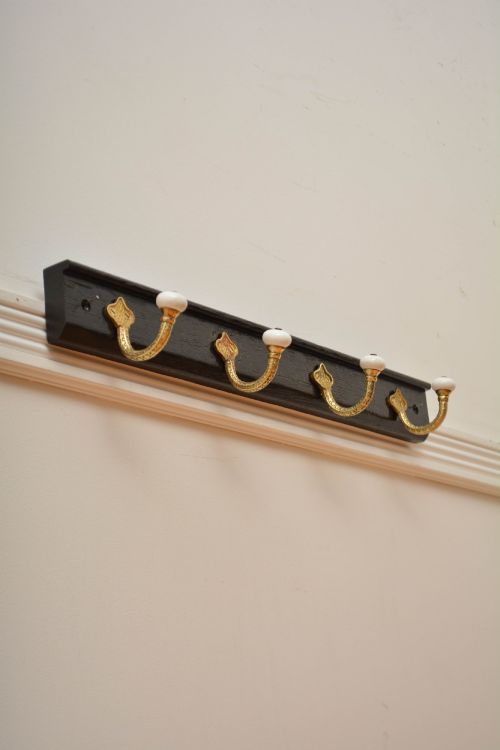
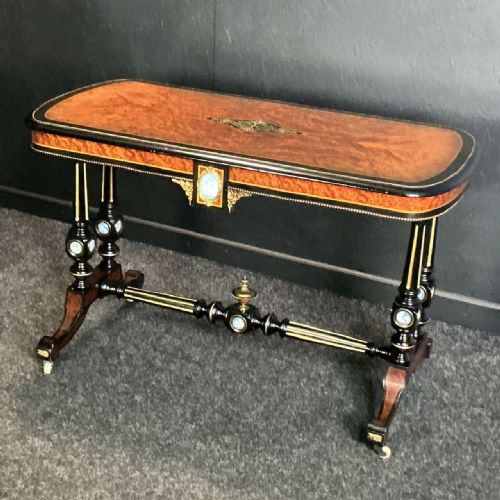
When you search for an antique ebonised mount, you encounter decorative hardware and dark timber elements applied to furniture from the nineteenth century onward. These pieces combine blackened wood surfaces with contrasting metal mounts in brass, ormolu, and gilt bronze. Cabinets, desks, and sideboards dominate the selection, often drawing on French Napoleon III and Victorian design vocabularies.
The aesthetic stems from a long European tradition of imitating expensive exotic hardwoods like ebony using domestic timbers treated with stain or paint. Makers applied cast metal enrichments to corners, panels, and key escutcheons to elevate the visual impact of the dark ground. You find these details on pier cabinets, credenzas, and occasional tables intended for formal reception rooms.
How they were made
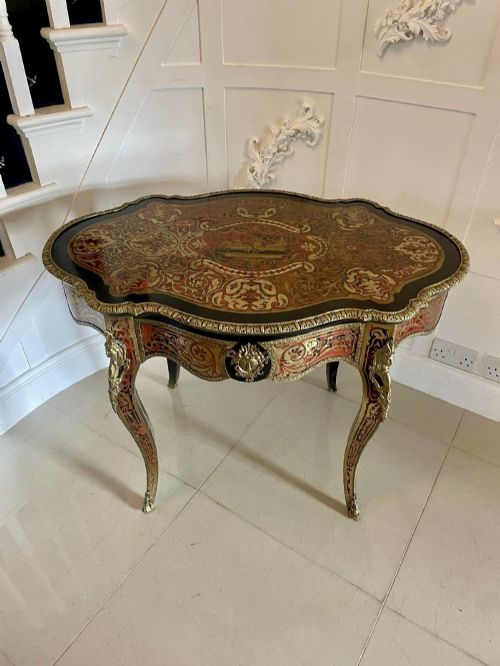
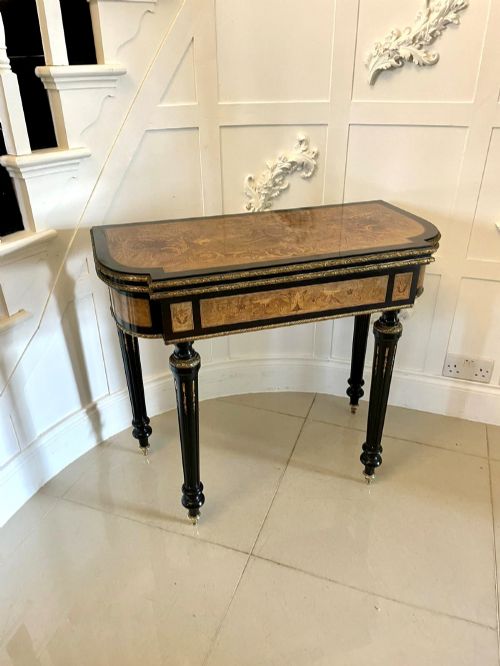
The underlying timber, typically fruitwood or beech, received a dark stain, polish, or specialised coating to achieve the dense black ebonised finish. Artisans then integrated cast brass or ormolu mounts, securing them flush to the wood surfaces with small pins or screws. Tortoiseshell, mother-of-pearl, and Boulle marquetry inlay frequently accompanied these metal mounts on high-status French and English furniture.
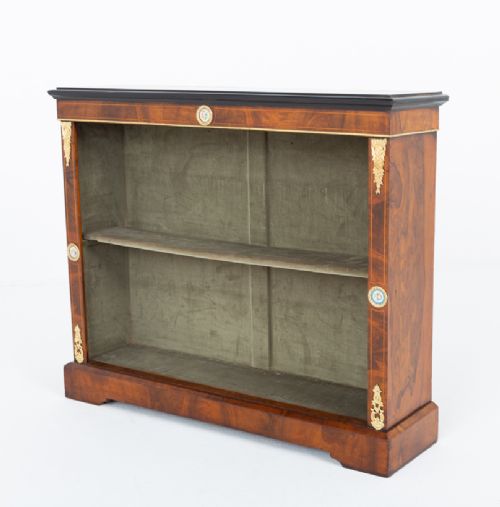
Cabinet makers constructed robust carcases in walnut, oak, or amboyna before applying the ebonised veneers and mouldings. The metal components were cast in bronze or brass, then hand-chased and fire-gilt in the case of ormolu to create sharp relief against the dark timber.
Listings feature 19th Century, Victorian, and 1880 periods with materials including Ebonised Wood, Brass, Ormolu, and Tortoiseshell.
What varies in quality
Quality depends heavily on the crispness of the metal chasing and the depth of the ebonised finish. Finer pieces display finely articulated ormolu mounts with clean casting lines, whereas lesser examples use simpler, unchased brass stampings. The precision of the inlay work and the choice of secondary timbers also separate standard production from master workshop output.
JAS Shoolbred·Edwards And Robert's·Thomas Hope·George Edmund Street·Desbois & Wheeler
The Antique Ebonised Mount Glossary
- Ebonised
- Wood treated with stain, paint, or chemical processes to imitate solid ebony. This technique gained widespread popularity during the Victorian and Napoleon III periods for dramatic visual contrast.
- Ormolu
- Finely chased bronze that has been coated with a mercury and gold amalgam and fired to produce a rich golden finish. It provides bright highlights on dark furniture surfaces.
- Boulle work
- Marquetry technique utilising brass and tortoiseshell arranged in counterchange patterns. Named after the French cabinet maker André-Charles Boulle, it defines much nineteenth-century decorative furniture.
- Credenza
- A low dining room or parlour cabinet used for display and storage. These pieces frequently incorporate ebonised surfaces and gilt metal mounts.
- Marquetry
- Decorative veneer patterns assembled from various woods, metals, or shells to form pictorial or geometric designs. It creates intricate surface decoration on cabinet doors and tabletops.
Antique Ebonised Mount: Frequently Asked Questions
What is an ebonised mount?
An ebonised mount refers to decorative metal hardware, such as brass or ormolu, applied to blackened wooden furniture. These elements provide striking visual contrast against the dark timber ground.
Such details appear frequently on nineteenth-century European cabinets, desks, and display pieces. The combination accentuates the structural lines of the furniture.
How do I care for ebonised wood?
Ebonised wood requires gentle dusting with a soft, dry cloth to protect the dark finish from abrasion. Avoid harsh chemical cleaners and direct sunlight, which can fade the blackened surface over time.
Maintaining stable indoor humidity levels prevents the underlying timber from expanding or contracting. This protects both the wood and the delicate metal mounts from loosening.
What periods feature ebonised mounts?
While originating earlier, ebonised mounts appear most abundantly on Victorian and Napoleon III furniture from the nineteenth century. Revival styles during this era drew heavily on seventeenth-century Baroque and Boulle techniques.
Maker workshops across England and France produced extensive lines of ebonised cabinets and tables incorporating gilt bronze hardware. These pieces reflected a taste for historicism and dark, dramatic interiors.
Are these mounts made of solid brass?
Mounts vary from simple stamped brass to heavy cast bronze and fire-gilt ormolu. Higher-quality pieces utilise bronze that has been meticulously hand-chased after casting to sharpen the details.
Cheaper production pieces often feature thin brass sheeting or electroplated fittings. Examining the weight and the depth of the surface relief reveals the manufacturing method.