

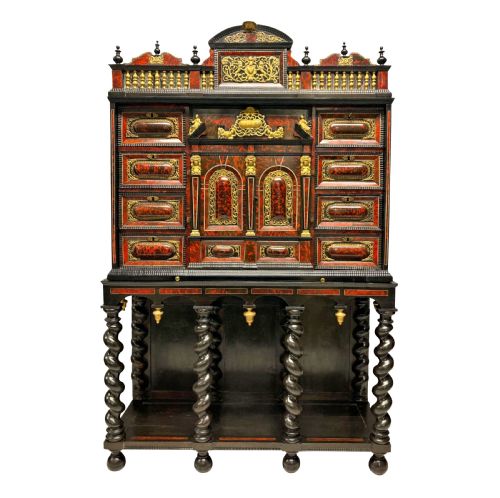


Antique Ebonised Cupboard
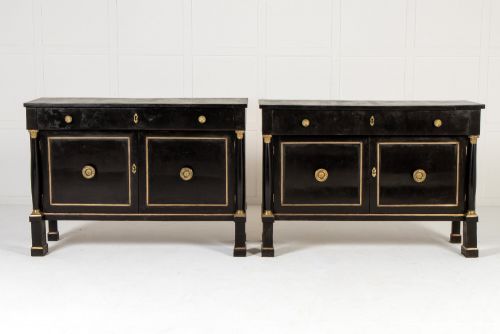
When you handle an antique ebonised cupboard, you encounter dark, striking finishes that give period timber a dense, uniform presence in a room.
Antique Ebonised Cupboard
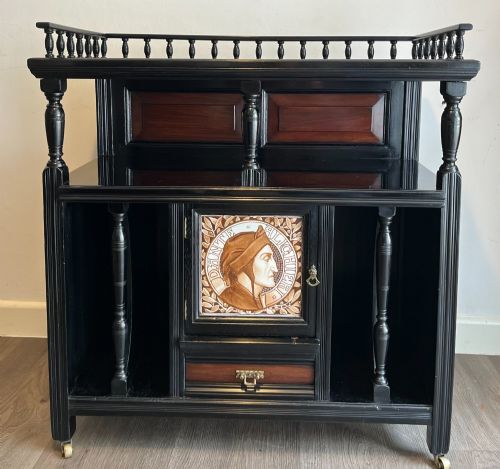
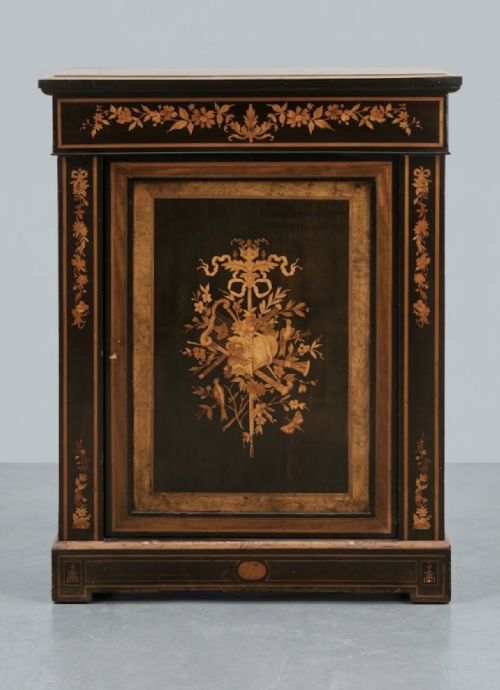
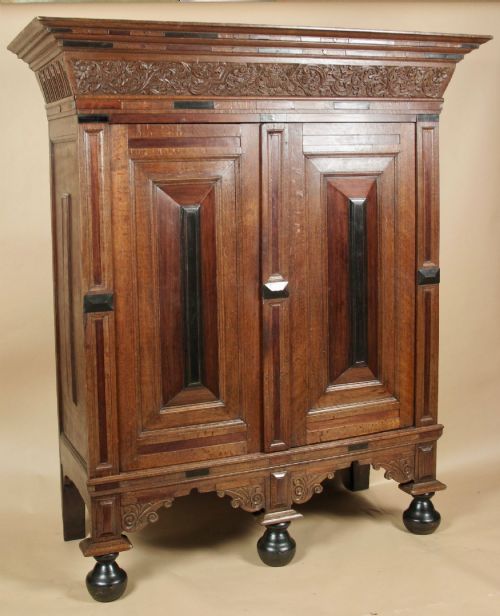
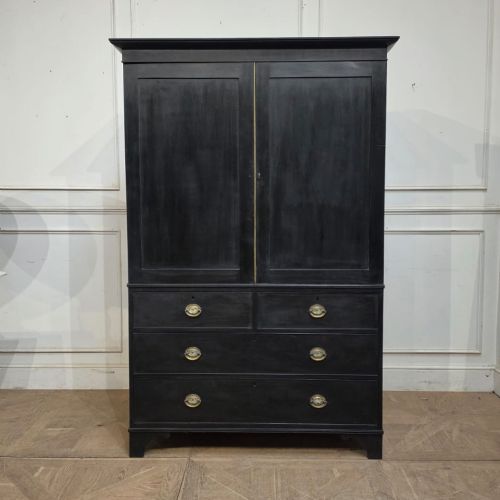
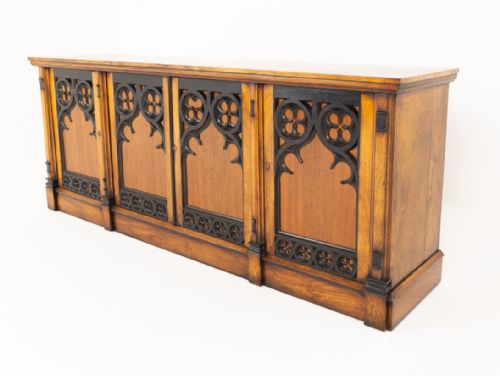
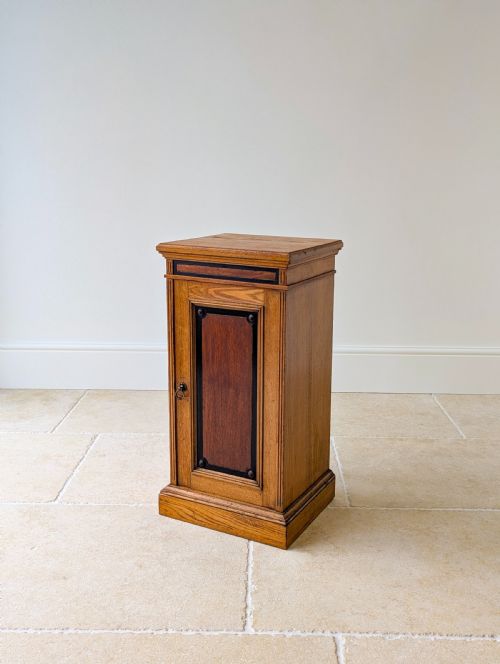
An antique ebonised cupboard encompasses a variety of dark-finished storage pieces, ranging from compact bedside cabinets to grand side cabinets and architectural cupboards on stands. The pieces seen span from the seventeenth century through the Victorian era into the art deco period, reflecting diverse regional workshops.
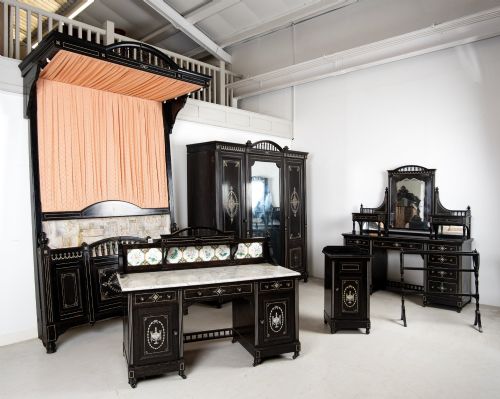
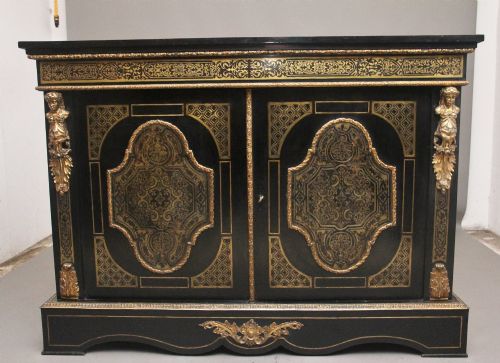
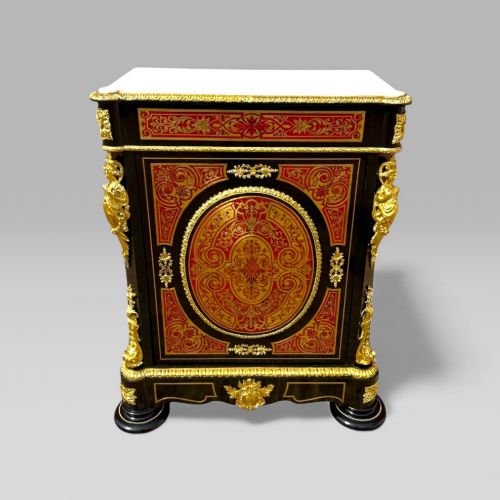
The most common forms on this page are pier cabinets, side cabinets, and display cabinets originating from nineteenth-century England and France. These Victorian and Napoleon III pieces frequently combine ebonised wood with contrasting brass inlay, ormolu mounts, or ceramic plaques.
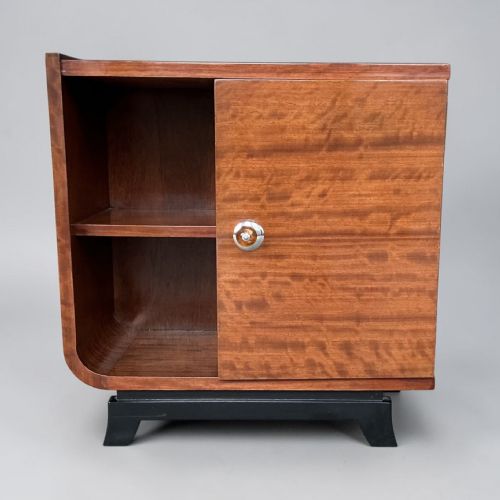
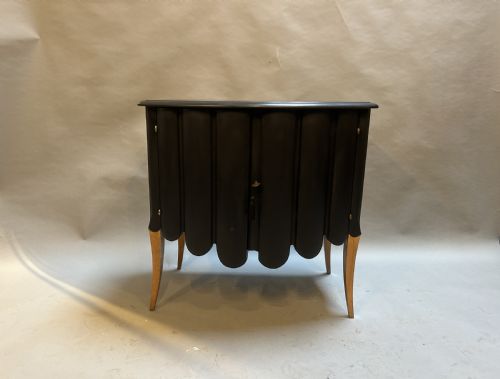
Earlier examples include seventeenth-century Flemish and Dutch works utilising heavy timber frameworks, while later twentieth-century entries show art deco influences and haberdashery designs. Buyers select these items for their strong silhouette and historical surface treatments.
Materials and Techniques
The characteristic dark finish is achieved by ebonising wood, a process of staining or painting timber such as oak, fruitwood, or pine to imitate expensive ebony. This dark ground often serves as a base for intricate brass and tortoiseshell boullework, or polished marble tops.
Cabinet makers applied decorative mounts in ormolu and gilt-metal alongside porcelain plaques to enrich the facades of Victorian and French pier cabinets. Internal construction relies on traditional joinery methods appropriate to each period, from seventeenth-century paneled doors to later veneered carcases.
Several night porters left their keys behind in the evidence, guarding dark cupboards through the long hours.
Craftsmanship and Detail
Quality in these dark-finished pieces rests on the precision of the surface preparation and the crispness of any applied metal or marquetry details. Finer examples display meticulous execution in brass inlay and securely fitted marble tops rather than hasty finishing.
The integrity of the structural timber and the subtlety of the ebonising distinguish standard production from exhibition pieces. Superior cabinets maintain balanced proportions and harmonious mounts that complement the deep tone of the wood.
Henry Ogden and Son
The Antique Ebonised Cupboard Glossary
- Ebonised
- Wood treated with stain, dye, or paint to simulate solid ebony. This technique gained popularity in various periods to achieve a formal, dark surface.
- Boulle
- A form of marquetry consisting of tortoiseshell and brass inlaid in delicate patterns. It appears frequently on nineteenth-century French furniture.
- Ormolu
- Gilt-bronze mounts applied as decorative ornaments to furniture carcases. These metal details provide contrast against dark timber surfaces.
- Pier Cabinet
- A narrow display or storage cabinet designed to stand against the wall space between windows. They often feature glass doors for exhibiting collections.
- Cabinet on Stand
- A tall storage section raised upon a separate supporting frame or legs. This form showcases elaborate exterior decoration and specialised joinery.
Antique Ebonised Cupboard: Frequently Asked Questions
How do I clean an ebonised surface?
Dust gently with a soft, dry cloth to protect the dark finish from scratching. Avoid modern chemical sprays that can dull the polished surface over time.
For stubborn marks, use a slightly damp cloth with mild soap, drying the timber immediately afterward. Preserving the original sheen requires minimal intervention and gentle care.
Where should I place a pier cabinet?
These narrow cabinets suit alcoves, hallways, or wall spaces between windows where deeper furniture will not fit. Their shallow footprint makes them practical for smaller rooms.
Ensure the location avoids direct sunlight to protect delicate brass mounts, tortoiseshell, and internal linings from fading or warping.
Are these cabinets suitable for everyday use?
Most pieces function well for general storage, displaying books, or holding bedside items depending on their scale. Their sturdy wooden carcases handle normal daily interaction.
Care must be taken with marble tops and decorative porcelain plaques to prevent accidental impact. Proper loading of internal shelves maintains the structural balance.
How do I distinguish Victorian ebonised pieces?
Victorian examples often combine the dark finish with gilt-metal mounts, incised gold detailing, or inlaid colourful panels. The construction methods reflect industrial and workshop practices of the nineteenth century.
Comparing the timber preparation and secondary woods inside the cabinet helps confirm the Victorian period against earlier or later revivals.