





Antique Eagle Stand
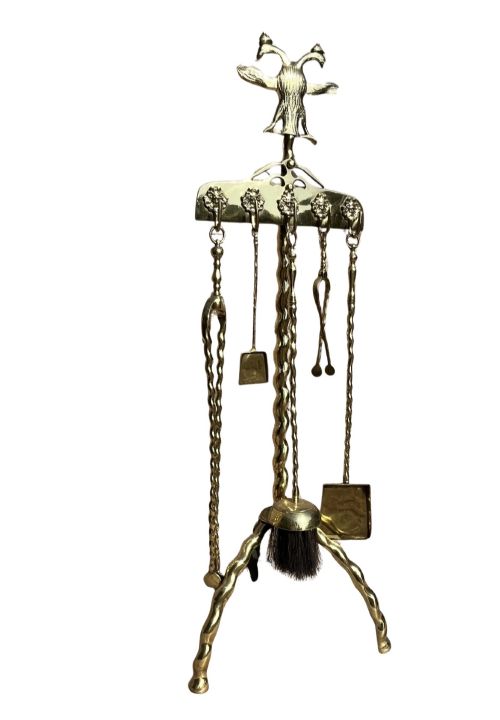
An antique eagle stand is a commanding piece of carved wood or metal, bringing strong architectural presence and historical character to a room.
Antique Eagle Stand
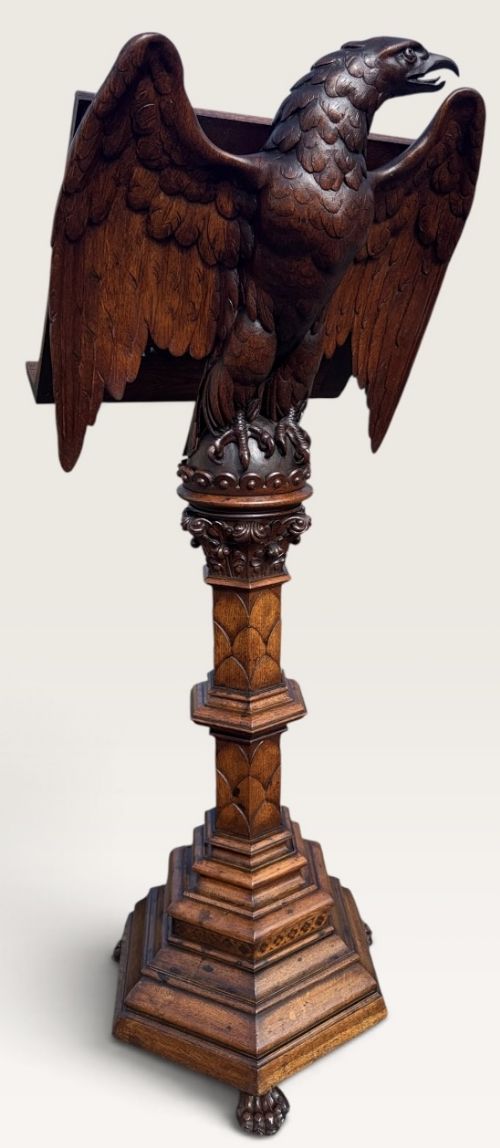
When you search for an antique eagle stand, you encounter a surprisingly varied selection of ecclesiastical and domestic furniture designed around the powerful bird motif. The most common form you meet on this page is the large carved lectern, usually fashioned from oak or walnut with outstretched wings to support a heavy book. These pieces draw heavily on church furnishings and ecclesiastical traditions from various centuries.
Beyond lecterns, the evidence on this page includes domestic variations such as carved wooden stick stands, hallway umbrella holders, and desk accessories like inkstands. You also find console tables and hall stands where the eagle forms the primary structural support, often incorporating Black Forest styling or Gothic Revival details. Each piece uses the majestic posture of the bird to create a focal point in a traditional interior.
Materials and construction methods
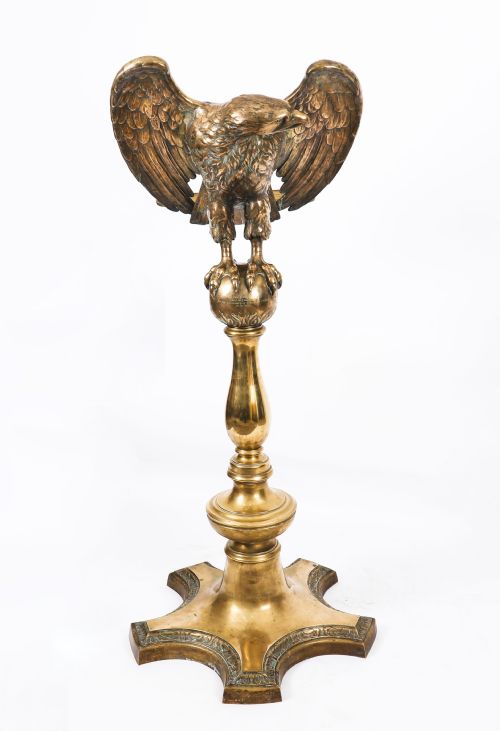
The makers of these items relied heavily on traditional timber working, selecting dense woods like oak and walnut that could withstand deep sculptural carving. Artisans shaped the wings, plumage, and talons by hand using chisels and gouges, creating realistic texture in the wood. Gilt, brass, and bronze also appear in the evidence, providing contrasting metallic finishes for inkwells and ecclesiastical lecterns.
Stylistic influences range from Baroque flourishes to Black Forest carving traditions and Victorian Gothic Revivalism. Structural elements combine joinery for tables and stands with intricate three-dimensional animal carving. Marble and glass occasionally supplement the primary wooden or metal structures in desk accessories and stands.
Antique Eagle Stand Retail Price Guide 2026
Typical asking prices for eagle stand among the pieces listed under this phrase on Sellingantiques today, from the lower quarter to the upper quarter. They describe what is for sale here now, not the wider market.
Listings feature oak, walnut, carved wood, and brass as the primary materials across nineteenth-century and Victorian periods.
Distinguishing quality across the selection
Quality in these carvings lies entirely in the anatomical precision and depth of the modelling. Superior examples show careful attention to the feather detailing, the sharpness of the talons, and the fierce expression of the head, whereas lesser items rely on repetitive, shallow tool marks. The anatomical proportion of the bird relative to the functional part of the stand dictates the visual success of the object.
The choice of material and the integrity of the original surface finish further separate the exceptional pieces from standard work. Rich patina on untreated oak or walnut indicates age and careful preservation, while finely chased bronze demonstrates higher workshop skill than mass-produced castings. Overall harmony between the sculptural eagle and the supporting furniture form determines the standing of the piece.
A. Marionnet
The Antique Eagle Stand Glossary
- Lectern
- A tall stand with a slanted top designed to hold a book for reading aloud. These often feature an eagle whose outstretched wings form the bookrest.
- Black Forest
- A regional style of wood carving originating from Central Europe known for realistic depictions of animals and foliage. Pieces in this tradition frequently incorporate bears, foxes, and eagles.
- Gothic Revival
- An architectural and decorative style drawing inspiration from medieval forms. This aesthetic appears on church and domestic furnishings featuring pointed arches and heavy ecclesiastical detailing.
- Inkstand
- A desk accessory designed to hold inkwells, pens, and blotting paper. Elaborate versions incorporate carved figures or cast bronze animal sculptures.
Antique Eagle Stand: Frequently Asked Questions
What rooms suit an antique eagle stand?
These commanding items work best in large study rooms, traditional libraries, or spacious hallways where their architectural presence can dominate the space. They provide a striking focal point and surface area for display.
Because many examples originate from church lecterns or large hall furniture, they require adequate floor space and high ceilings to look properly proportioned.
How do I care for carved wooden stands?
Dust the deep crevices of the carving regularly using a soft, dry brush to prevent dirt accumulation. Avoid harsh chemical polishes that can build up within the textured plumage.
Keep the timber away from direct heat sources and strong sunlight to prevent the wood from drying out and splitting over time.
How do I distinguish 18th-century from Victorian pieces?
Earlier items from the eighteenth century typically exhibit deeper, more fluid Baroque carving styles and dense walnut or oak patination. They often reflect Italian or continental craftsmanship.
Victorian and later nineteenth-century examples frequently display Gothic Revival influences or regional Black Forest characteristics, sometimes utilising machine assistance alongside hand chiselling.
What is the function of a console table eagle stand?
Console tables featuring eagle supports were designed to sit flat against a wall in grand entrance halls or reception rooms. The carved bird acts as the primary structural leg or pedestal.
These surfaces were traditionally used to display decorative ornaments, heavy mirrors, or lighting fixtures in formal domestic interiors.