


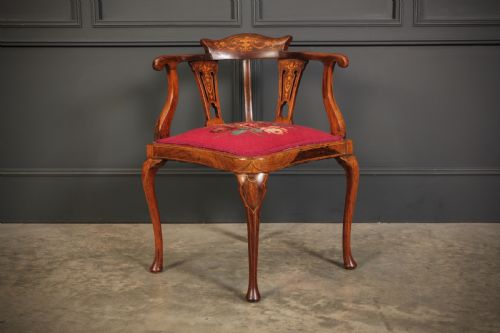
Antique Dutch Seating
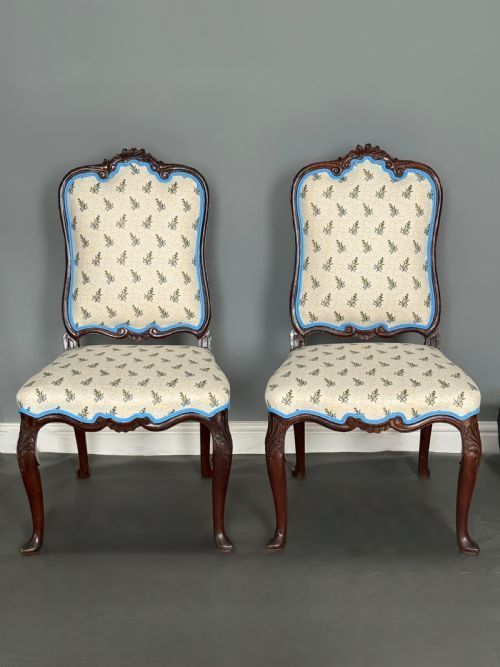
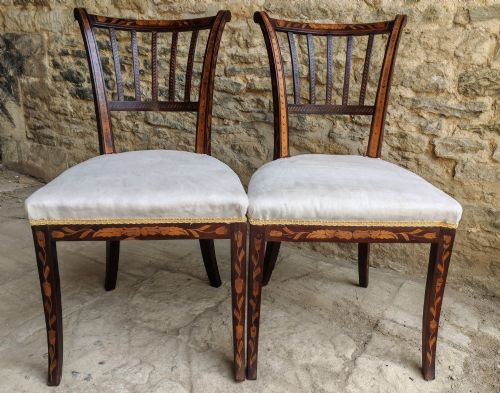
These antique dutch seating pieces combine centuries of regional craftsmanship with varied forms from country benches to marquetry high back chairs.
Antique Dutch Seating
Antique dutch seating covers a wide variety of forms found on this page, including side chairs, armchairs, dining chairs, benches, stools, and high chairs. Buyers investigating antique dutch seating encounter pieces spanning from the seventeenth century through to the twentieth century, reflecting diverse regional tastes.
The selection ranges from formal marquetry walnut dining sets to country ladder back chairs in ash and painted child pieces. Stylistic influences vary from Dutch Baroque and Rococo to Cape Dutch and European Folk Art.
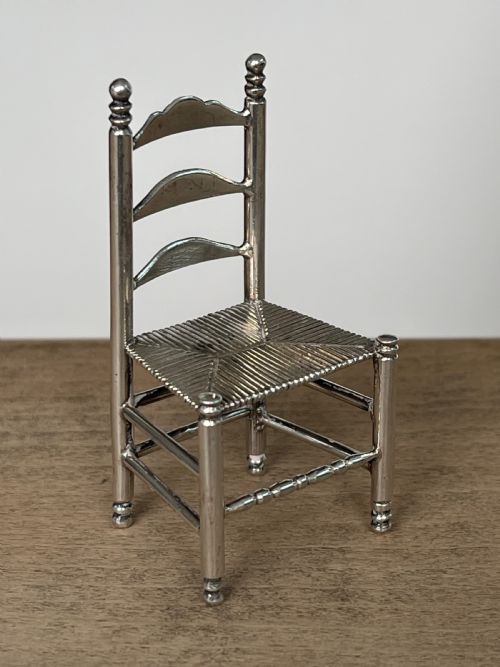
Domestic furniture sits alongside smaller curiosities such as silver miniature doll house chairs and doll furniture. This breadth allows collectors to source both substantial seating and decorative miniature items.
Materials and construction methods
Cabinetmakers utilised an array of solid timbers and veneers, working with walnut, fruitwood inlay, ash, ebony, hardwood, rosewood, stinkwood, and painted wood. Surface decoration frequently employed intricate marquetry and carving to accentuate the grain and form.
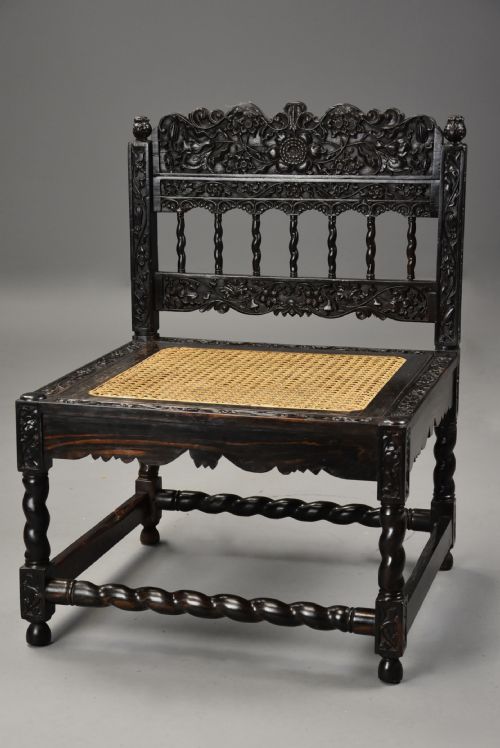
Frames incorporated practical elements such as cane and leather for seats, alongside fabric upholstery and iron structural reinforcement where needed. These traditional techniques ensured structural integrity across diverse regional seating types.
Periods represented across these seating options range from the seventeenth century through to Victorian and mid-twentieth century items.
Factors influencing quality
Quality in antique dutch seating rests upon the precision of the cabinetwork and the intricacy of the decorative elements. Carved details, marquetry patterns, and the choice of primary timber distinguish fine urban commissions from simpler country items.
The condition of original surfaces, whether polished walnut, painted finishes, or inlay work, dictates the desirability of a piece. Alterations or modern reupholstery also shape how successfully a chair retains its period character.
The Antique Dutch Seating Glossary
- Marquetry
- Decorative veneer work arranged in pictorial or geometric patterns on furniture surfaces. It requires considerable skill to fit different wood species together seamlessly.
- Ladder back
- A chair back featuring multiple horizontal wooden rails between the upright posts. This traditional form appears frequently in regional country seating.
- Stinkwood
- A dense, dark timber native to South Africa, utilised in colonial furniture making. It earned its name from the distinct scent released when freshly cut.
- Batavian baroque
- A regional decorative style blending European baroque motifs with local craftsmanship. It characterises specific pieces produced within colonial trading networks.
- Corner chair
- A seating form designed to fit into room angles, featuring a diagonal seat plan and a curved back rail supported on posts.
Antique Dutch Seating: Frequently Asked Questions
What periods do these chairs cover?
The listings span multiple centuries, ranging from seventeenth-century carved low chairs to nineteenth-century painted high chairs and twentieth-century interpretations.
Buyers encounter various stylistic phases, including baroque, rococo, and regional folk art interpretations.
How do I identify a marquetry chair?
Marquetry chairs feature detailed wood-in-wood veneer patterns inlaid into the structural surfaces, often displaying floral or geometric motifs.
This technique differs from simple surface painting by building the design using contrasting timber veneers.
What is Cape Dutch seating?
Cape Dutch seating refers to furniture produced in South Africa under European colonial influence, often utilising native woods like stinkwood and local hardwoods.
These pieces combine traditional European forms with materials specific to the Cape Colony.