



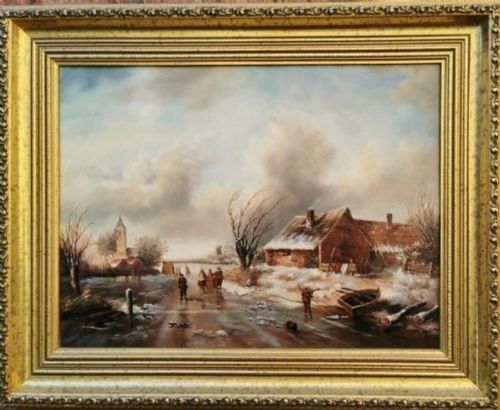
Antique Dutch Painting
An antique dutch painting brings the rich domestic realism and atmospheric landscapes of northern Europe straight into your interior.
Antique Dutch Painting
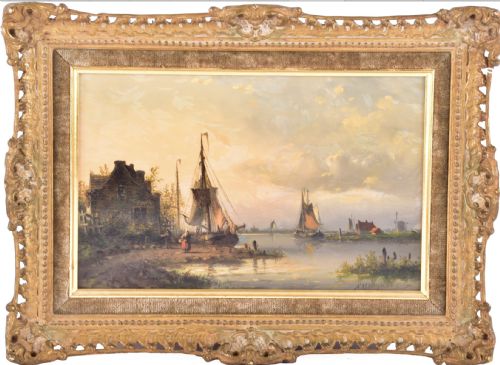
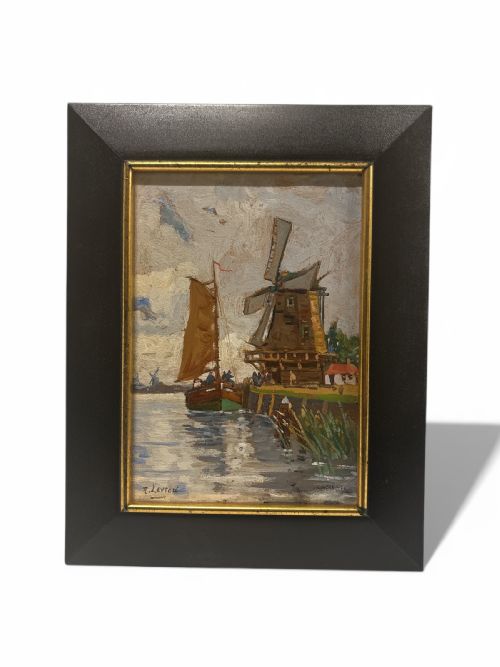
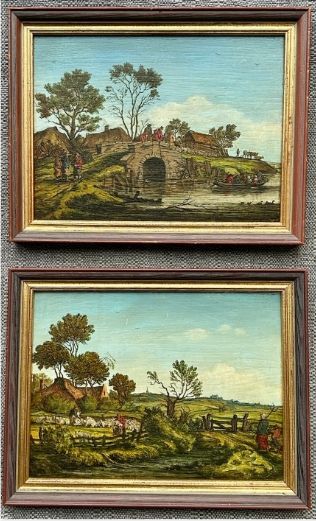
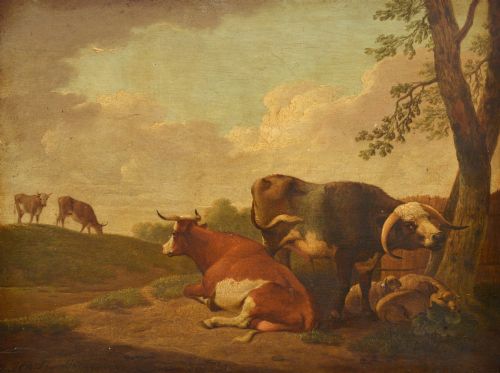
When searching for an antique dutch painting, you encounter a fascinating range of works spanning from the seventeenth-century Golden Age through to later nineteenth and early twentieth-century revivals. The selection includes fine oil paintings on canvas and wood panels, alongside watercolors capturing traditional harbour scenes, pastoral landscapes, and intimate domestic interiors.
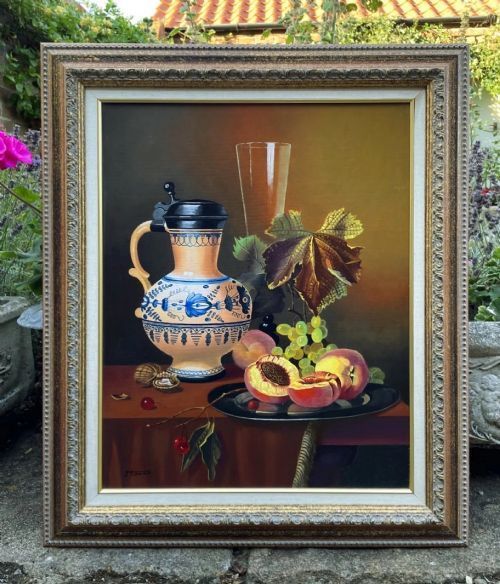
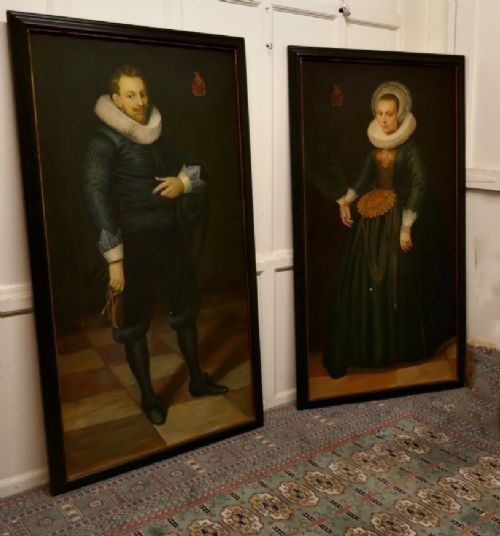
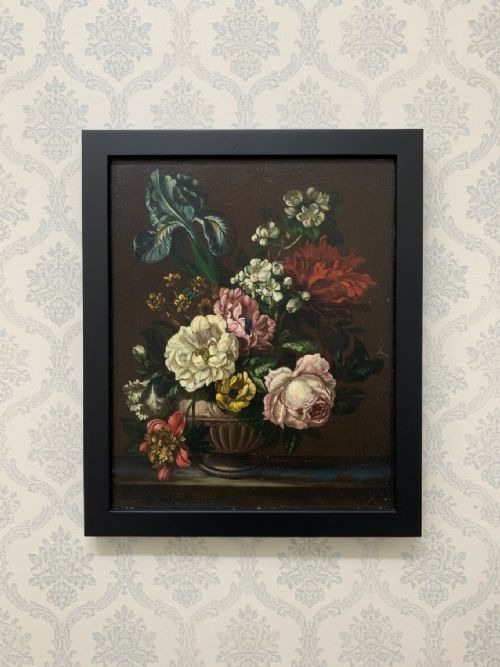
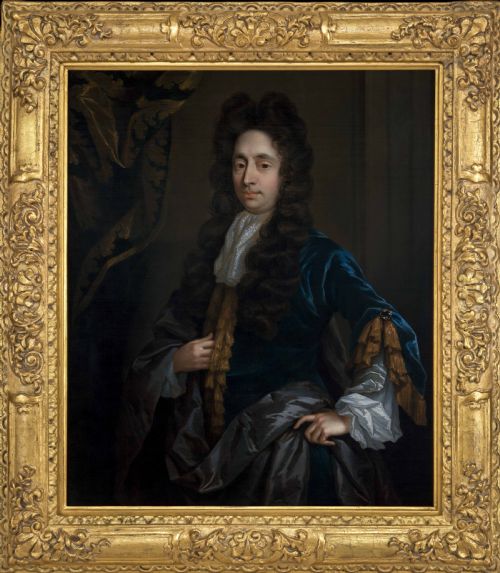
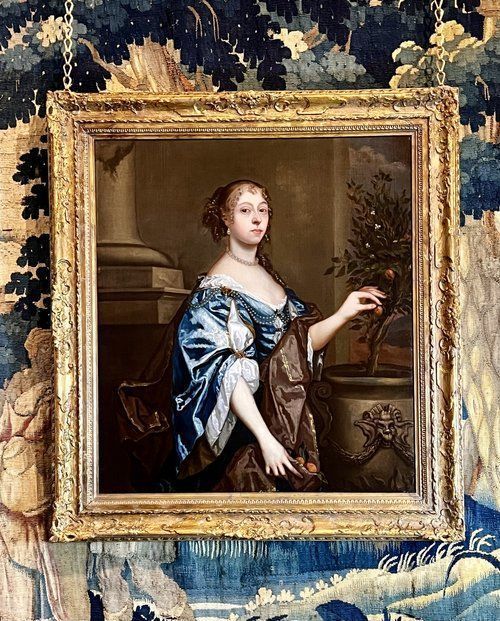
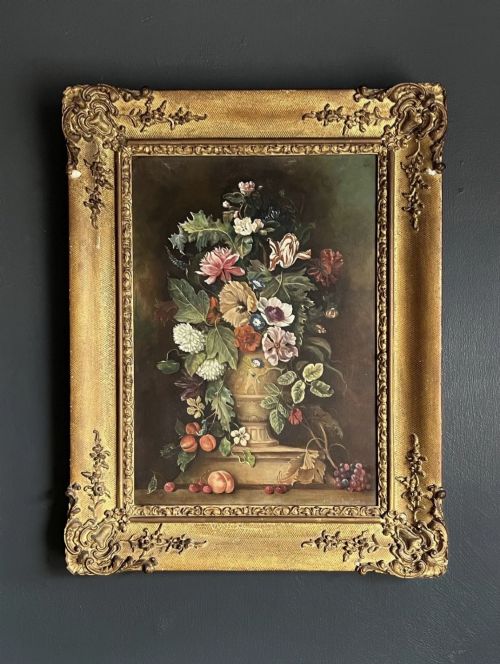
You will frequently find portraits of gentlemen, military officers, and noblemen, often attributed to specific regional schools or master painters working within the classic Baroque tradition. Still life compositions featuring floral arrangements, fruit, and hunting trophies also appear regularly across the current and archived inventory.
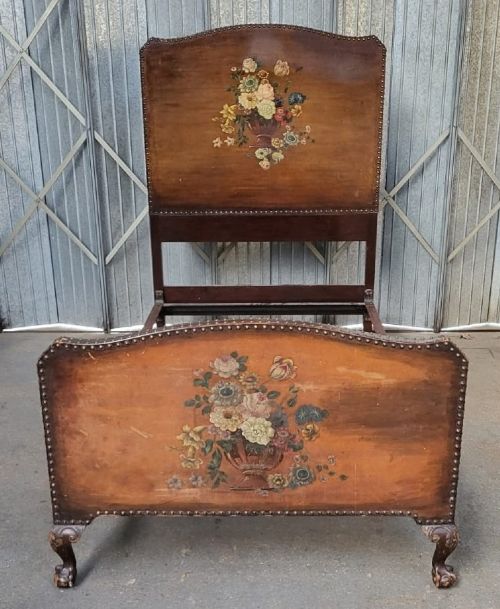
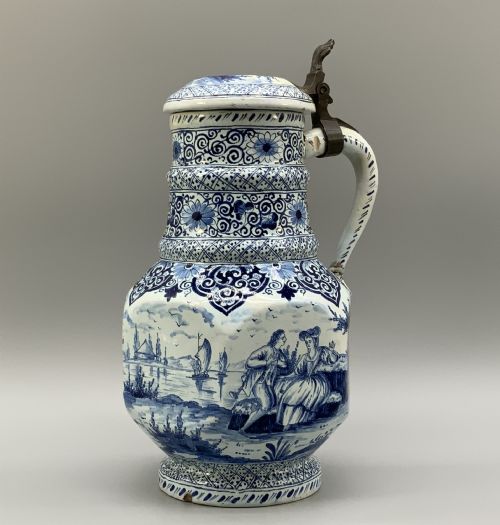
The assortment extends beyond standard wall art to encompass decorative items decorated in the distinct continental style, showing how deeply this aesthetic influenced domestic spaces over multiple centuries. Whether you seek a moody winter landscape or a brightly rendered bouquet, these works offer a tangible connection to historic European craftsmanship.
How They Were Made
These pieces rely fundamentally on traditional oil paint applied to prepared canvas, sturdy wood panels, and occasionally metal or tin supports that provide a smooth ground for fine detail. Artists utilised layered glazes to achieve deep, luminous shadows and realistic textures on fabrics, skin, and natural elements.
Many works remain housed in their original or period-appropriate giltwood and gesso frames, which complement the rich tonal palette of the artwork within. The physical construction often involves seasoned timber panels joined securely or heavy woven canvases stretched over rigid wooden frames.
Several portraits feature subjects wearing exceptionally intricate ruff collars that look remarkably difficult to launder.
What Varies in Quality
Quality in these works is defined by the deftness of brushwork, the handling of light and shadow, and the psychological depth or anatomical accuracy found in portraiture and figurative scenes. Masterworks demonstrate a sophisticated command of perspective and atmospheric depth that lesser studio copies or later follower pieces simply miss.
The integrity of the underlying support canvas or wood panel also dictates the standard of the piece, alongside the preservation of the original pigment layers without extensive modern overpainting. Furthermore, the accompanying frame contributes significantly, with hand-carved giltwood mouldings representing a higher tier of period craftsmanship than plain replacement surrounds.
Constantyn Netscher·Pieter Borseler·Hendrik Willem Schweickhardt·Bonaventura Peeters·Gaspar Peeter Verbruggen·Willem Bos
The Antique Dutch Painting Glossary
- Oil on canvas
- Pigments bound in a drying oil medium applied to a woven fabric support. This technique allowed artists to create subtle tonal gradations and large-scale compositions.
- Wood panel
- A rigid support surface typically made from oak or other stable timbers used extensively by northern European masters before canvas became dominant. Panels provide a smooth, dense ground for minute brushwork.
- Dutch Golden Age
- A period in seventeenth-century painting marked by immense artistic output, realism, and patronage across the Netherlands. Artists during this era excelled in portraiture, landscape, and still life.
- Giltwood
- Wood carved and coated with a thin layer of gold leaf or metallic powder. This material was standard for framing fine art to enhance its visual impact.
Antique Dutch Painting: Frequently Asked Questions
How do I date an old painting?
Dating relies on examining the stretcher frames, canvas type, pigment composition, and stylistic clues within the brushwork and clothing fashions. Secondary evidence like maker signatures or historical attribution notes also helps anchor the creation period.
Experts look closely at the preparation layers beneath the paint and the construction of any wood panels to confirm the age of the physical support.
Where should I hang these artworks?
These works suit traditional studies, living rooms, and hallways where controlled lighting highlights their rich dark tones and subtle colour palettes without causing fading. Pairing them with period furniture creates a cohesive historical atmosphere.
Avoid placing them in direct sunlight or areas prone to high humidity, as fluctuations in moisture damage both canvas and wood supports.
What is the Dutch School style?
The Dutch School encompasses the distinct techniques, subject matters, and naturalistic approaches developed by artists working in the Netherlands from the seventeenth century onward. It emphasises domestic realism, dramatic use of light, and meticulous detail in still lifes and landscapes.
Later painters often adopted these established motifs, creating works in the manner of earlier masters.
How do I care for antique canvases?
Maintenance involves keeping the environment stable in temperature and humidity to prevent the canvas from slackening or the wood panel from warping. Dusting should be done gently with a soft, dry brush without applying pressure to the paint surface.
Professional cleaning and conservation should be left to specialists to avoid removing original glazes or altering the pigment.