

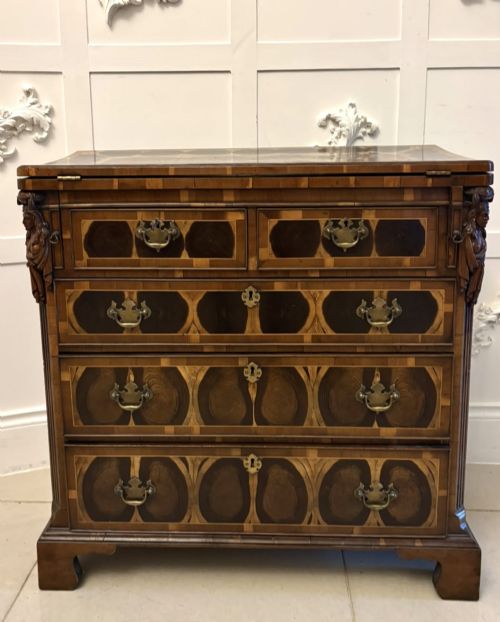
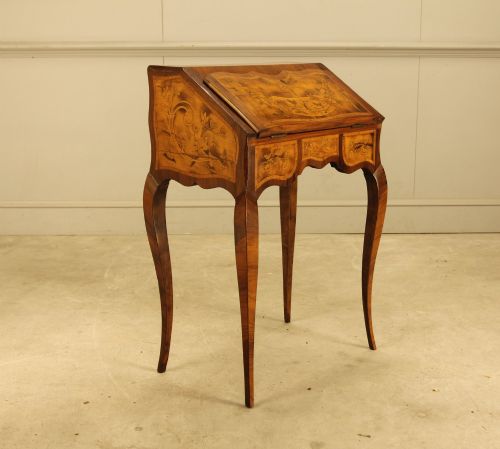
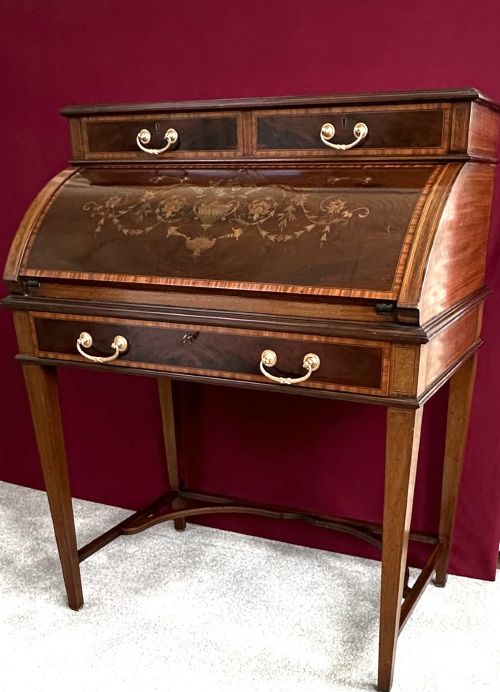
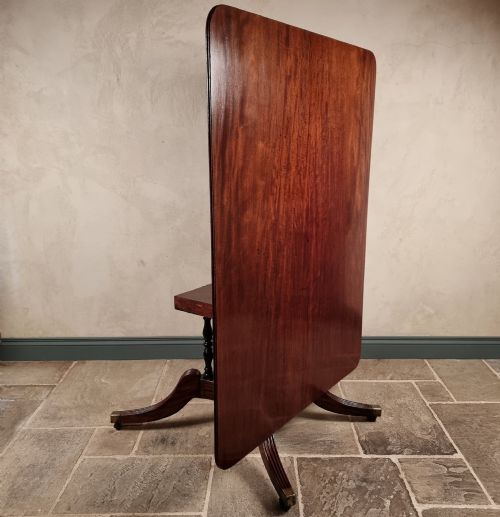


Antique Drop Top Table
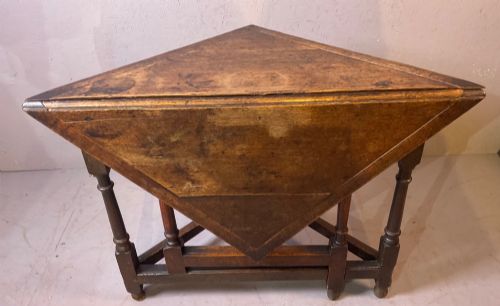
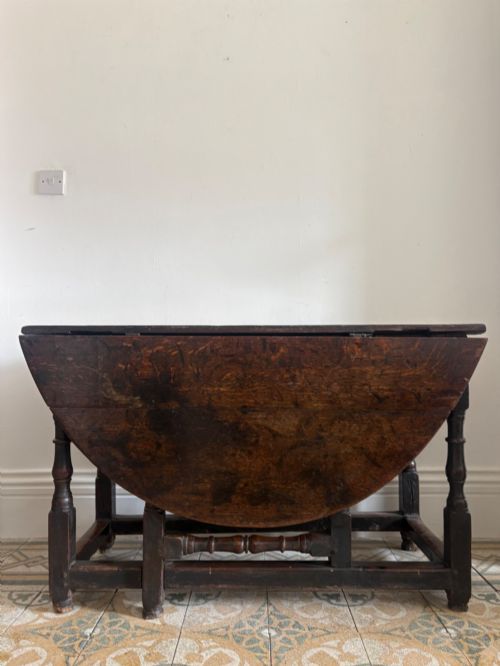
An antique drop top table brings ingenious folding and pivoting mechanisms into domestic spaces, offering flexible surfaces crafted in rich period timbers.
Antique Drop Top Table
The selections on this page demonstrate how these transforming designs served diverse functions in period homes, functioning as dining tables, writing desks, and side tables. Victorian and Edwardian iterations appear frequently alongside earlier Georgian and seventeenth-century forms, showing how cabinetmakers continuously refined space-saving ingenuity.
Materials and construction methods
Cabinetmakers utilised durable hardwoods including mahogany, oak, walnut, and rosewood, often enhancing surfaces with satinwood inlay, marquetry, or brass details. Structural stability relied on traditional joinery to support folding flaps, drop leaves, and swivel mechanisms without sacrificing elegance.
Leg designs vary from turned balusters and barley twist supports to cabriole legs, providing the necessary load-bearing strength for expanding leaves and drop tops. Skilled finishing processes highlighted natural wood grain patterns while incorporating functional elements like drawers and drop fronts.
Antique Drop Top Table Retail Price Guide 2026
Typical asking prices for drop top table among the pieces listed under this phrase on Sellingantiques today, from the lower quarter to the upper quarter. They describe what is for sale here now, not the wider market.
Table forms include Pembroke, gateleg, Sutherland, writing desks, and swivel-top occasional designs.
Assessing quality in folding and drop-top tables
Quality rests upon the precision of the mechanics, ensuring that leaves, flaps, and swivel tops operate smoothly and align flush when extended. Superior pieces display thoughtful timber selection, such as figured mahogany or burr walnut, matched evenly across folding leaves.
The refinement of secondary details like brass inlay, marquetry, and carved leg supports distinguishes standard utility pieces from exceptional workshop productions. Original hardware and sound structural integrity maintain the enduring value of these versatile tables.
GILLOWS of LANCASTER
The Antique Drop Top Table Glossary
- Pembroke table
- A small occasional table featuring two hinged drop leaves on opposing sides, frequently fitted with one or more drawers.
- Gateleg table
- A table with hinged leaves supported by swinging legs that pivot outward like a gate to hold the top steady.
- Swivel top
- A tabletop designed to rotate on its base, often concealing a hidden compartment or allowing the surface to fold open.
- Marquetry
- Decorative patterns formed by fitting together thin veneers of different coloured woods, brass, or other materials.
- Sutherland table
- A particularly slender variety of drop-leaf table where the folding leaves are exceptionally large and the underframe is narrow.
Antique Drop Top Table: Frequently Asked Questions
How do I use a drop top table daily?
These tables adapt easily to modern living by folding down to save space against a wall or expanding to accommodate guests.
Keep polished timber surfaces protected from moisture and direct heat to preserve the original polish and wood grain.
How do I identify the period of these tables?
Period identification relies on observing timber choices, leg turning styles, and structural joinery techniques characteristic of Victorian, Georgian, or earlier eras.
Fittings such as brass handles and hinges also offer clear chronological indicators for dating.
Are swivel top tables sturdy enough for regular use?
The pivoting mechanism is engineered to distribute weight evenly when locked into place, providing a reliable surface for daily tasks.
Gentle handling of the pivot pivot mechanism ensures the wooden pivot points remain undamaged over generations.