





Antique Drop Box Table
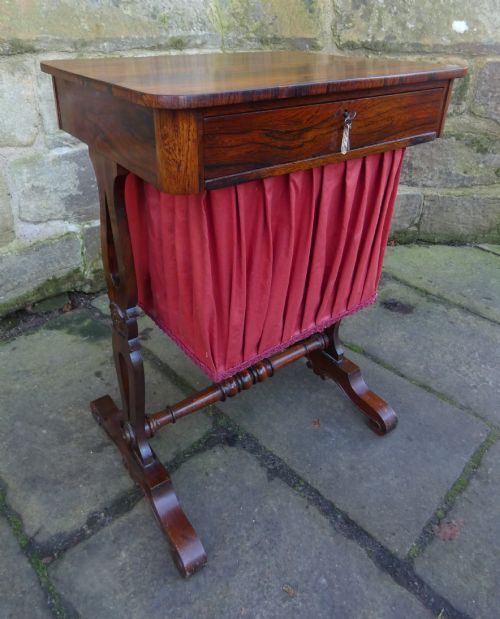
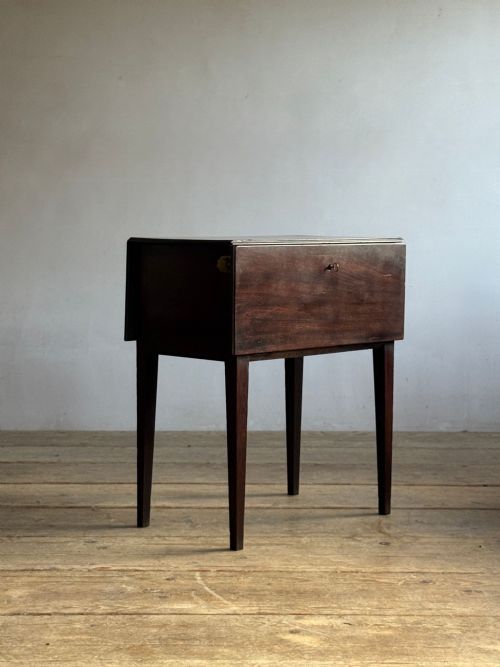
An antique drop box table brings ingenious nineteenth-century compartment design and rich timbers into a domestic interior as a functional work or sewing piece.
Antique Drop Box Table
When you search for an antique drop box table, you encounter versatile nineteenth-century furnishings primarily designed for needlework, sewing, and writing. These pieces frequently double as occasional or side tables within a Victorian parlour or Regency drawing room.
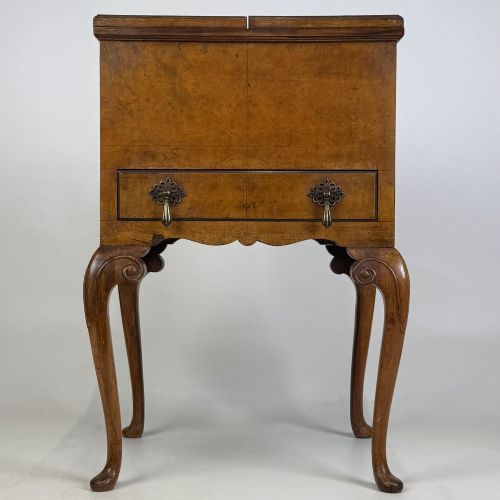
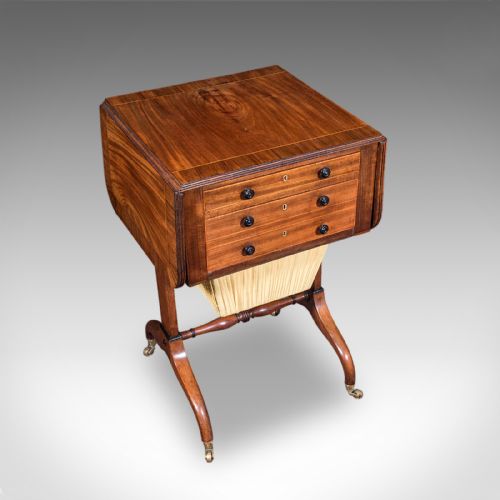
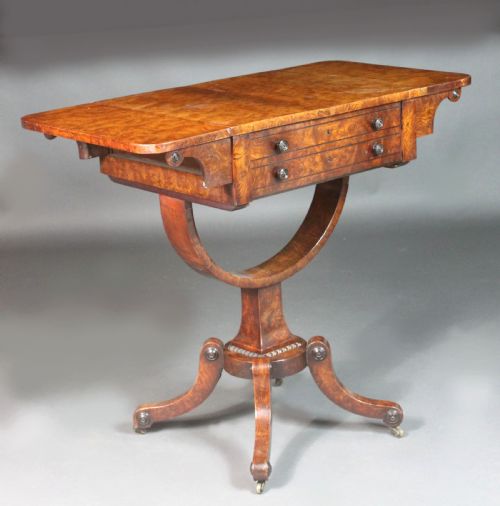
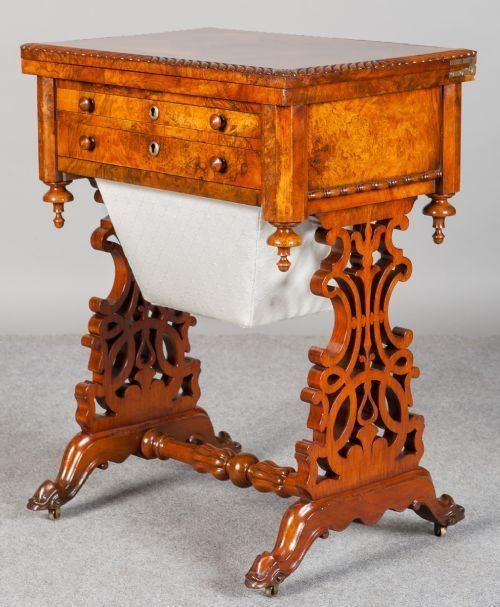
The selections on this page span the Georgian, Regency, William IV, Victorian, and Edwardian periods. Most examples function as sewing or work tables, incorporating internal compartments and drop leaves or drop-front doors.
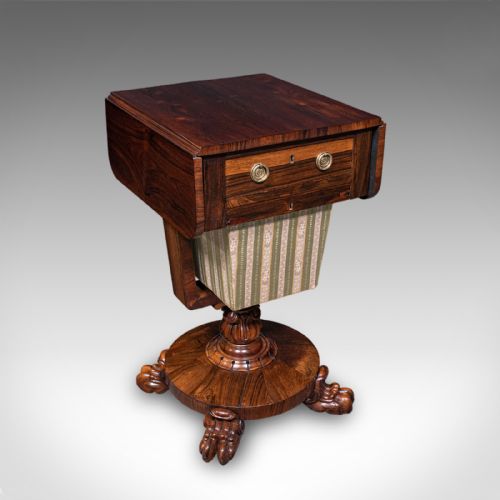
Mahogany and rosewood dominate the earlier Regency and Georgian pieces, whilst burr walnut comes to the fore during the mid-Victorian era. These timbers highlight the domestic utility and decorative ambition of period cabinet makers.
What varies in quality
Quality separates through the choice of timber veneer and the precision of the interior compartment layout. Finer examples display highly figured burr walnut or select rosewood grains that wrap seamlessly across the surfaces.
Structural refinement marks the distinction between standard workshop production and superior output. Elegant turning on the supports, crisp brass hardware, and well-fitted sliding bags or drop boxes elevate the standing of an individual table.
Antique Drop Box Table Retail Price Guide 2026
Typical asking prices for drop box table among the pieces listed under this phrase on Sellingantiques today, from the lower quarter to the upper quarter. They describe what is for sale here now, not the wider market.
Several Victorian sewing tables still retain their original velvet and fabric linings, ready for the stray buttons of another century.
Gillows
The Antique Drop Box Table Glossary
- Drop leaf
- A tabletop with hinged flaps on either side that can be raised to extend the surface or dropped down when space is limited. This mechanism adds flexibility to smaller rooms.
- Work table
- A specialised small table fitted with drawers and compartments for holding sewing materials, threads, and crafting tools. They often feature an attached fabric bag below.
- Burr walnut
- A prized timber harvested from the wart-like growths on walnut trees, yielding intricate swirling grain patterns. It was heavily favoured by Victorian cabinet makers for luxury surfaces.
- Regency
- An English design period spanning roughly from the late eighteenth century to the reign of William IV, noted for classical restraint and elegant proportions. Pieces from this era often feature rosewood and fine brass inlay.
- Secretaire
- A desk or table incorporating a pull-down writing flap that conceals small drawers and pigeonholes. It merges writing utility with standard furniture forms.
Antique Drop Box Table: Frequently Asked Questions
What is an antique drop box table used for?
These pieces were originally built to house needlework, sewing supplies, and personal correspondence within the home. The integrated boxes and compartments kept small crafting tools organised out of sight.
Today, they serve equally well as versatile side tables, lamp stands, or decorative occasional furniture in living spaces and bedrooms.
How do I identify a Regency period table?
Regency tables typically feature dark exotic timbers like rosewood or finely figured mahogany, often paired with delicate brass stringing or turned pillar supports. The overall aesthetic leans towards classical restraint and clean geometric lines.
Maker attribution or construction traits from the early nineteenth century further help confirm this specific period.
Are these tables suitable for modern daily use?
Their compact footprints and compartmentalised storage make them exceptionally practical for contemporary living. They fit easily beside a sofa or chair while offering useful surface space.
Treating the polished timber and delicate fabric linings with care ensures these antique pieces endure daily domestic life.
What is the difference between mahogany and walnut pieces?
Mahogany pieces are frequently associated with the Georgian and Regency eras, displaying a straight or ribbon-figured reddish-brown grain. They offer a formal and durable presence.
Burr walnut pieces emerge more prominently in the Victorian era, showcasing highly swirled, luminous patterns that provide a richer, more decorative texture.