





Antique Drink Pitcher
An antique drink pitcher brings a touch of character to your table, whether you pour water, mix cocktails or serve guests from silver and glass.
Antique Drink Pitcher
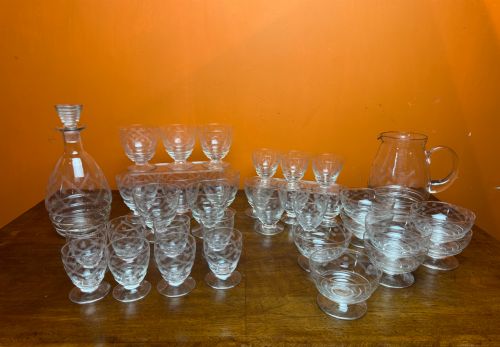
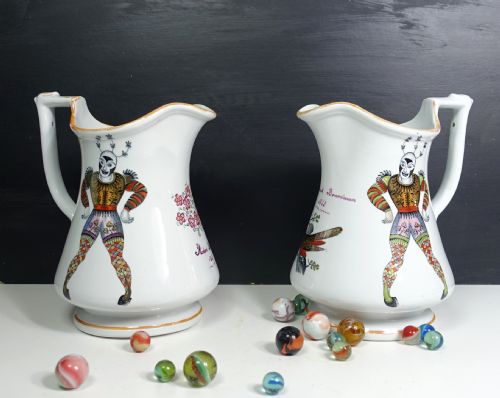
When searching for an antique drink pitcher, buyers encounter an eclectic mix of serving vessels ranging from silver-plated cocktail shakers to ceramic puzzle jugs and crystal glassware sets.
The most common examples on this page hail from the twentieth century, particularly the Art Deco era of the 1930s, alongside earlier nineteenth-century porcelain and ironstone pieces.
These items span diverse forms, including dedicated cocktail mixers, glass drinking services complete with matching pitchers, and ornamental jugs intended for both display and hospitality.
How they were made
Makers shaped these drink vessels using traditional materials such as silver plate, clear glass, lead crystal, bisque porcelain, ironstone and salt-glazed ceramic.
Decoration relied on skilled techniques including hand engraving on crystal, intricate intaglio cutting, vibrant enamel application and specialised salt glazing for pottery.
Antique Drink Pitcher Retail Price Guide 2026
Typical asking prices for drink pitcher among the pieces listed under this phrase on Sellingantiques today, from the lower quarter to the upper quarter. They describe what is for sale here now, not the wider market.
The listings show a strong representation of 1930s Art Deco design alongside 19th-century ironstone and silver-plated cocktail mixers.
What varies in quality
Quality rests upon the reputation of the maker and the precision of the design, with recognised names like Keith Murray and established firms commanding particular attention.
The refinement of the materials sets the better pieces apart, distinguishing heavy silver-plated metalwork and finely engraved rock crystal from standard commercial production.
Webb Corbett·Keith Murray·James Dixon And Sons·Doulton Lambeth·Mappin And Webb
The Antique Drink Pitcher Glossary
- Silver plate
- A layer of silver fused to a base metal such as copper or nickel. This technique provided the lustrous appearance of solid silver at a more accessible cost.
- Parian ware
- A type of fine bisque porcelain developed in the nineteenth century to imitate white marble. It is frequently seen in classical figural jugs.
- Intaglio
- A design carved into the surface of glass rather than raised in relief. Light catches the cut depressions to create a subtle decorative effect.
- Salt glaze
- A vitreous coating formed by throwing common salt into the kiln during high-temperature firing. This creates a distinctive orange-peel texture on stoneware.
Antique Drink Pitcher: Frequently Asked Questions
How do I clean antique silver plate?
Clean silver plate gently with a soft cloth and a specialised silver polish to preserve the underlying metal. Avoid harsh abrasives that can wear away the thin silver layer.
Regular dusting and careful handling after use will maintain the shine without damaging historic surfaces or maker marks.
Can I use an antique cocktail shaker?
Many metal and glass shakers remain robust enough for occasional cocktail mixing if handled with care. Check the interior condition and seals before preparing drinks.
Hand wash these pieces immediately after use rather than placing them in a modern dishwasher to protect the vintage materials.
What is a puzzle jug?
A puzzle jug is a ceramic vessel featuring perforated necks that prevent normal pouring, requiring the drinker to solve a riddle or use hidden spouts. They were popular in taverns for social amusement.
Victorian and earlier examples often display salt glaze or ironstone bodies decorated with traditional motifs and rhymes.
How do I date a glass drinks set?
Dating relies on stylistic clues such as geometric Art Deco forms from the 1930s or Edwardian intaglio cuts. Examining the manufacturing technique and weight of the glass also helps determine the period.
Matching sets often retain the distinct aesthetic of their decade through characteristic handle shapes and engraved patterns.