





Antique Dressing Table Container
An antique dressing table container organises vanity items on a dressing table, bringing practical elegance and period craftsmanship to a bedroom interior.
Antique Dressing Table Container
An antique dressing table container encompasses a variety of functional vessels designed to hold cosmetics, trinkets, jewellery, and toiletries upon a bedroom surface. The selections span trinket boxes, vanity jars, jewellery boxes, and scent bottles originating from Georgian, Victorian, Edwardian, and Art Deco periods.
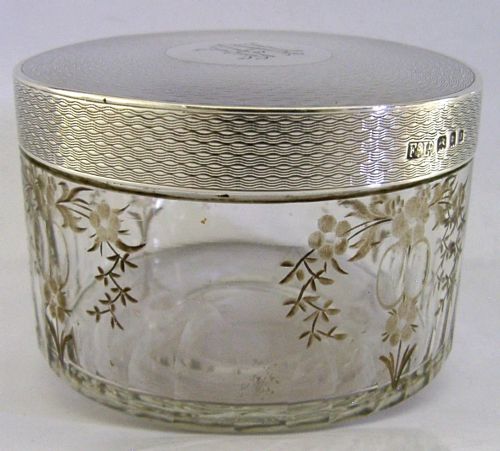
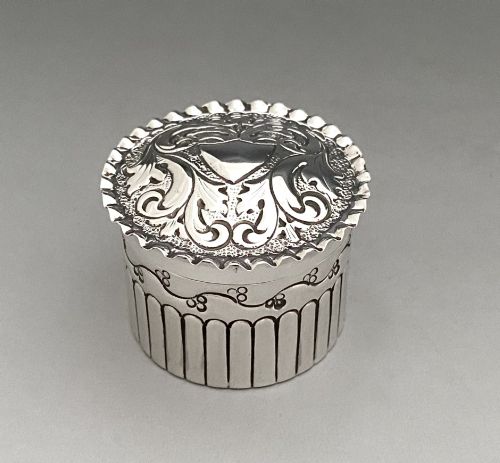
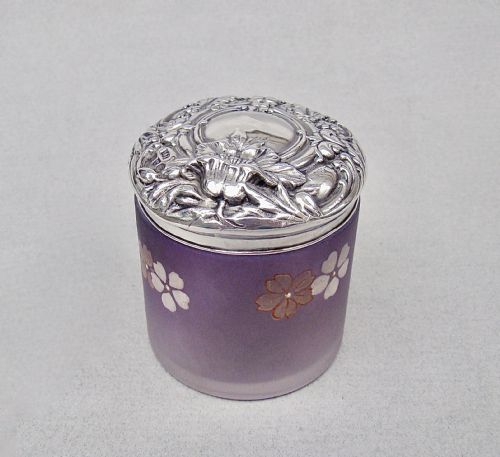
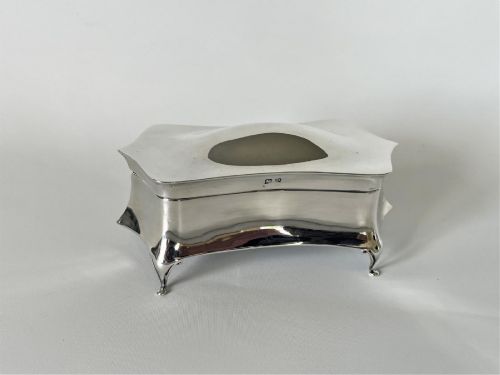
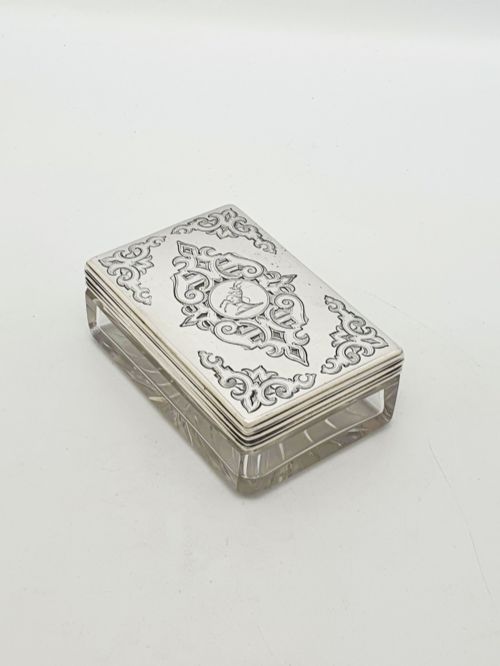
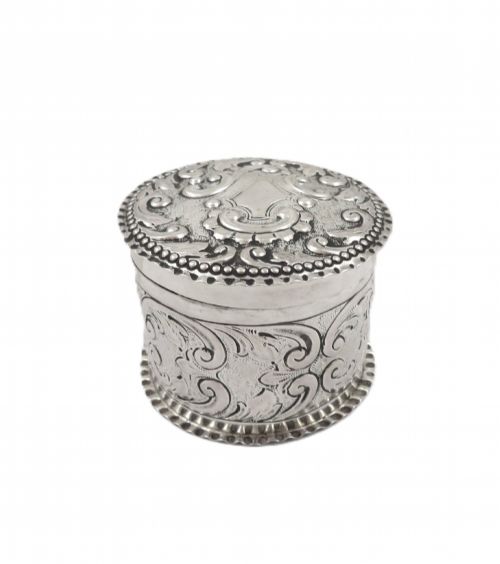
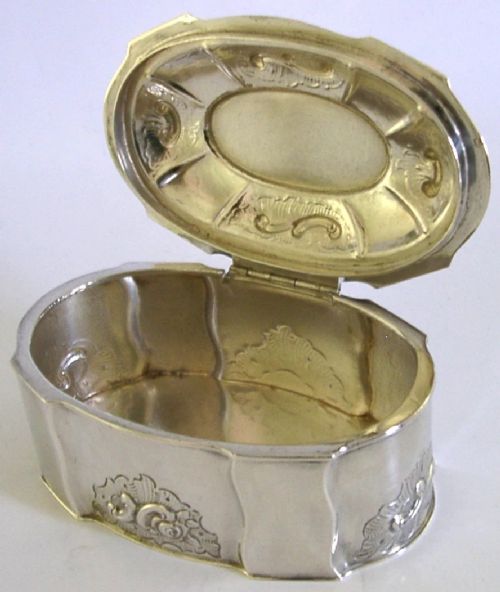
The most common versions met on this page are Edwardian and George V sterling silver and cut glass vanity jars, alongside small silver trinket boxes. These pieces often feature glass or crystal bodies paired with hallmarked silver lids, or take the form of solid silver boxes shaped as hearts, rectangles, or coffins.
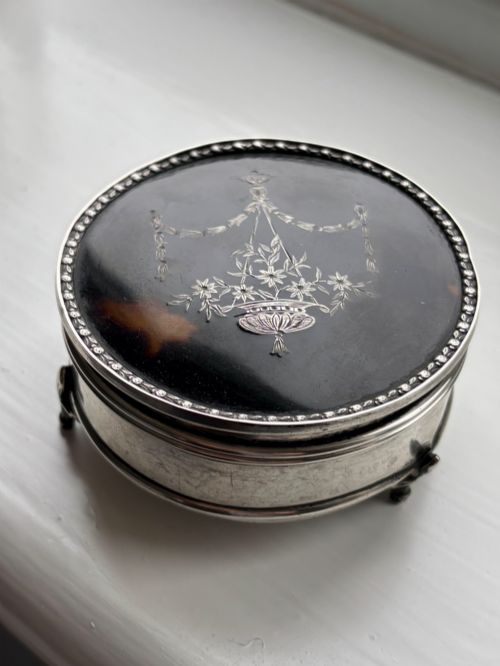
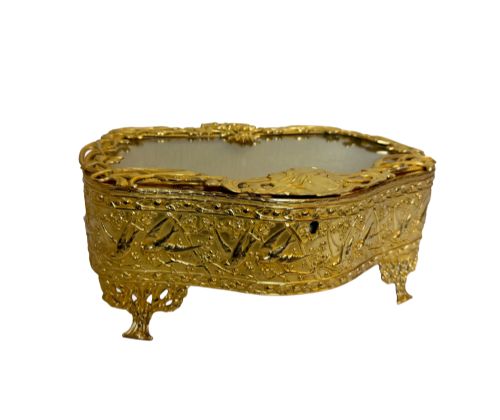
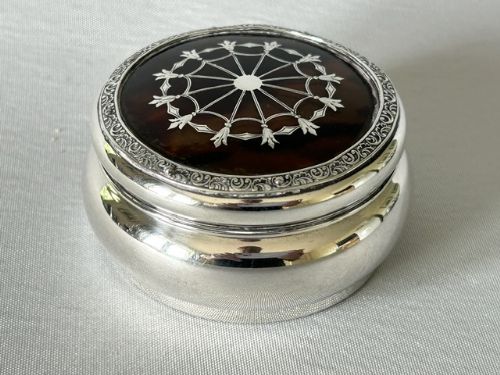
Other recurring forms include Art Deco porcelain powder boxes, enamel lidded jars, and occasional travelling cologne bottle trios. Materials range widely across these items, incorporating tortoiseshell, gilt bronze, ebonised wood, and frosted glass alongside standard sterling silver and cut crystal.
How they were made
The construction of an antique dressing table container typically relies on a combination of sterling silver smithing and glass production. Heavy cut crystal and cut glass bases are formed through moulding or wheel cutting, providing a sturdy, refractive body for vanity jars and powder boxes.
Silver mounts, lids, and frames are shaped via hammering, casting, or pressing, then fitted with hinges and hallmarked. Decorative elements utilise specialist techniques such as guilloche enamel, pique work in tortoiseshell, and spot-hammered arts and crafts surfaces.
Antique Dressing Table Container Retail Price Guide 2026
Typical asking prices for dressing table container among the pieces listed under this phrase on Sellingantiques today, from the lower quarter to the upper quarter. They describe what is for sale here now, not the wider market.
The listings span from Georgian and Victorian eras through Edwardian, Art Nouveau, and Art Deco styles up to mid-century Scandinavian design.
What varies in quality
Quality in an antique dressing table container is dictated by the weight of the metal and the depth of the glass cutting. Substantial silver gauge and crisply faceted crystal display superior manufacture compared to thin sheet metal and pressed, shallow glass.
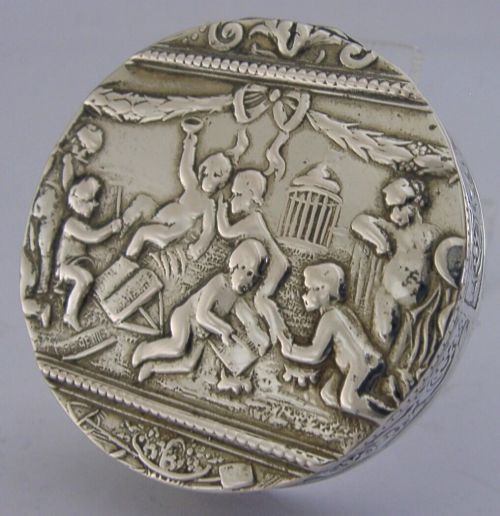
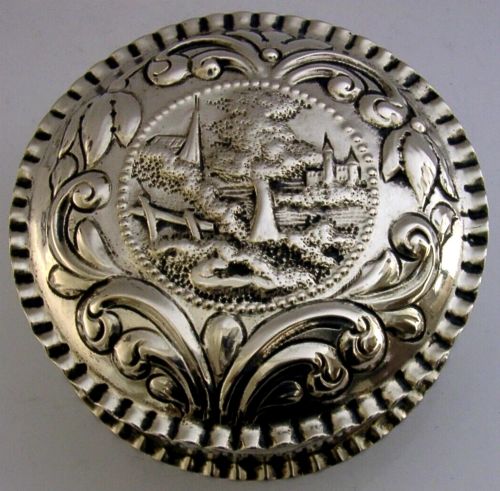
The refinement of decorative detailing separates standard production from finer work. Hand-applied guilloche enamel, intricate pique inlay on tortoiseshell, and cast figural cherub scenes or castle top reliefs demonstrate higher levels of artisan skill.
Ollivant & Botsford·Paul Storr·Lalique·Asprey and Co·Elkington and Co·Hasset & Harper·Nathan & Hayes·Henry Williamson Ltd·Goldsmith's and Silversmith's Co
The Antique Dressing Table Container Glossary
- Sterling silver
- A silver alloy containing 92.5 percent pure silver and 7.5 percent other metals, typically copper, used widely for container mounts and lids.
- Guilloche enamel
- A decorative technique where a precise, intricate pattern is mechanically engraved into metal beneath a translucent layer of coloured enamel.
- Pique work
- The decorative art of inlaying tiny pins of gold or silver into organic materials such as tortoiseshell or ivory.
- Cut glass
- Glass that has been shaped and patterned on a wheel by cutting facets and grooves, common in heavy vanity jars and crystal boxes.
- Hallmark
- An official stamp applied by an assay office indicating the purity of the metal, the maker, and the year of testing.
Antique Dressing Table Container: Frequently Asked Questions
What were antique dressing table containers used for?
These vessels held personal items such as powder, pins, rings, soap, and cologne on a bedroom vanity table.
They kept grooming accessories organised and protected from dust while displaying the owner's taste.
How do I date an antique silver box?
Dating relies heavily on the official hallmarks stamped into the silver, which record the assay office and date letter.
Style indicators like Art Nouveau curves or Edwardian proportions also help narrow the period.
How should I clean antique silver mounts?
Silver mounts require gentle cleaning with a soft cloth and a specialised silver polish to preserve the original hallmarks.
Harsh abrasive cleaners and chemical dips should be avoided to protect surrounding glass and tortoiseshell.
What is the difference between a trinket box and a vanity jar?
A trinket box is generally designed with a hinged lid to store dry items like jewellery, rings, and small keepsakes.
A vanity jar usually pairs a glass base with a removable lid to hold liquids, creams, or powders.