

Antique Dressing Console
An antique dressing console brings character to a room through centuries of timber work and practical design.
Antique Dressing Console
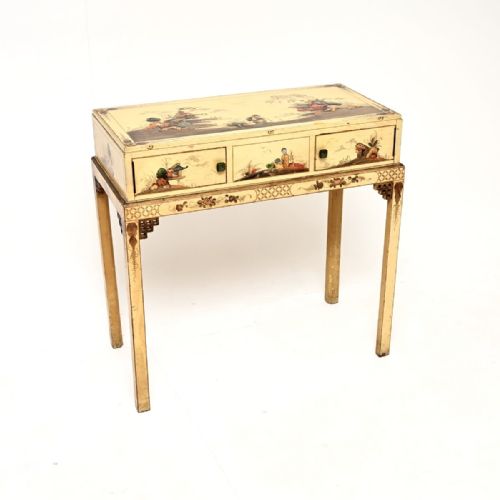
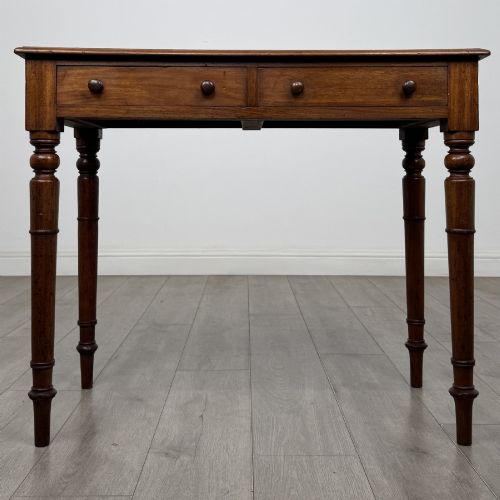
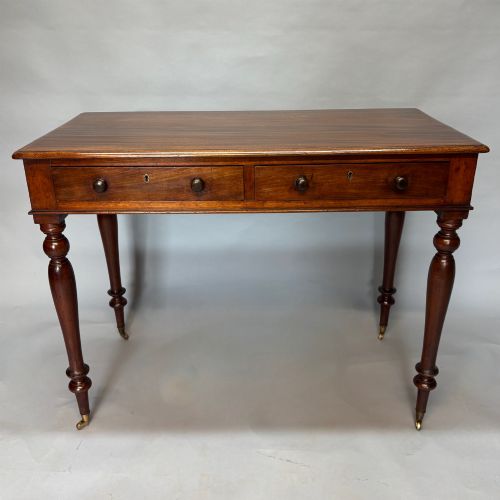
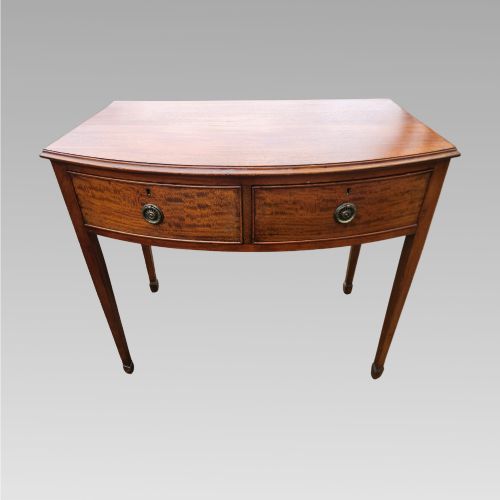
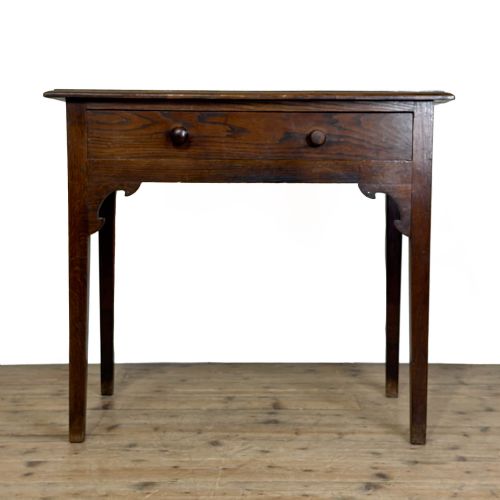
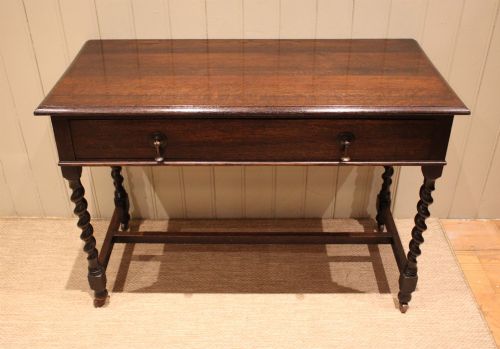
An antique dressing console covers a broad range of domestic furniture designed for grooming, writing and display, crossing over with side tables, lowboys and writing desks. Buyers searching for an antique dressing console will encounter pieces primarily from the Georgian, Victorian and Edwardian periods.
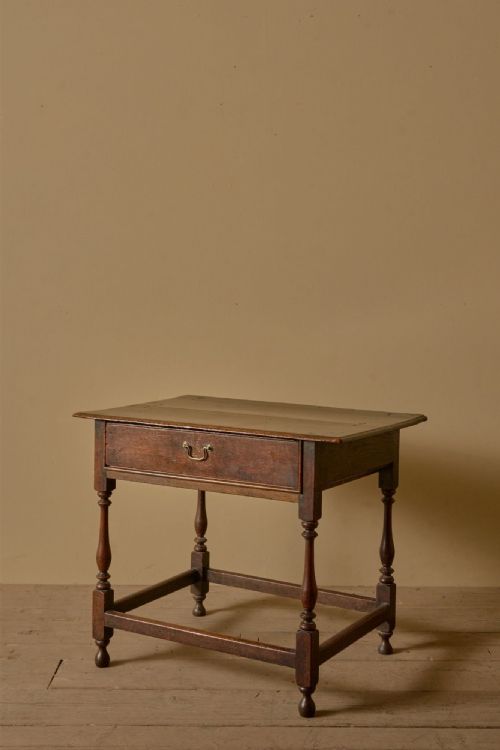
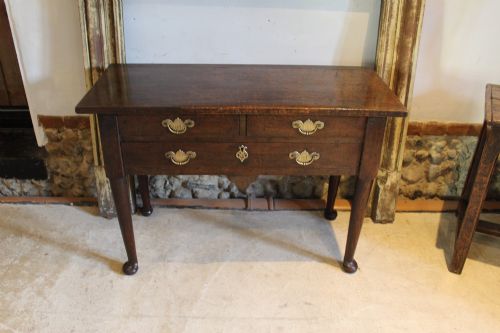
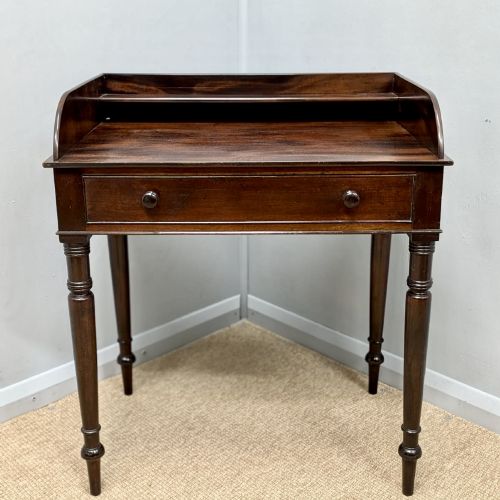
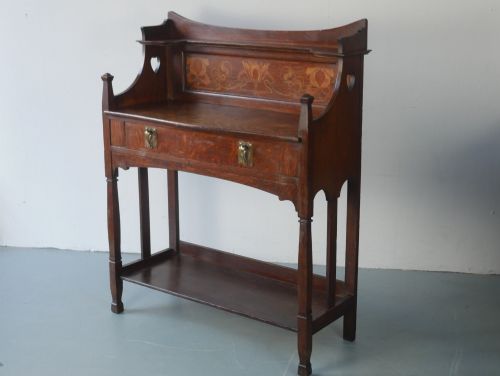
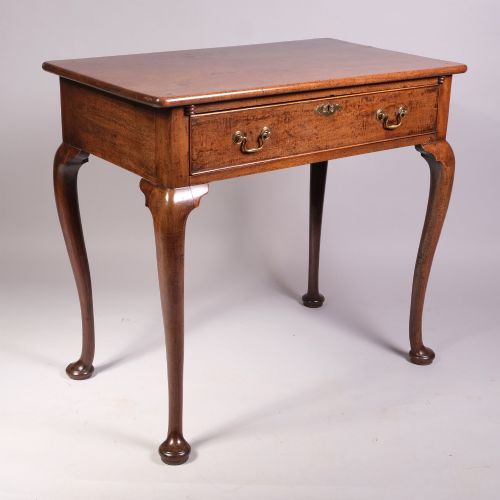
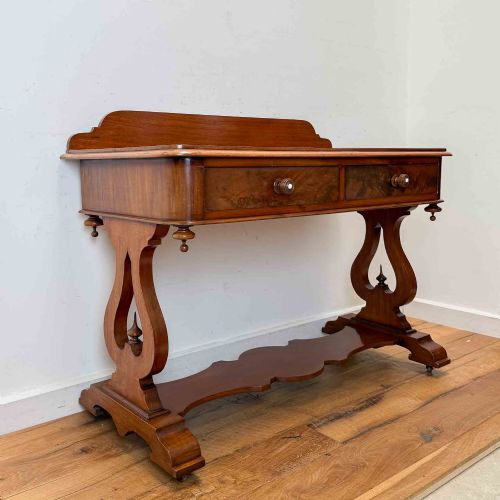
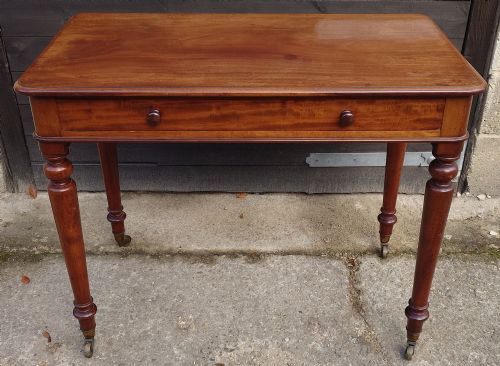
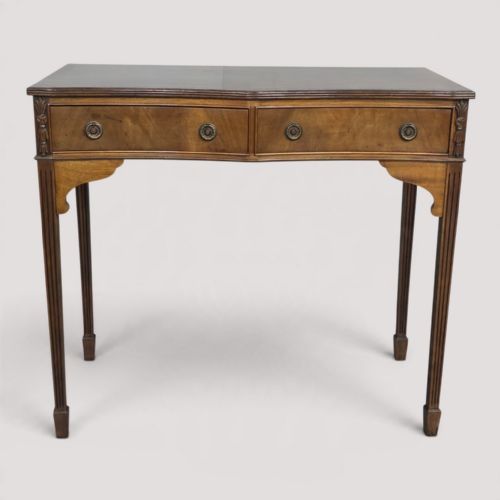
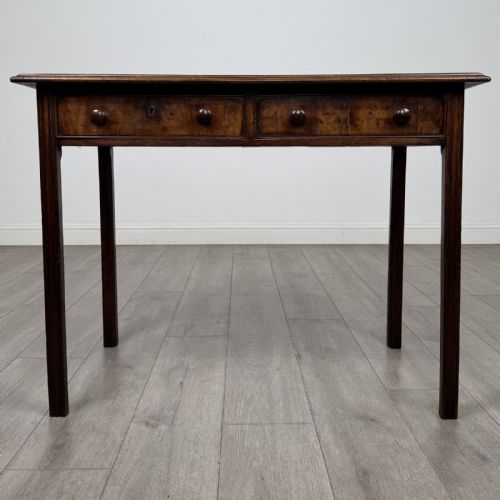
The selection on this page leans heavily toward mahogany and oak forms, spanning serpentine dressing tables, washstands with raised galleries, and lowboys. These domestic tables served various daily functions in bedchambers and halls over the eighteenth and nineteenth centuries.
Materials and construction methods
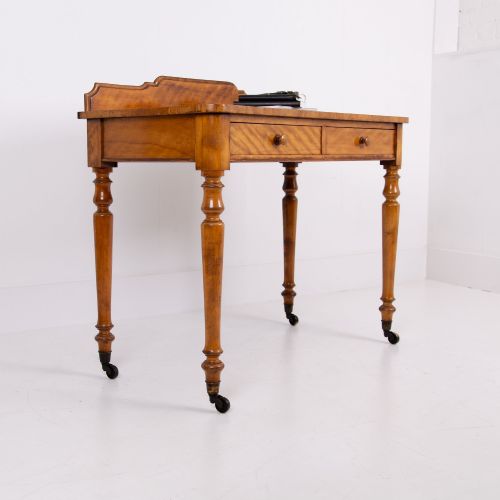
Cabinet makers utilised dense hardwoods such as mahogany, oak and walnut to build these tables, often selecting figured veneers and burr walnut for decorative surfaces. Inlaid details, herringbone patterns and marquetry panels appear on finer pieces.
Structural elements frequently include brass drawer pulls and handles, whilst specialised pieces incorporate marble tops or inset suede writing surfaces. Frames rest on cabriole legs, tapered legs or simple turned supports.
Antique Dressing Console Retail Price Guide 2026
Typical asking prices for dressing console among the pieces listed under this phrase on Sellingantiques today, from the lower quarter to the upper quarter. They describe what is for sale here now, not the wider market.
Listings feature pieces spanning the Georgian, Victorian, Edwardian and 1920 periods, constructed in mahogany, oak, walnut and satinwood.
Distinctions in craftsmanship
Quality in these tables is evident in the selection of timber, such as figured walnut or richly grained mahogany, matched across drawer fronts and tops. The precision of inlaid decoration and fine dovetailing on drawer construction distinguish superior workshops.
Heavier elements like marble inserts and integrated galleries demonstrate the maker's attention to functional detail and material durability. Subtle carving and well-proportioned legs separate standard utilitarian pieces from finer cabinet work.
Bath Cabinet Makers·Heal and Son
The Antique Dressing Console Glossary
- Lowboy
- A small oak or walnut table with drawers, typically originating from the eighteenth century. These tables served multiple domestic purposes including dressing.
- Gallery
- A raised wooden border around the top of a table or washstand. It prevented items from rolling off the surface.
- Serpentine
- A curved table front shaped in a gentle wave with a convex centre flanked by concave sides. This contour requires skilled carpentry.
- Marquetry
- The art of applying pieces of veneer to a structure to form decorative patterns. Walnut and exotic woods were frequently utilised for this work.
- Cabriole leg
- A furniture leg that curves outward and then tapers inward with a graceful arch. It draws inspiration from animal limbs.
Antique Dressing Console: Frequently Asked Questions
What is an antique dressing console?
An antique dressing console is a multi-functional table used historically for grooming, writing or general display in a home. The category encompasses side tables, lowboys and washstands built during the Georgian, Victorian and Edwardian eras.
These pieces typically feature timber construction such as mahogany or oak, often incorporating drawers and decorative details like inlay or galleries.
How do I date an antique console table?
Dating involves examining the primary woods used, the style of the legs, and construction techniques like drawer dovetailing. Georgian pieces often feature oak or mahogany with clean lines, while Victorian examples introduce heavier proportions and walnut veneers.
Hardware such as brass handles and the presence of maker stamps or labels also help establish the period of manufacture.
Where were these tables used?
These tables were placed in bedchambers, dressing rooms and hallways for daily grooming and correspondence tasks. Washstands with marble tops and galleries were specifically designed to hold basins and water jugs.
Writing tables and lowboys functioned as compact desks or side surfaces for holding everyday household items.
How do I style a console in a modern room?
An antique console works well as a hallway surface, a dressing table in a bedroom, or a compact desk for a home office. Pairing the wood tones with simple modern seating or contemporary mirrors creates a balanced interior.
The historical character of the timber adds warmth and texture to neutral contemporary spaces.