








Antique Dressing Commode
An antique dressing commode is a fitted piece for the bedchamber combining drawers, mirrors, and compartments, prized for its clever joinery and historic utility.
Antique Dressing Commode
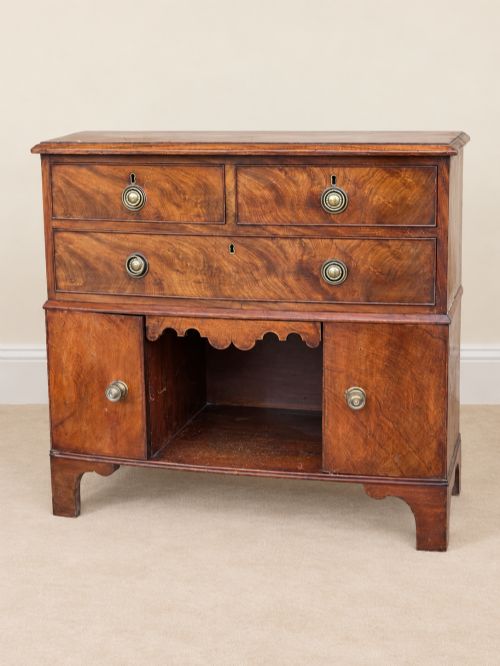
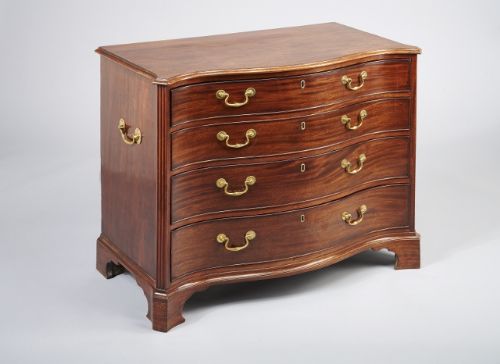
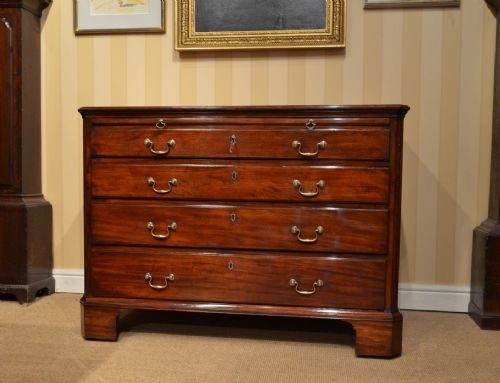
When you search for an antique dressing commode, you encounter a specialised form designed for personal grooming and storage within the bedroom. These pieces bridge the gap between a chest of drawers and a dressing table, often housing fitted interior compartments for bottles, brushes, and powder.
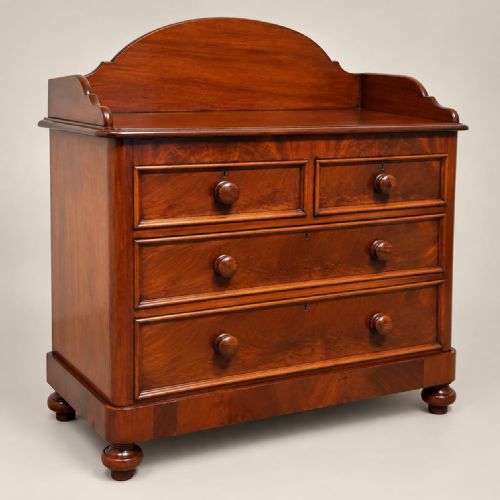
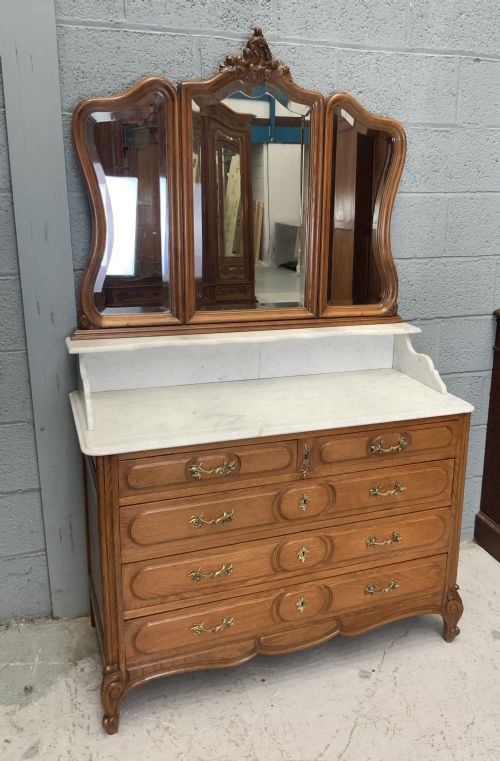
The selections span from the Georgian period through to the Victorian era, alongside continental examples including French provincial pieces and washstands. You will frequently meet mahogany and satinwood constructions, alongside pine items retaining their original paint finishes.
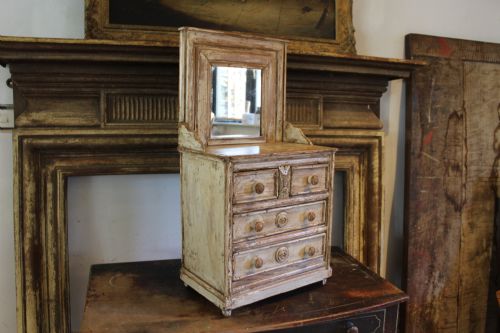
Forms vary from grand serpentine gentleman's dressing chests to compact travel chests and miniature apprentice pieces. The common thread is the clever internal arrangement designed to keep personal effects organised out of sight.
Materials and construction
Cabinetmakers utilised dense timbers such as mahogany and walnut, frequently selecting flame veneers for primary surfaces to create striking grain patterns. Secondary woods like pine provide internal structure for drawer linings and carcases.
Many items incorporate imported marble tops for washstands or delicate satinwood inlay for decorative contrast. Brass handles, key escutcheons, and hinges secure the moving parts and protect corners on travel or campaign variants.
Antique Dressing Commode Retail Price Guide 2026
Typical asking prices for dressing commode among the pieces listed under this phrase on Sellingantiques today, from the lower quarter to the upper quarter. They describe what is for sale here now, not the wider market.
Listings feature pieces spanning the 18th Century through to the 1920s, constructed in mahogany, satinwood, pine, and marble.
What separates the best examples
The distinction between standard examples and exceptional items lies in the precision of the internal fittings and the choice of surface timber. Elaborate serpentine fronts and intricate satinwood crossbanding demand high levels of joinery skill.
Original hardware, untouched patination on the timber, and complete internal compartments separate pieces preserved in original condition from those with replaced components or altered surfaces.
William Gomm
The Antique Dressing Commode Glossary
- Serpentine front
- A furniture front curved with a convex centre flanked by concave sides. This shape requires advanced woodworking skill to execute cleanly on solid timber or veneer.
- Fitted drawer
- A drawer divided internally into specific compartments for small items. These often include lidded sections and spaces for bottles.
- Campaign dressing chest
- A portable chest built in sections with brass corners and recessed handles for transport. Officers utilised these during military campaigns.
- Apprentice piece
- A miniature item created by a trainee to demonstrate proficiency to a guild. These replicate full-scale furniture in every detail.
- Washstand
- A bedroom table fitted with a marble top to hold a basin and pitcher. These protect surrounding woodwork from water splashes.
Antique Dressing Commode: Frequently Asked Questions
What is an antique dressing commode?
A dressing commode is a specialised chest of drawers equipped with internal compartments, mirrors, or washing facilities designed for personal grooming.
These pieces date predominantly from the Georgian and Victorian periods, serving as both functional furniture and decorative focal points in bedrooms.
How were these pieces used?
Owners stored personal items, toiletries, and garments within the drawers and hidden compartments. The top surface or pull-out slide served as a platform for grooming.
Travel versions allowed officers or wealthy travellers to pack their personal grooming gear securely while moving between locations.
How do I care for mahogany surfaces?
Keep wooden furniture away from direct sunlight and heat sources to prevent the timber and veneer from drying out or splitting. Dust regularly with a dry cloth and apply occasional wax polish to maintain the finish.
Avoid placing damp items directly onto unsealed wood surfaces to prevent water rings and staining.
How do I identify a Georgian piece?
Examine the construction methods, drawer linings, and timber choice. Georgian pieces often feature hand-cut dovetails, oak secondary woods, and classical proportions.
Hardware such as brass handles and locks should match the period style and fit the construction marks left by hand tools.