


Antique Dresser Jar
These antique dresser jar pieces are practical dressing table ornaments of glass, porcelain and silver that organise powders, trinkets and scents.
Antique Dresser Jar
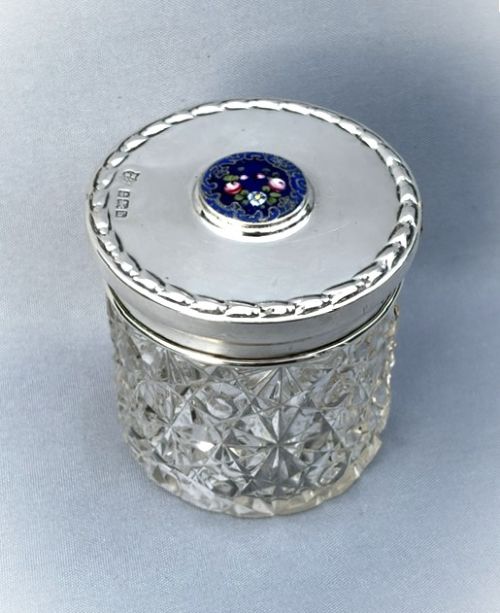
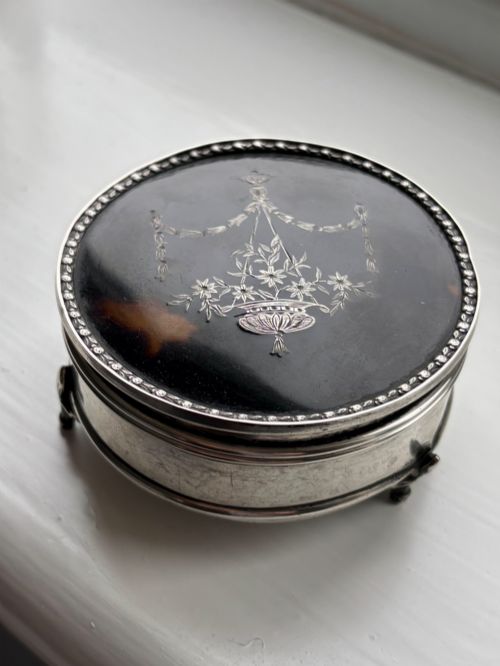
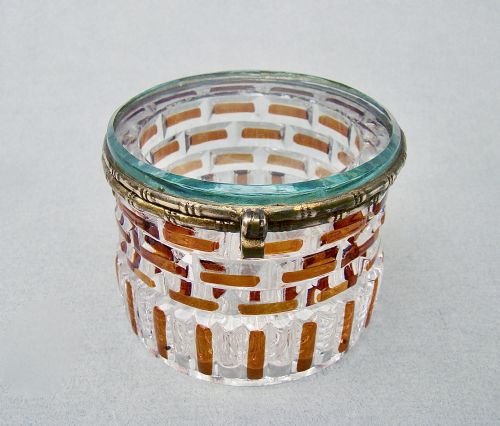
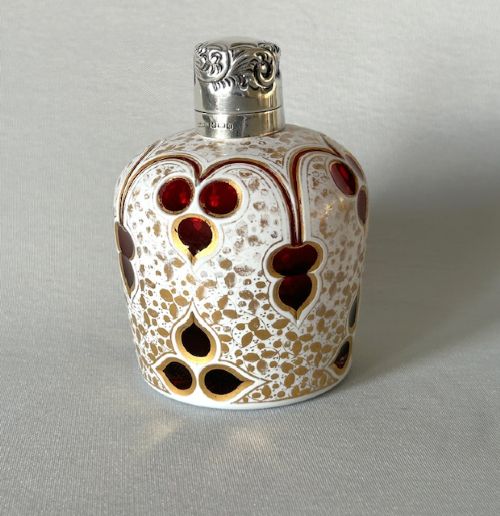
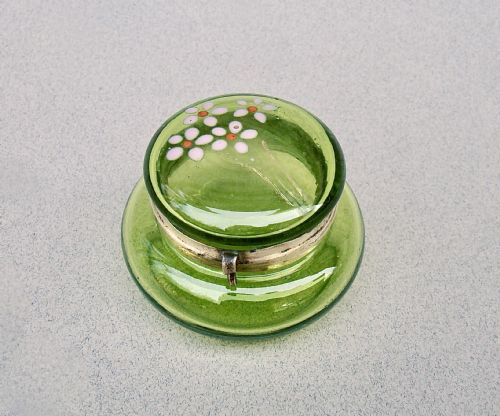
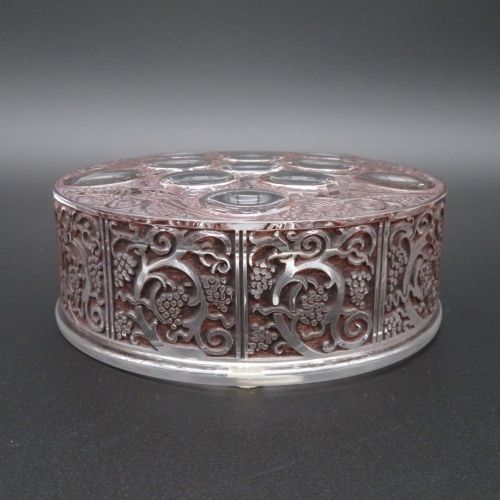
When someone searches for an antique dresser jar, they encounter containers designed for the dressing table, spanning powder boxes, trinket pots and scent bottles. The forms range from simple lidded bowls to figural powder boxes, reflecting the dressing habits of past decades.
The pieces on this page originate across several distinct periods, most notably the Victorian era, the Edwardian period, and the Art Deco years of the 1920s and 1930s. French and German makers contributed significantly to the variety, alongside English examples.
Buyers are most likely to meet cut glass vessels with sterling silver mounts, ceramic powder bowls, and enamel-topped glass jars. These objects served to hold cosmetics, pins and personal ornaments on dressing tables.
How they were made
Manufacturing methods combine glassblowing, ceramic moulding and metalworking, often uniting multiple materials in a single piece. Cut glass and crystal provide heavy, faceted bodies, while porcelain forms delicate powder bowls.
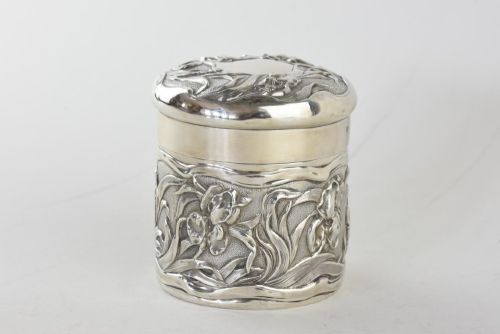
Silver and metal components utilise repousse decoration, casting and mounting techniques to secure lids and rims. Enamel work adds colour and pattern to silver lids and glass surfaces, creating contrast with the clear or coloured body beneath.
Early competitive sailing presentations occasionally yielded fancy silver presentation boxes that ended up on dressing tables.
What varies in quality
Quality rests on the crispness of the glass cutting, the delicacy of the ceramic modelling, and the precision of the metal mounts. Heavy crystal and fine porcelain represent the upper tier of production.
Makers and workshops known for high standards, such as those producing signed French or German powder boxes and marked English silver, elevate the standing of individual items. The integration of materials, like enamel on silver or complex figural ceramic lids, distinguishes superior examples.
Ollivant and Botsford·Goldsmiths and Silversmiths Company·W.M.F.·Limoges·Baccarat·Lalique
The Antique Dresser Jar Glossary
- Repousse
- Metalworking technique where a design is hammered into relief from the reverse side. This method appears on silver boxes and mounts.
- Powder box
- A lidded vessel intended to hold cosmetic powder on a dressing table. These often feature ceramic, glass or figural lids.
- Sterling silver
- An alloy containing a high proportion of silver used for mounts, lids and scent bottle collars. It provides durability and polish.
- Half doll
- A ceramic upper torso used to decorate the lids of powder boxes, popular during the Art Deco period. They depict fashionable figures of the era.
- Trinket box
- A small container designed for holding jewellery or small personal items. They are found in glass, enamel and metal.
Antique Dresser Jar: Frequently Asked Questions
What is an antique dresser jar used for?
These jars served on dressing tables to store loose powders, pins, rings and various small personal accessories.
They kept the surface of the dressing table tidy while offering decorative appeal through materials like coloured glass and decorated silver.
How do I identify an Art Deco dresser jar?
Art Deco examples often date from the 1920s and 1930s, displaying geometric lines, ceramic half doll figures or flapper girl motifs.
They frequently utilise moulded ceramic or cut glass bodies paired with blue enamel or chrome elements.
What materials were used for Victorian dressing table jars?
Victorian pieces typically relied on heavy cut crystal, Bristol blue glass or green glass enhanced with enamel decoration.
Silver mounts and lids were common, sometimes incorporating faux tortoiseshell or repousse patterns.
Are antique powder boxes French or English?
Originating countries vary widely across the available pieces, with notable contributions from France, Germany and England.
French makers produced fine crystal and porcelain items, while English workshops focused on silver-mounted glass and enamel.