


Antique Dress Buttons
Antique dress buttons are small decorative fastenings from past eras, offering a subtle touch of craftsmanship and period detail to formal or everyday attire.
Antique Dress Buttons
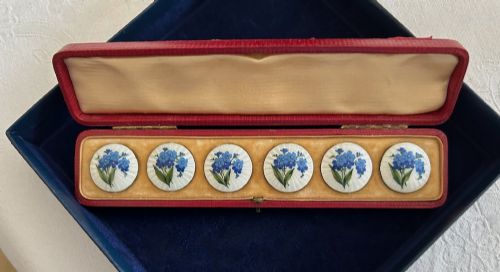
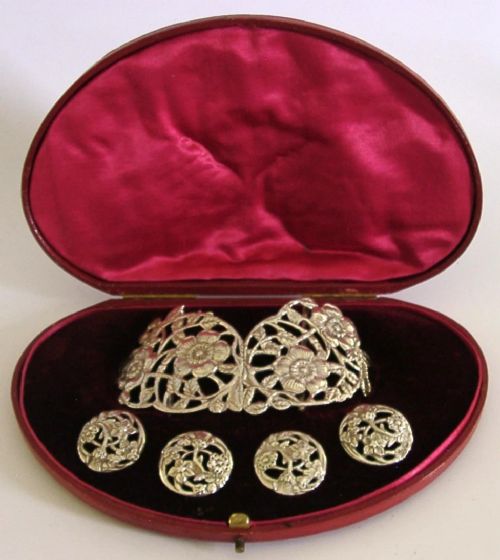
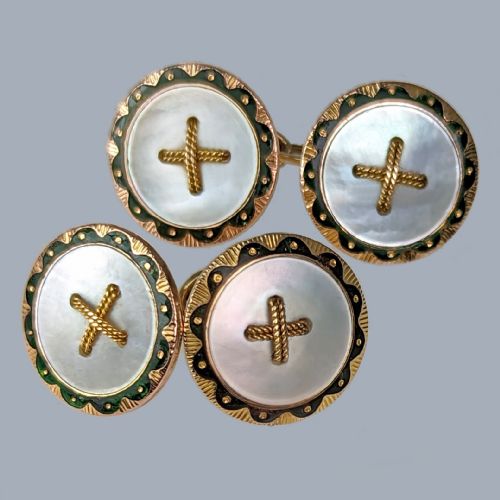
Antique dress buttons encompass small utilitarian fasteners made for garments, often surviving as matched sets or housed in fitted presentation boxes. When you search for antique dress buttons, you encounter examples fashioned during the Victorian and Edwardian periods, frequently executed in sterling silver, enamel, and mother of pearl. These accessories range from simple toggle designs to intricate cased sets intended for formal wear or special occasions.
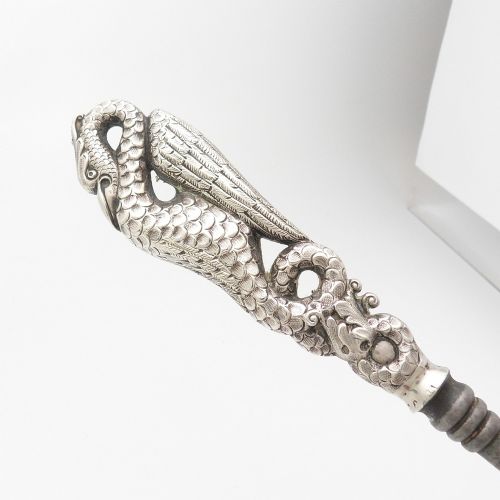
The selection includes individual specimens and complete collections of six, demonstrating how these items were preserved together by previous owners. Materials span precious metals and organic substances, reflecting the prevailing fashions of the nineteenth and early twentieth centuries. Such pieces often coordinate with related items like belt buckles or button hooks from the same era.
How they were made
Maker techniques rely heavily on silver smithing, casting, and delicate enamel work applied to metal bases. Sterling silver provides a durable structure for embossed or cast motifs, whilst mother of pearl is carved and polished to exploit its natural iridescent qualities.
Enamelling adds colour and pattern through heat-fused vitreous glass layers, often seen in Edwardian cased sets. Mounting techniques secure the shank or loop at the rear, ensuring the button fastens securely onto fabric without damaging the garment.
Listings for antique dress buttons feature Edwardian and Victorian periods, with materials spanning sterling silver, enamel, and mother of pearl.
What varies in quality
Quality rests upon the crispness of the cast or engraved detail and the intact preservation of applied enamel. Sets that retain their original fitted presentation box demonstrate higher desirability, as original boxing protects the contents from loss and wear over decades.
The complexity of the design and the choice of precious metals, such as sterling silver over base metal alternatives, elevate the standing of a set. Uniformity across a multi-piece set indicates careful initial manufacture and consistent survival.
Solomon Blanckensee Son·Deakin Francis·James Deakin Sons
The Antique Dress Buttons Glossary
- Sterling silver
- A silver alloy containing 92.5 percent pure silver and 7.5 percent other metals, usually copper, ensuring durability for small decorative items.
- Cased set
- A collection of matching items, such as buttons or cufflinks, housed in a dedicated fitted presentation box lined with velvet or silk.
- Enamel
- A glassy substance fused to the surface of metal through firing, used to add decorative colour and smooth patterns to small objects.
- Mother of pearl
- The iridescent inner layer of certain mollusc shells, carved and polished for buttons and decorative handles due to its shimmering appearance.
- Shank
- The small loop or protrusion on the reverse of a button through which the thread passes to attach it to fabric.
Antique Dress Buttons: Frequently Asked Questions
How were antique dress buttons used?
These buttons served both functional and decorative purposes on period garments, securing cuffs, collars, and bodices. They were often transferred between special occasion outfits or kept within fitted presentation boxes when not in active service.
Finer sets in silver and enamel were typically reserved for formal wear, weddings, or mourning attire, reflecting the strict social dress codes of the Victorian and Edwardian eras.
How do I store antique dress buttons?
Keep them in their original fitted boxes if available, or place them in a dry, dark drawer away from direct sunlight to protect delicate enamel and mother of pearl.
Avoid stacking unprotected pieces directly on top of each other to prevent scratching the softer organic materials and fragile metallic surfaces.
Are antique dress buttons sold in sets?
Many survive as complete matched sets of six, frequently preserved inside original velvet-lined presentation cases from the Edwardian period. Individual buttons also appear, often salvaged from larger collections or garments over time.
Complete boxed sets are particularly sought after by collectors because they preserve the original grouping intended by the retailer and maker.
What materials are common in these buttons?
Sterling silver and mother of pearl are frequently encountered, alongside applied coloured enamel and occasional toggle designs in silver. These materials reflect the prevalent manufacturing techniques and fashion tastes of the late nineteenth and early twentieth centuries.
Organic substances like mother of pearl provide an iridescent quality, while metal elements often feature cast floral or geometric motifs.