



Antique Dress Bracelet
An antique dress bracelet combines timekeeping with fine jewellery, offering a refined accessory for evening wear.
Antique Dress Bracelet
When buyers search for an antique dress bracelet, they are examining wristwatches and cocktail watches that double as decorative jewellery. These pieces bridge the gap between functional timekeepers and ornamental adornments worn on the wrist.
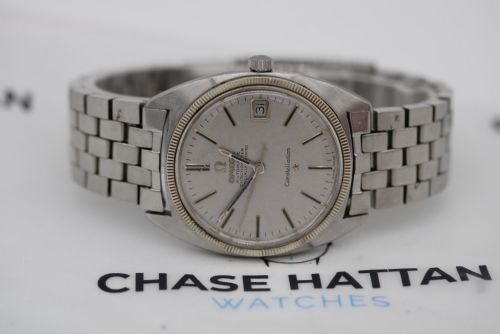
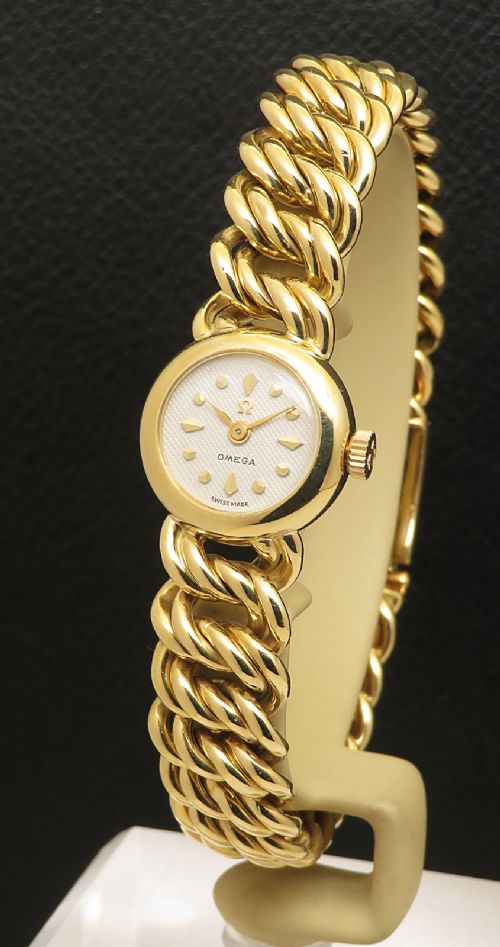
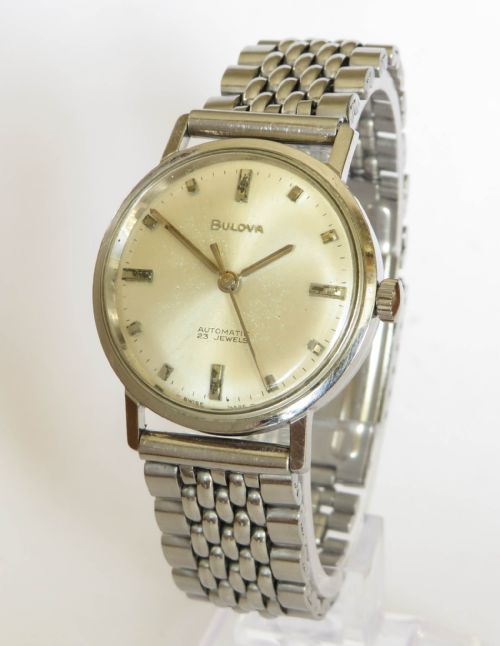
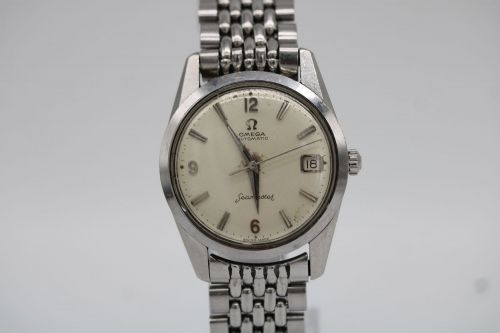
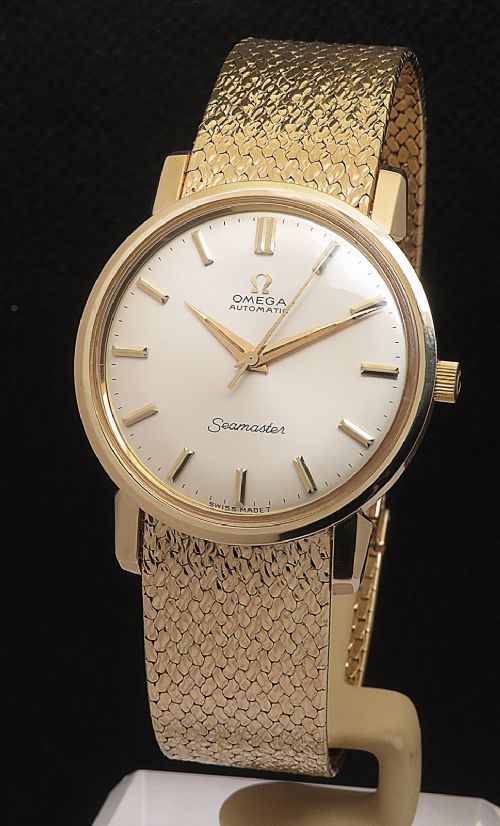
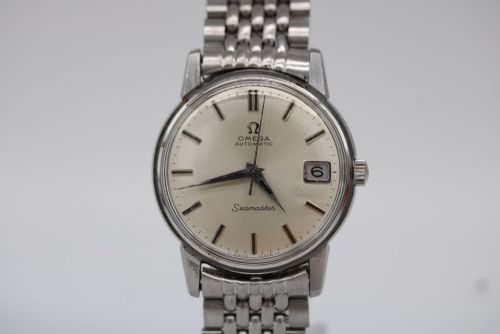
Makers represented in these listings include Omega, Bulova, Smiths, Accurist, Bucherer, Asprey, Vertex, and Tissot. Each piece reflects the horological and decorative standards of its respective decade.
How they were made
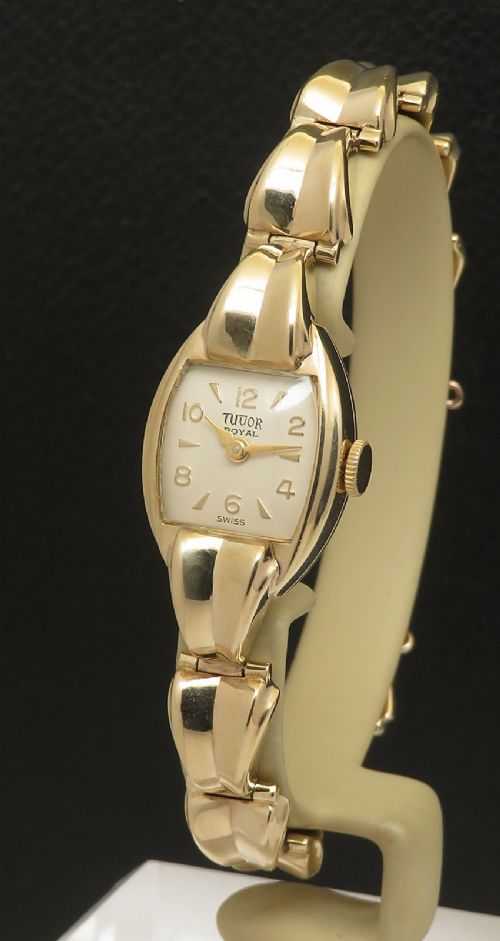
These timepieces were constructed using precious metals such as platinum, 9ct gold, 18ct white gold, and 18ct yellow gold, alongside stainless steel. Some designs incorporate acrylic and glass components for dials and crystals.
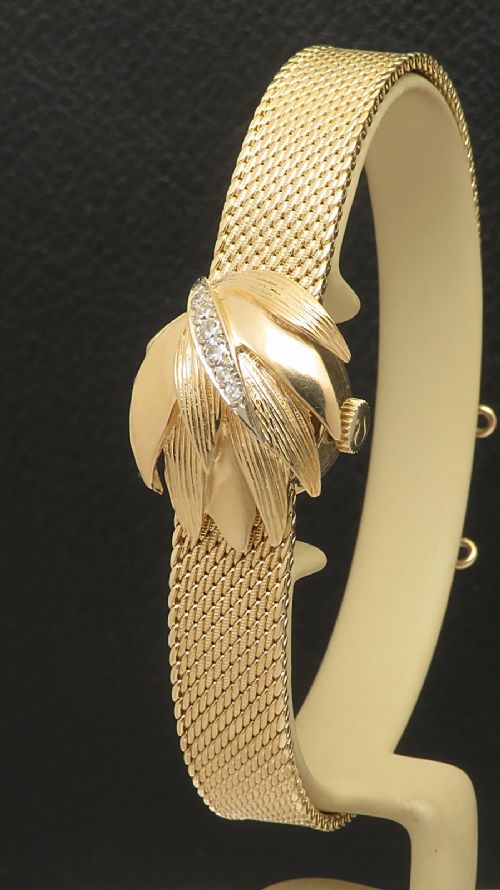
Gemstone-set models utilise diamonds to embellish the case and bracelet structure. Movements range from manual wind mechanisms to automatic calibres housed within gold, platinum, or steel cases.
Antique Dress Bracelet Retail Price Guide 2026
Typical asking prices for dress bracelet among the pieces listed under this phrase on Sellingantiques today, from the lower quarter to the upper quarter. They describe what is for sale here now, not the wider market.
Some platinum cocktail watches pack four full carats of diamonds into a case no larger than a postage stamp.
What varies in quality
The choice of materials dictates the primary tier of quality, moving from stainless steel and 9ct gold up to heavy platinum settings adorned with substantial diamond carat weights. The presence of precious stones like diamonds significantly elevates the luxury of a piece.
Execution and provenance separate standard production models from high-end jeweller commissions. Pieces retailed by established luxury houses or featuring complex diamond layouts demonstrate superior craftsmanship compared to standard commercial wristwatches.
Omega·Bulova·Smiths·Accurist·Bucherer·Asprey·Vertex·Tissot
The Antique Dress Bracelet Glossary
- Cocktail watch
- A small ladies' watch designed primarily for evening wear, often heavily set with diamonds and precious metals to resemble a bracelet rather than a standard timepiece.
- Manual wind
- A mechanical watch movement that requires the wearer to manually turn the crown to tension the mainspring, commonly found in vintage dress pieces.
- Calibre
- The specific internal movement designation or model created by a watch manufacturer, determining the mechanical layout and function of the watch.
- Art Deco
- A design style prevalent in the 1930s characterised by geometric lines, symmetry, and stylised motifs, frequently seen in cocktail watch cases.
- Platinum
- A dense, durable, and naturally white precious metal used to securely mount diamonds and form intricate watch cases.
Antique Dress Bracelet: Frequently Asked Questions
What is an antique dress bracelet?
An antique dress bracelet is a timepiece designed to function simultaneously as jewellery and a watch. These items span decades such as the 1930s and 1950s, featuring precious metals and gemstones.
They are distinct from everyday wristwatches due to their decorative bracelets and formal aesthetic. Most examples are intended for evening or special occasion wear.
How do I wear a vintage watch bracelet?
Wearing a vintage dress bracelet requires gentle handling due to the delicate nature of historical clasps and delicate gold or platinum links. They are typically worn slightly looser than a modern strap watch if they incorporate a flexible metallic band.
Because many vintage pieces lack modern water resistance and rely on manual wind or early automatic movements, daily wear should be balanced with appropriate care. Pairing them with evening attire honours their original design purpose as cocktail accessories.
How do I tell Art Deco from Mid-Century styles?
Art Deco watches, typically from the 1930s, feature geometric symmetry, stepped cases, and angular diamond settings. They emphasise sharp lines and architectural structures.
Mid-Century and Mid-Century Modern pieces from the 1940s, 1950s, and 1960s tend to introduce softer contours, integrated mesh or solid gold bracelets, and cleaner dial layouts. The transition reflects broader shifts in jewellery and industrial design across those decades.
What materials were used in these watches?
Watchmakers and jewellers utilised a range of materials including platinum, 18ct white gold, 18ct yellow gold, and 9ct gold. Stainless steel also appears on utilitarian or men's models from the period.
Gemstones such as diamonds provide sparkle on cocktail watches, while glass and acrylic protect the dials. Internal components consist of brass, steel, and ruby jewels within the mechanical movements.