


Antique Drawing Study
An antique drawing study captures the direct, unvarnished hand of the artist at work, offering collectors a rare window into historical technique and composition.
Antique Drawing Study
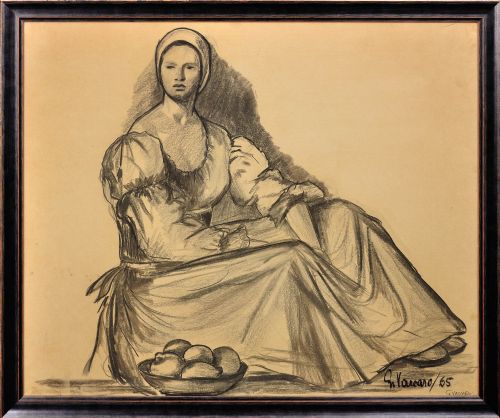
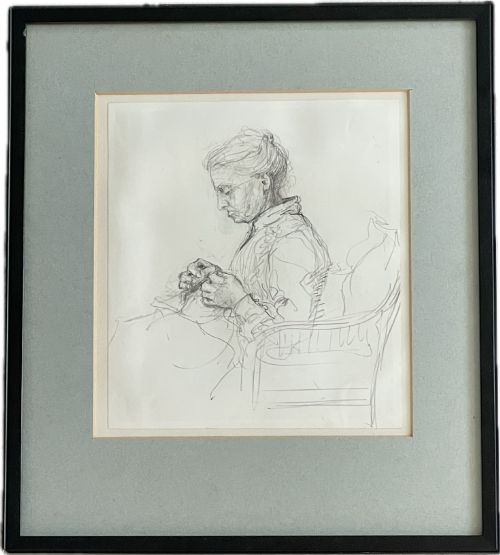
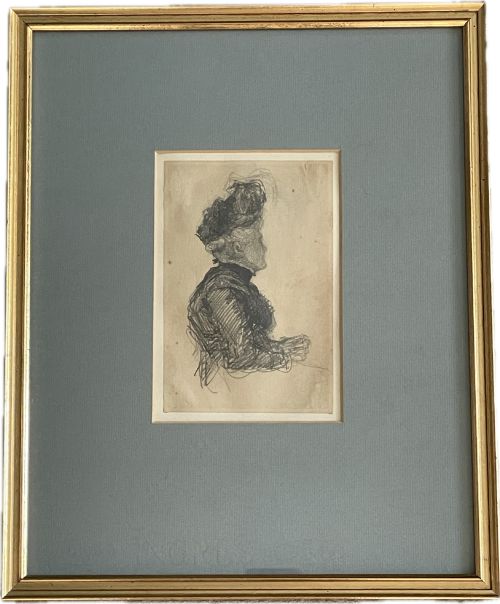
When you search for an antique drawing study, you are exploring preparatory works, academic exercises, and finished graphical pieces produced across the seventeenth, eighteenth, and nineteenth centuries. These works range from rigorous life studies of the human form to architectural drafts, animal studies, and rapid compositional sketches.
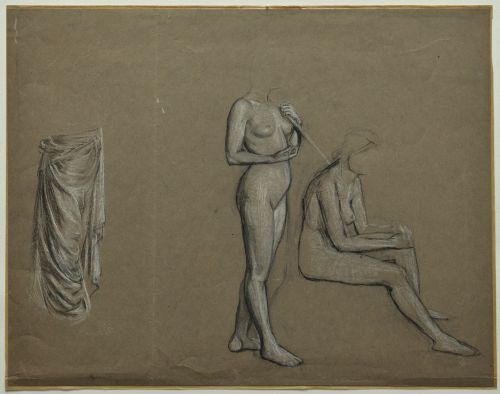
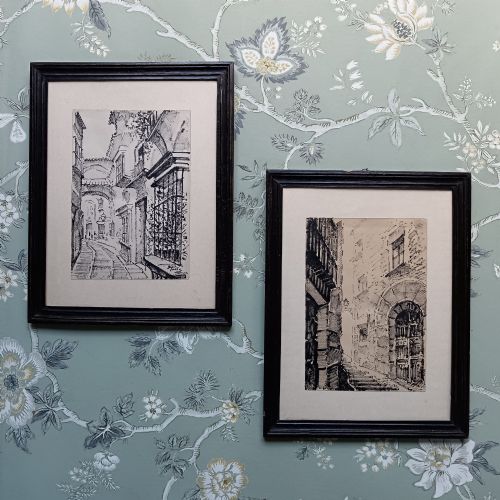
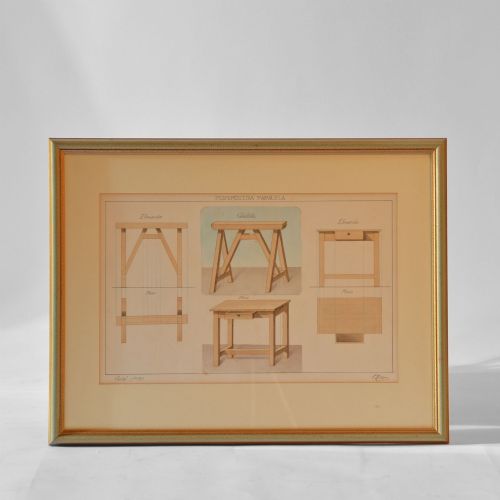
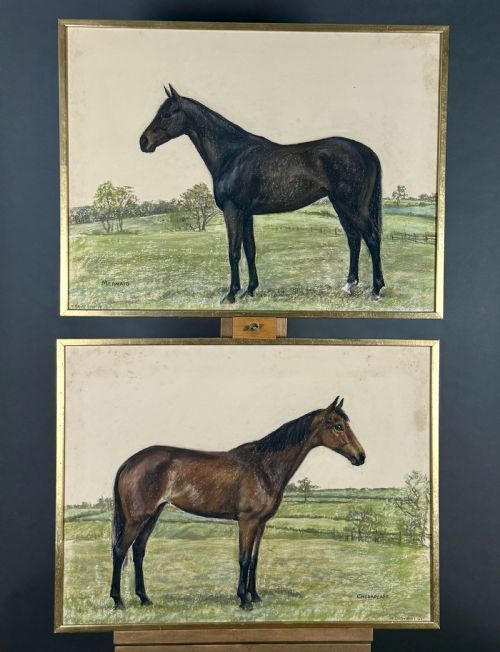
On this page, you will most frequently encounter nineteenth-century academic drawings and eighteenth-century portrait or figure studies executed on paper. These pieces often bear the marks of studio training, capturing everything from classical casts to dynamic equestrian poses and detailed architectural plates.
Collectors seek out these works not merely as decorative wall art, but as primary documents of artistic training and draftsmanship. Each sheet preserves the immediate touch of the artist, revealing corrections, grid lines, and preparatory thought processes that finished oil paintings frequently conceal.
How they were made
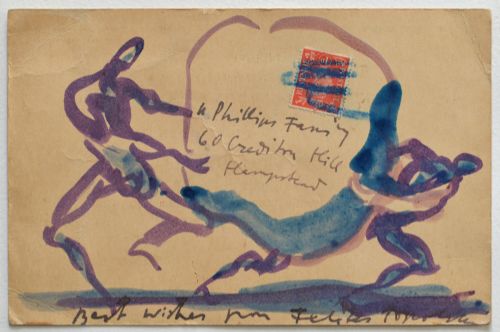
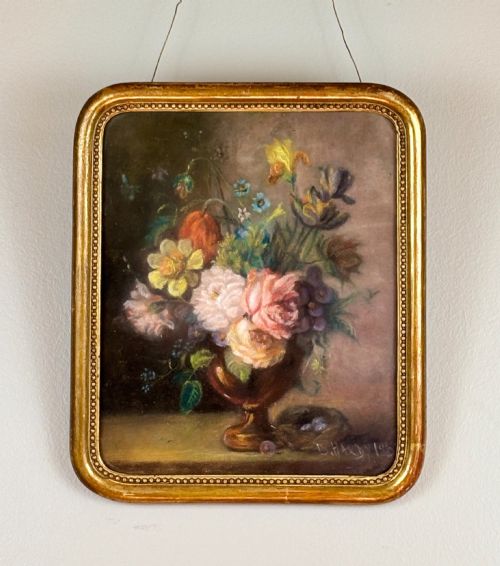
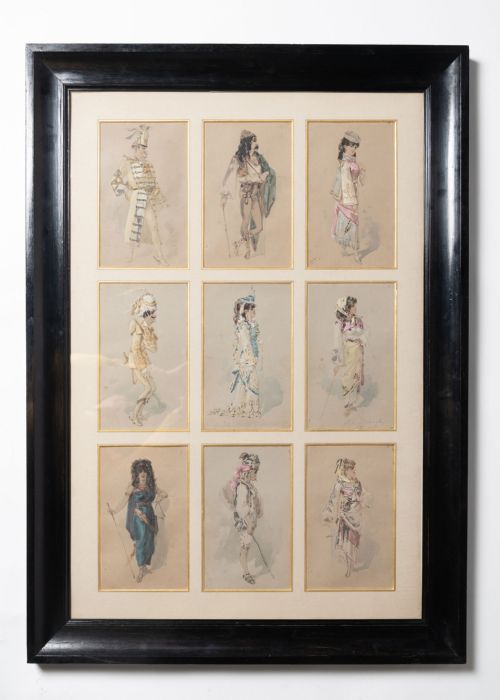
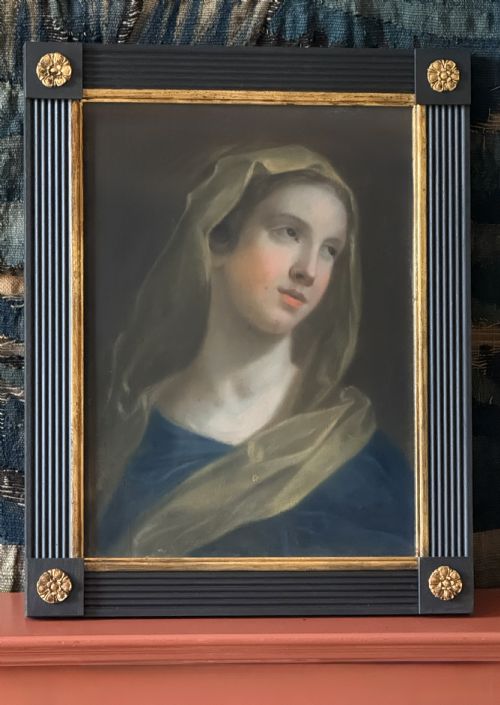
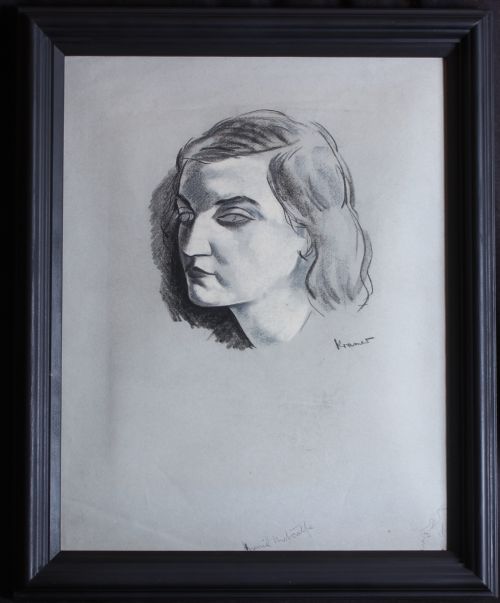
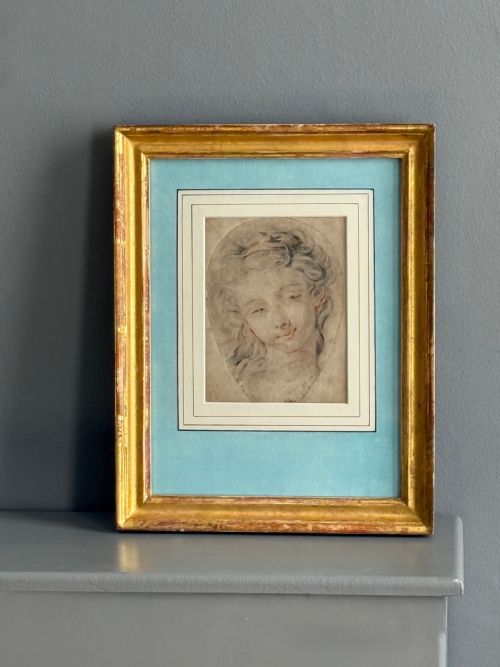
Artists executed these studies directly onto various grades of paper, utilising dry mediums such as graphite, charcoal, chalk, and pastel, or wet mediums including watercolour, ink, pen and wash, and gouache. Buff, tinted, or laid papers were frequently chosen to provide a mid-tone ground, allowing highlights to be built up in white chalk or bodycolour.
Many of the academic and preparatory works on this page reflect rigorous studio practices, involving the use of plaster casts, live models, or measured architectural perspective. Framing often followed later, protecting fragile works behind glass within wood surrounds.
Antique Drawing Study Retail Price Guide 2026
Typical asking prices for drawing study among the pieces listed under this phrase on Sellingantiques today, from the lower quarter to the upper quarter. They describe what is for sale here now, not the wider market.
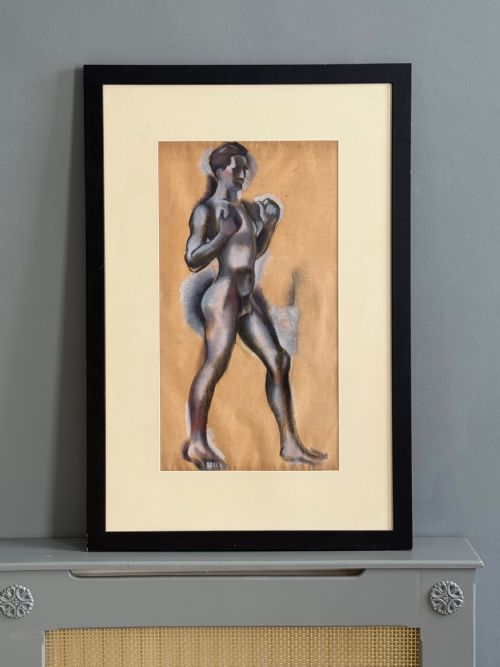
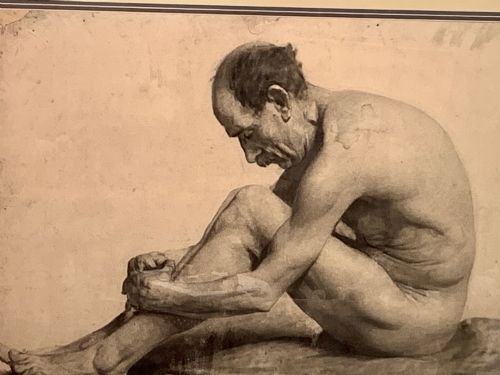
Among the historical figures captured on paper, a study of three black Pekingese dogs rubs shoulders with grand academic nudes.
What varies in quality
The distinction between a standard student exercise and a masterwork lies in the confidence of the line and the anatomical or structural understanding demonstrated on the page. Superior pieces exhibit a decisive economy of stroke, where every mark contributes to volume, light, and form without hesitation or unnecessary cross-hatching.
Condition and preservation heavily influence desirability, particularly given the fugitive nature of works on paper over the centuries. Studies that retain their original sheet integrity, strong contrast in medium, and minimal discolouration or foxing stand at the upper end of the range.
Francois Boucher·Henry Percy Huggill·William Etty·William Marshall Craig·Augustus John·Hyacinthe Colin de Vermont·Peter Lely·Herbert Johnson Harvey·Henri Charles Angéniol·Ludwig van Beethoven·Michael Healy·Henry Arthur Roberts·Cipriani·Alfred Dehodencq
The Antique Drawing Study Glossary
- Academic Realism
- A style of painting and drawing produced under the influence of European academies of art, characterised by strict adherence to classical standards, rigorous life drawing, and anatomical accuracy.
- Gouache
- An opaque water-based medium consisting of pigment, water, and a binding agent such as gum arabic, often used alongside watercolour or ink to add highlights.
- Wash
- A technique where a diluted layer of ink or watercolour is applied thinly across paper to create smooth areas of tone, shadow, or atmospheric depth.
- Preparatory Study
- A preliminary drawing or sketch made by an artist to work out composition, lighting, or anatomy before executing a final, larger painting or sculpture.
- Pastel
- A dry painting medium in the form of a stick, consisting of powdered pigment and a binder, known for its velvety texture and soft, blended colour transitions.
Antique Drawing Study: Frequently Asked Questions
What is an antique drawing study?
An antique drawing study is a preparatory or compositional work on paper created by an artist to explore anatomy, perspective, or a broader subject. These pieces range from rapid ink sketches to highly finished academic nudes and architectural plates.
Unlike finished gallery paintings, studies often reveal the underlying working methods, corrections, and thought processes of historical draughtsmen and painters.
How can I tell the period of a drawing?
Dating a drawing relies on examining the watermark and type of paper, the specific medium used, and stylistic indicators such as academic dress or framing methods. Eighteenth-century works often feature laid paper and sepia washes, while nineteenth-century pieces frequently display industrial wove paper and academic realism.
Inscribed dates, signatures, or historical attribution notes penned on the reverse or mount also provide crucial clues to the era of creation.
Were these drawings meant to be framed?
Most drawing studies were originally kept in portfolios, sketchbooks, or used as teaching aids within art academies rather than displayed on walls. Many were framed much later to protect the delicate paper and medium from environmental damage.
When living with antique works on paper, framing them behind UV-filtering glass is essential to prevent fading and degradation from natural light.
What is the difference between a study and a finished work?
A study is typically concerned with exploring a specific detail, such as the drape of fabric, an equestrian pose, or a human limb, rather than presenting a complete narrative scene. They often display grid lines, notes, or multiple overlapping sketches on a single sheet.
Finished works are resolved compositions intended for exhibition or commission, whereas studies remain intimate records of the artist's ongoing training and experimentation.