
Antique Drawing Artwork
These antique drawing artwork selections bring historic hand-rendered paper and pastel pieces into contemporary spaces, offering collectors direct access to centuries of intimate graphic skill.
Antique Drawing Artwork
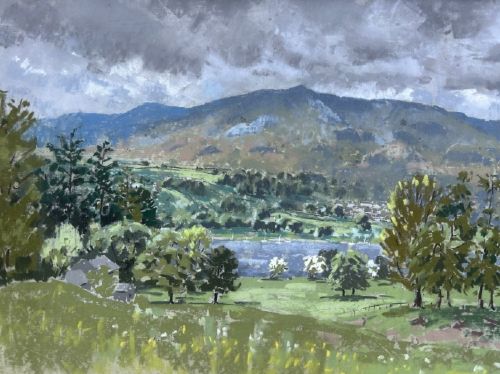
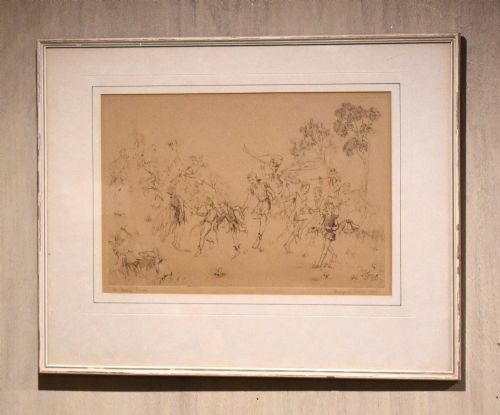
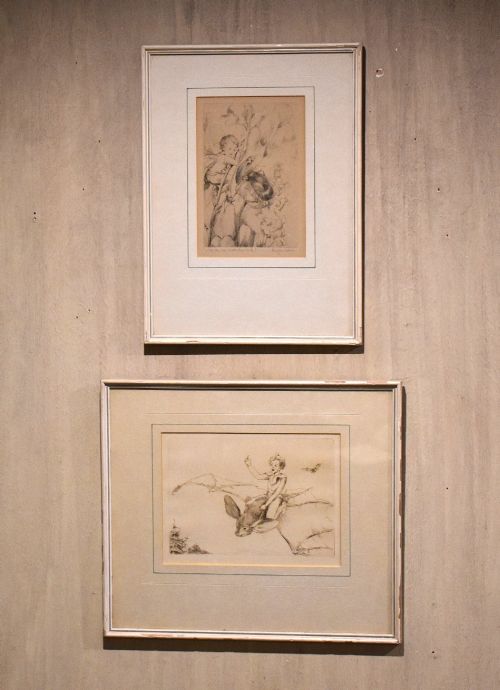
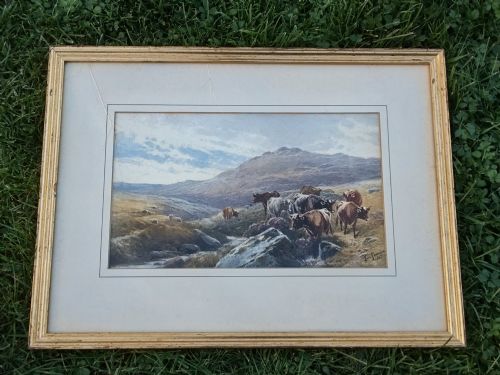
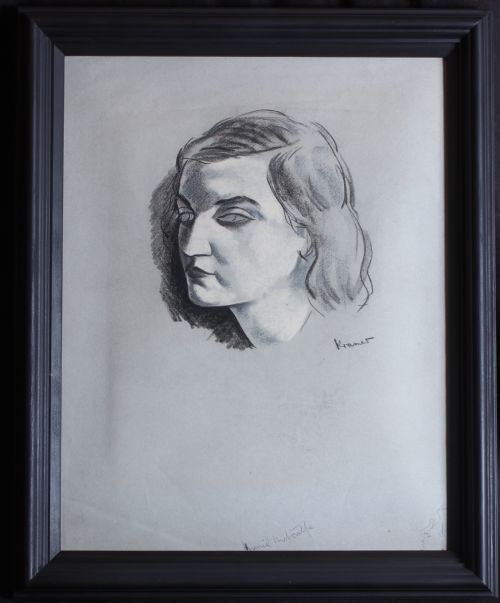
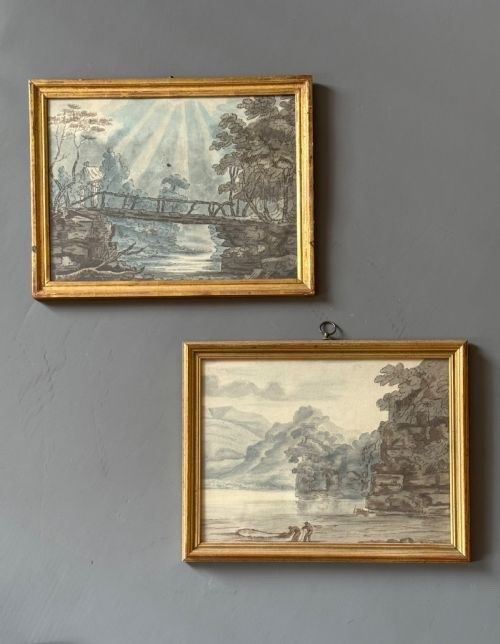
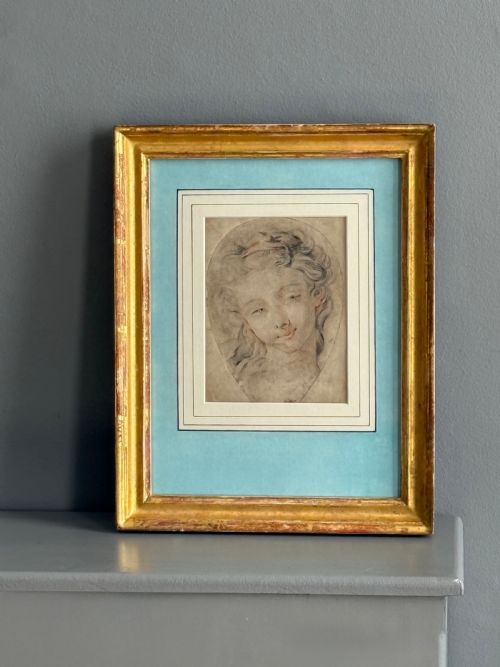
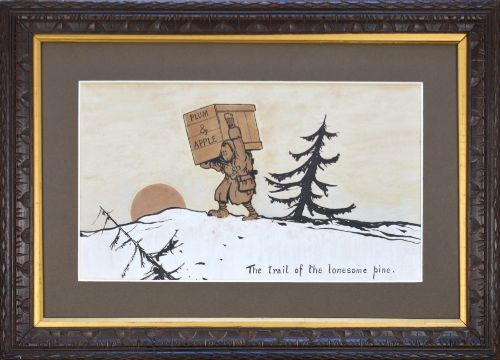
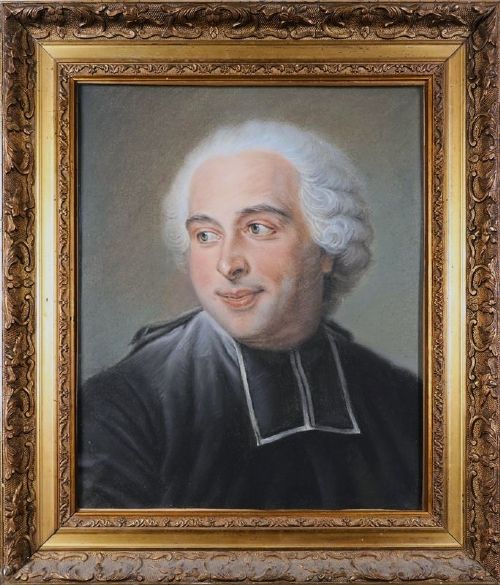
When buyers search for antique drawing artwork, they encounter works on paper spanning from the eighteenth century through the Edwardian period and early decades of the twentieth century. The selections available here heavily favour framed drawings, pastel portraits, and watercolour paintings originating from British and European schools.
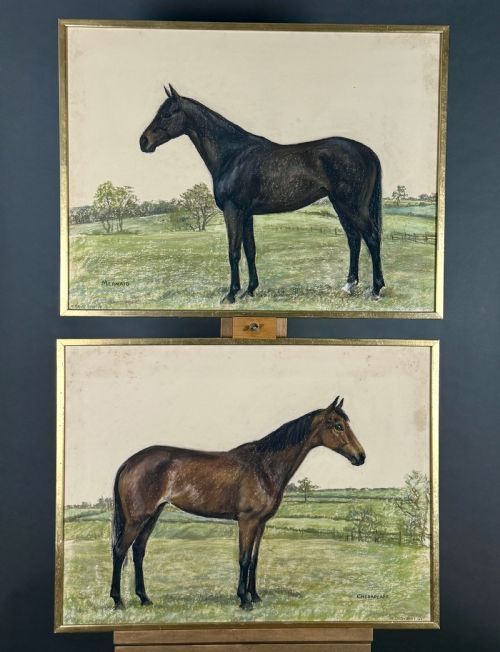
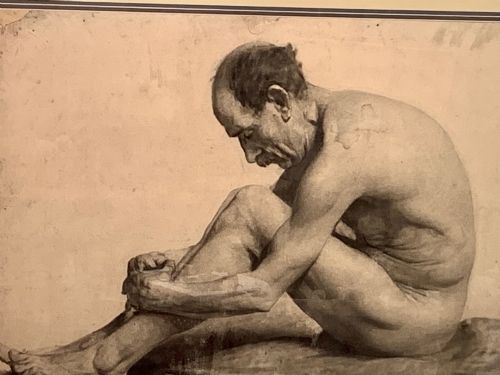
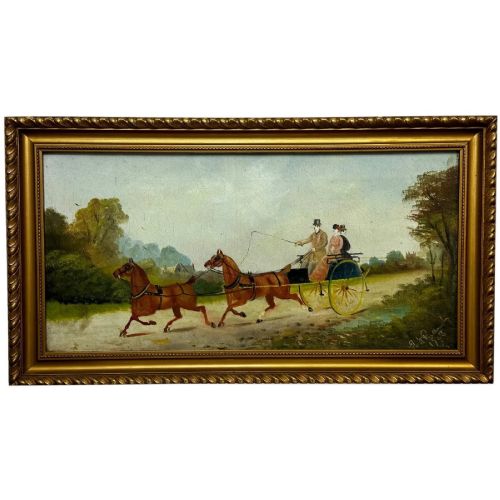
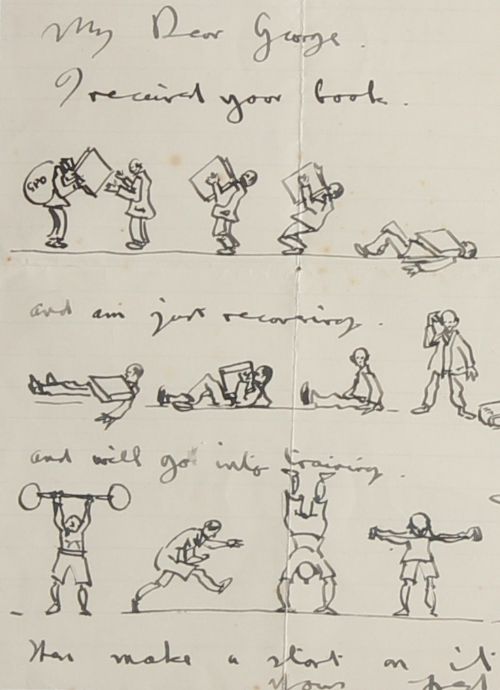
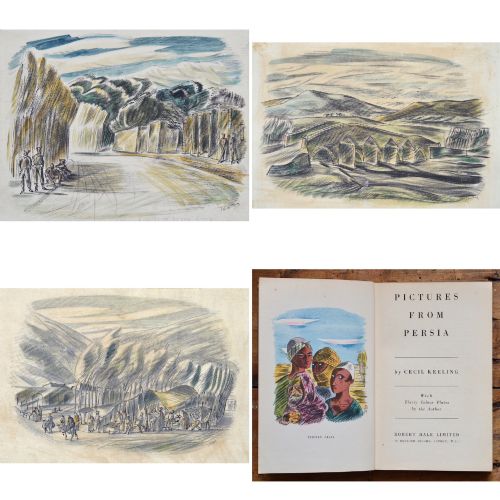
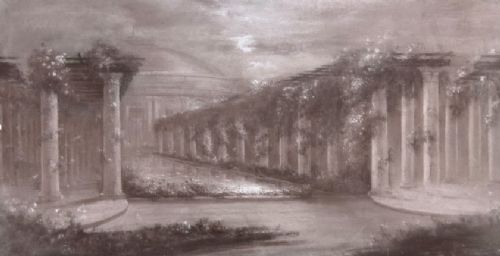
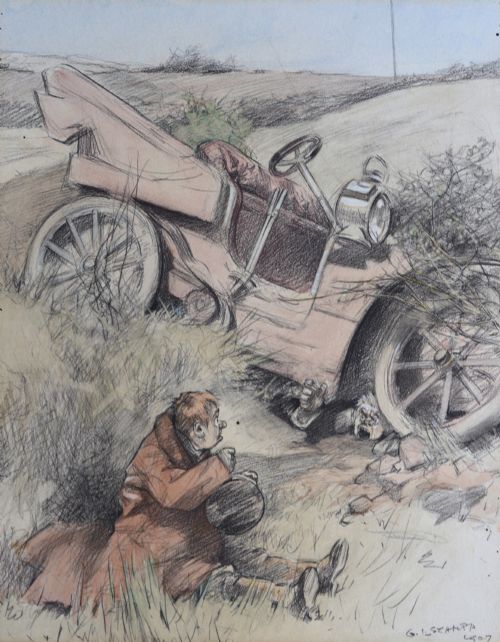
The assortment ranges from academic figure studies and equestrian scenes to delicate landscape sketches in pen and ink. Portraiture in pastel dominates the earlier eras, while lively caricatures, architectural views, and narrative illustrations populate the twentieth-century material.
How they were made
Artists executed these works primarily on paper using graphite, charcoal, ink, gouache, and pastel. Pigments were often applied to tinted or buff paper to enhance tonal contrast.
Many surviving examples are housed in period frames constructed from wood and giltwood, occasionally protected beneath glass to preserve the delicate powdery surface of pastels and watercolours.
The inventory records academic realism, French Rococo, and Art Deco alongside Victorian and Georgian styles.
What varies in quality
Quality rests on the certainty of the draughtsmanship, the expressiveness of the line, and how successfully the artist captures form and light within the chosen medium. A confident pencil study or a finely blended pastel demonstrates superior hand control compared to rigid or formulaic academic exercises.
The preservation of the paper support and the retention of original pigment vibrancy also dictate the standing of a piece. Works that retain their original frames and untouched surfaces hold greater integrity for the serious collector.
Marjorie L Davies·Thomas Rowden·Philip H Rideout·Francois Boucher·Fred Lawson·Bruce Bairnsfather·George Lorain Stampa·Maurice Quentin de la Tour·Henry Percy Huggill·Emily Eyres·Alfred Young Nutt·James Smetham·Herskind·Benedetto Lotti·William Etty·John Russell·William Marshall Craig·Augustus John·Hyacinthe Colin de Vermont·Johannes Lingelbach·Henri Charles Angéniol
The Antique Drawing Artwork Glossary
- Pastel
- A dry painting medium consisting of powdered pigment and a binder rolled into sticks. It permits rapid blending of tones directly on the paper surface.
- Gouache
- An opaque water-based paint containing a binding agent and a white pigment filler. It provides heavier coverage and brighter highlights than standard transparent watercolour.
- Academic Realism
- A style of painting and drawing produced under the influence of European academies of art. It prioritises precise anatomical accuracy, classical composition, and detailed observation.
- Giltwood
- Wood carved and coated with gold leaf or a gold-coloured metallic finish. It serves as the primary material for traditional ornate framing.
- Works on paper
- A collective category encompassing drawings, watercolours, pastels, and prints. These items require careful mounting and protection from direct sunlight.
Antique Drawing Artwork: Frequently Asked Questions
How should I display antique drawings?
Keep these works on paper away from direct sunlight to prevent the fading of inks, watercolours, and pastel pigments. Framing them with acid-free mounts ensures the paper does not degrade over time.
Position them in rooms with stable humidity levels to protect both the paper support and any traditional wood or giltwood frames.
What is the difference between a drawing and a painting?
Drawings rely primarily on linear marks made with mediums such as graphite, charcoal, ink, or pastel. They emphasise contour and tone rather than the heavy application of wet paint.
Watercolours and gouache bridge the gap by using fluid mediums on paper, yet they still fall under works on paper due to their thin, translucent layers.
How do I identify eighteenth-century pastels?
Eighteenth-century pastels often feature layered portraits or landscapes executed on laid paper or canvas affixed to stretchers. The handling tends to show meticulous blending of facial tones and soft drapery.
Examining the backing boards and framing nails usually reveals period construction techniques consistent with the 1700s.
Can I remove drawings from their old frames?
Leaving works in their original period frames is generally recommended because the framing often dates alongside the artwork. Altering the mount can disrupt the historical integrity of the piece.
Consult a professional paper conservator if the backing requires replacement to prevent damage to the delicate media.